
Do You Need a License to Be a Celebrant in the UK? Essential Information You Should Know
Becoming a celebrant in the United Kingdom can be an exciting journey if you’re passionate about creating meaningful ceremonies. You do not need a license to be a celebrant, although obtaining some training or certification can certainly enhance your skills and career prospects.
Many find that completing a course through organizations like the United Kingdom Society of Celebrants opens up more opportunities and helps refine their craft.
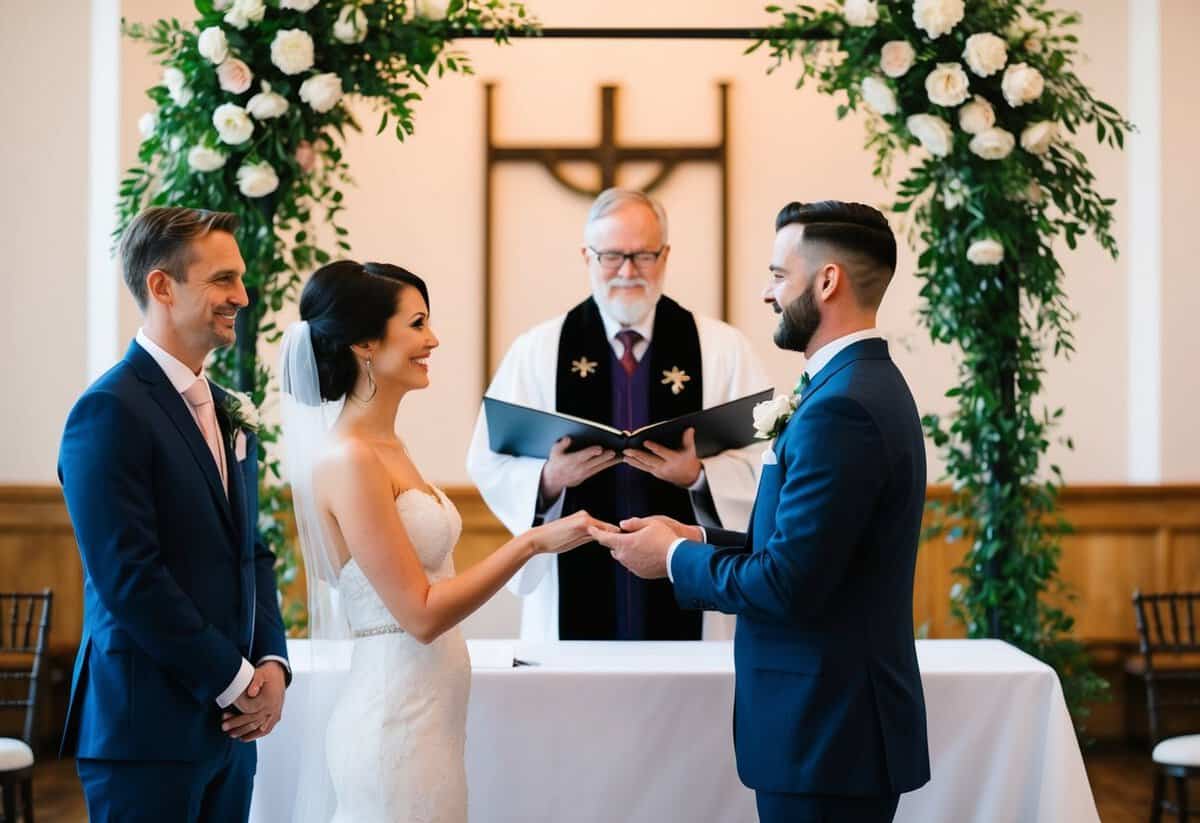
Celebrants play a vital role in weddings, funerals, and other significant life events. While formal qualifications are not mandatory, taking part in a recognized training program can be beneficial. It not only helps you understand the intricacies of celebrancy but also builds your confidence in delivering personal and heartfelt ceremonies.
Whether you’re drawn to wedding celebrancy or funeral services, the choice to become a celebrant can lead to a fulfilling career as you share in the important moments of people’s lives. If you’re ready to explore what it takes to be a celebrant, read on to find out more about the steps involved and the various paths you can take.
Licensing Requirements for Celebrants in the UK
If you’re considering becoming a celebrant in the UK, it’s important to know the legal aspects involved. Licensing varies depending on the type of ceremonies you wish to conduct, whether weddings, funerals, or other events.
Legal Recognition and Regulation
In the UK, celebrants do not need a formal license to conduct ceremonies like weddings or funerals. However, the legal status of a celebrant-led wedding can differ from that of a civil ceremony.
For weddings, a civil ceremony must be performed by a registrar to be legally binding. You can still have a celebrant perform a personalized ceremony or a renewal of vows without this legal binding.
On the other hand, funeral celebrants have more flexible roles. They can conduct ceremonies and create personalized services without a license. Still, they often complete training to ensure professionalism in sensitive situations.
Types of Celebrants and Specific Licenses
There are various types of celebrants, including wedding celebrants, funeral celebrants, and those who conduct naming ceremonies. Each type has different requirements regarding training and recognition.
While there are no national licenses, training courses are available, such as those offered by private providers.
For instance, if you want to become a wedding celebrant, completing a Level 3 Certificate in Celebrancy can boost your credibility.
For funeral celebrants, specializing in bereavement through certified courses can enhance your skills. Remember, although you don’t need a specific license, having a recognized qualification can give you an edge in a competitive field.
Training and Qualifications
Becoming a celebrant involves essential training and skills. While formal qualifications are not mandatory, choosing the right training course can enhance your career prospects and help you serve clients better.
Choosing the Right Celebrant Training Course
When selecting a celebrant training course, consider your specific interests, such as weddings or funerals. Many private training providers offer programs tailored to these areas.
The Academy of Modern Celebrancy is one example, providing comprehensive classes.
Courses can be taken in person or online, allowing flexibility for your schedule. Look for programs that emphasize public speaking and strong communication skills, as these are vital in your role as a celebrant. Read reviews and reach out to alumni for feedback to make an informed choice.
Cost and Duration of Training
The cost of celebrant training can vary widely. On average, you might expect to pay anywhere from £300 to over £1,000 for a complete course.
Factors influencing the cost include the provider’s reputation, course length, and whether materials are included.
Training duration can range from a few days to several weeks. Some intensive courses cover topics quickly, while others spread learning over several months. Make sure the duration fits your learning style and personal commitments.
Accreditation of Celebrant Training
Accreditation ensures that your training meets specific standards. While there is no official governing body for celebrants in the UK, many reputable training providers obtain endorsements from organizations like Humanists UK.
Accredited programs often offer recognized diplomas or certificates that can boost your credibility. It’s beneficial to choose a course that is well-regarded in the industry. This will help you build trust with clients and expand your career opportunities as a celebrant.
Starting Your Celebrant Business
Starting your own celebrant business can be rewarding and fulfilling. It involves a few key steps, including setting up properly and effectively marketing your services to attract clients.
Setting Up Your Business
To begin, think about your business structure. You may choose to be a sole trader or a limited company. Each has its own advantages and responsibilities.
Next, consider the training programs available. You don’t need a formal license, but completing a training program can enhance your skills and credibility. Look for courses offered by reputable celebrant training providers. Options include residential courses and distance learning programs that suit your schedule.
Costs can vary depending on the type of training you choose, so check each program’s details. Being clear about your costs and services will help when you decide your pricing model.
Marketing Your Services
Once you set up your business, you need to reach potential clients. Start by creating a professional website that highlights your services as a celebrant. Include your training background, testimonials, and the types of ceremonies you offer.
Use social media platforms to connect with your audience. Share helpful tips and personal stories that reflect your personality. Consider joining local wedding fairs or community events to network and showcase your work.
Don’t forget about word-of-mouth marketing. Encourage happy clients to refer you to friends and family. Building relationships is key, as people choose celebrants they connect with.