
Do You Need Planning Permission to Hold Weddings? Your Essential Guide Explained
When planning your dream wedding, one important question might come to mind: do you need planning permission? In many cases, you will need planning permission to hold a wedding. You will need it especially if it’s at a permanent venue or if you’re making significant changes, like setting up structures on your property. The rules vary by location, so it’s essential to check with your local authorities.
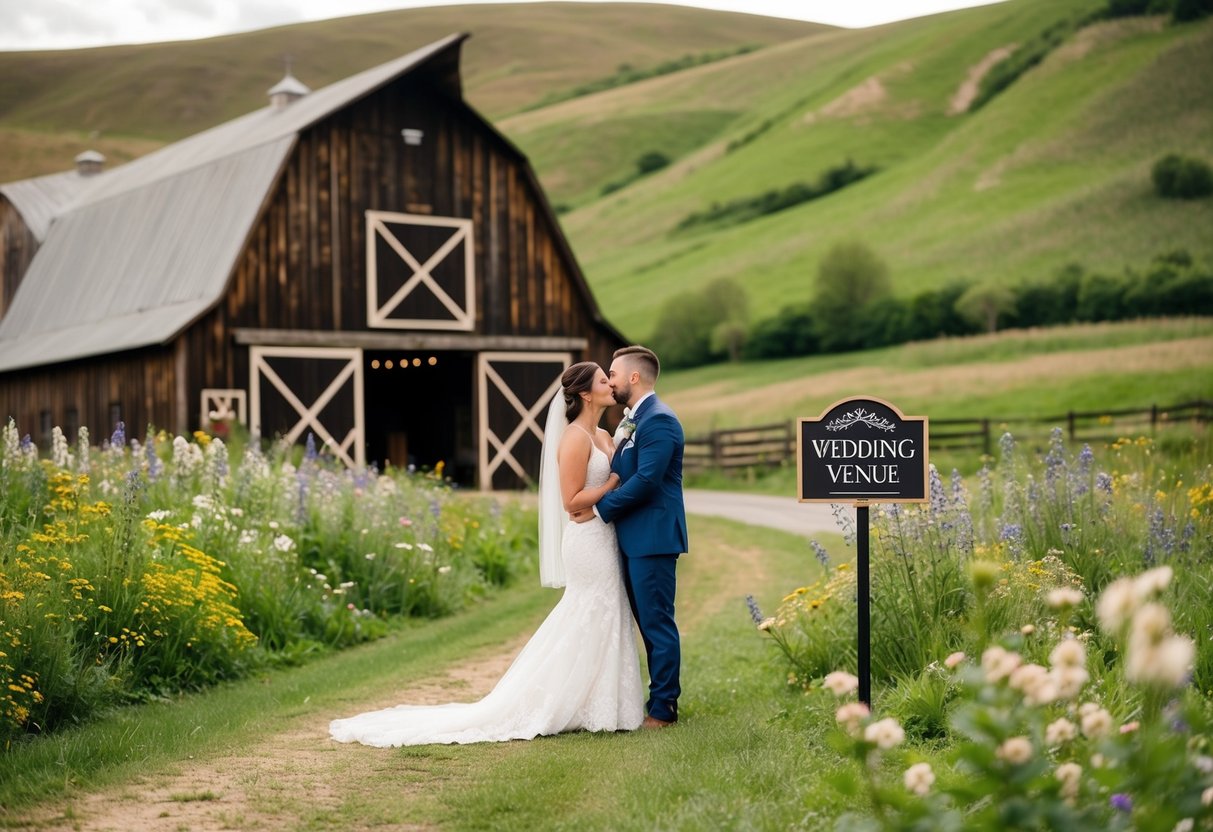
If you’re considering a more casual setting, like an outdoor space, you might be able to host your wedding without formal permission for a limited number of days each year. However, certain activities, like serving alcohol or having live music, may require additional permits. Knowing the specific regulations in your area can save you from unexpected hurdles as your special day approaches.
Taking the time to understand planning permission and what’s needed for your wedding can make the process smoother and more enjoyable. By getting the necessary approvals early, you can focus on creating lasting memories instead of worrying about legalities.
Understanding Planning Permission for Weddings
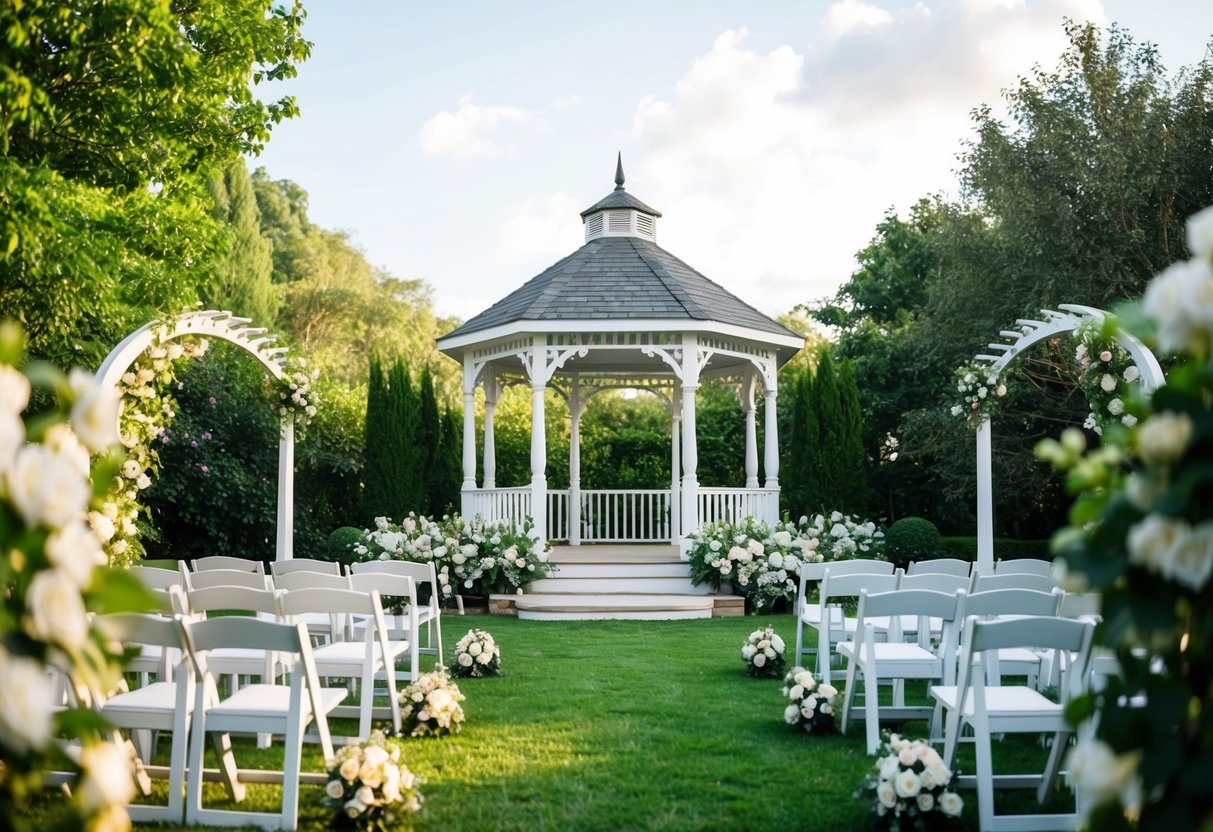
When planning a wedding, it’s essential to know about planning permission. Various factors, such as zoning laws, temporary structures, and necessary licenses, can influence your event. Here’s what you need to consider.
Zoning Laws and Temporary Structures
Zoning laws dictate what types of events you can hold in different areas. If you’re considering an outdoor wedding, check your local regulations. Some areas allow events without planning permission for up to 28 days per year. However, this often applies only to temporary structures like tents or marquees.
If your structure will be in place for more than this period or if you want to hold multiple events, planning permission may be needed. Always contact your local planning authority for the most accurate guidance tailored to your property.
Premises Licence Requirements
A premises license is necessary if you plan to serve alcohol during your wedding. This license ensures that you comply with laws concerning the sale of alcohol, entertainment, and late-night refreshment. You may also need a license if your wedding site will host performances or music.
To obtain a premises license, you must apply through your local council. Keep in mind that this process can take several weeks. Be sure to apply early to avoid any delays for your event.
Temporary Event Notices Explained
A Temporary Event Notice (TEN) allows you to hold small events without a premises license. You can use a TEN for weddings with up to 500 guests, but it only covers specific activities, such as serving alcohol or live music.
You need to notify your local council at least 10 working days before your event. Make sure to follow the rules regarding health and safety. Also, remember that you can only hold a certain number of events per year at your venue using this notice.
Setting Up a Wedding Venue
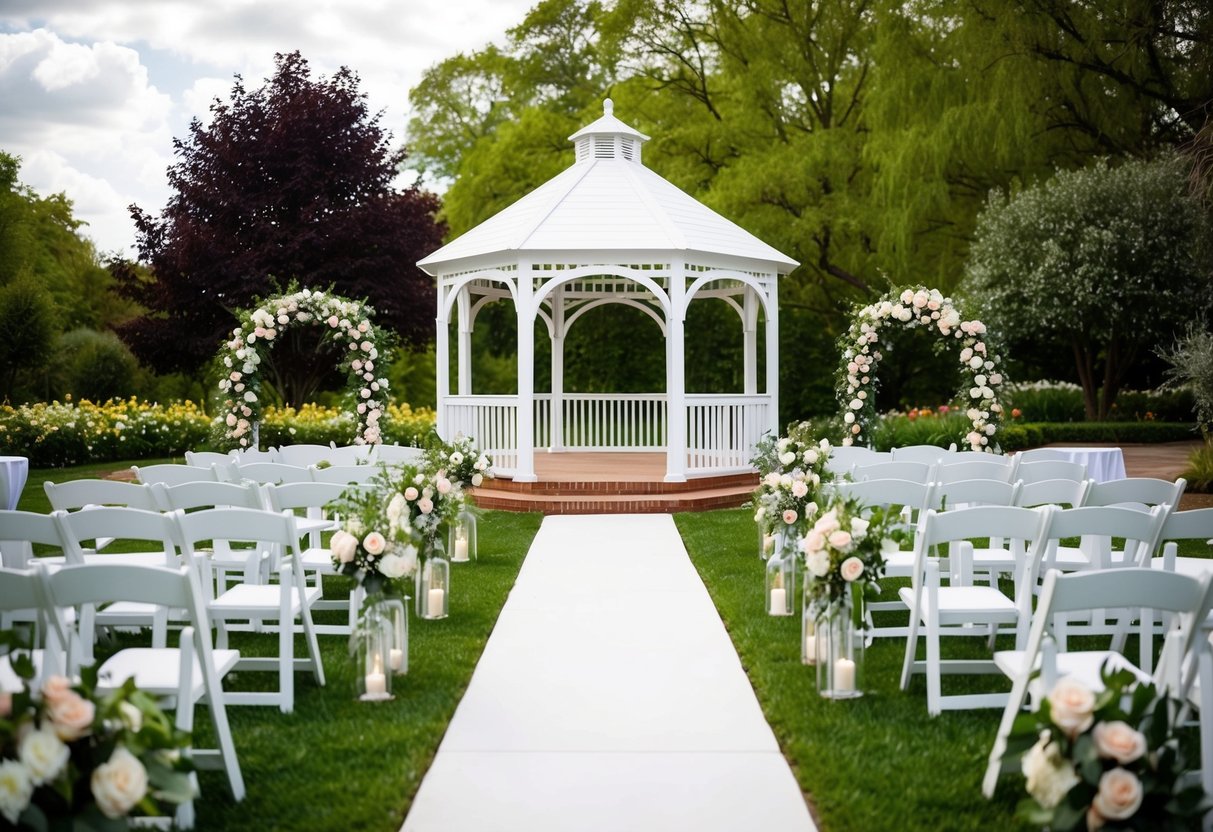
When considering setting up a wedding venue, it’s essential to focus on the right outdoor space, seating arrangements, and necessary health and safety protocols. These factors will ensure your venue is both beautiful and safe for guests.
Selecting the Right Outdoor Space
Choosing the right outdoor space is vital for your wedding venue. Look for a location that offers stunning natural backdrops, such as gardens or scenic fields. Ensure the area is spacious enough for guests, seating, and any additional structures you may need.
Consider accessibility for all guests, including those with mobility issues. Think about parking availability and how easy it is for guests to reach the site. It’s also wise to check local regulations regarding noise levels and curfews.
Marquee and Tipi Considerations
Using a marquee or tipi can enhance your wedding venue significantly. These structures provide shelter and a unique atmosphere. When selecting one, consider the size based on the number of guests you expect.
Make sure the marquee or tipi is anchored securely to prevent accidents, especially in windy conditions. Think about layout as well—designate areas for dining, dancing, and socializing. Don’t forget to plan for lighting and heating, as this can greatly affect comfort.
Additionally, check if you need any permits for setting them up on your chosen site. This step can avoid any last-minute surprises.
Health and Safety Protocols
Health and safety are paramount when setting up your wedding venue. First, familiarize yourself with local health and safety requirements that apply to outdoor events.
Create an emergency plan that includes access to first aid and easily identifiable exit routes. Consider fire safety regulations, especially if you have cooking equipment or open flames in your venue.
Ensure restrooms are available and adequately maintained for your guests. Finally, depending on your location, you may need to apply for a civil ceremony license. This ensures your wedding is legally recognized, so it’s crucial to handle this early in the planning process.
Insurance and Legal Considerations
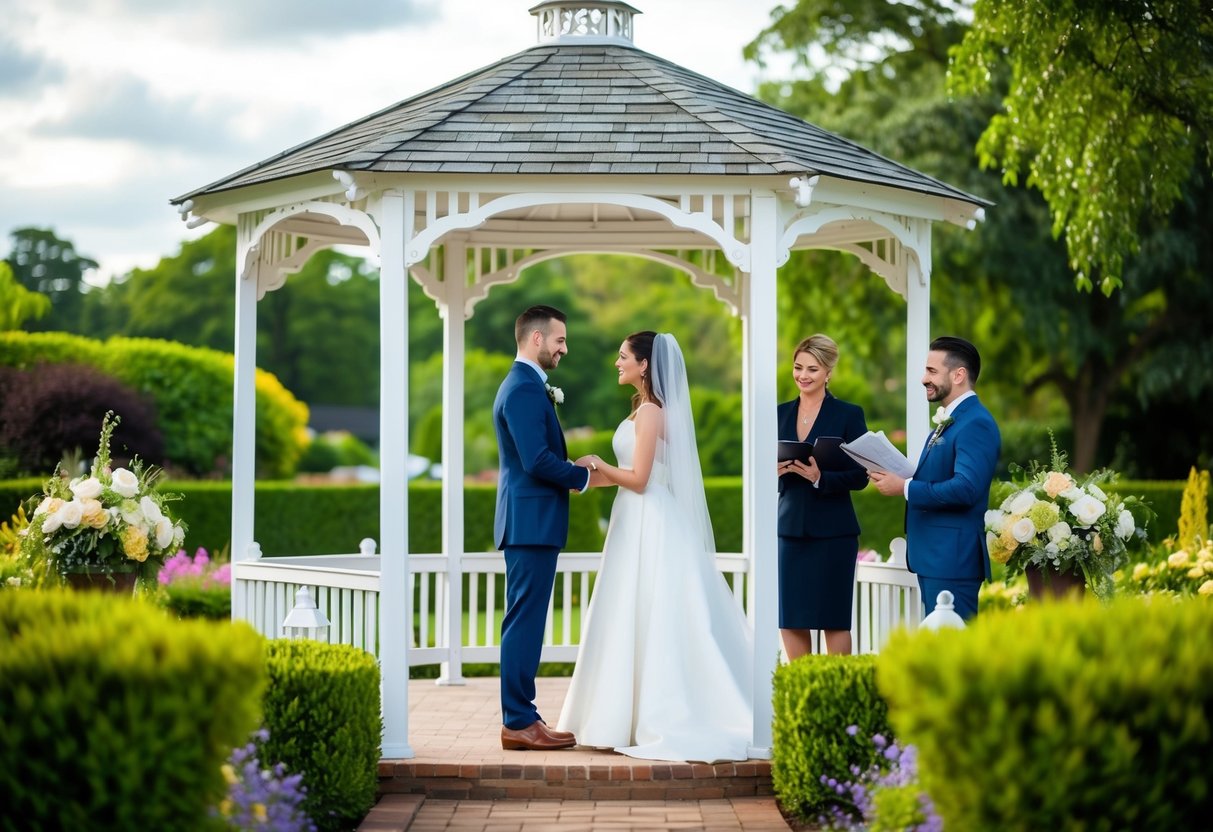
When planning a wedding, it’s important to think about insurance and legal aspects. These considerations can protect you from risks and help keep your event running smoothly.
Public and Employer’s Liability Insurance
Public liability insurance is crucial for any event you host. This type of insurance protects you against claims from guests who might get injured or suffer property damage during the wedding.
For example, if a guest trips and falls, this insurance can cover medical costs and legal fees. You should also consider employer’s liability insurance if you hire staff for the wedding. This insurance covers you against claims made by employees if they are injured while working.
Understanding Premises and Cancellation Cover
Premises cover is another important type of insurance. This protects against damage to the venue where the wedding is held. If something happens, like a fire or water damage, this insurance can help with repair costs.
Cancellation cover is essential, too. If you need to cancel the wedding for any reason, this insurance can reimburse you for non-refundable expenses, like deposits for the venue or vendors. It’s a safety net to ease the stress of unexpected situations.
Liquor License and Seemly Conduct
If you plan to serve alcohol, obtaining a liquor license is necessary. This license ensures that you comply with local laws and regulations surrounding the sale and consumption of alcohol.
It’s also important to encourage guests to behave in a seemly and dignified manner. Having clear guidelines about conduct can prevent issues and maintain a pleasant atmosphere. This ensures that everyone enjoys the event without causing disturbances.
Marketing and Promoting Your Wedding Venue
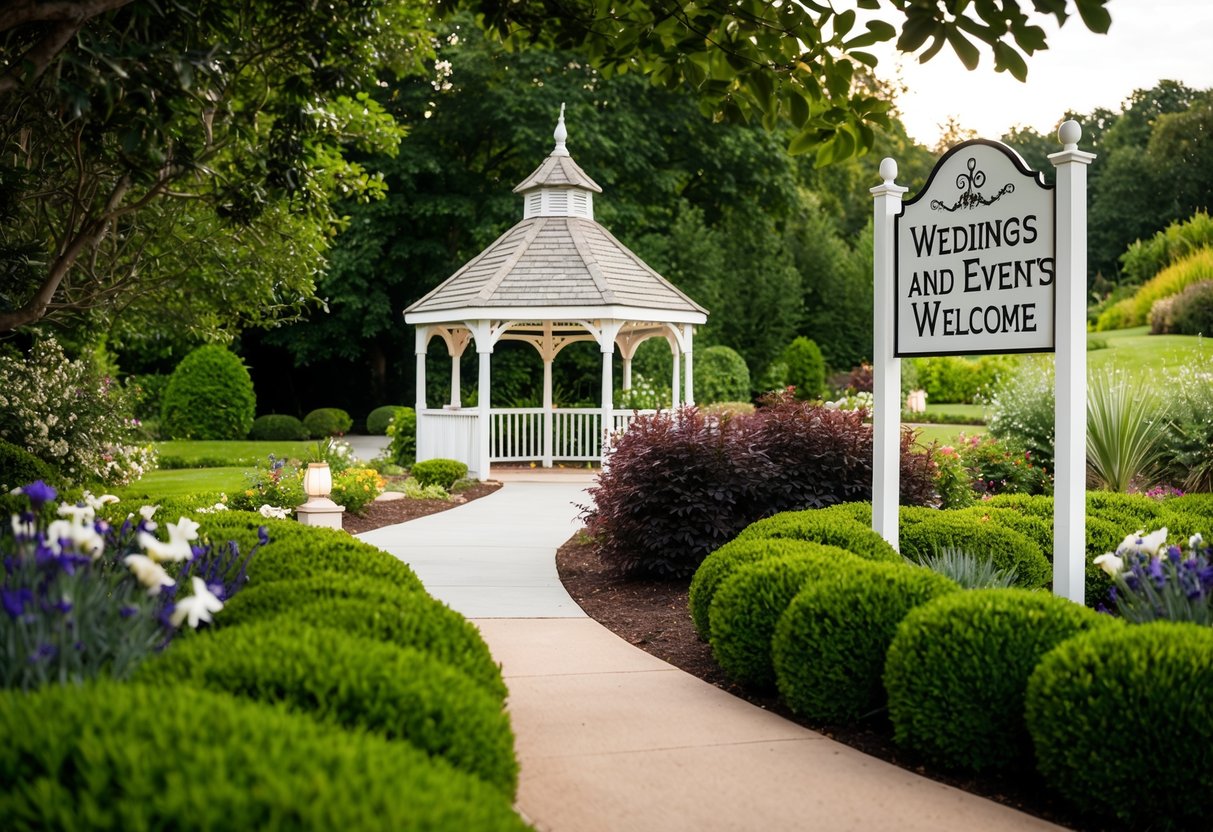
To successfully attract couples to your wedding venue, it’s important to establish a unique selling point and effectively use social media. These strategies can help you stand out in a competitive market and connect with your target audience.
Developing a Unique Selling Point
Think about what makes your venue special. Do you offer rustic charm in a picturesque setting? Perhaps your venue is perfect for outdoor weddings with stunning views. Highlight these features in your marketing.
Create a list of your venue’s best qualities:
- Unique settings: Gardens, barns, or waterfronts
- Special amenities: Catering options, decor services, or on-site accommodations
- Exclusive partnerships: Work with local vendors for photography and floral arrangements
By clearly defining your unique selling point, you make it easier for couples to see why they should choose your venue.
Leveraging Social Media and Special Events
Social media is a powerful tool for promoting your venue. Platforms like Instagram and Facebook can showcase beautiful photos of past weddings. You can also post stories to engage your audience and create excitement.
Consider hosting special events at your venue. You could organize open houses or collaborate with local businesses for joint events. This allows potential clients to experience your space in person.
Don’t forget to interact with your followers. Respond to comments and questions to build a connection. Creating local partnerships can increase your visibility and attract local traffic to your venue. Also, think about the feedback from your neighbors to maintain a positive relationship.