
Do You Take Your Bra Off When Trying on Wedding Dresses? Tips for a Comfortable Fitting Experience
Trying on wedding dresses is one of the most exciting moments in planning your big day. As you step into that boutique, you may wonder whether you should wear a bra during your dress fitting. Many brides find that they feel more comfortable and can better assess the fit and style of the dress when they don’t wear a bra.
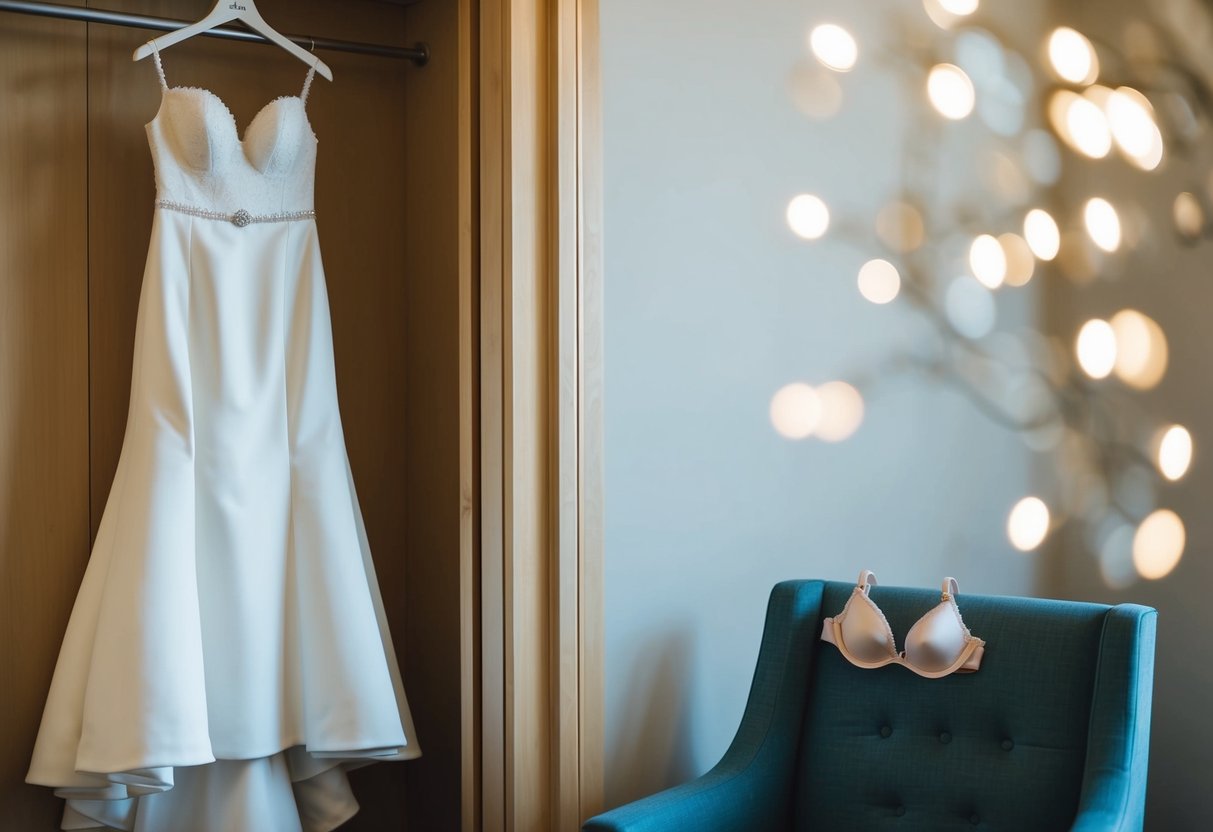
Most modern wedding dresses come with built-in support features like cups, boning, and padding. This means that wearing a bra is often unnecessary, allowing the dress to fit better and showcase its design. However, if you prefer some extra support, bringing a comfortable nude bra is a good option that can work with different styles.
The decision is yours. As you go wedding dress shopping, keep in mind that feeling confident and comfortable in your dress is what truly matters.
Preparing for Your Bridal Appointment
Getting ready for your bridal appointment is an exciting part of the wedding planning process. Knowing what to wear and bringing the right items can make your experience enjoyable and productive.
What to Wear
When you go to try on wedding dresses, comfort is key. A simple outfit with easy access is best. Consider wearing a fitted top and a skirt, or comfortable jeans. This allows you to move around freely while trying on different styles.
You don’t need fancy clothes, but avoid anything too loose. Dresses have to fit well, so a snug outfit helps you see how the dress complements your figure. Remember, the goal is to find something that feels right for you without distractions.
Selecting the Right Undergarments
Choosing the right undergarments is essential for your bridal appointment. Many consultants recommend wearing a strapless bra. This type of bra will help you see how dresses fit at the shoulders without extra bulk.
If you prefer, you can wear nude underwear to keep your look seamless. Shapewear is an option too, but it’s not necessary. If you plan to wear shapewear on your wedding day, bring it with you so you can see how the dress looks with it.
Avoid wearing a bra that has a lot of padding. This can change how dresses fit. In some cases, you may even be asked to take off your bra to see the dress’s true shape.
Additional Items to Bring
Bring a few extra items to your appointment for the best experience. Having pasties on hand can be helpful if you decide to try on dresses without a bra. They offer coverage without the bulk, giving you a better idea of how the dress really fits.
You might also want to bring a pair of shoes similar to what you plan to wear on your wedding day. This will help you visualize your look better.
Lastly, don’t forget to bring pictures or inspiration from magazines or Pinterest. This helps your consultant understand your style, making it easier to find your dream dress.
Understanding Wedding Dress Styles and Fits
Choosing the right wedding dress style is essential for achieving the look you want. Different silhouettes and designs can influence how your dress fits and what undergarments you may need. Knowing about these factors helps in making your choice easier.
Silhouettes and Designs
Wedding gowns come in various silhouettes, including ball gowns, A-line, and sheath dresses.
- Ball Gown: This classic style features a fitted bodice and a full skirt. It’s perfect for a formal look and often has structured elements that support the dress without needing much additional support.
- A-Line: This design flows gently from the waist, offering versatility. You can wear a bra or opt for a dress with a built-in bra, which enhances comfort.
- Sheath: This style hugs your body closely. For a sheath gown, seamless undergarments are crucial to avoid visible lines.
Understanding these silhouettes helps you imagine how you’ll look on your big day.
Impact of Dress Features on Undergarment Choices
Certain features of your wedding dress will guide your choice of undergarments. For example, if your gown has illusion panels or low backs, you may need special styles that hide undergarments effectively.
Dresses with built-in bras can eliminate the need for a separate bra, making them quite convenient. As you try on different styles, pay attention to how the dress fits and feels.
Be mindful of features like corsetry and padding in the dress. These can change the way it sits on your body, sometimes making a bra unnecessary. This ensures a smoother line and keeps the focus on the gown’s beautiful design.
The Wedding Dress Fitting Process
Getting the perfect fit for your wedding dress involves several important steps. These steps are designed to help you find a dress that flatters your body while considering personal preferences, such as whether to wear a bra.
Consulting with a Bridal Expert
When you begin the wedding dress fitting process, consulting with a bridal expert is essential. A bridal consultant will guide you in choosing styles that enhance your figure. They will take your measurements accurately to ensure the best fit.
During this consultation, you will discuss your vision for the dress, including silhouette, color, and fabric. The expert will consider how features like boning can affect the dress’s structure and support. You’ll be able to try on a variety of styles, allowing you to see what looks best on you.
The Importance of Alterations
Once you’ve chosen your dream dress, alterations become a key part of the fitting process. Almost all wedding dresses require some adjustments to fit your body perfectly. A skilled seamstress will make necessary changes, focusing on areas like the waist, hemline, and bust.
Alterations can help the dress sit properly on your body while enhancing your natural shape. Ensuring the dress complements your figure will boost your confidence on your special day. Remember that it’s best to schedule fittings well in advance, generally eight to 12 weeks before your wedding date.
Deciding to Go Braless or Not
Choosing whether to wear a bra during fittings is a common concern. Many brides decide to go braless when trying on dresses. This helps you see the dress’s true shape and how it interacts with your body.
Wearing a bra can sometimes interfere with the fit. The padding or underwire may change how the dress looks against your skin. Discuss your options with your bridal consultant, as they can provide guidance. They can also help you find dresses that offer built-in support, reducing the need for a separate bra.
Considering Your Comfort and Confidence
When you say “yes” to the dress, comfort is key. You want to be able to move freely and enjoy your special day.
While trying on dresses, assess how it feels on your body. Make sure to try it on with the undergarments you plan to wear.
If you’re thinking about a strapless bra or specific shapewear, wear those when trying on the dress. This will give you a better idea of how everything works together.
Feeling confident in your dress will shine through in photos and during your wedding day. If you’re comfortable and happy in your choice, it will reflect in your smile and overall demeanor.
Prioritize comfort and confidence for the best wedding dress shopping experience.