
Does a Flower Girl Walk Before Bridesmaids? Understanding Wedding Procession Traditions
Deciding who walks down the aisle first can be a big part of planning your wedding ceremony. You may wonder, does the flower girl typically walk after the bridesmaids, right before the bride? This order is a common tradition, but it’s not a hard and fast rule.
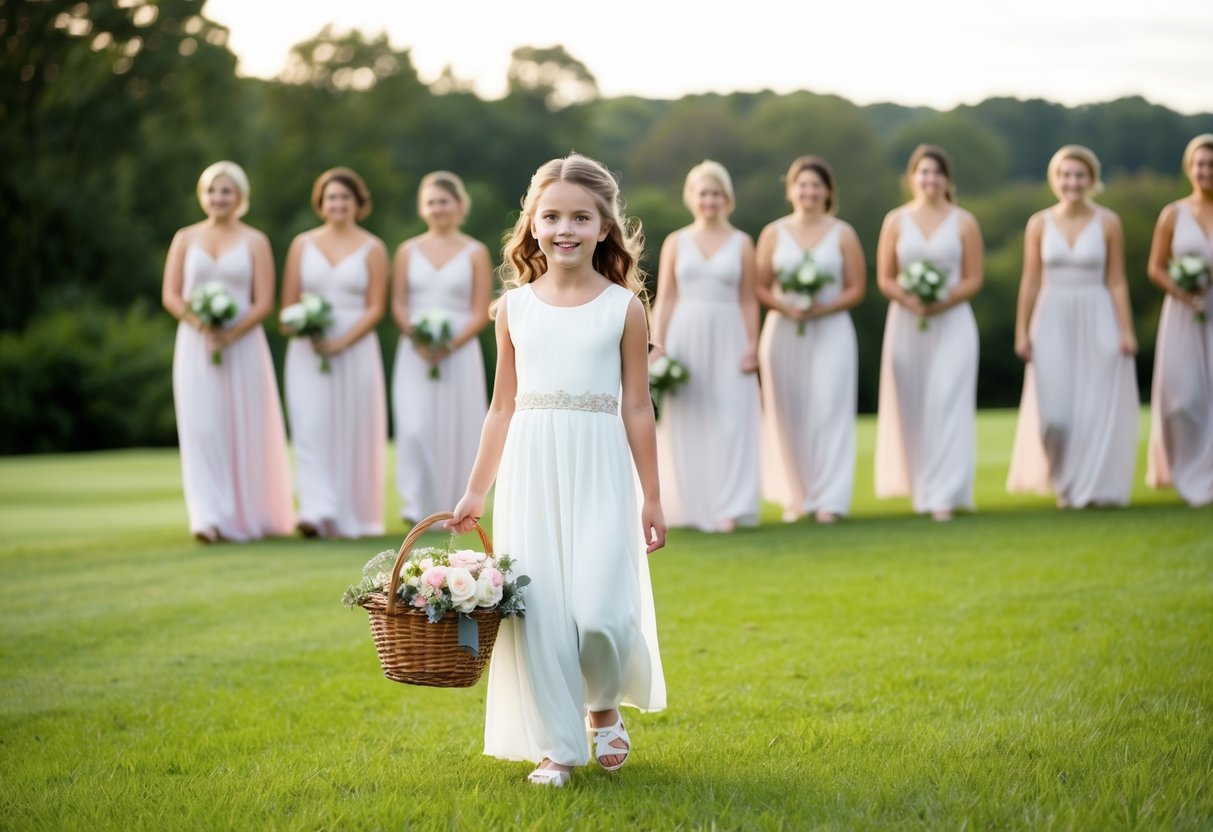
Choosing the right moment for your flower girl can set the tone for your wedding processional. Many couples like to keep things traditional, as having the bridesmaids walk first allows the flower girl to shine as she makes her way down the aisle. However, if you have a special vision or a shy flower girl, it’s perfectly acceptable to adjust the order to fit your needs.
As you plan this special moment, think about what works best for you and your wedding party. Balancing tradition with personal touches can make your ceremony memorable. Whether you decide to stick with the classic order or mix it up a bit, the most important thing is that it feels right for you.
The Role of the Flower Girl in the Wedding Processional
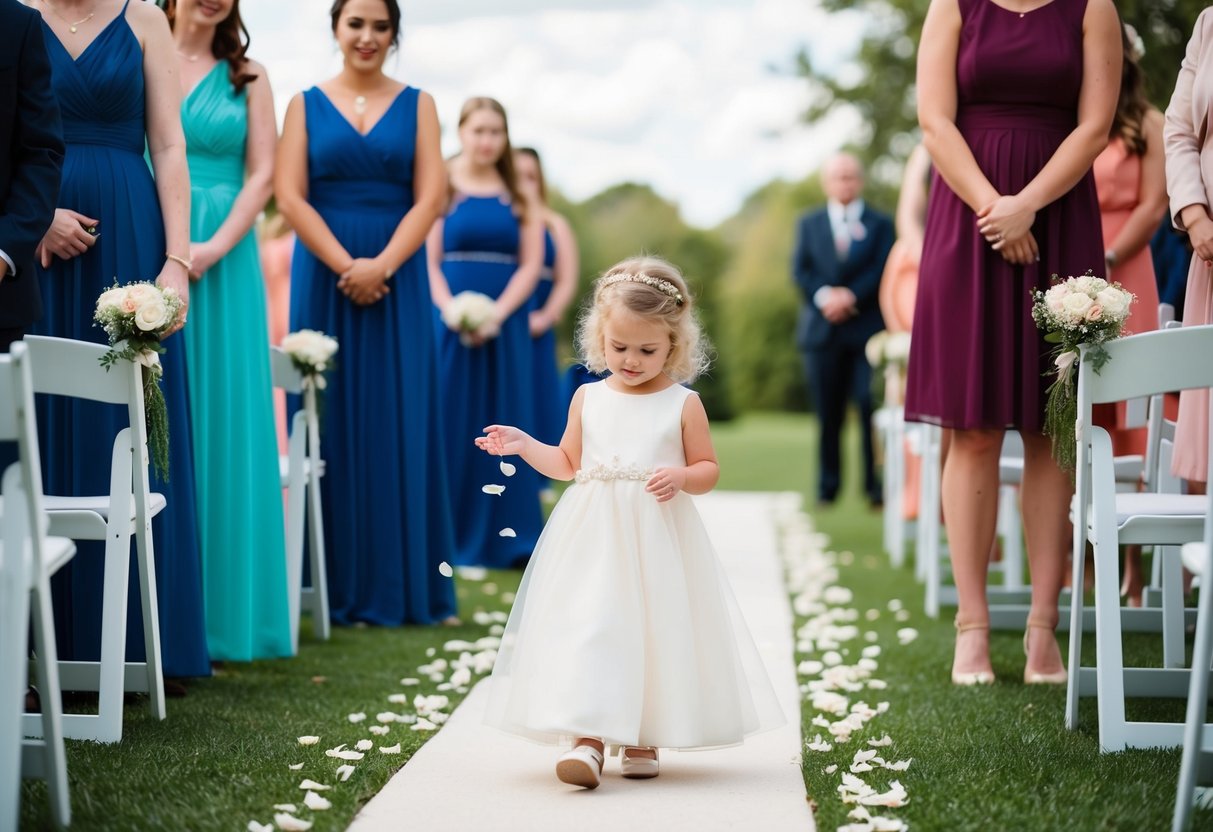
The flower girl has a special role in the wedding processional. Traditionally, she walks down the aisle before the bride, adding a charming touch to the ceremony.
As she walks, the flower girl typically scatters petals, herbs, or even confetti. This act symbolizes beauty and joy, setting a lovely atmosphere for the bride’s entrance.
In many weddings, the flower girl follows the bridesmaids. This arrangement helps create a smooth flow as the wedding party enters. Some couples may choose to have the flower girl go first or even lead the procession.
The flower girl’s attire often matches that of the bridesmaids or the overall wedding theme. This creates a cohesive look for the ceremony and makes her feel included.
Your flower girl can also add a playful element. She may carry a small basket or wear a floral crown, which enhances her role in the celebration.
It’s essential to prepare her for this moment. Practice walking down the aisle helps her feel confident on the big day. You want her to enjoy her special role in the wedding party entrance.
Order of the Wedding Processional Explained
Understanding the order of the wedding processional helps you plan a memorable entrance for everyone involved. This section highlights traditional processes, cultural variations, and tips for customizing the order to fit your unique celebration.
Traditional Processional Order
In a typical wedding processional, specific roles have a designated order. Traditionally, the procession begins with ushers, followed by grandparents. Next, the groom’s party, including groomsmen and the best man, enters. The bridesmaids follow, often walking in pairs.
After the bridal party, the flower girl and ring bearer walk down the aisle, often scattering petals or carrying wedding rings. Finally, the bride makes her entrance, usually escorted by her father. In Christian ceremonies, this order is commonly observed, while variations exist in other traditions.
Cultural Variations in Wedding Processionals
Different cultures have unique approaches to the wedding processional. For example, in Jewish weddings, the groom may enter under a chuppah, followed by the bridal party and the bride escorted by both parents. Hindu weddings often feature the baraat, a lively procession where the groom arrives on a decorated horse, while the bride enters with her family.
In nondenominational ceremonies, couples may choose a mix of traditions or personalize the order further. Understanding these cultural differences can help you tailor your wedding to reflect your values and celebrate family heritage.
Customizing the Processional
You have the freedom to customize your wedding processional order to fit your vision. While traditional orders provide a guideline, it’s okay to modify them based on preferences. For example, some couples may wish for the flower girl to walk before the bridesmaids or include additional family members in special roles.
You can also involve the mother of the bride and other loved ones in creative ways. Discuss these plans with your officiant to ensure everyone is on the same page. This flexibility allows you to create a processional that feels personal and meaningful to you.
Coordinating the Wedding Party for a Smooth Ceremony
Coordinating your wedding party is key to a seamless ceremony. Proper preparation ensures every participant knows their role and timing, from the flower girl to the ring bearer. Here’s what you need to consider during this important phase.
Rehearsing the Processional
A rehearsal is essential for a smooth processional. Gather your wedding party to walk through the order of the ceremony. Let everyone know when to step out and where to go. A clear understanding of your roles helps everyone feel comfortable and confident.
Pay special attention to the timing for the flower girl and ring bearer. Traditionally, the flower girl walks right before the bride. Make sure she knows her cues. Encourage her to practice scattering petals gracefully.
You might consider having a designated person guide them during the rehearsal. This could be a bridesmaid or groomsman who can support the kids and help them feel more at ease in front of the guests.
The Duties of the Flower Girl and Ring Bearer
The flower girl has charming duties that add beauty to your ceremony. She typically walks down the aisle before the bride, scattering petals as she goes. It’s a sweet moment that sets a lovely tone for the ceremony.
The ring bearer carries your rings on a pillow, also before the bride. His job is equally important. Make sure he understands the weight of this responsibility and practices holding the rings securely.
Both children should feel included in the pre-wedding events. Being part of the rehearsal dinner can help them bond with the bridal party. You can share the excitement of your wedding while making these young ones comfortable.