
Does a Wedding Planner Do Everything for You? A Guide to Their Role and Services
When you think about planning your wedding, you might wonder, “Can a wedding planner handle many tasks, but they won’t do everything for you?” Hiring a wedding planner can take the stress out of the wedding planning process by managing many details and helping you stay organized. They can help with vendor selection, budget management, and timeline creation, making the event planning experience much smoother.
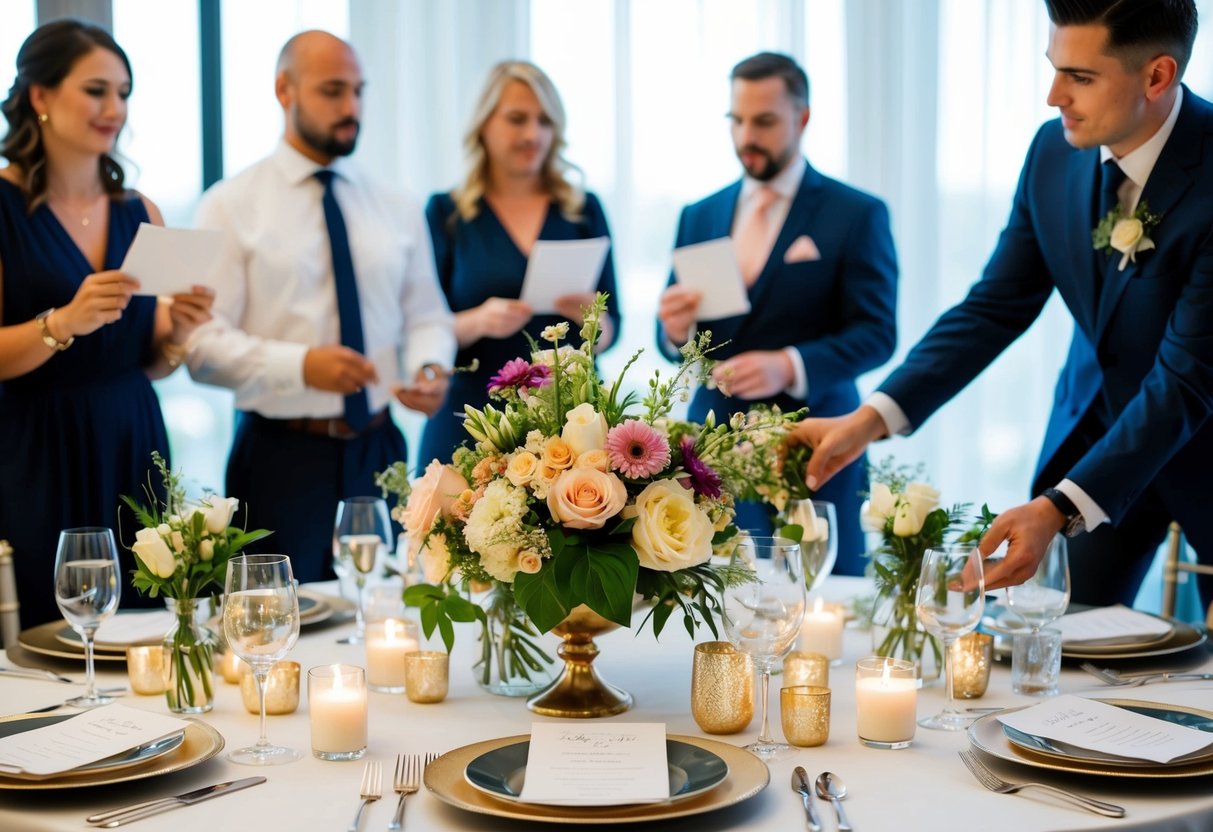
By choosing to work with a wedding planner, you gain a partner who understands the ins and outs of the industry. While they can take care of numerous tasks, such as coordinating with vendors and managing logistics, it’s essential to remember that your input is crucial. You’ll still be involved in key decisions, ensuring your big day reflects your vision and style.
Ultimately, a wedding planner is there to support you and make your planning journey easier. They can save you time and help avoid common pitfalls, but you will still play an active role in the planning process. This partnership can lead to a beautifully organized celebration that you and your guests will cherish.
The Role of a Wedding Planner
When planning a wedding, you might wonder just how much help a wedding planner provides. Their role can vary greatly depending on your needs and the type of service you choose. Understanding these details can help you make the best choice for your big day.
Understanding Wedding Planner Duties
A wedding planner has many important duties. They can help with every part of the planning process, ensuring everything runs smoothly.
From selecting the venue to creating timelines, they handle the details that can be overwhelming for you.
Their responsibilities often include budgeting, vendor coordination, and style selection. For example, a planner can suggest trusted vendors for catering, flowers, and photography. This saves you time and can lead to better deals.
Some planners also help you with guest lists and seating charts. They can even assist in creating a wedding day timeline, so you know what to expect. With their guidance, you can enjoy the process and feel less stressed.
Comparing Full-Service and Day-Of Coordination
There are two main types of wedding planning: full-service and day-of coordination. Choosing the right one depends on how involved you want to be.
A full-service wedding planner manages every aspect of your wedding. They work with you from the start to the finish, managing the planning process and making decisions based on your style and budget.
In contrast, a day-of coordinator focuses primarily on the event day itself. They ensure that all the details you’ve planned come together smoothly. This option is ideal if you’ve done most of the planning yourself but want help on the big day to keep things organized.
Both options offer valuable assistance, but your choice will affect how much support you receive leading up to your wedding.
Crucial Aspects of Wedding Planning
Planning a wedding involves several key components that can make or break your big day. You’ll need to manage your budget wisely, choose the perfect venue, and design a cohesive look for your wedding.
Each of these aspects plays a crucial role in ensuring a smooth and memorable event.
Budgeting and Financial Management
The first step in your wedding planning is creating a solid budget. Decide how much you can afford to spend overall and break it down into categories like venue, food, and decor. This helps you see where your money goes.
Consider using a spreadsheet to track your wedding finances. Include estimated costs and actual expenses for each aspect. Be sure to account for extra expenses, like tips for vendors.
Having a financial manager or planner can also be helpful. They can negotiate with vendors and find you deals within the wedding industry. Staying on top of your budget ensures you can enjoy your day without stress.
Venue and Vendor Selection
Selecting the right venue is critical. Look for a location that fits your wedding style and guest count. Visit multiple places to compare what each offers.
When it comes to vendors, choose those who align with your vision. Consider hiring professionals like photographers, caterers, and florists who have good reviews. Ask for recommendations from your wedding planner or friends for reliable services.
Make a list of questions to ask potential vendors. This helps you understand their pricing and packages. Make sure to read contracts carefully before signing. A good venue and trusted vendors set the tone for a successful wedding day.
Designing the Wedding Vision
Creating a design and decor plan is where your creativity shines. Start by choosing a color palette and theme that reflects your personality as a couple. This will guide your choices for flowers, table settings, and invitations.
Consider hiring a wedding designer if this feels overwhelming. They can help bring your vision to life while managing logistics. You’ll want to think about how all elements work together—from the ceremony to the reception.
Don’t forget about lighting and ambiance. These factors can greatly enhance the overall feel of your wedding. As you plan, focus on the details that make your day uniquely yours.
Key Wedding Events and Details
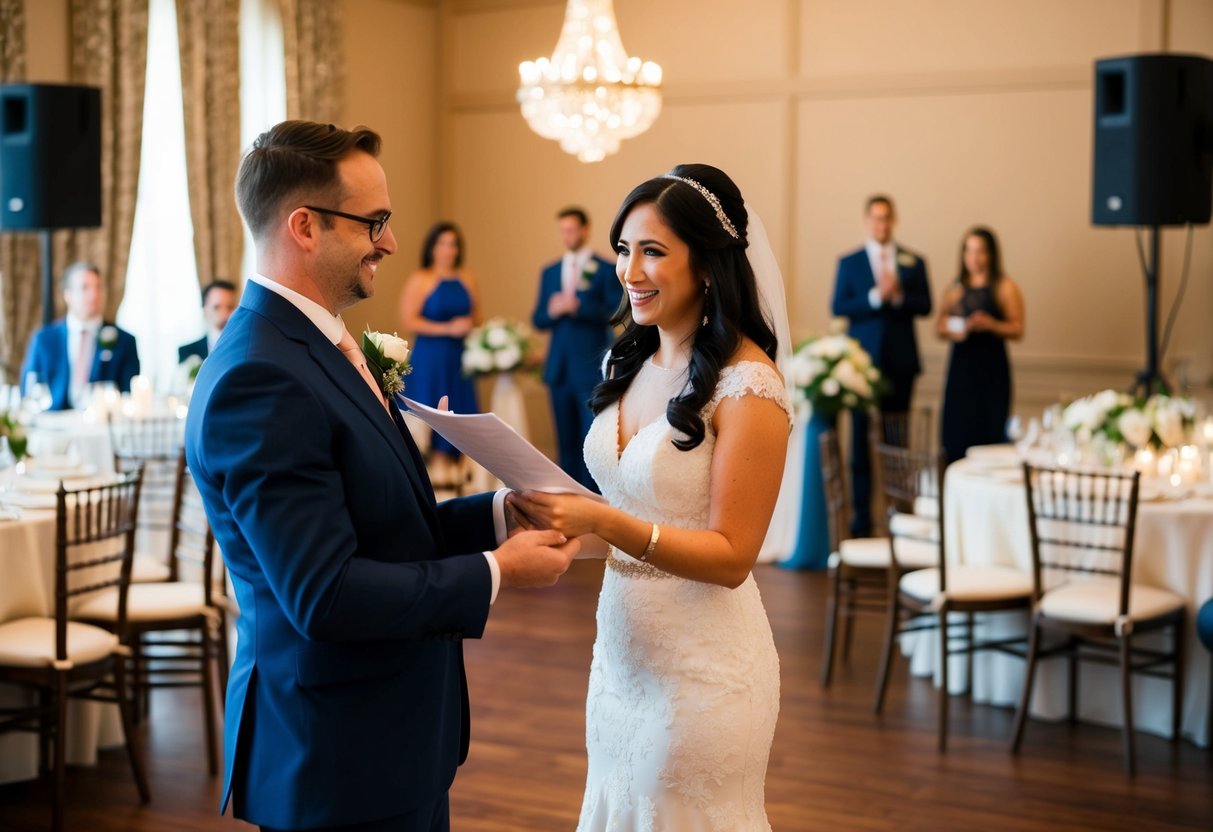
As you plan your wedding, there are a few key events and details that a wedding planner focuses on. These elements help ensure your special day goes smoothly and is memorable for both you and your guests.
Preparing for the Ceremony and Reception
Your wedding planner will help you organize both the ceremony and the reception, making sure every detail is in place. They will work closely with your venue to ensure seating is arranged, decorations are set up, and audio equipment is functional.
This includes coordinating with vendors for flowers, catering, and music. You’ll also need to discuss the order of events, such as who will walk down the aisle first and how the reception will flow.
Finalizing the Guest List and Seating Chart
Creating and finalizing your guest list can be a task. Your planner steps in here by helping you keep track of RSVPs and ensuring no one is missed. They can offer advice on who to invite based on your budget and venue capacity.
Once you have the guest list, the planner will create a seating chart. This helps to avoid any awkward situations during dinner. They can also assist you in adjusting seating arrangements to keep family dynamics in mind.
Overseeing the Wedding Rehearsal and Day Timeline
A wedding rehearsal is key to a smooth ceremony. Your planner will coordinate this event, guiding you and your bridal party through the day’s events.
On the wedding day, they will manage the timeline, ensuring everything runs according to plan. This includes when you arrive at the venue, when to start the ceremony, and how long to spend on key moments like speeches and dances.
Having an organized timeline ensures you can enjoy your day without stress.