
Does a Woman Buy a Man’s Wedding Ring? Exploring Modern Engagement Trends
When it comes to wedding rings, many people wonder about the roles couples play in choosing them. Traditionally, the man buys the engagement ring for the woman. However, the choice of who buys the man’s wedding ring can vary widely among couples today. Societal norms are shifting, and many couples are embracing more modern approaches that reflect their unique relationship.
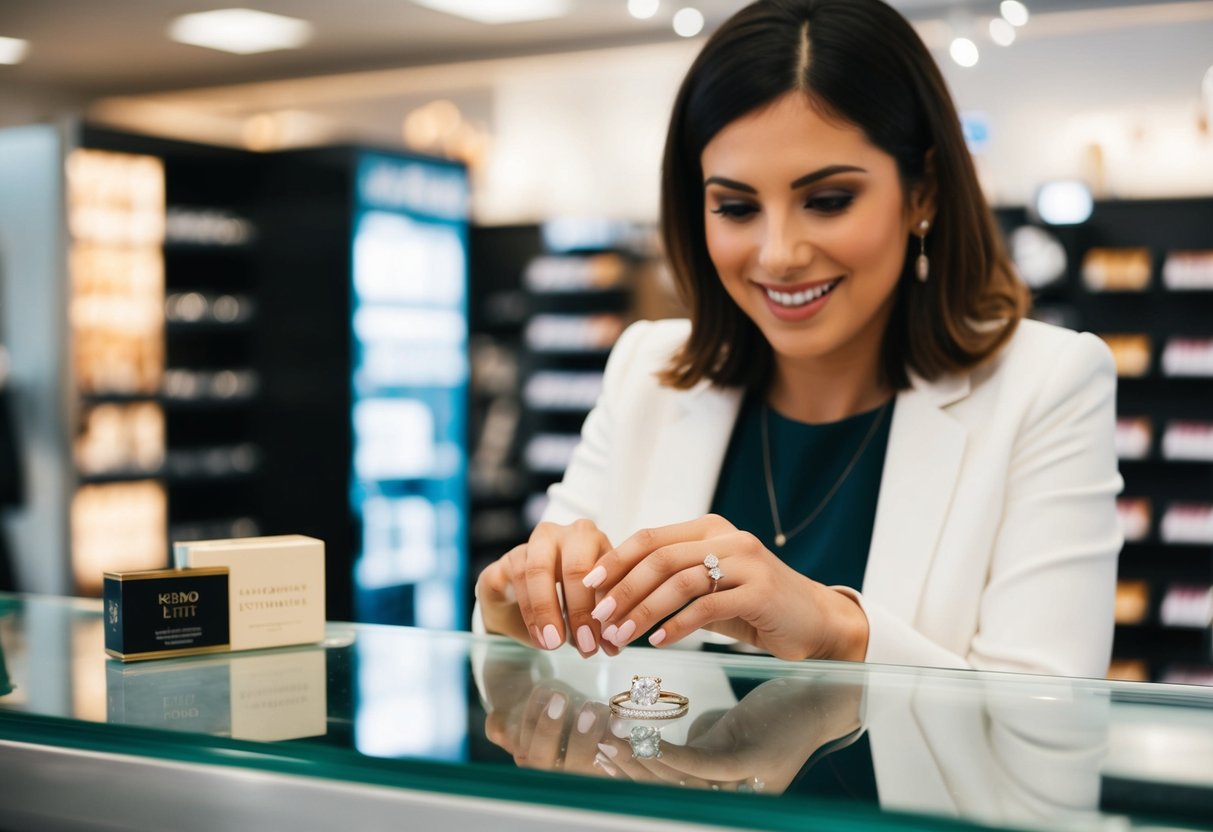
You might be surprised to learn that some women choose to buy their partner’s wedding band. This change challenges old gender roles and invites couples to discuss their preferences openly. By breaking away from tradition, you can create a meaningful experience for both of you, making the selection of rings a shared decision.
Exploring this topic allows you to understand how wedding traditions are evolving. Whether you follow conventional customs or seek a more personal approach, it’s all about what feels right for you and your partner. So, let’s dive into the different ways couples can navigate this important choice, emphasizing communication and shared responsibility.
Understanding Wedding Ring Traditions and Modern Shifts
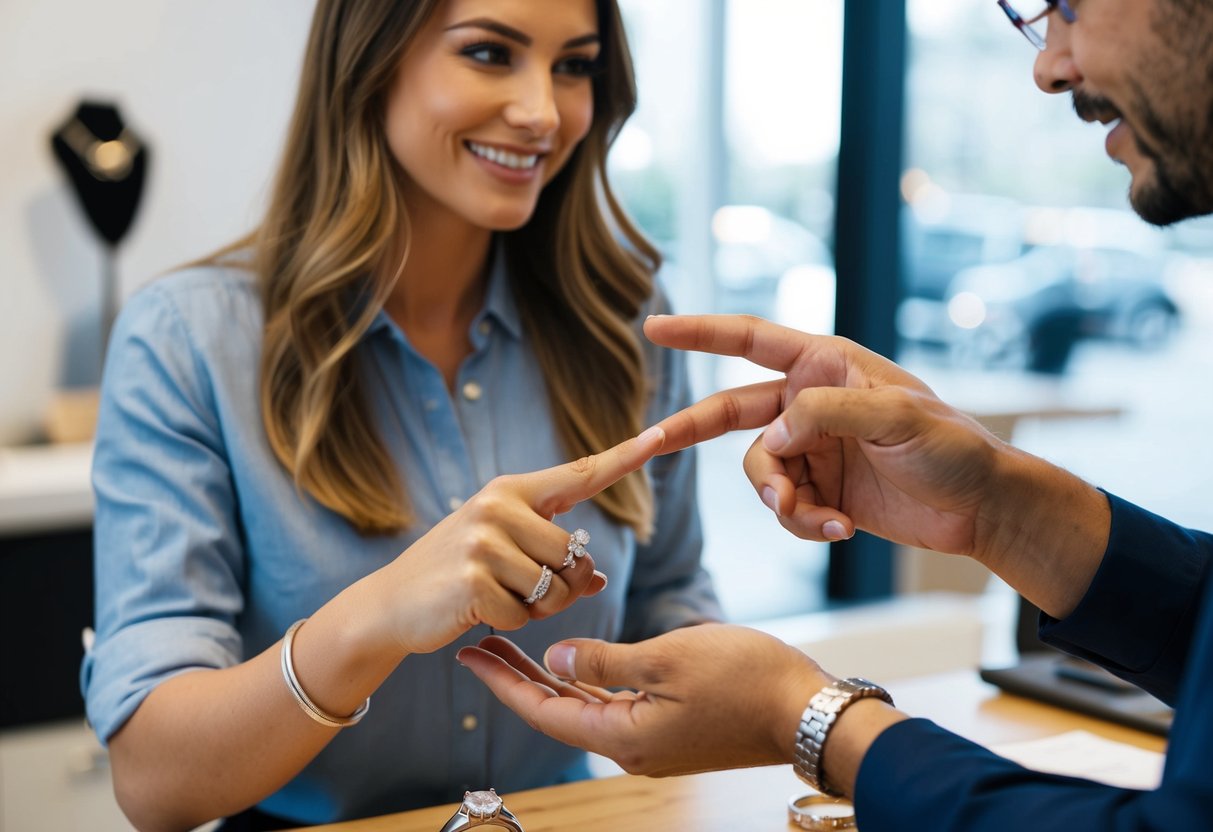
Wedding ring traditions have changed over time, especially concerning who buys the rings. This shift reflects evolving gender roles and societal norms in modern relationships, highlighting the importance of equality.
Historical Perspective on Ring Buying
Traditionally, in many cultures, men would buy engagement rings for women. This practice centered around the idea that the man was the provider. The woman would typically receive a ring to symbolize the man’s commitment and financial stability.
Wedding bands often followed this pattern, with less emphasis on the man’s ring. Some cultures did give men a ring, but it was not always common. These customs reflected societal norms where men held primary decision-making power in relationships.
Changes in Modern Wedding Practices
In recent years, the trend has shifted. Now, many women choose to buy their man’s wedding ring, which signifies changing views on gender roles. This change promotes equality in relationships and reflects a shared commitment.
According to some studies, about 30% of women purchase their partner’s wedding ring. Modern couples often discuss these decisions together, shifting from traditional practices to a more collaborative approach. This change allows couples to express their unique styles and values in their wedding choices.
Deciding Who Buys the Groom’s Ring
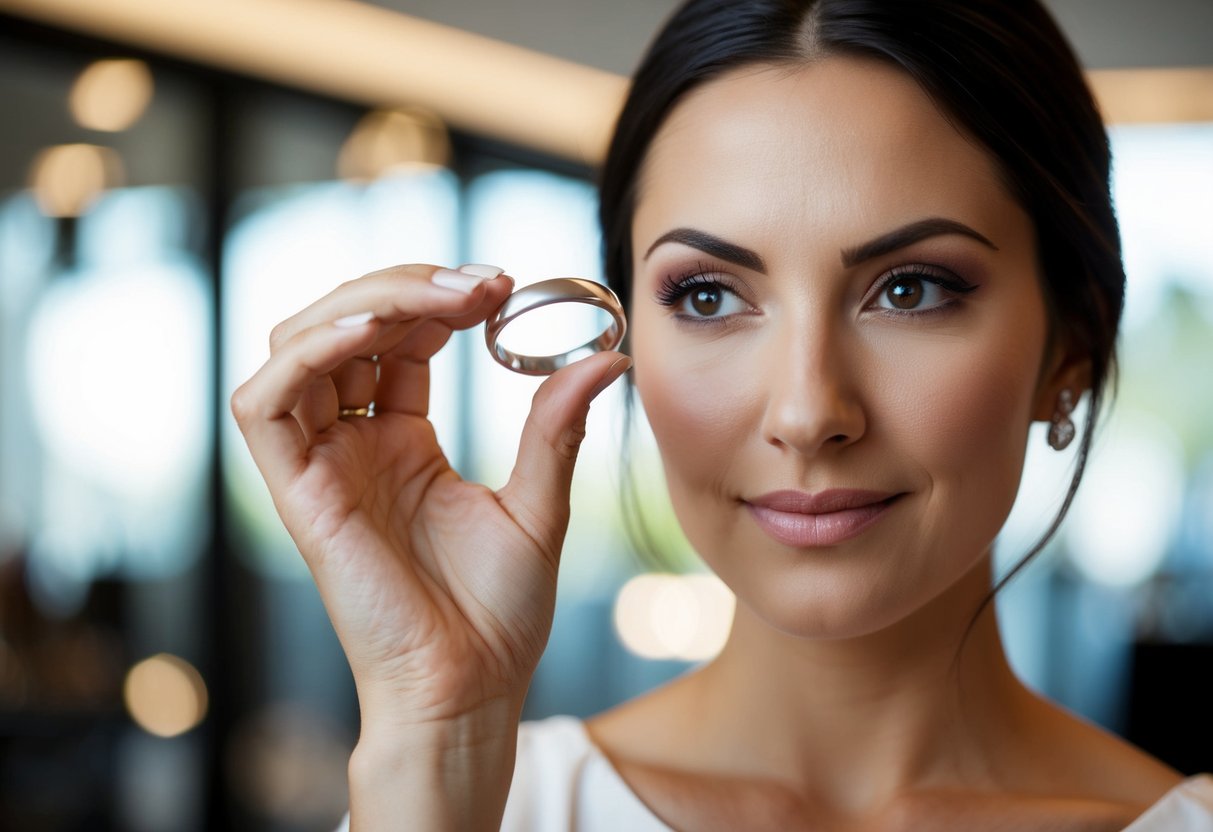
Choosing who buys the groom’s wedding ring can be a meaningful decision tied to your specific values and preferences. This decision often reflects your partnership and financial responsibilities.
Factors Influencing the Decision
When deciding who buys the groom’s ring, consider several factors. Financial situation can play a big role. If one partner has more disposable income, it may make sense for them to buy the ring.
Another important aspect is your shared commitment to the relationship. Some couples prefer to buy rings together to symbolize their partnership.
Think about your personal preferences as well. Discuss the styles you both like, as it can guide the decision-making process.
Cultural traditions might also influence your choice. In some cultures, it’s common for the groom to buy both rings, while in others, couples share the cost. Weighing these elements can help you make the best choice for your relationship.
Communication Between Partners
Open communication is crucial when deciding who buys the groom’s ring. Discuss your thoughts, values, and feelings openly. This conversation can strengthen your bond and ensure you are both on the same page.
Talk about what the ring means to you. For many, the wedding ring represents commitment and love. Understanding this meaning can help shape your decision.
Consider the idea of joint ownership as well. Some couples feel that purchasing the rings together symbolizes equality in the relationship.
Make sure to address any concerns about financial responsibility too. Whether it’s splitting costs or one person taking on the entire burden, clarity benefits your partnership.
Types of Men’s Wedding Rings and Associated Costs
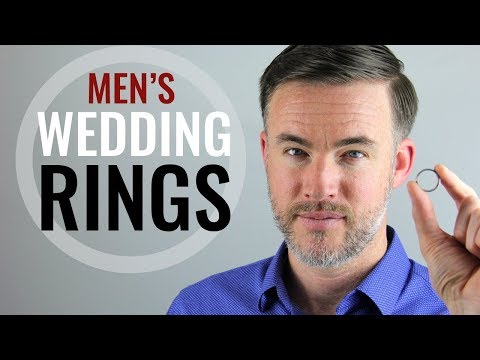
When choosing a wedding ring, you will encounter different materials, styles, and price ranges. Each option carries its own significance and cost, allowing you to find the perfect symbol for your commitment.
Material Choices and Their Meanings
Your choice of material for a wedding ring often reflects personal style and deeper meanings. Here are some popular options:
- Gold: Traditional and timeless, gold can be yellow, white, or rose. Its value and warmth make it a favorite choice.
- Platinum: Known for its durability and rarity, platinum is a premium choice. It symbolizes strength and purity but comes at a higher price point.
- Titanium: Lightweight and exceptionally strong, titanium is becoming a popular modern choice. It’s also more budget-friendly than precious metals.
- Tungsten: This metal is known for its scratch-resistance and weight. Tungsten rings are durable and often more affordable.
- Palladium: Similar to platinum, palladium is lightweight and hypoallergenic. It carries the same elegance but typically costs less.
- Stainless Steel: A practical and affordable option, stainless steel offers a sleek look without the high cost.
Consider how each material’s meaning aligns with your relationship as you make your choice.
Budgeting for the Wedding Bands
Financial considerations play a vital role in purchasing wedding rings. You need to think about your budget for the bands.
The prices for men’s wedding rings can vary significantly based on materials and designs. Here are some average costs for reference:
- Gold: Between $500 and $2,500.
- Platinum: Ranges from $1,000 to $3,000.
- Titanium: Typically costs between $200 and $600.
- Tungsten: Can be found from $200 to $800.
- Palladium: Usually ranges from $800 to $2,500.
- Stainless Steel: Often prices between $50 and $300.
When budgeting, consider other wedding expenses and prioritize what feels right for you. Visiting a jewelry store can help you explore all options within your price range.
Navigating Engagement and Wedding Ring Etiquette

Engagement and wedding ring etiquette can feel complex, but focusing on the right elements makes it manageable. Understanding the symbolism in ring exchanges and aligning ring choices with personal values will help you navigate this important milestone in your life.
The Symbolism of Ring Exchange
The exchange of rings is a meaningful act. It represents commitment and unity between partners. When you give or receive an engagement ring or wedding band, you’re creating a bond that symbolizes love and future togetherness.
Traditionally, the engagement ring is often chosen by the groom to propose. However, some couples now opt for matching rings or even the bride purchasing the groom’s wedding ring. This modern approach reflects a shift towards equality and shared decisions in relationships.
Choosing rings that resonate with both of your values adds sentimental value and strengthens the bond. You decide what symbols work best for your relationship’s unique journey.
Alignment with Personal Values
Your choice of rings should reflect your beliefs and circumstances. For instance, if you both prioritize budget, discuss wedding expenses. Then, decide on rings that align with your individual incomes. This can prevent stress later on.
Whether you prefer traditional choices or wish to explore unconventional designs, it’s essential to maintain autonomy. Talk openly about preferences. If a woman decides to buy the man’s wedding ring, it can signify their partnership and values.
Consider personalized elements, like engraving your initials, to make rings uniquely yours. Ultimately, the goal is to choose rings that resonate with both of you, reflecting your commitment and love.