
Does Bride Mean Wife? Understanding the Terms and Their Significance
When preparing for a wedding, you might find yourself wondering if the term “bride” means the same as “wife.” The answer is that while all brides are women about to be married, not all brides are wives until they say “I do.” This distinction is important, especially during those memorable moments leading up to the big day.
Understanding the difference between these terms can help clarify your role and expectations on your wedding day.
As you navigate this exciting time, knowing what it means to be a bride versus a wife can add depth to your experience. It highlights the transformation that occurs once the vows are exchanged and the celebrations begin.
Throughout this article, we’ll explore the meanings and cultural significance of these terms. You’ll discover how the roles of bride and wife have evolved and what they represent in today’s society, making your wedding journey even more meaningful.
Etymology and Definition of Bride
The term “bride” has its roots in several historical contexts that shape its meaning today. Understanding these origins can help clarify whether “bride” can also mean “wife.”
Historical Origins
The word “bride” comes from the Old English term bryde, which means a woman who is betrothed or newly married. This word traces back to Proto-Germanic bruthiz, which means “woman being married.”
Variants of the word appeared in other Germanic languages, like bruid in Dutch and Braut in German. In some contexts, the Gothic word bruþs referred to a daughter-in-law. This historical use highlights a broader understanding of marriage roles. The original meaning mostly centered on the woman during the wedding process and shortly after, indicating a temporary status before she became a wife.
Modern Usage
In today’s language, “bride” typically refers to a woman who is about to be married or one who has just married. In both British and American English, this term is widely understood among different cultures.
A bride-to-be is often involved in many wedding plans and preparations, symbolizing the transition from maiden to a married woman.
Modern customs, such as weddings, often include roles like bridesmaids and a best man. These roles emphasize the bride’s special place on her wedding day. Even though “bride” captures that moment in time, it does not fully encompass all aspects of being a wife, as the duties and identity can evolve beyond the wedding ceremony.
Cultural Significance and Practices
Marriage and wedding traditions hold deep meaning across various cultures. These practices often showcase the unique customs surrounding the bride and her transition into married life. Key elements include wedding attire and symbolic rituals that mark this important moment.
Wedding Traditions Across Cultures
Weddings vary greatly between cultures, reflecting unique customs and beliefs.
In many Western cultures, you might notice a white wedding dress, popularized by Queen Victoria in the 19th century. This dress symbolizes purity and new beginnings.
In Asian cultures, rituals can include elaborate ceremonies with traditional attire, like the red dress worn by brides in Chinese weddings, symbolizing luck and prosperity. You may also see bridal wreaths made of flowers, which represent fertility and are worn during the ceremony.
Many cultures also involve various ceremonial practices like the throwing of a bouquet or the ringing of bride bells, which can signify joy and good fortune for the couple. Understanding these traditions can enhance your appreciation of this significant occasion.
Symbols and Attire
Symbols in weddings often communicate important messages. For instance, the veil a bride wears can represent modesty or purity. This tradition has deep historical roots and remains significant today.
Wedding attire goes beyond the dress. Accessories such as bouquets and bridal wreaths play a crucial role in the overall look.
In many cultures, a bride carries a bouquet to symbolize fertility and new life. Additionally, the bride-cup, used in some ceremonies, represents the couple’s union and shared future. Each piece of attire and symbolism contributes to the rich tapestry of wedding customs that celebrate love and commitment.
Marriage and Relationship Dynamics
In marriage, understanding the dynamics between partners is key. You may find that titles and roles shift as your relationship evolves. This includes the transition from being a fiancée to a wife and how roles and expectations play a part in your journey.
From Fiancée to Wife
Making the transition from fiancée to wife can feel significant. As you prepare for the wedding, it’s important to recognize that this change often brings new responsibilities and expectations.
- You may take on more decisions about your home and family.
- Your relationship with your fiancé may deepen as you share a marital bond.
For many, becoming a wife also means navigating the roles within your family. You might have new titles like daughter-in-law, which can also influence how you interact with your spouse’s family.
This shift can be exciting but may also require adjustments. Embracing these changes helps strengthen your connection with your partner.
Roles and Expectations
In your marriage, roles can shift based on personal beliefs and societal expectations. Modern marriages often challenge traditional gender roles.
Think about what these roles mean for you and your spouse. Here are some common aspects to consider:
- Shared Responsibilities: Both partners may share duties around the house and in raising children.
- Emotional Support: Marriage often requires you to provide and receive emotional strength.
As a newlywed, communication is vital. Discussing your needs and expectations can help you avoid misunderstandings. It’s crucial to support each other while navigating these new roles.
Social and Legal Implications of Marriage
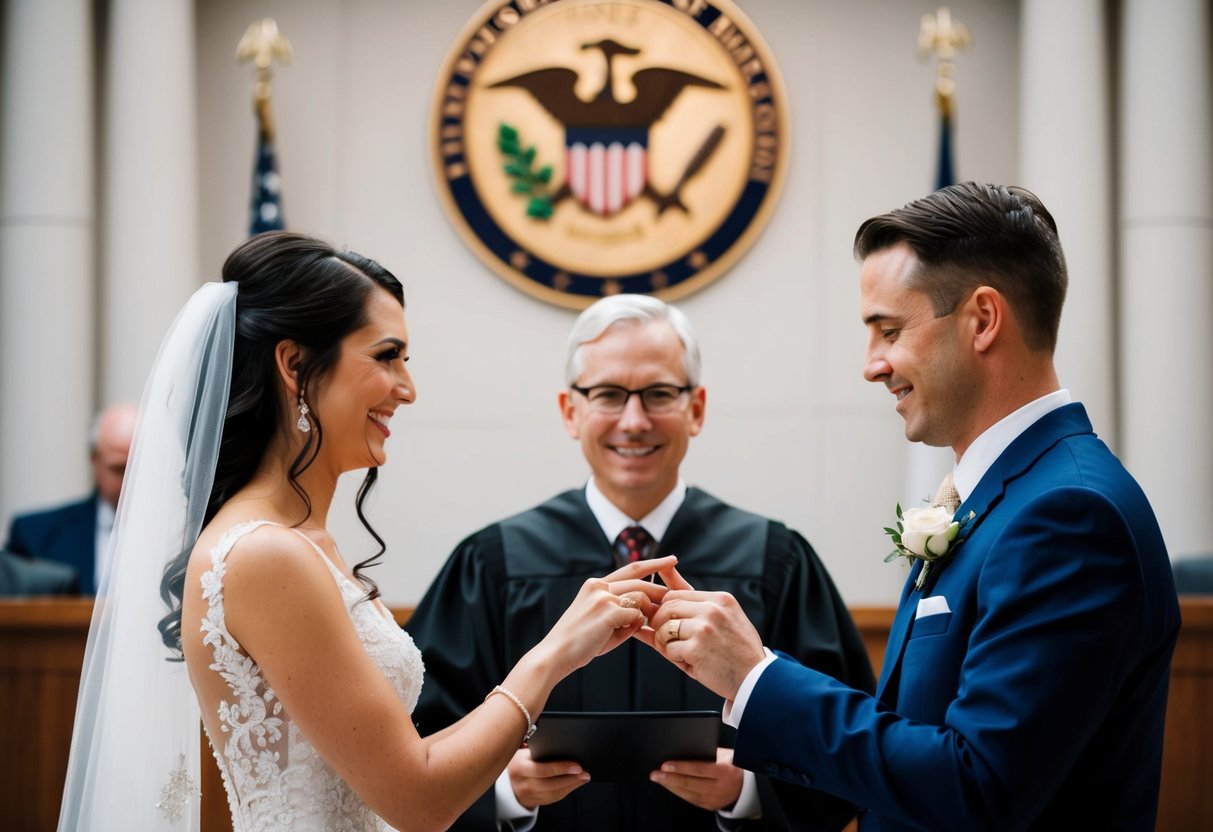
Marriage is more than just a personal commitment; it comes with significant social and legal implications. Understanding these aspects helps clarify the roles of individuals, such as brides and grooms, within the marriage contract.
Marriage Ceremonies and Law
Marriage ceremonies vary greatly around the world. They often involve rituals that celebrate the union of two people. This day is special, marking a new chapter in your life. Often, bridesmaids support the bride, adding joy and vibrancy to the wedding day.
Legally, marriage confers rights, such as tax benefits and inheritance. For instance, spouses can make medical decisions for each other.
In some cultures, a “war bride” refers to women who marry soldiers, highlighting historical contexts. Legally, this transforms their status, giving them rights and protections.
Changing Views on Marriage
Society’s views on marriage have evolved. Today, same-sex marriage is recognized, reflecting broader acceptance of diverse relationships. This change means that all couples now have access to the same legal rights. These rights include issues like adoption and inheritance.
Commitment now looks different than in past generations. Many people are prioritizing partnerships without traditional marriage. The term “bridesmaid” also adapts, with friends and families playing essential roles in modern ceremonies. Understanding these shifts helps you navigate the nuances of marriage today.