
Does the Bride and Groom Pay for Everything? Understanding Wedding Expenses and Traditions
When planning a wedding, you might wonder, “Does the bride and groom pay for everything?” Traditionally, the bride’s family took on most of the expenses, while the groom’s family helped with certain costs. This practice has changed over time, and now many couples share the financial burden or even cover expenses together.
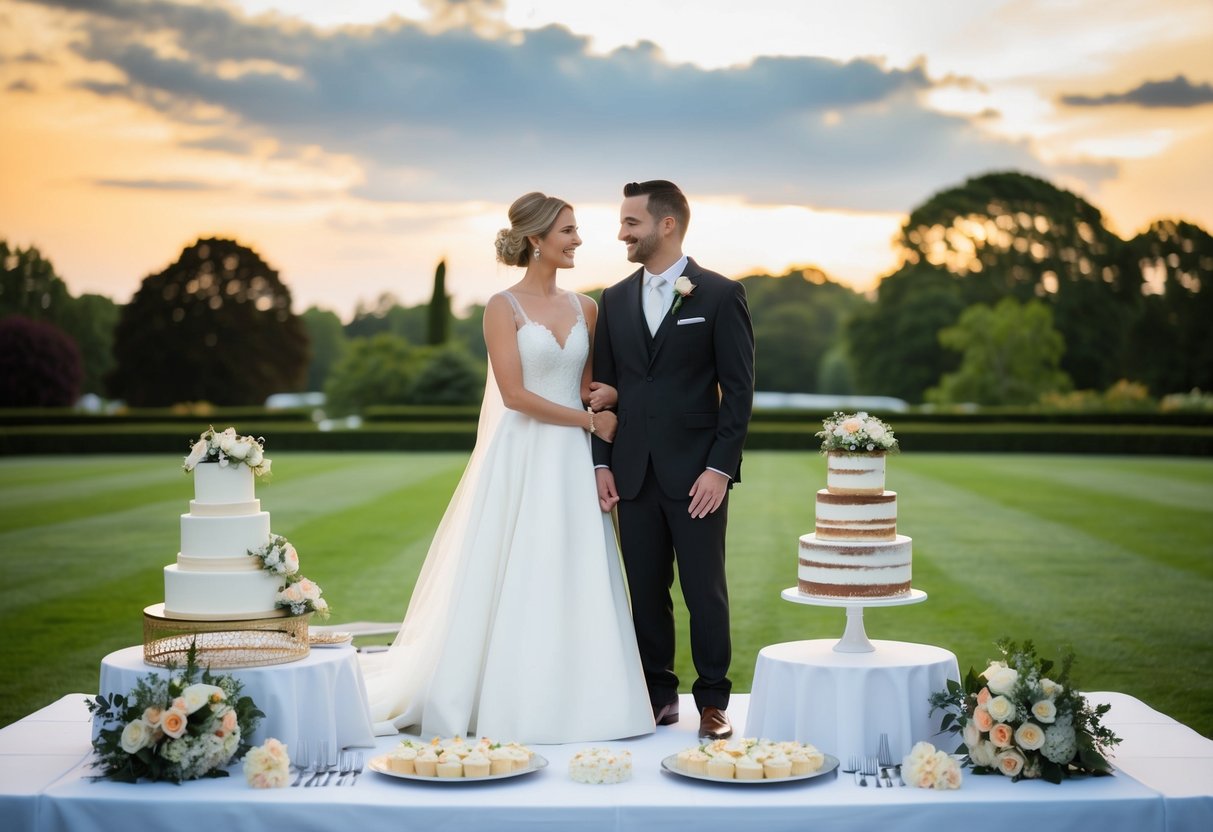
Understanding who pays for what can simplify your wedding planning process. In many cases, the bride and her family cover costs like the venue and catering. Meanwhile, the groom and his family take care of the honeymoon and some reception costs. Knowing these norms can help guide your discussions with family and loved ones about financial contributions.
As you navigate wedding etiquette, remember that each couple’s situation is unique. You should feel free to adapt traditions to fit your needs. Balancing these financial responsibilities can lead to a more relaxed planning experience.
Understanding Wedding Financial Responsibilities
Weddings can be exciting, but they also come with many financial responsibilities. Knowing who pays for what can help you plan better and reduce stress. Here’s a look at the roles of both families and how you can share expenses effectively.
Role of the Bride’s Family
Traditionally, the bride’s family has been responsible for many of the wedding costs. This often includes the wedding ceremony, reception, and sometimes the bridal gown. They may also pay for the wedding venue and catering. In addition, the bride’s family is usually responsible for the engagement party.
In some cultures, a dowry might be part of the financial arrangement as well. This is a payment made to the groom’s family, which can influence how costs are divided. Understanding these traditional roles can clarify your planning process and set expectations for everyone involved.
Role of the Groom’s Family
The groom’s family also plays an important part in wedding expenses. Traditionally, they cover costs like the rehearsal dinner and often the honeymoon. You might find that the groom himself pays for the bride’s ring and sometimes other smaller expenses related to the wedding.
These financial responsibilities can vary based on family traditions and personal preferences. If both families communicate openly about their contributions, it can help ensure a smoother planning process.
How Couples Can Share Expenses
Many modern couples choose to share wedding costs more equally. This approach can make the planning process feel more collaborative. Discuss what expenses you both feel comfortable covering.
You might consider creating a budget that lists all the expenses and who will pay for each item. It’s essential to have open discussions about finances early on. This way, you can plan for other expenses, like a honeymoon or home improvements after the wedding. Sharing responsibilities can help you both feel equally invested in the day.
Budgeting for the Big Day
Planning your wedding involves determining how much you can spend and where that money will go. Knowing where to allocate funds can help you manage expenses effectively.
Creating a Wedding Budget
Start by deciding how much you can afford to spend on your wedding. This total should include all aspects, from the venue to the food.
Make a list of all expected costs, including the marriage license, engagement ring, wedding rings, and wedding attire. A simple way to visualize this is to create a spreadsheet.
Consider setting aside funds for each category. This helps you stay organized and stick to your plan. Keep in mind that costs can vary widely based on choices you make.
Allocating Funds for Key Wedding Elements
Identify the major elements of your wedding and allocate funds accordingly. Typical categories include:
- Venue costs: This often takes the largest chunk of your budget.
- Catering and reception expenses: Food and drinks are essential, so plan for these.
- Wedding gown and attire: Don’t forget about grooming for the groom and bridal party.
- Decor and flowers: Allocate a reasonable amount for aesthetics.
Be honest about your priorities. Are you more focused on the reception atmosphere or the quality of your food? Make choices based on what matters most to you and your partner.
Managing Unexpected Costs
Unexpected expenses can arise, so it’s wise to have a contingency plan. Set aside at least 10-15% of your overall budget for surprises.
Common surprises may include extra guests, changes in venue fees, or unplanned decor costs. Having a buffer can ease stress when these situations come up.
Keep track of your spending as you plan by regularly comparing actual costs to your budgeted amounts. If you see you’re spending more in one area, adjust other categories as needed to maintain balance.
Wedding Planning Essentials

Planning a wedding involves many important decisions. You’ll need to think about vendors, whether to hire a wedding planner, and how to decide between DIY and professional services. Each choice impacts your wedding experience and budget.
Choosing the Right Vendors
Selecting the right vendors can make a big difference in your wedding day. Start with key services like photography, videography, catering, and flowers.
- Photography: Look for someone whose style matches your vision. Meet with potential photographers to review their portfolios.
- Videography: Ensure the videographer has experience with your venue and shooting style.
- Catering: Taste testing is essential. Choose a caterer that can accommodate dietary restrictions and offers a menu you love.
- Flowers: Decide if you want natural or artificial arrangements. Consult with florists to align costs with your budget.
Trust your instincts when making selections. Recommendations from your wedding party, including bridesmaids and groomsmen, can be valuable.
Importance of a Wedding Planner
Hiring a wedding planner can ease much of the stress that comes with organizing your big day. They help manage timelines, budgets, and vendor communication.
A planner can offer expert advice on venues, contracts, and negotiation. They often have contacts that can save you money.
Consider their experience with your specific type of wedding. If you have a big vision, a planner can help turn it into reality. They also assist in coordinating your engagement party and rehearsal dinner, ensuring everything runs smoothly.
DIY vs. Professional Services
You might wonder whether to tackle projects yourself or hire professionals. DIY can save money but requires time and skills.
- DIY Décor: Crafting decorations can be fun and personal. Consider involving friends for a creative day.
- Professional Services: Certain aspects, like wedding cakes or flowers, are best left to experts. High-quality services can take the burden off your shoulders.
- Balancing Act: Make a list of what’s most important. For instance, investing in a stunning wedding cake may be worth more than homemade centerpieces.
Evaluate your comfort levels and time constraints. Prioritize areas where you would prefer professional assistance to ensure a joyful experience.
Special Wedding Considerations
Planning your wedding involves many special details that go beyond just the ceremony and reception. From pre-wedding events to post-wedding activities, it’s important to know who typically covers these costs. Here are some key areas to think about when budgeting and making plans.
Deciding on Pre-Wedding Events
Pre-wedding events can be a lot of fun, but they can also add to your expenses. The bridal shower and bachelorette party are common celebrations. Traditionally, the bridal shower is hosted by the mother of the bride or a close friend. Costs typically fall on the host, but as the bride, you might want to chip in.
For the bachelorette party, costs can vary greatly based on what you choose to do. If you decide to go on a trip, discuss splitting costs with your bridesmaids. This way, no one feels burdened. Don’t forget to discuss transportation for guests if you plan to have a large group.
The Reception: More Than Just a Party
The wedding reception involves multiple costs, which can add up quickly. The venue, catering, and alcohol are major expenses. Traditionally, the bride’s family covers the venue and catering, but you might want to discuss sharing these costs with the groom’s family.
Don’t overlook details like the wedding band and guest transportation too. This can include a shuttle for guests or a special getaway car for you and your spouse. Whether you choose a DJ or a live band, make sure to include this in your budget. Also, think about wedding invitations. They set the tone for your big day and can be a significant cost.
Post-Wedding Details
After the wedding, you still need to consider some costs. The honeymoon is often fully covered by the couple. Many couples choose to save up for this special trip. It’s essential to budget carefully, especially if you have large wedding gifts to return.
The honeymoon is often fully covered by the couple. Many couples choose to save up for this special trip. It’s essential to budget carefully, especially if you have large wedding gifts to return.
Additionally, think about thank-you gifts for your groomsmen and bridesmaids. A small token can show appreciation for their support. You also need to consider how to manage wedding gifts received. Some couples find it helpful to create a list to track those who gave gifts and what they received.
By planning ahead and having clear conversations with family, you can manage these special considerations effectively.