
Does the Bride Pay for Her Wedding Dress? Understanding Traditions and Expectations
When planning your wedding, questions about the budget often arise, especially when it comes to your dress. Traditionally, many brides expect their families to help cover the cost of the wedding dress, but this has changed in modern times. Couples today often share these expenses, allowing you more freedom in choosing the style and price that fits your vision.
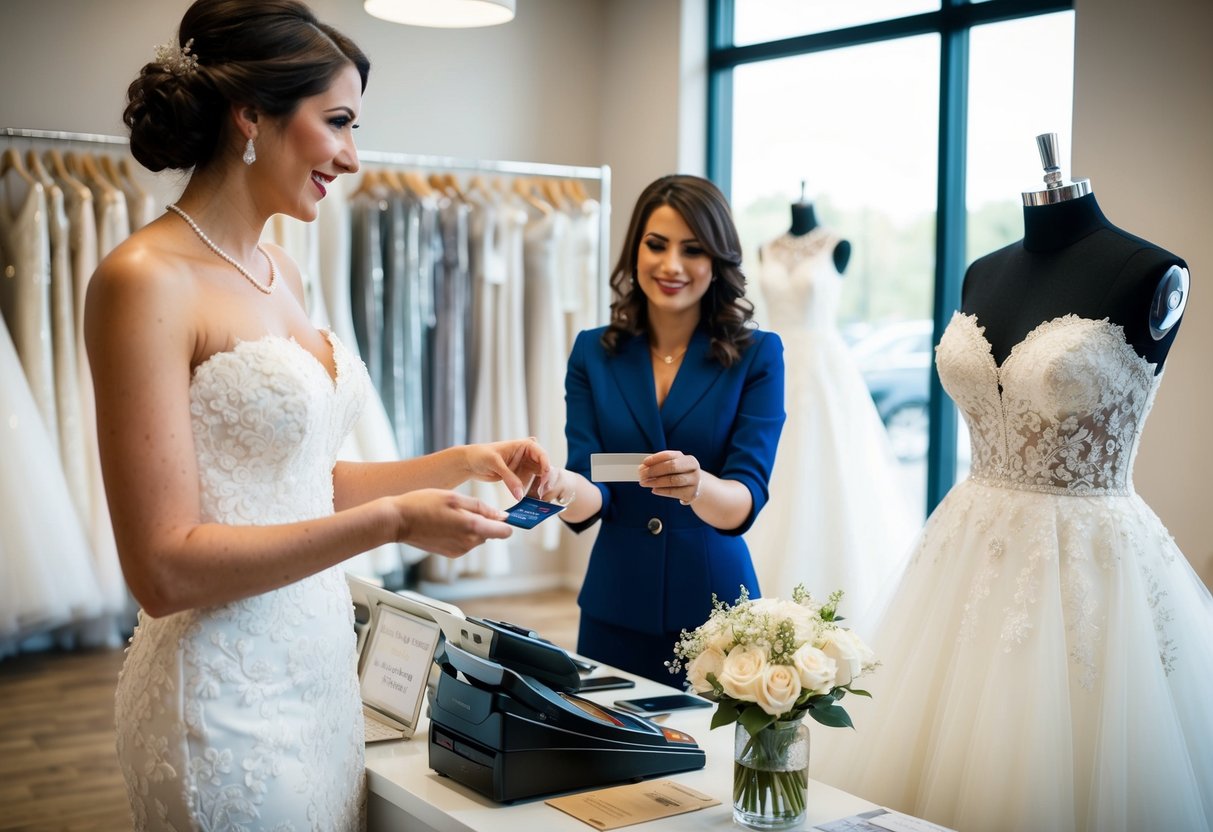
Understanding who pays for the wedding dress can help you manage your wedding budget more effectively. While some brides prefer to take on the full cost themselves, it’s still common for family members, particularly parents, to contribute. You may find that knowing your options can ease some of the stress that comes with wedding planning.
As you embark on this exciting journey, remember that your wedding should reflect your tastes and values. Whether you decide to go traditional or modern, the most important thing is that you feel beautiful and confident in your dress on your big day.
Understanding Wedding Finances
Wedding finances can be complicated. It’s important to know who pays for different expenses and how to plan your budget effectively. Understanding these parts will help you navigate the financial aspects of your big day.
Deciphering Who Pays for What
In a traditional wedding setup, various parties contribute to specific costs. Typically, the bride’s family covers the wedding dress, planning costs, and more. This may include venue fees and floral arrangements.
The groom’s family often pays for the ceremony costs, like the officiant and marriage license. Other expenses, such as the reception, can also be a shared responsibility.
Here’s a quick look at who generally pays for key elements:
- Bride’s Family: Wedding dress, decorations, ceremony costs.
- Groom’s Family: Officiant, marriage license, rehearsal dinner.
- Couple: Rings, honeymoon, gifts for each other.
Knowing who pays for what can help prevent misunderstandings.
The Role of Wedding Planning
Effective wedding planning is crucial for staying on budget. Start by creating a wedding budget that includes all your expected expenses. This list can include items like:
- Venue rental
- Catering
- Photography
- Invitations
Make sure to allocate funds based on traditional etiquette. For example, the bride’s family often covers the dress and related planning costs.
Keep communication open with both families about budgeting. You may want to outline potential costs and figure out contributions together. This can foster a sense of teamwork and ensure a smoother planning process.
The Bride’s Attire Breakdown
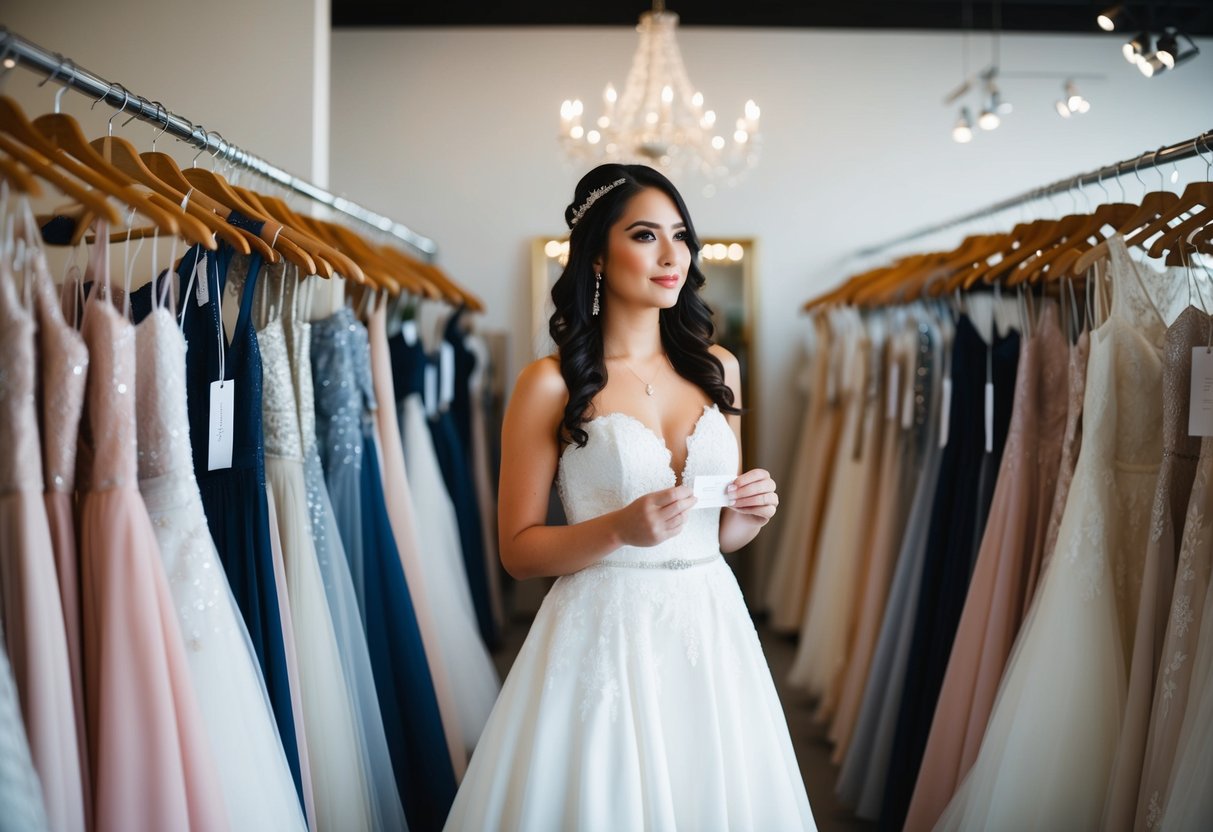
When planning your wedding day, understanding the costs associated with your attire is essential. This includes not only the wedding dress but also other important elements like hair and makeup.
Choosing the Perfect Wedding Dress
Finding the right wedding dress is a special experience. You might start by setting a budget since dresses can range from a few hundred to several thousand dollars. Consider styles, fabrics, and colors that reflect your personality.
Make appointments at bridal salons for fittings. Don’t hesitate to bring friends or family for their opinions. Remember, alterations will likely add to the cost, so budget for that too. Some brides choose to buy their dress, while others rent or even borrow. This decision often influences who covers the costs.
Additional Costs: Hair and Makeup
Along with your wedding dress, you’ll want to look your best with hair and makeup. Hiring professionals can make a big difference, but it also adds to your expenses. Hair styling can cost anywhere from $50 to $200, while makeup may range similarly.
Another option is to ask a friend or family member if they have skills in this area. Consider a bridal shower or bachelorette party to celebrate and show your appreciation to those helping you get ready. Don’t forget to set aside funds for hair accessories that can enhance your overall look.
Taking these details into account ensures you shine on your special day!
Pre-Wedding Events and Preparations
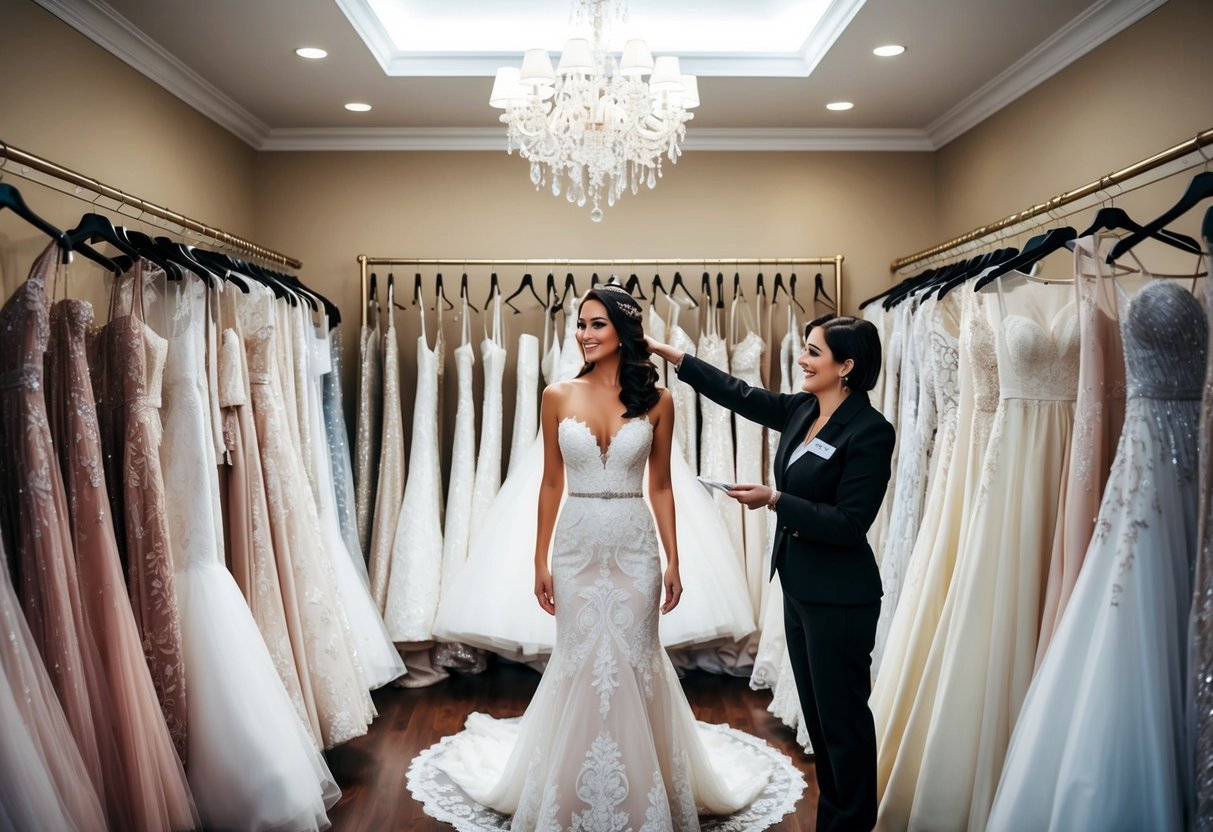
Before the wedding day, several important events and preparations take place. These include gatherings like the engagement party, bridal shower, and rehearsal dinner. Each holds special significance in getting ready for your big day.
The Engagement Party
The engagement party is often the first celebration after you say “yes.” It’s a chance for family and friends to come together and toast your new chapter.
You might want to send out invitations about a month before the event. This gathering can be hosted by you or your parents, depending on your preference. Simple decorations, a light meal, or even appetizers can make the party festive.
Traditional gifts are not expected, but a thoughtful note can mean a lot. Remember, this event sets the tone for future celebrations, so make it memorable.
Bridal Shower and Rehearsal Dinner
The bridal shower is another fun event, typically organized by your friends. This gathering is a good time to celebrate with loved ones and receive gifts that may help you in your new life.
Invitations should be sent out at least three weeks in advance. Games and activities are common and can add excitement. It’s also a great time to bond with family and friends.
The rehearsal dinner usually happens the night before your wedding. It’s a chance to run through the ceremony details one last time. You can invite immediate family and the wedding party.
This dinner often features a more formal meal to make everyone feel special. You might also want to give a small thank-you gift to those who helped with your wedding plans.
Bringing the Dream Wedding to Life
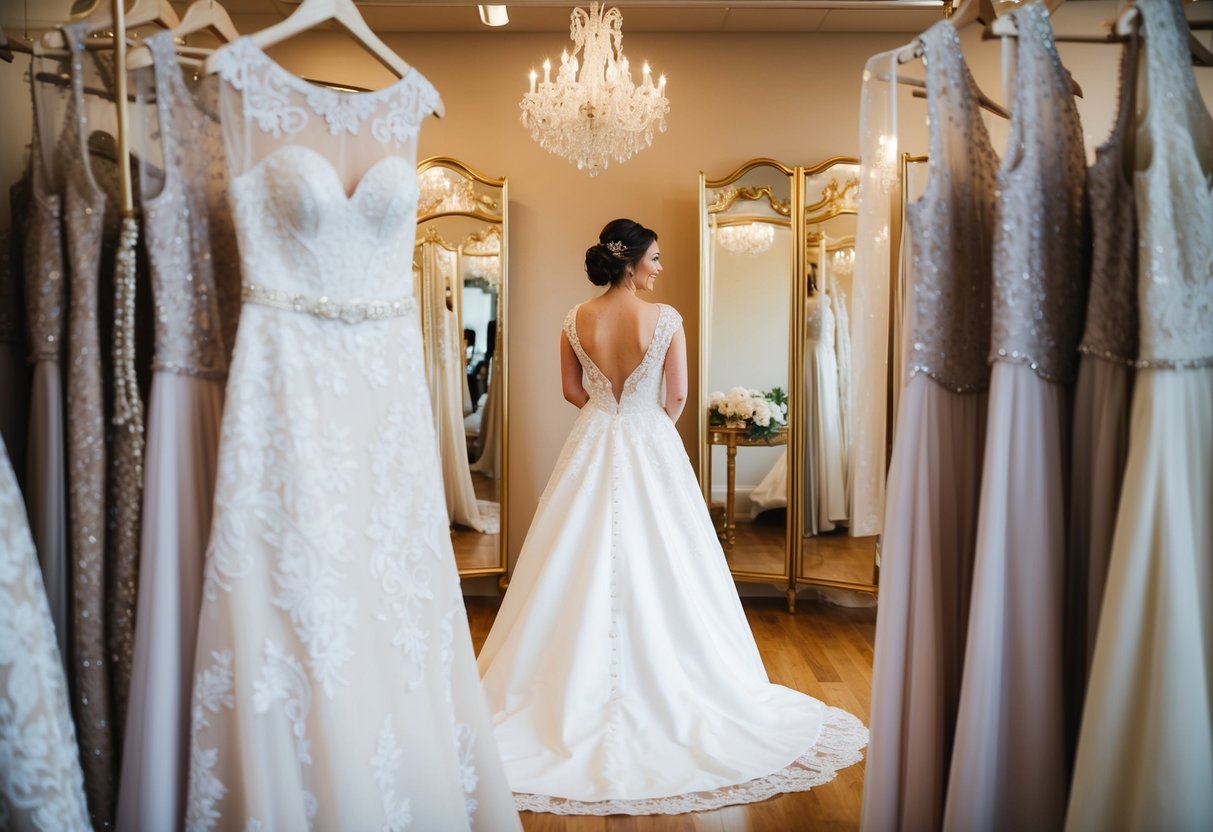
Planning your wedding is an exciting chance to bring your dream celebration to fruition. Every detail, from the venue to the cake, is important in creating a memorable experience. Let’s dive into key aspects that will help you create the perfect day.
Wedding Venue and Reception Details
Choosing the right wedding venue is crucial to setting the tone for your wedding day. Consider locations that reflect your style, whether it’s a beach, garden, or historic mansion. A wedding planner can help find the perfect spot and manage logistics.
When planning your reception, think about the atmosphere. Will it be formal or casual? Choose decorations that align with your theme. Don’t forget about the wedding cake! Selecting a cake that fits your theme and tastes is a delicious part of the planning.
Also, be sure to discuss catering options. A good meal can make the event memorable. Many venues offer package deals that cover food and drinks, which can be a smart way to save.
Looking Beyond: Honeymoon and Beyond
After the big day, you should plan a honeymoon, which is an exciting next step. Think about destinations that you both love. Do you prefer a tropical beach? Or do you prefer an adventurous mountain retreat?
A honeymoon fund can help you collect contributions from family and friends. This will ease the financial burden. Share your travel plans with your guests to inspire them to help.
Remember to consider accommodations and activities. Book your stay early to get the best rates. Create an itinerary that balances relaxation and exploration. This ensures that you both return refreshed and happy.