
Does the Bride Still Pay for the Wedding? Exploring Modern Traditions and Expectations
Planning a wedding comes with many questions, and one of the most common is about who pays for it. Traditionally, the bride’s family covers a large portion of the wedding expenses, but this is changing. As modern couples approach their big day, many choose to share costs more equally, regardless of tradition.

You might wonder how these changes impact your plans. Knowing who typically pays can help you navigate discussions with family and friends. Understanding your options lets you create a budget and an event that reflects your style and values.
With evolving traditions and diverse relationships, it’s essential to consider what works best for you and your partner. By exploring the current trends in wedding financing, you can celebrate your love without the stress of outdated expectations.
Understanding Wedding Finances
Managing wedding finances can feel overwhelming. You might wonder who should cover the costs and how to set a budget that works for you. By looking at historical trends, modern practices, and budgeting tips, you can gain clarity on these important topics.
Historical Perspective on Who Pays
Traditionally, the bride’s family has been responsible for many wedding expenses. This includes costs like the venue, flowers, and the dress. The groom’s family typically covered the rehearsal dinner and honeymoon.
However, this pattern has shifted over time. Many couples today choose to split costs or have both families contribute. Understanding this history can help you decide what feels right for you and your partner.
Modern Approaches to Wedding Expenses
In recent years, attitudes towards who pays for weddings have changed. Many couples now share expenses based on their financial situations. Some may use a joint budget or involve family members, depending on their preferences.
Today, it’s common for couples to pay for parts of the wedding themselves. For example, they might cover the honeymoon or choose to pay for certain vendors directly. Discussing and agreeing on these choices is essential to ensure a smooth planning experience.
Setting a Budget
Creating a wedding budget is a crucial step. Start by determining your total budget. The average cost of a wedding can vary widely, often ranging from $20,000 to $34,000 or more, depending on the location and details.
Here’s a quick guide to budgeting:
- List major expenses: Include venues, catering, attire, and entertainment.
- Prioritize your needs: Decide what is most important to you and allocate funds accordingly.
- Track expenses: Use a spreadsheet or app to manage and adjust your budget as needed.
By keeping a close eye on your spending, you can make informed decisions and enjoy your special day without financial stress.
Allocating Wedding Expenses
Understanding who pays for what in a wedding can help reduce stress as the big day approaches. Traditionally, weddings have specific roles for both families and the couple. Here’s a look at the contributions generally expected from each party.
Bride’s Family Contributions
Traditionally, the bride’s family covers a significant portion of wedding expenses. They often pay for the wedding venue, catering, and flowers. This can also include costs for the wedding dress, invitations, and photography.
In many cases, the bride’s family also covers the costs for the rehearsal dinner and any pre-wedding events, such as bridal showers. Given these responsibilities, families planning a wedding might want to start budgeting early to manage these expenses effectively.
Groom’s Family Contributions
The groom’s family usually has a smaller role in covering wedding costs. Traditionally, they are responsible for the rehearsal dinner and may also contribute to the officiant’s fees.
While the groom’s family often pays for these specific expenses, their financial contributions can vary widely. Some couples today choose to split costs more equally, allowing the groom’s family to take on additional wedding-related expenses if they wish to help out more.
Financial Contributions from the Couple
More couples are taking charge of their wedding budgets today. You and your partner might decide to contribute directly to cover costs like entertainment, honeymoon expenses, or personal touches.
Many couples today pay for their wedding rings and other personalized elements. Depending on your financial situation and preferences, you might take on more or fewer expenses. Open communication about finances will help ensure that both of you feel comfortable with your financial roles in planning the wedding.
Key Costs and Considerations
Planning a wedding involves many important costs and options that you should keep in mind. Understanding what expenses typically fall under your responsibility can help you budget effectively and make informed choices.
Venue and Reception
Choosing a venue is often one of your biggest tasks. The cost of the wedding venue is crucial as it sets the tone for your big day.
You need to consider both the ceremony site and the reception area. Prices can vary greatly based on location, size, and amenities offered. For example, popular venues in urban areas tend to be more expensive than those in rural settings.
Additional costs include catering, which usually ranges from a few thousand to several thousand dollars depending on the number of guests and the menu you select. Don’t forget about rentals for tables, chairs, and linens, as these can add up quickly.
Wedding Attire and Rings
Your wedding attire is another significant expense. This usually includes your wedding dress, which can cost anywhere from hundreds to thousands of dollars. Alterations may also be necessary, adding to the total cost.
Don’t overlook the groom’s attire, as he may also need to buy or rent a suit. Anticipate costs for accessories like shoes and jewelry, especially if you want to go all out.
Rings are a vital part of the wedding as well. Typically, the bride’s family covers the groom’s ring, while the groom pays for both of the bride’s rings. Prices for wedding rings can vary significantly based on the material and design, so it’s best to set a budget ahead of time.
Ceremony and Special Elements
Your ceremony is an opportunity to express your love uniquely, and it comes with its own set of costs. Venue fees may apply here, along with officiant fees and permits if necessary.
Floral arrangements can enhance the beauty of your ceremony. Costs for bouquets, boutonnieres, and decorations can add up, so planning is essential.
Photography and videography are also key elements. You’ll want to capture every moment, so consider hiring a professional. Their packages can vary widely, so it’s crucial to review your options and choose a style that fits your vision and budget.
Additional Wedding-Related Events
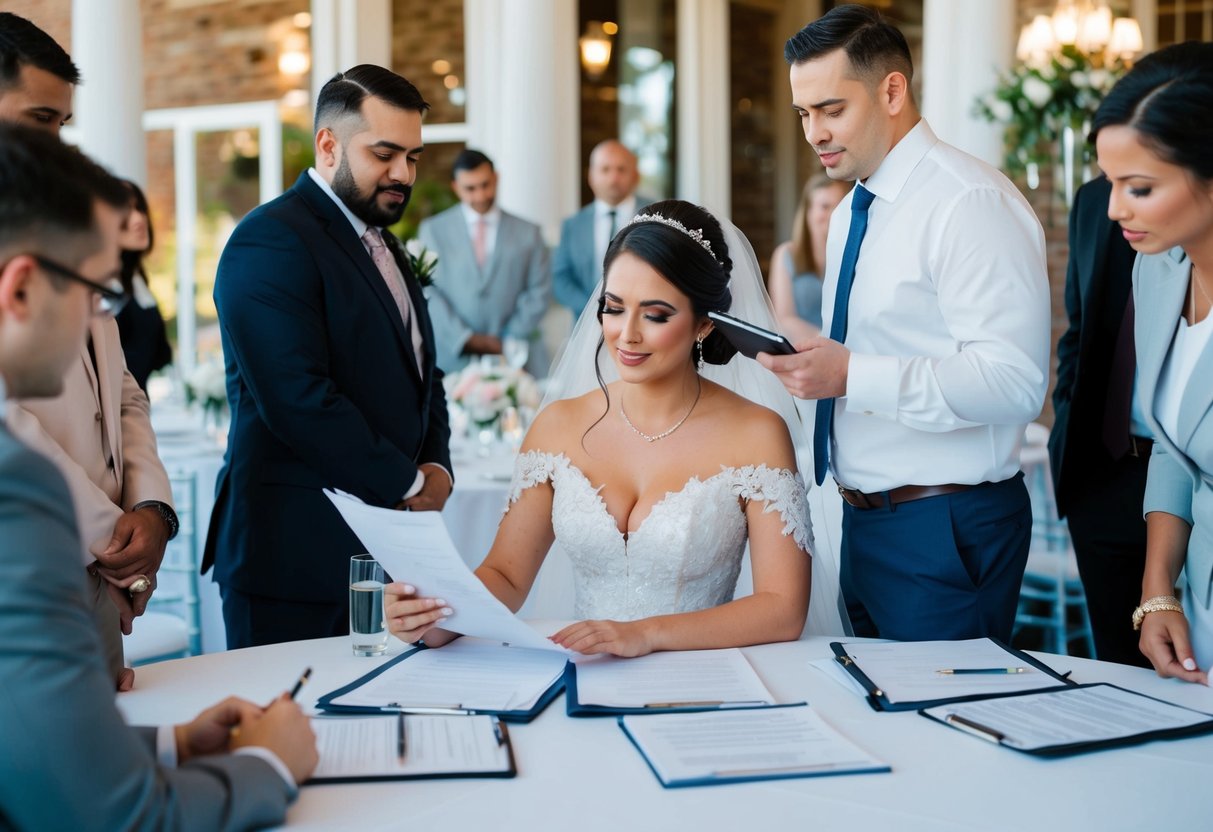
Weddings often include several events leading up to and following the big day. These celebrations play a significant role in the overall experience, adding joy and personal touches. Understanding the key details of these events can help you plan better.
Pre-Wedding Parties
Pre-wedding events like engagement parties, bridal showers, and rehearsal dinners are important for celebrating with loved ones.
-
Engagement Party: Traditionally hosted by the bride’s family, this event marks the couple’s engagement. It can be casual or formal and may include family and close friends.
-
Bridal Shower: Usually planned by the maid of honor or close friends, the bridal shower celebrates the bride. Guests typically bring gifts to help set up the couple’s new home.
-
Rehearsal Dinner: This event occurs after the rehearsal for the wedding ceremony. It is often hosted by the groom’s family and includes the wedding party. Common costs include the venue, food, and drinks.
Post-Wedding Celebrations
After the wedding, you might want to host a post-wedding brunch. This casual gathering allows you to thank guests and spend more time together.
-
Post-Wedding Brunch: Many couples choose to invite family and friends to celebrate the day after the wedding. It’s a relaxed way to unwind.
-
Wedding Gifts: Don’t forget to acknowledge the gifts received. Sending thank-you cards is essential.
Events related to your wedding can enrich the experience, making it memorable for you and your guests. Each event has its own etiquette and costs, so planning is key.
Consider hiring a wedding planner to help you manage these occasions smoothly.