
Does the Bride Usually Pay for Makeup? Understanding Wedding Beauty Expenses
One question that often arises in wedding planning is, “Does the bride typically pay for the makeup of the bridal party?” This arrangement is common because it allows the bride to choose styles and looks that match her vision for the big day. It also helps ensure that everyone feels confident and beautiful as they celebrate together.
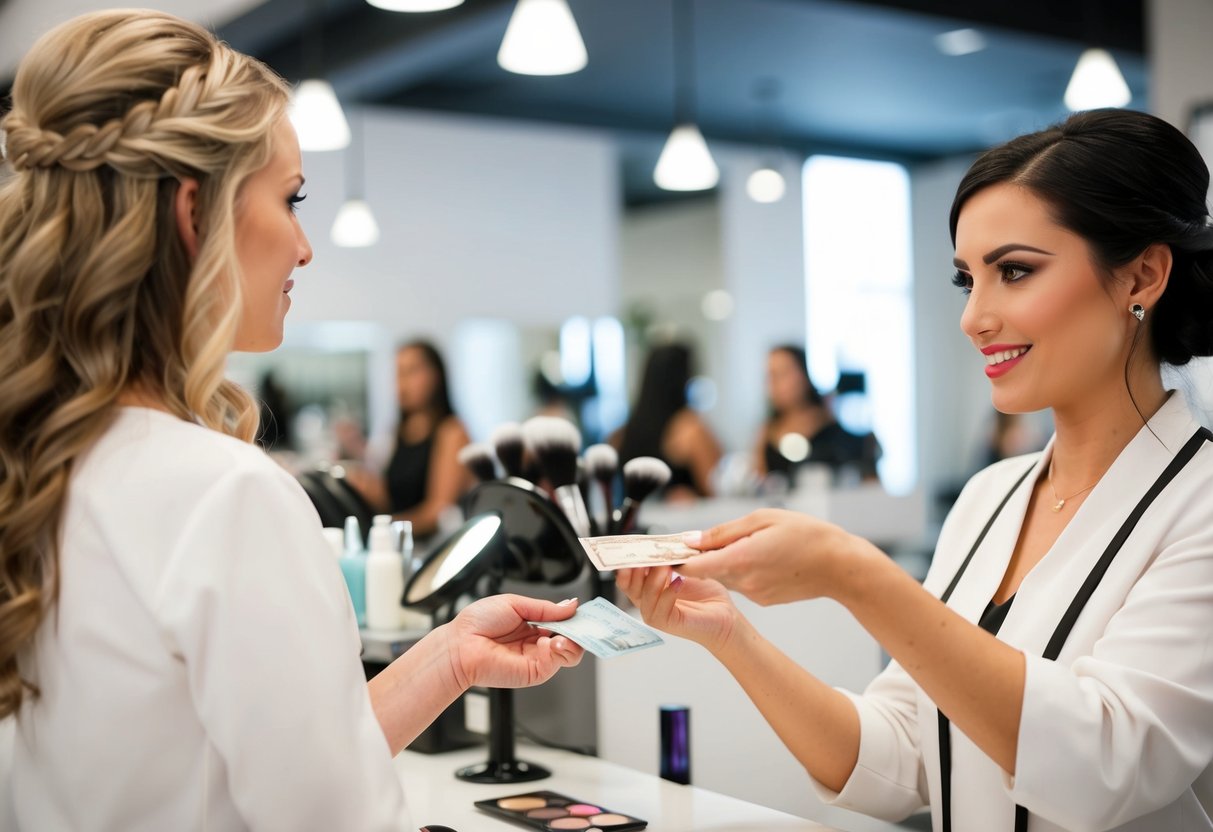
However, every wedding is unique. Some brides may opt to split costs with their bridesmaids or even have them cover their own expenses. This can often depend on the overall wedding budget and the financial situations of those involved.
Navigating these decisions can be tricky, but communication is key. By discussing expectations early on, you can ensure that everyone is on the same page and ready to enjoy the celebration without any stress about the costs involved.
Understanding Bridal Beauty Expenses
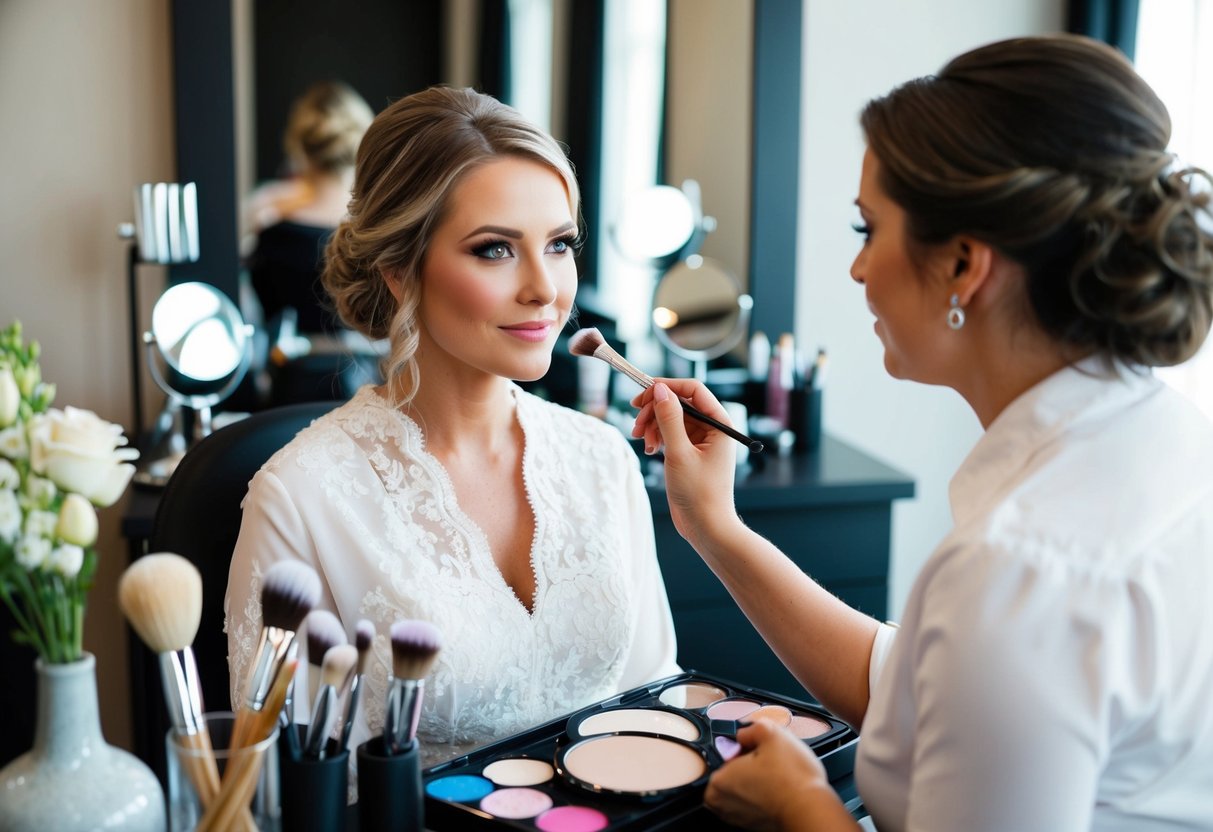
When planning your wedding, you might wonder about the costs related to hair and makeup. Understanding these expenses can help you manage your budget better and decide who will cover these costs.
Typical Hair and Makeup Costs
Bridal makeup costs can vary widely based on location and the professional you choose. On average, you might expect to pay around $150 to $300 for bridal hair and makeup combined.
For bridesmaids, the costs are generally similar, usually ranging from $100 to $250 for both hair and makeup services. Remember, these prices can increase if you opt for more experienced professionals or additional services like airbrush makeup or intricate hairstyles.
It’s essential to budget for potential tips or travel fees as well. Knowing these figures can help you make informed decisions about your wedding beauty team.
Breaking Down the Bridal Makeup Pricing
When you receive a quote for bridal hair and makeup, it often includes several factors. Here’s a breakdown of what you might find in typical pricing:
- Initial Consultation: Some professionals charge for a trial session to discuss styles and products.
- Bridal Services: This fee covers the actual day of services, including options for touch-ups.
- Bridesmaid Services: If your friends are getting their hair and makeup done, there might be a group discount available.
Professional hair and makeup artists usually bring their own tools and products, ensuring quality results. This can make the investment worth it as your wedding day look should feel special and memorable.
Who Pays for the Bridal Party Glam?
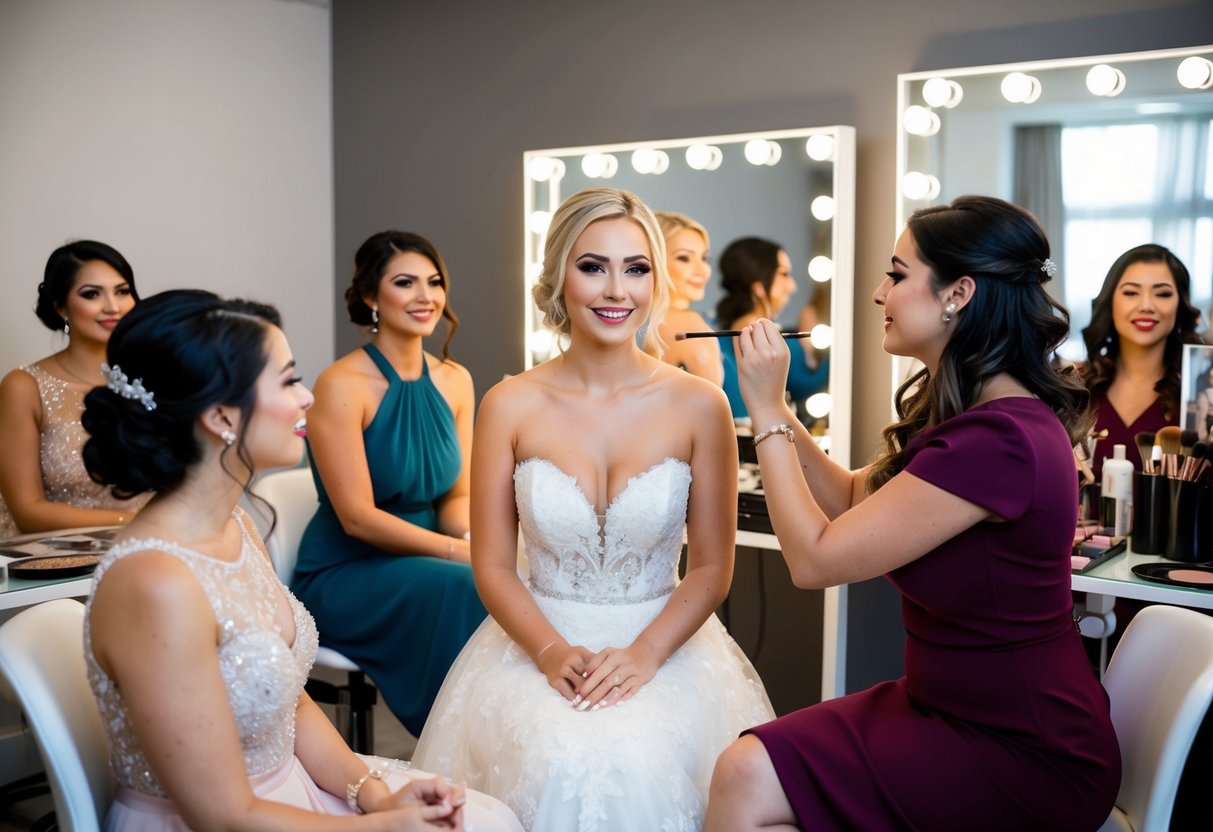
When it comes to who pays for the makeup and hairstyling of your bridal party, there are various scenarios based on etiquette and financial situations. Understanding these options can help you communicate clearly with your bridesmaids about costs.
Wedding Etiquette and Financial Contributions
Traditionally, brides cover the cost of hair and makeup for their bridal party. This includes all the expenses for services that make your bridesmaids look their best. However, with rising wedding costs, this may not be feasible for everyone.
In some cases, bridesmaids may pay for their own hair and makeup. This is especially true if the quality and style vary by individual preference. In this case, discuss this arrangement early on so everyone is aware of the expectation.
Another option is to split the costs between you and your bridesmaids. For instance, you might cover a portion, and the bridesmaids pay the rest. This can make it easier for everyone involved, especially if you have a large group.
How to Ask Bridesmaids to Pay
Approaching the topic of payment can feel awkward, but it’s best to be direct. Start by explaining your budget and financial situation. Be honest about how much you can cover and what you’re hoping they can contribute.
You can create a friendly atmosphere by suggesting a group hair and makeup appointment. This can make the experience more enjoyable while reinforcing your request. Remember to use clear language when discussing costs.
Consider offering options for those who may find costs challenging. This could include lower-cost alternatives or offering to help research affordable stylists. By being open and understanding, you can maintain positive relationships while addressing financial expectations.
Dressing up the Bridesmaids
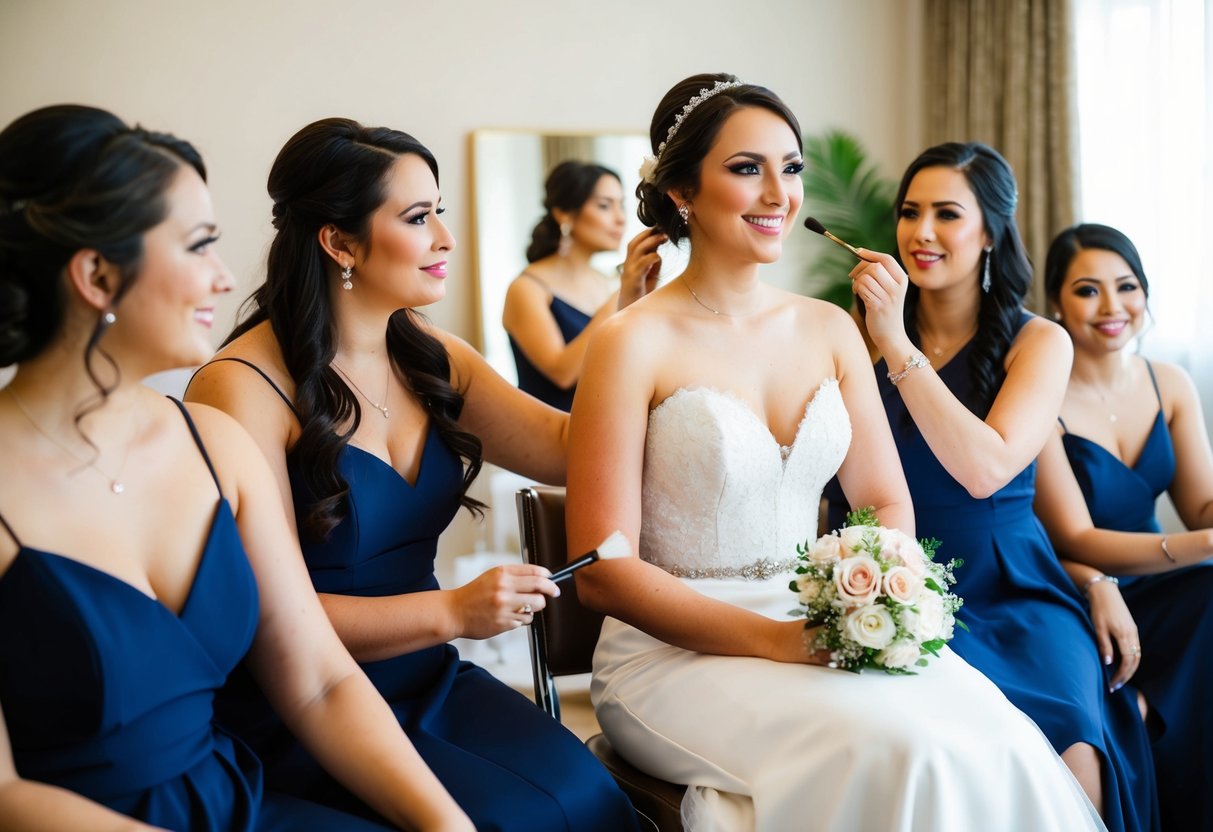
When preparing for a wedding, dressing up the bridesmaids is an important task. It involves selecting dresses, managing expenses, and deciding on hair and makeup for each bridesmaid. Understanding these details can help create a smooth experience for everyone involved.
Bridesmaid Dresses and Related Expenses
As a bride, one key aspect is the bridesmaid dresses. Traditionally, bridesmaids are expected to cover their own dress costs. You may want to discuss dress styles early to make sure everyone feels comfortable.
Common expenses include:
- Dress cost: Typically ranges from $100 to $300.
- Accessories: Shoes, jewelry, and props can add up.
- Alterations: Budget for any changes needed for the dresses.
It’s essential to communicate clearly about these expenses. This way, your bridesmaids can budget appropriately and find options that fit within their means.
Hair and Makeup for Bridesmaids
One big question is who pays for bridesmaids’ hair and makeup. In many cases, the bride offers to cover these costs if all bridesmaids are expected to have professional services.
If that’s the case, here are some key points to consider:
- Discuss costs: Talk about what services will be included.
- Separate arrangements: You can also decide that each bridesmaid pays for her own hair and makeup if that fits your budget better.
- Finding services: Look for bridal packages that may offer group discounts.
This planning ensures that your bridesmaids look and feel their best on your special day.
Special Considerations for Wedding Glam
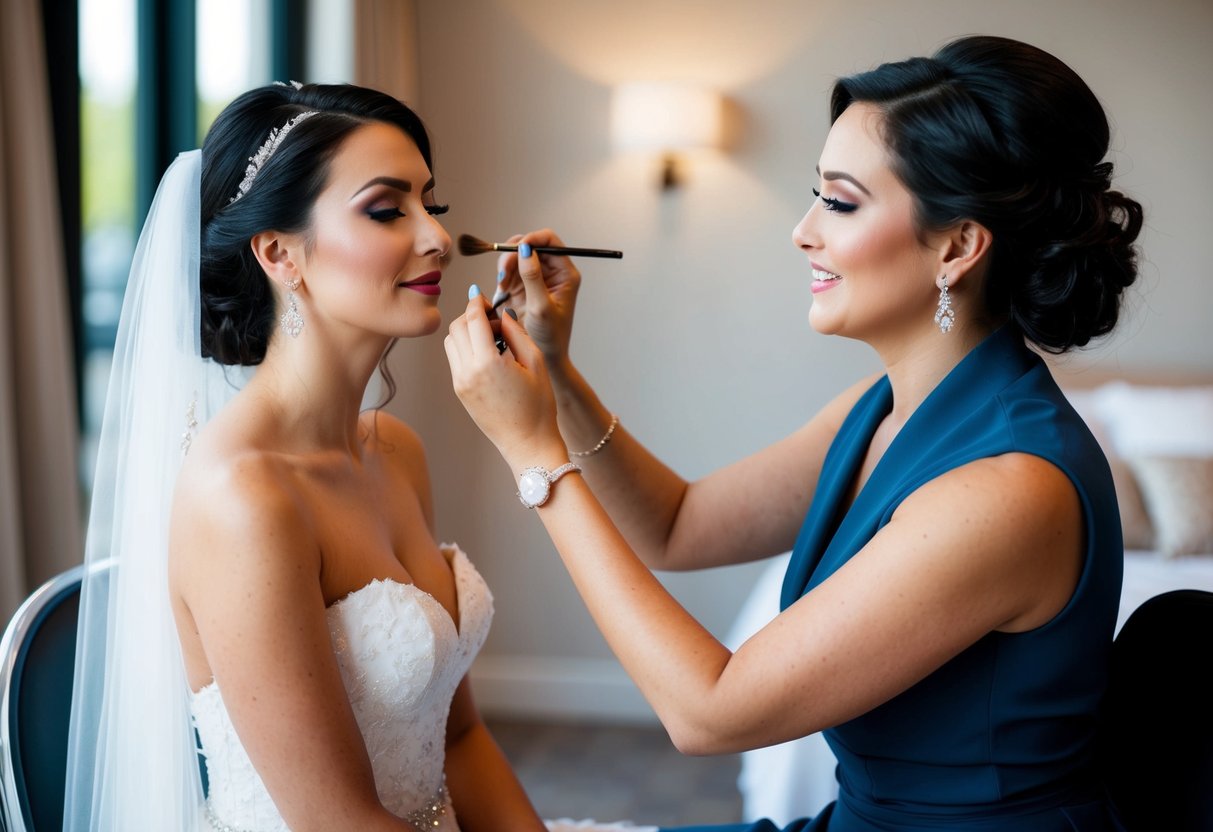
When planning your wedding glam, there are a few special considerations to keep in mind. These details can affect your budget, especially if you’re considering a destination wedding or have a large bridal party. Understanding these factors helps create a smoother experience on your big day.
Destination Weddings and Their Unique Costs
If you’re heading to a beautiful beach or a breathtaking venue, destination weddings offer charm but come with unique costs. First, consider travel expenses for you and your bridal party. Often, you may need to book accommodations that can add up quickly.
Many venues also have their preferred hair and makeup vendors. This may mean spending more than expected if you choose services that aren’t included. Additionally, if you plan to hire professionals locally, research their availability and pricing well in advance. Airbrush makeup is often favored at destination weddings for its long-lasting finish.
Options for Hair and Makeup Services
Choosing hair and makeup services is an important step. You can decide if you want to handle this yourself or hire professionals. Some brides opt for bridal beauty packages that cater specifically to the bride and bridal party hair and makeup. This often ensures that everyone matches your vision.
In a larger bridal party, check if the makeup artists can accommodate everyone within a limited time. If you have a mix of styles in mind, communicate clearly with your artists. Another option to consider is having a bridal suite where everyone can get ready together, adding to your experience. From traditional styles to trendy looks, make sure to incorporate ideas that reflect each individual while still aligning with your overall wedding glam.