
Does the Bride’s Family Pay for the Rehearsal Dinner? A Guide to Wedding Traditions
Planning a wedding involves many decisions, and one common question is who pays for the rehearsal dinner. Traditionally, the groom’s family covers the expenses for this event. However, wedding planning has become more flexible, allowing for different arrangements based on the couple’s preferences and family dynamics.
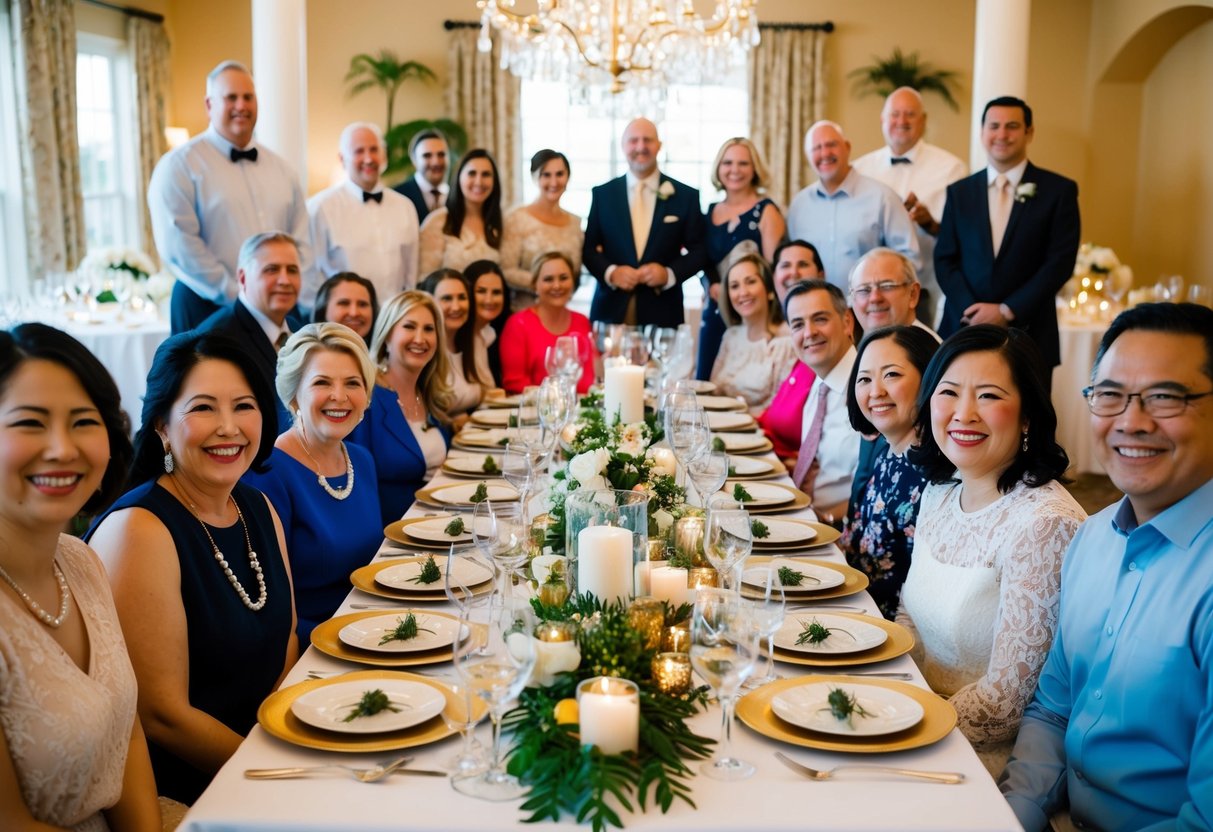
You might find that the bride’s family, close friends, or even the couple themselves may step in to host the rehearsal dinner. This shift makes it important to discuss who will take on this responsibility while also considering your wedding budget and overall expenses.
By understanding the expectations around who pays for what, you can enjoy a smoother planning process and ensure everyone is on the same page.
The goal is to celebrate together before the big day. Knowing who typically covers the rehearsal dinner costs can help you navigate this part of your wedding planning more easily.
Understanding Rehearsal Dinner Basics

The rehearsal dinner is an important event leading up to your wedding day. It serves as a gathering for close friends and family, focusing on preparation and celebration. Here are the key elements you should know.
What Is a Rehearsal Dinner?
A rehearsal dinner is typically held the night before your wedding. It follows the wedding rehearsal, where the ceremony details are practiced. This dinner can be a casual meal or a formal affair.
Traditionally, the groom’s family hosts this event. However, it can be organized by the couple themselves or both families together. The dinner helps everyone feel connected before the big day.
Purpose and Significance
The main purpose of the rehearsal dinner is to bring together the people involved in your wedding. This includes your wedding party, family members, and sometimes close friends. It creates a relaxed environment for everyone to bond.
Additionally, it allows you to thank those who have supported you. Whether it’s the officiant or family members, expressing your gratitude is a nice touch. This gathering helps ease any pre-wedding jitters.
Typical Attendees
Your rehearsal dinner guest list often includes close relatives and the wedding party. This usually means parents, siblings, bridesmaids, groomsmen, and any special friends. The number of people can vary based on your plans.
You might also invite the officiant, especially if they play a significant role in your ceremony. It’s a good chance to introduce everyone and strengthen connections. Keep the atmosphere friendly and inviting for an enjoyable time!
Financial Etiquette for Wedding Celebrations

When planning a wedding, understanding financial etiquette is crucial. This includes knowing who traditionally pays for what, especially regarding the rehearsal dinner, and how to allocate your wedding budget wisely.
Historic Norms and Modern Practices
Traditionally, the bride’s family has covered many costs related to the wedding. This often includes the wedding day attire, ceremony costs, and sometimes even the reception. The groom’s family plays a role too, mainly handling the rehearsal dinner and other specific expenses.
In recent years, these norms have evolved. Many couples today share costs or divide them between both families. This shift reflects modern values where partnerships are highlighted, and couples take ownership of their wedding budgets. As etiquette expert Emily Post suggests, open discussions about finances can help ensure everyone is comfortable with their contributions.
Allocating Wedding Budget
Creating a wedding budget is a key step in planning. Start by listing all expected expenses such as the venue, catering, attire, and decorations. It’s wise to establish a range for each category. This helps prevent surprises later.
To ensure a well-managed budget, consider using a spreadsheet or wedding planning app. This way, you can track costs easily. You can also categorize expenses into must-haves and nice-to-haves. This method allows flexibility so you can prioritize spending where it counts most.
Who Pays for Other Pre-Wedding Events?
Besides the rehearsal dinner, other pre-wedding events also have traditional financial roles. For example, the engagement party is typically hosted by the bride’s family or close friends.
As for the bridal shower, it is commonly paid for by the maid of honor and bridesmaids. These events provide opportunities for families and friends to celebrate together before the big day. Keep these traditions in mind while planning. Each event can add joy and excitement to your wedding journey!
Details of Who Covers Rehearsal Dinner Costs

When planning a wedding, knowing who covers the rehearsal dinner costs can be a bit confusing. There are different traditions surrounding who pays, and modern weddings have created more flexibility in financial responsibilities.
Role of the Bride’s Family
Traditionally, the bride’s family is known to cover the rehearsal dinner costs. This custom comes from the belief that they are responsible for many expenses related to the wedding. By organizing this meal, they help set a warm and inviting tone for the events leading up to the ceremony.
While they often pay for the entire dinner, it’s also common for them to partner with others to share costs. This approach allows for a larger celebration while easing financial pressure. Ultimately, it’s essential that the bride’s family discusses and decides on their role in this event.
Role of the Groom’s Family
The groom’s family usually plays a different role in rehearsal dinner costs. In many cases, they contribute as well, especially in contemporary settings. While traditional etiquette suggests the groom’s family mainly covers the rehearsal dinner, they can also take on part of the wedding planning.
They might even host the event, allowing them to control the dining venue and menu. This inclusive approach can make the rehearsal dinner a memorable occasion, fostering family bonds before the wedding day. It’s crucial for both families to communicate openly about their contributions.
Shared Responsibilities and Contributions
Today, many couples choose to share financial responsibilities for the rehearsal dinner. This strategy recognizes the modernity of weddings while providing both families with the opportunity to contribute. You might find that close friends, family members, or even the couple themselves decide to help with the costs.
Creating a budget can clarify contributions, ensuring everyone feels comfortable with their financial roles. Having a discussion about who will pay for what at this milestone event is a great way to set expectations. This collaborative approach can strengthen relationships and create a joyful atmosphere before the big day.
Planning a Memorable Rehearsal Dinner

You want your rehearsal dinner to be a special occasion that everyone remembers. Choosing the right venue, personalizing the event, and managing guest expectations can help make this gathering enjoyable for both you and your loved ones.
Venue and Catering Choices
Selecting the perfect venue is key for a memorable dinner. Consider spaces that reflect your personality, like a cozy restaurant or a beautiful outdoor garden.
Think about capacity, too. Will you have the whole wedding party or out-of-town guests?
Once you have a venue, it’s time to focus on catering. Ask yourself what type of food will suit your guest list. A buffet can offer variety, while a sit-down dinner adds a touch of elegance.
Check with local caterers to find options that fit both your budget and your taste. If there are any specific dietary needs among your guests, make sure to accommodate them.
Personalizing Your Event
Adding personal touches can make your rehearsal dinner feel unique. Start with invitations. They set the tone for your event and can match your wedding theme.
You might want to create a special seating chart that reflects your relationships with the guests. Consider including fun facts about the wedding party with their names to spark conversation.
Decorations also matter. Think of centerpieces that tell your story, whether it’s photos or souvenirs from your relationship. Small details like custom napkins or a signature drink can add flair and make guests feel special.
Managing Guest Expectations
Make sure to communicate well to ensure everyone knows what to expect. Sending out invitations well in advance is a good idea. This gives out-of-town guests ample time to make travel plans.
Include important details like the dress code, location, and start time. If you’re working with a wedding planner, they can help you manage logistics and ensure everything runs smoothly.
Also, consider how the evening will unfold. Share the plan with your guests so they know what to look forward to. Timing is key, especially if you plan to include speeches or toasts. Clear expectations help everyone enjoy the event without confusion.