
Does the Father of the Bride Pay for the Wedding? Exploring Traditions and Expectations
The question of who pays for a wedding can bring a lot of tradition into play, especially when it comes to the role of the father of the bride.
Traditionally, the father of the bride takes on a significant share of the financial responsibilities, covering most wedding expenses like the reception and other related events. However, this custom has evolved over the years as couples often seek a more egalitarian approach to wedding costs.

Understanding these financial expectations can help you navigate wedding planning with clarity. While many families still follow traditional wedding etiquette, it’s essential to remember that each situation is unique. Open conversations about finances can help ensure that everyone feels comfortable and included in the planning process.
As you explore the dynamics of wedding expenses, you’ll discover varying viewpoints on who should contribute. Whether you stick to tradition or decide to share costs differently, knowing the history behind these roles can make planning more enjoyable and less stressful.
Understanding Wedding Finances
Wedding finances can feel confusing, especially with many expectations and traditions involved. Knowing who usually pays for what and how practices have changed can help you plan better.
Who Typically Pays for What
Traditionally, the bride’s family covers most of the wedding costs. This includes expenses like the ceremony site, reception, and flowers. The groom’s family often pays for the rehearsal dinner and sometimes the honeymoon.
Here’s a quick breakdown of financial responsibilities:
- Bride’s Family: Venue, catering, flowers, and photographer.
- Groom’s Family: Rehearsal dinner and honeymoon.
- Couple: Some couples choose to share costs for things like invitations and attire.
Understanding these roles helps you set a budget and avoid misunderstandings with families.
Modern Practices in Paying for the Wedding
Today, many couples take an egalitarian approach to wedding finances. This means both families might contribute or share expenses equally. Open communication about budgets and costs is essential.
Factors influencing modern practices include:
- Cultural norms: Different cultures have various expectations around wedding expenses.
- Financial responsibilities: Couples may decide to finance the wedding together based on their financial situations.
- Wedding budgets: Creating a clear budget helps in determining who pays for what.
Recognizing these shifts in financial responsibility allows you to customize your approach to fit your unique circumstances.
Breaking Down the Costs
Understanding the various costs associated with a wedding can help you plan better. Each stage of the wedding involves expenses that may be shared among families or primarily fall on the bride’s side. Here’s a look at the key areas where costs typically arise.
Pre-Wedding Events
Before the big day, there are several important events that often require funding. You might consider hosting an engagement party, which can vary in cost depending on the venue and guest list.
Additionally, the rehearsal dinner is another event that typically falls to the bride’s family. This gathering allows everyone to relax before the ceremony and can be a beautiful way to kick off the celebrations.
Common Pre-Wedding Costs:
- Engagement Party
- Rehearsal Dinner
- Wedding Invitations
Ceremony and Reception Details
On the day of the wedding, the costs can add up quickly. The ceremony location and reception venue are often some of the largest expenses. You’ll need to budget for items such as decor, catering, and rentals for tables and chairs.
Don’t forget about the officiant fee, as this is usually necessary for conducting the ceremony. You’ll also want to include the cost of the marriage license, which varies by location.
Key Ceremony and Reception Expenses:
- Venue Rental
- Catering Costs
- Officiant Fee
- Marriage License
Post-Wedding Considerations
After the wedding, there are several costs that might need your attention. The honeymoon is a major expense that many couples plan for carefully. Depending on your destination and activities, this can unleash unexpected costs.
You might also want to consider wedding party gifts as a nice thank you to those who supported you throughout the planning and the day. If you hired a wedding planner, you may have fees to pay after the wedding as well.
Post-Wedding Expenses:
- Honeymoon Costs
- Wedding Party Gifts
- Any Remaining Planner Fees
Etiquette and Responsibilities
When it comes to the father’s role in a wedding, there are specific traditions and expectations. Understanding these can help you navigate your responsibilities effectively while honoring your family’s values.
Roles of the Father of the Bride
As the father of the bride, you traditionally have several important tasks. One of your main roles is to support your daughter during the planning process. This includes helping with venue selection and offering emotional support.
It’s also common for you to take on specific responsibilities, like walking your daughter down the aisle. This moment is often very special. Additionally, parents usually host the rehearsal dinner, which allows friends and family to gather before the big day.
Don’t forget about wedding gifts. It’s traditional for you to give your daughter a meaningful gift to celebrate her marriage. This could be anything from jewelry to a heartfelt letter.
Navigating Financial Contributions
Financial contributions can be a tricky part of wedding planning. Traditionally, you covered wedding expenses such as the venue, catering, and flowers. While this tradition remains, many modern couples choose to share costs or handle them entirely on their own.
Discuss financial responsibilities openly with your daughter and her partner. It’s important to clarify what you can contribute and what they expect. A detailed budget can help everyone stay on the same page.
Remember to include other family members in these discussions. If both sets of parents are involved, clear communication is key to avoid misunderstandings. With thoughtful planning, you can make the wedding a memorable day for your family.
Details of Wedding Elements
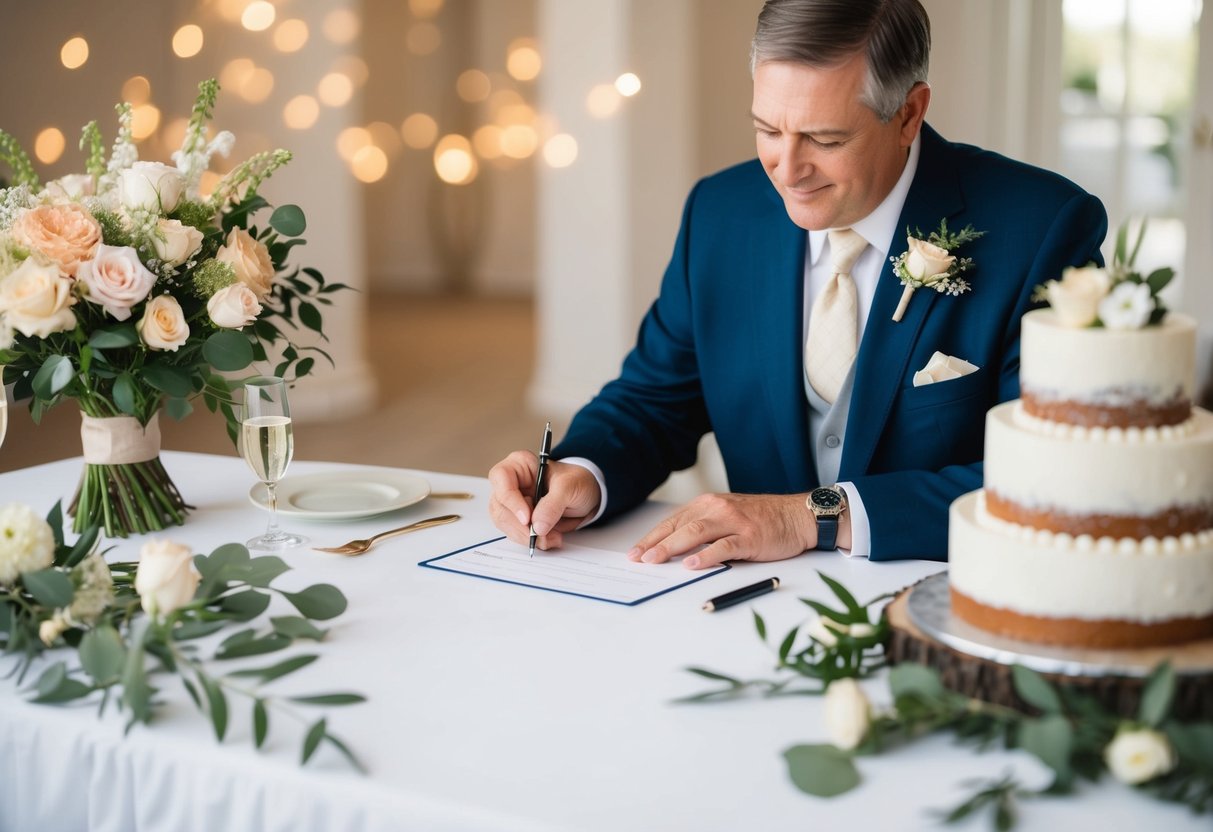
When planning a wedding, various elements require careful attention. Each part contributes to the overall celebration and reflects personal tastes and preferences. Here are some important aspects to consider.
Attire and Personal Look
Choosing the right attire is essential. The wedding gown or the bride’s attire usually takes the spotlight. You’ll want something that fits perfectly and makes you feel beautiful. Think about your style, whether it’s classic, modern, or bohemian.
Don’t forget about the groom’s outfit. He should complement your look. Consider accessories like wedding rings and the engagement ring as well. Personal flowers, such as bouquets and boutonnieres, add a special touch and can match your theme.
Make sure to budget for hair and makeup. Hiring a professional can help you feel confident and radiant. Also, consider a wedding photographer to capture these stunning moments.
Decorations and Catering
Decorations set the mood for your big day. You can choose floral arrangements that fit your color scheme and style.
Wedding flowers can enhance everything from the ceremony to the reception.
When it comes to catering, think about your guests. Options include a formal sit-down dinner or a buffet with diverse choices.
Many couples opt for a wedding cake, so selecting flavors that everyone will enjoy is key.
Reception alcohol is another aspect that can enhance the celebration. Remember to plan for photography and videography to document all the joyful moments.
The right elements will create lasting memories for you and your loved ones.