
Does the Father of the Bride Pay for the Whole Wedding? Understanding Traditional Wedding Expenses
Planning a wedding comes with many questions, one being about who foots the bill. Traditionally, the father of the bride is expected to cover a significant portion of the wedding expenses. However, modern couples often break away from these customs, sharing costs or having others contribute.
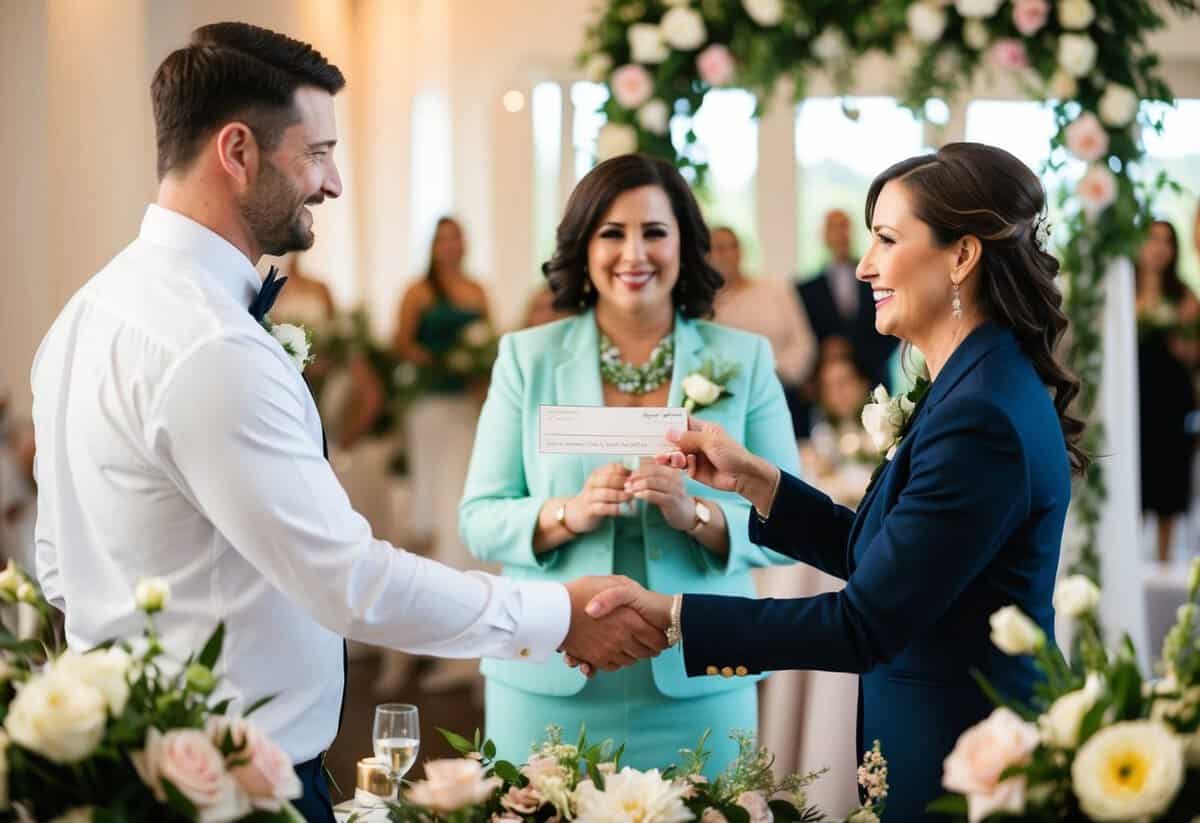
Understanding the traditional wedding etiquette can help you navigate these discussions. You might find that while the father of the bride takes on most expenses—from the engagement party to the reception—today’s couples often choose a more inclusive approach to budgeting. This shift allows for a stress-free celebration that reflects everyone involved.
If you’re curious about how these financial responsibilities have changed and what that means for you, read on. You will discover various options that fit your unique situation and ensure a joyful start to your new life together.
Understanding Wedding Financial Responsibilities
When planning a wedding, understanding who pays for what can make a big difference in your budgeting process. Financial responsibilities often vary by tradition and personal choice, affecting both the bride’s and groom’s families.
The Role of the Bride’s Family
Traditionally, the bride’s family has been responsible for most wedding expenses. This can include major items such as the venue rental, catering, and decorations.
Important costs that often fall on the bride’s family include:
- Ceremony and Reception Venue: These are often significant parts of the budget.
- Catering: Food and drink for guests usually come from the bride’s side.
- Flowers and Decorations: This also typically falls under their responsibilities.
It’s helpful to sit down with your family to discuss the wedding budget early on. Open communication can help everyone know what to expect.
The Groom’s Financial Duties
While the bride’s family traditionally pays for most expenses, the groom’s family also has responsibilities.
Common costs they cover include:
- Rehearsal Dinner: This is often hosted by the groom’s family.
- Groom’s Attire: The groom typically pays for his own suit or tuxedo.
- Transportation: This can involve arranging transport for the couple on the wedding day.
The groom might also contribute to smaller items, such as gifts for the bridal party. Discussing these financial duties helps relieve stress as the big day approaches.
Sharing Costs in Modern Weddings
In recent years, many couples choose to share financial responsibilities. This can create a more balanced approach to managing the wedding budget.
Here are some ways costs might be shared:
- Jointly funded expenses: Couples often pay for their own rings and honeymoon together.
- Family Contributions: It’s common for both families to chip in, depending on their financial situation.
- Creative Budgeting: Couples may opt for DIY projects to save on costs.
Engaging both families in discussions about the budget fosters collaboration. This approach makes planning more enjoyable and lessens the pressure on one side to bear the entire financial load.
Major Wedding Expenses and Who Typically Pays
Planning a wedding comes with many significant costs. It’s essential to know what expenses to expect and who usually pays for them.
Ceremony and Reception Costs
The ceremony and reception often make up the biggest part of your wedding budget. This includes the wedding venue, which can range from a simple church to a lavish banquet hall.
You’ll also need to think about catering. Food and drinks are essential, and you may choose from buffet style, plated meals, or even a fun food truck.
Additionally, don’t forget about the decorations and entertainment. Many couples hire a DJ or a band to keep the party lively. Traditionally, the bride’s family covers these primary expenses, but many couples today share the costs or pay for them together.
Attire, Rings, and Beauty
Your wedding attire adds to the special day. The bride usually wears a wedding dress, while the groom may rent or purchase a suit. Costs can vary widely, so it’s good to set a budget early.
Wedding rings are another critical part of the event. Typically, the groom buys the engagement ring, and both partners purchase wedding bands. In many cases, the bride’s family pays for the engagement ring, while the couple buys the wedding rings together.
Beauty services such as makeup and hair are also important and often fall on the bride or her family. The groom may have some costs related to grooming, but these are usually less.
Photography, Videography, and Albums
Capturing your big day is important, so hiring professionals for photography and videography should be a priority. These services typically include coverage of the ceremony and reception, as well as a pre-wedding shoot.
The costs for these services can vary based on the photographer’s experience and the package you choose. Many couples prioritize this expense, so they can create lasting memories.
After the wedding, many couples also invest in a photo album. This adds to your costs but allows you to relive the day for years to come. Traditionally, the bride’s family might help with these costs, but it’s common for both partners to share this expense.
Pre-Wedding Events and Responsibilities

When planning a wedding, there are several important pre-wedding events where you may have responsibilities. Understanding what these events are and what role you will play can help you navigate the process smoothly.
Engagement Party and Rings
An engagement party is often one of the first celebrations after you get engaged. This event typically brings close family and friends together to celebrate the upcoming union. You may consider coordinating with your fiancé’s family to plan this occasion.
Traditionally, the bride’s family hosts the engagement party. This includes making arrangements for food, drinks, and a suitable venue.
In addition, the engagement ring is an essential part of this stage. You should support your fiancé in choosing a ring that reflects personal style and is within budget.
Rehearsal Dinner and Bridal Shower
The rehearsal dinner takes place after the wedding rehearsal and is a chance for close family and friends to gather before the big day. You may be involved in organizing this dinner, which usually includes reserving a restaurant or venue. This is often hosted by the groom’s family, but you can help with the planning.
The bridal shower is another important event. Traditionally, this gathering is hosted by the maid of honor or bridesmaids, but your input can be valuable. It is a time to celebrate the bride and can include gifts for her new home.
Gifting Etiquette for Wedding Party
When it comes to the wedding party, gifting etiquette is important. As the father of the bride, you may want to consider providing gifts for the bridesmaids. A small token of appreciation shows gratitude for their support.
Common gifts include personalized items, jewelry, or skincare products.
It’s also thoughtful to consider a thank-you gift for the wedding planner, recognizing their hard work in coordinating your special day. Supporting your daughter with these gestures can make her feel loved and appreciated as she plans her wedding.
Managing Expectations and Etiquette
It’s crucial to communicate openly about finances. Discussing who pays for what can prevent misunderstandings. Each family should feel comfortable expressing their expectations.
Gender roles have shifted significantly in recent years. Both partners, regardless of gender, may wish to share costs equally. This may also involve encouraging family support without placing undue pressure on anyone.
Consider having a budget meeting to set clear expectations about contributions, gifts, and any other responsibilities. Clear communication helps maintain harmony among all parties involved.