
Does the Groom Ever Walk the Mother of the Bride Down the Aisle? Exploring Traditional Wedding Roles
When planning your wedding, you might wonder about the traditions that surround the big day. One common question is whether the groom ever walks the mother of the bride down the aisle. In many weddings, the groom does take on this role, especially in modern ceremonies where traditions can be more flexible.
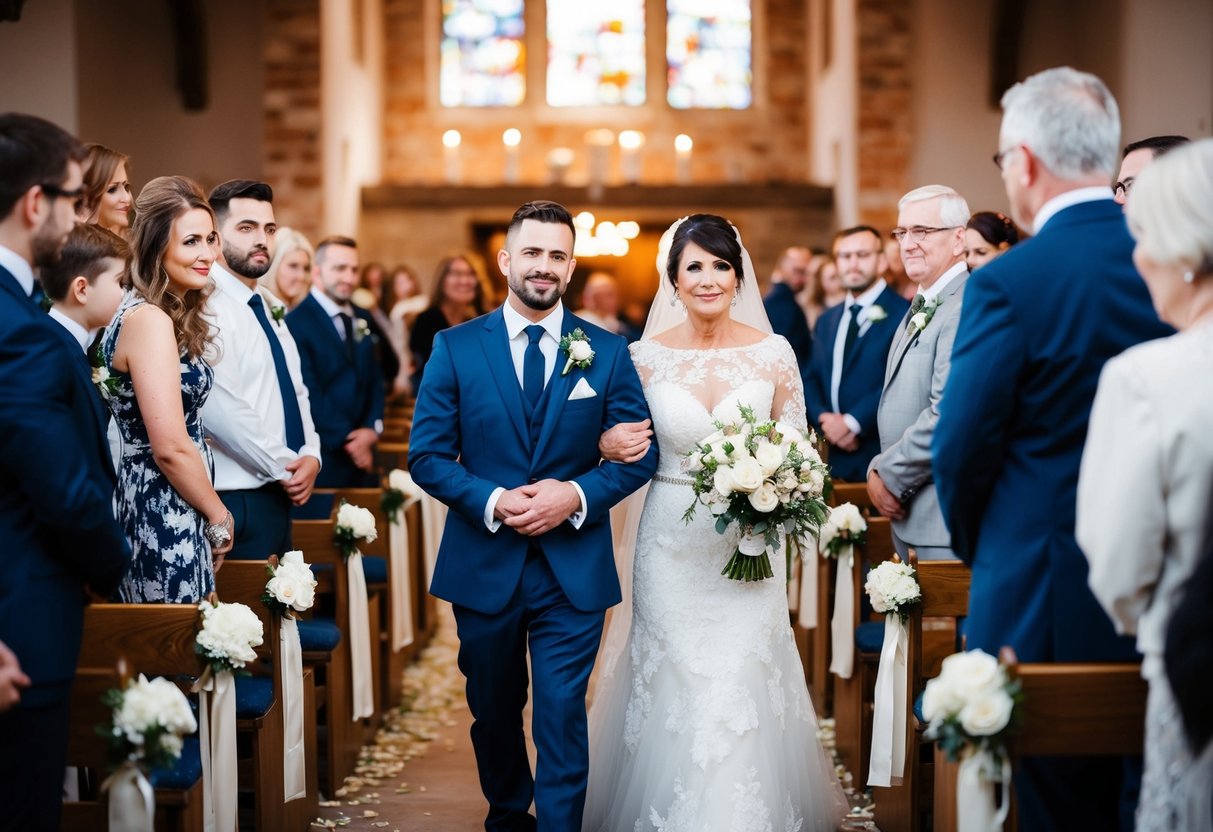
This practice can add a unique touch to your wedding ceremony, highlighting the bond between families. It reflects a supportive gesture, showing respect for both mothers and acknowledging their importance in your lives. Understanding your options allows you to create a personalized experience that feels right for you and your partner.
Whether you choose to follow traditional customs or mix in your personal preferences, the key is to make decisions that represent your relationship. This approach can lead to a memorable and heartfelt wedding ceremony that honors everyone involved.
Wedding Procession Traditions
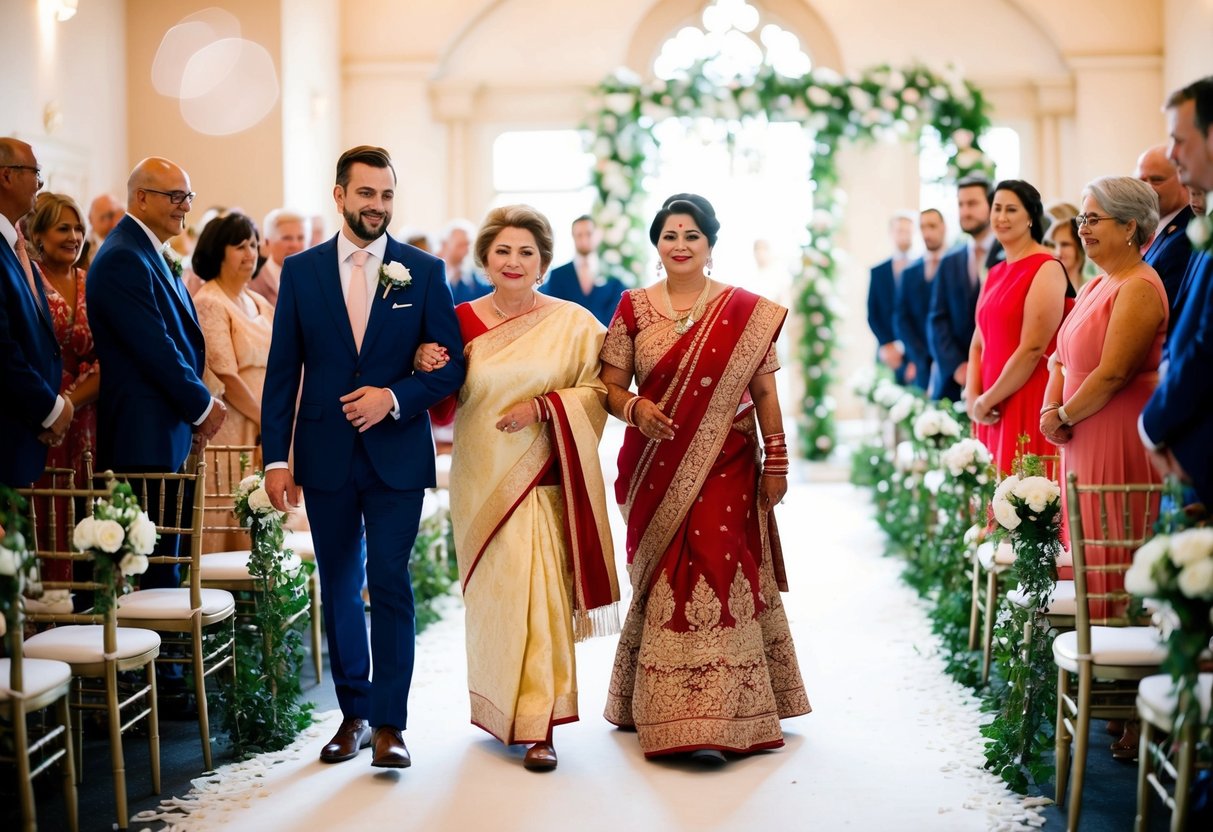
Wedding processions are rich in meaning and vary widely across cultures and religions. Understanding these traditions can help you navigate the order and roles during your ceremony.
Variations in Different Cultures
In a Christian wedding, the mother of the bride often walks down the aisle after the grandparents and before the bride. This emphasizes her important role in the ceremony.
In contrast, a Jewish wedding may include traditions like the bride circling the groom before the ceremony begins. The groom’s mother typically walks with her husband as part of the processional.
During a Hindu wedding, customs take on a different form. The groom usually participates in a lively procession called the baraat, celebrating his journey to the mandap.
Each culture has its unique approach, but they all emphasize the importance of family and community as couples begin their married life.
The Role of the Groom in Processions
In many cultures, the groom has a significant part in the wedding procession. In a typical Christian wedding, the groom may wait at the altar while the bridal party, including the bridesmaids and the mother of the bride, makes their way down the aisle.
In a Hindu wedding, the groom often rides on a horse during the baraat. This joyful arrival symbolizes his transition from bachelorhood to married life.
In both Jewish and Christian ceremonies, the groom may also be accompanied by his parents, symbolizing support from both families.
Understanding the groom’s role helps you appreciate the ceremony more fully and can guide you in planning your special day.
Roles and Duties in the Wedding Party
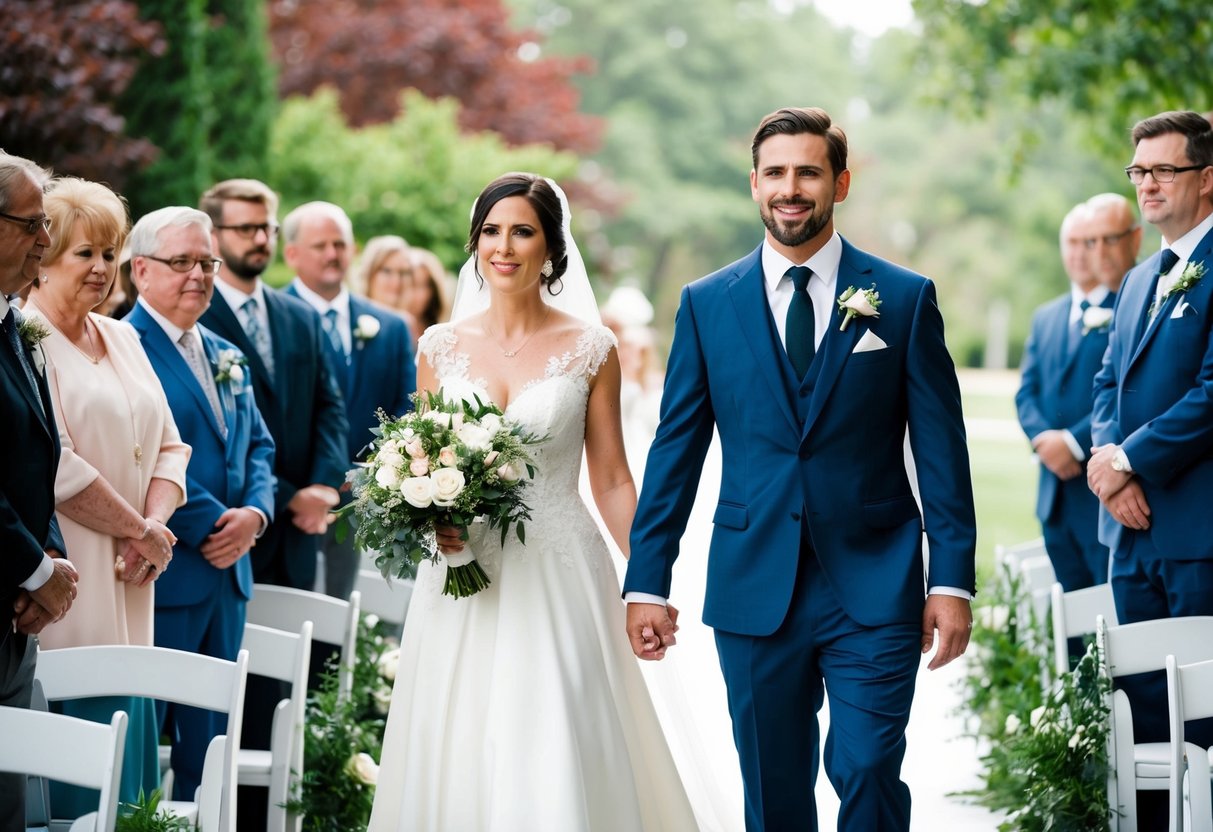
In a wedding, each person in the wedding party has specific roles and responsibilities. Understanding these duties can make the ceremony flow smoothly and ensure everyone feels included and valued.
Assigning Key Positions
When planning a wedding, you will want to assign key positions within the wedding party. Key roles typically include the best man, maid of honor, groomsmen, and bridesmaids.
- The best man supports the groom, helps with planning, and gives a speech at the reception.
- The maid of honor assists the bride and arranges bridal events like the shower.
Groomsmen and bridesmaids stand by the couple during the ceremony and often help with tasks leading up to it.
Consider including the mother of the groom and mother of the bride in special seating or acknowledgment during the ceremony. Each position adds significance to the day.
Who Escorts the Mothers
The roles of the mothers are very important. Often, the bride’s mother will be escorted down the aisle by the bride’s father.
In some cases, you might find that the groom walks his mother down the aisle as well. This can be a touching moment during the ceremony.
If the groom chooses to escort his mother, it creates a special bond. It shows respect and love for her.
Sometimes, a family member or groomsman may escort the mother of the groom to her seat. This arrangement ensures that both mothers feel honored and included in the ceremony.
Personal Preferences and Modern Adaptations
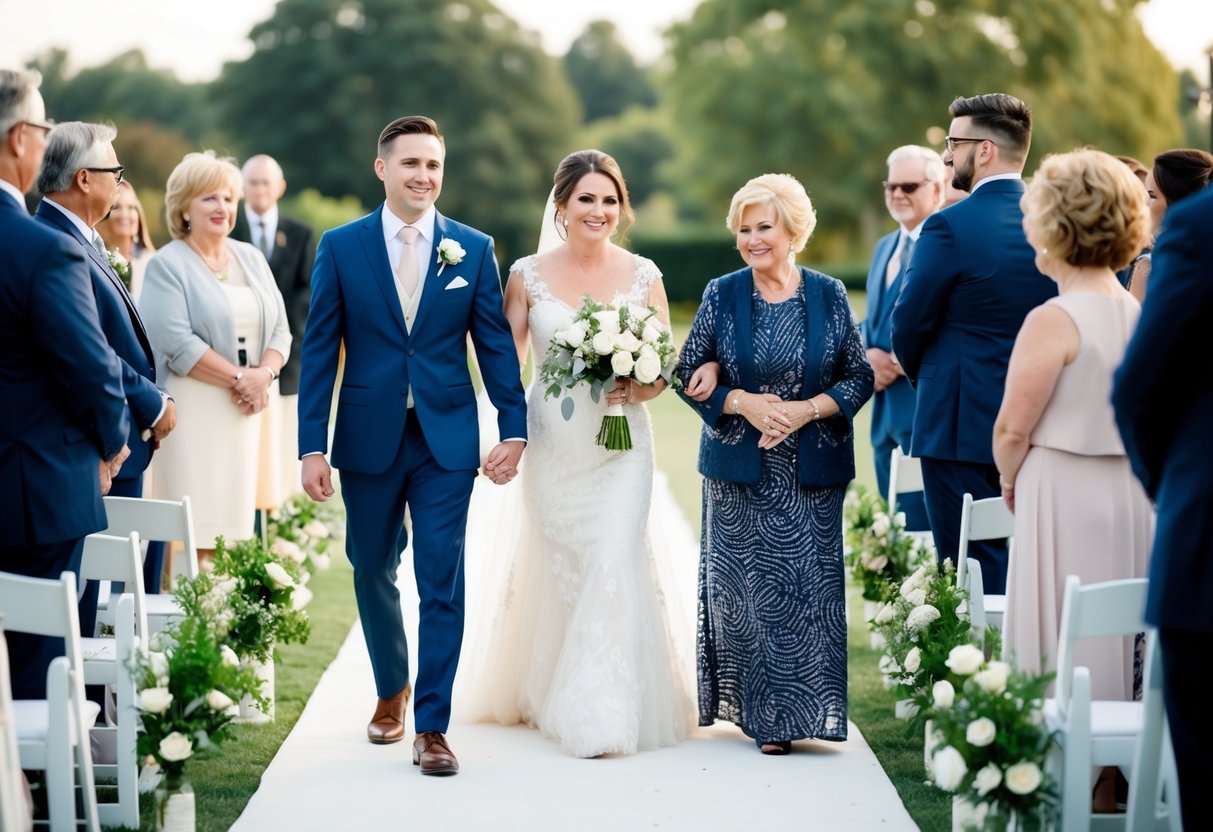
Every wedding is unique, and personal choices often guide how the ceremony unfolds. Many couples are now adapting traditional roles to better reflect their values and family dynamics. This flexibility allows for more meaningful moments during the ceremony, honoring relationships and family bonds.
Incorporating Family Dynamics
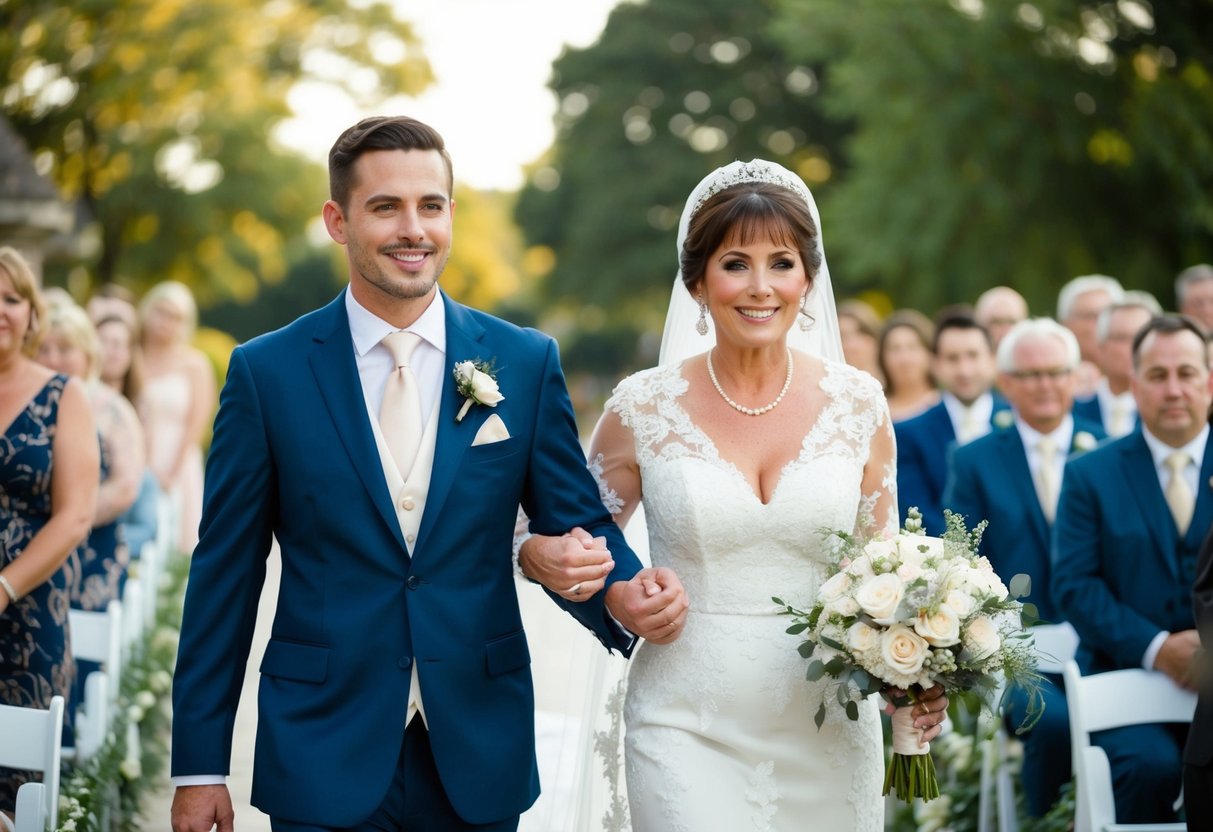
In modern weddings, family dynamics can play a significant role in how the processional is arranged. You might choose to have the groom walk the mother of the bride down the aisle as a way to honor her and strengthen family unity.
This choice can symbolize appreciation for the bride’s family and showcase the bond between families. It also reflects independence from strict traditions, allowing couples to create a ceremony that resonates with both families.
Honoring Parents
Honoring parents during the ceremony is essential for many couples. If the groom walks the mother of the bride, it highlights the value you place on family. This act can create a beautiful visual moment that showcases love and respect.
Consider what will make your family feel included and cherished. In some cases, both parents may walk the bride down the aisle, symbolizing support from both sides. No matter your choice, focusing on family bonds fosters appreciation for those who helped shape your lives. Each family story enriches the wedding experience.
Ceremony Procession Structure
Understanding the structure of the wedding procession helps you grasp how various family members are included and what roles they play. This can vary greatly depending on cultural practices and personal preferences.
The Typical Order of a Wedding Processional
The wedding processional typically begins with key family members walking down the aisle. It usually starts with the officiant at the front. After that, the grandparents of the bride and groom often follow. They are often seated before the main part of the ceremony starts.
Next in line are the flower girl and ring bearer. The flower girl typically scatters petals or carries a small bouquet, while the ring bearer holds the rings, enhancing the ceremony’s charm.
Then comes the groom and his party, which includes groomsmen. Finally, the bride, accompanied by either her father or another family member, walks down the aisle, marking the highlight of the event. This order creates an organized and meaningful procession that celebrates the joining of two families.
Special Considerations for the Mother of the Bride
The role of the mother of the bride in the processional can vary. Traditionally, she may walk down the aisle right before the bride. She is often seated in the front row, and this seat symbolizes her importance and support for her daughter.
Some couples choose to have the groom walk his mother down the aisle to her seat as a special gesture. This can be especially meaningful if the groom wants to honor his mother during the ceremony.
It’s important to communicate with both mothers about their preferences and feelings regarding their roles. Discussing these details ahead of time ensures everyone feels included and respected during the ceremony procession.