
Does the Groom Have to Buy the Bride’s Dress? Understanding Wedding Traditions
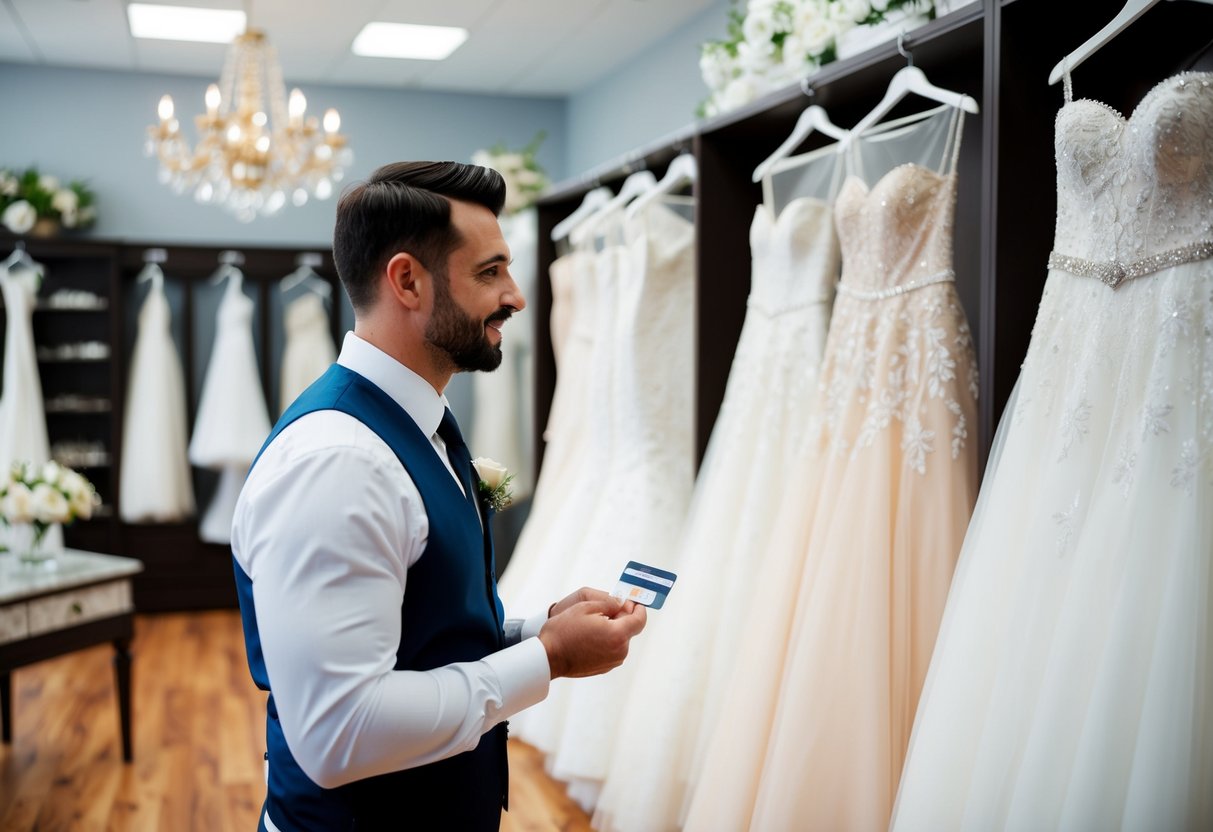
When planning a wedding, many questions come to mind, especially about who pays for what. One common concern is whether the groom has to buy the bride’s dress. Traditionally, the bride’s family covers the cost of the wedding dress, but modern practices can vary greatly.

In today’s weddings, financial responsibilities often shift and change. Many couples choose to share costs, which can include the dress, while others might decide that the bride buys her own gown. Understanding these options can make the planning process smoother and more enjoyable for you both.
As you explore the different traditions and modern practices surrounding wedding attire, you’ll find that each wedding is unique. Discovering what works best for you and your partner can help you create the celebration you desire.
Wedding Attire Traditions
Wedding attire traditions can vary widely based on cultural backgrounds and personal preferences. Understanding the roles and responsibilities tied to who pays for the wedding attire can help make the planning process smoother.
Roles and Responsibilities
In many cultures, the responsibility for buying the wedding dress often falls on the bride’s parents. This tradition has roots in historical customs where the bride’s family would cover significant wedding expenses.
The groom’s family commonly pays for the groom’s outfit. This includes items like suits, shoes, and accessories. However, this can vary. Some couples choose to share costs or have a more modern approach where everyone contributes.
It’s vital to communicate early about who will pay for what. Clear discussions can help avoid misunderstandings and keep the planning process enjoyable.
Cultural Variations
Cultural backgrounds greatly influence wedding attire traditions. In some cultures, the bride’s family may also provide items like jewelry or a special gown for the wedding ceremony.
In contrast, couples in more modern settings might decide to split costs evenly. Some may even choose to cover their own attire completely.
Wedding etiquette can also dictate traditions based on region. For example, in South Asian weddings, intricate bridal outfits are often a family affair, showcasing heritage and craftsmanship.
Understanding these cultural variations can enhance your wedding planning experience. It ensures everyone involved feels respected and included in these time-honored traditions.
Financial Aspects of Weddings
Weddings involve many financial decisions that can impact your budget. Understanding how to allocate funds and manage expenses will help you plan effectively.
Allocating the Budget
When it comes to your wedding budget, it’s important to break down all the key expenses. Consider the major elements like the venue, catering, and photography.
Don’t forget smaller costs such as the marriage license and wedding bands.
You can start by creating a list of essentials and assign approximate amounts to each category. This helps you see where your priorities lie.
For example, if you’re spending more on the engagement ring, you might cut back on flowers or decorations. It’s all about finding a balance that suits your needs.
Managing Expenses
Managing expenses can help reduce the financial burden of planning a wedding. Start tracking your spending as you go, noting what you’ve spent versus what you budgeted.
Look for ways to save. Consider DIY options for invitations or centerpieces.
You could also negotiate with vendors for better rates. Flash sales or off-peak dates can lead to even more savings.
Finally, remember to account for your honeymoon in your budget. It’s easy to overlook these details when focusing on wedding planning expenses.
By staying organized and flexible, you can enjoy your special day without financial stress.
Pre-Wedding and Ceremony Costs
Understanding the costs you’ll encounter during the pre-wedding phase and the ceremony itself can help you budget effectively. These expenses can add up, affecting your overall planning process.
The Engagement Phase Costs
During the engagement phase, you’ll likely celebrate with events like an engagement party and a bachelorette party.
The engagement party is often hosted by friends or family, but if you decide to host it yourself, consider costs for food, drinks, and decorations.
Your bachelorette party will also require a budget. Costs can include accommodations, activities, and transportation. Don’t forget to factor in the cost of bridal attire for the event, like a fabulous dress.
Additionally, you’ll need to purchase wedding rings. This expense varies widely, so set a budget that suits your style and preferences.
The Ceremony and Reception Details
For the ceremony and reception, the venue is usually the largest expense. Venue rental fees can vary based on location and popularity. It’s worth shopping around for the best option that fits your vision and financial plan.
Don’t overlook costs for the officiant, who typically charges a fee for their services.
You might also want to consider costs associated with wedding invitations and save-the-date cards.
For the reception, think about essential elements like catering. Having a wedding cake and alcohol can add to the cost, so discuss options with your caterer.
Entertainment, such as reception music or a DJ, is also an important part of the budget.
Lastly, don’t forget about attire. The groom will need a tuxedo, and bridesmaids’ dresses need to be chosen and funded as well, so these costs must be considered ahead of time.
Personal Elements of the Wedding
When planning your wedding, personal elements play a key role in making it unique. From the dress you choose to the special touches that add meaning, every detail reflects your style and story.
Dress and Accessories
Your wedding gown is often the centerpiece of your big day. Choosing the right dress involves personal taste and may even include input from your maid of honor or bridesmaids.
Wedding dresses come in various styles, so it’s important to try on different options to see what feels right for you.
Consider pairing your dress with accessories like a beautiful veil or statement jewelry. These elements enhance your look and make it even more special.
Think about how your hair and makeup will complement your chosen style. Hiring a professional can help you achieve the perfect look.
Additional Considerations
Beyond the dress, think about other personal touches.
Wedding party gifts can be a thoughtful way to show appreciation for those who support you. Selecting special items for your bridesmaids and groomsmen can make them feel valued.
Don’t forget to capture these moments!
Hiring a wedding photographer ensures that you have memories to cherish. You might also want to consider a wedding planner to help coordinate details and ease stress.
Each choice—from your bridal shower to sample sales—adds to the sentimental value of your wedding day.