
Does the Groom Kiss the Bride? Exploring Wedding Traditions and Romantic Moments
When you think about a wedding ceremony, one of the most memorable moments is when the groom kisses the bride. This act symbolizes their love and devotion, marking the official start of their life together as a married couple. It’s a tradition that dates back to ancient times and adds a special touch to the celebration.
As you plan your own wedding or reflect on past ones, you may wonder why this moment carries such significance. The kiss not only seals the marriage but also expresses affection and commitment in front of family and friends. This simple gesture captures the joy of the day and the promise of a shared future.
Understanding the importance of this tradition can deepen your appreciation for the wedding ceremony. It serves as a reminder of the love that brought the couple together and the journey they are about to embark on.
The Meaning Behind the Kiss
The kiss between the bride and groom is more than just a simple tradition. It carries deep historical and cultural meanings that reflect love, commitment, and devotion.
Historical Significance
In ancient ceremonies, especially within Christian tradition, the kiss symbolized a bond that merged personal promises with a spiritual connection. The phrase “you may now kiss the bride” signifies the moment when vows are sealed.
In some rituals, this moment comes after the kiss of peace given by a priest to the groom, who then shares it with his bride. This practice highlights the kiss as a symbol of acceptance and unity.
Cultural Variations
Cultural practices around the wedding kiss vary widely. In some cultures, a public kiss is a joyful expression of love and devotion in front of family and friends.
For example, in many Western weddings, the wedding kiss is a highlight, often captured in photos and cherished in memories. In contrast, other cultures may see the kiss as a more private gesture that occurs during the ceremony away from public view. This diversity shows how a simple kiss can resonate uniquely across different traditions, yet maintain its fundamental meaning of commitment.
Ceremony Rituals and Vows
During a wedding ceremony, the rituals and vows are key moments that bring meaning and emotion to the event. These elements help to celebrate the couple’s love and commitment. Let’s look at the major components involved in this special occasion.
Order of Events
In a traditional wedding ceremony, the order of events typically follows a set pattern. The ceremony often begins with the processional, where the wedding party walks down the aisle.
Next, the officiant welcomes everyone and may share some words about love and marriage. After that, you exchange your wedding vows, which are promises to support and love each other.
The vows can be personalized or follow a traditional script, especially in Catholic wedding ceremonies. Following the vows, you will share the first kiss as a married couple, marking a significant moment in the ceremony.
Lastly, the officiant pronounces you husband and wife, and the ceremony concludes with the recessional, where you both walk back down the aisle as a newly married couple.
Role of the Officiant
The officiant plays a crucial role in your wedding ceremony. As the person who leads the event, the officiant guides you and your guests through the various rituals and vows.
Before the ceremony, you’ll likely meet with the officiant to discuss your preferences, including any personal touches you’d like to add. During the ceremony, they will present your vows, ensuring you feel comfortable and connected.
In addition, the officiant often provides context about the significance of the rituals, which helps everyone understand the importance of each moment. The celebrant’s warm presence can add a personal touch to your marriage ceremony, making the experience more memorable.
Involvement of Family
Family members often play important roles during the wedding ceremony. For instance, the father of the bride may traditionally escort her down the aisle, symbolizing his support.
You may also involve family members in the ceremony by having them read passages or share special memories. This inclusion can create a deeper connection between your families and the celebration of your union.
In some cases, family traditions are incorporated, reflecting cultural backgrounds and values. These rituals enrich your ceremony, making it unique to your love story. Engaging your loved ones not only strengthens bonds but also adds layers of meaning to your beautiful day.
The Big Moment
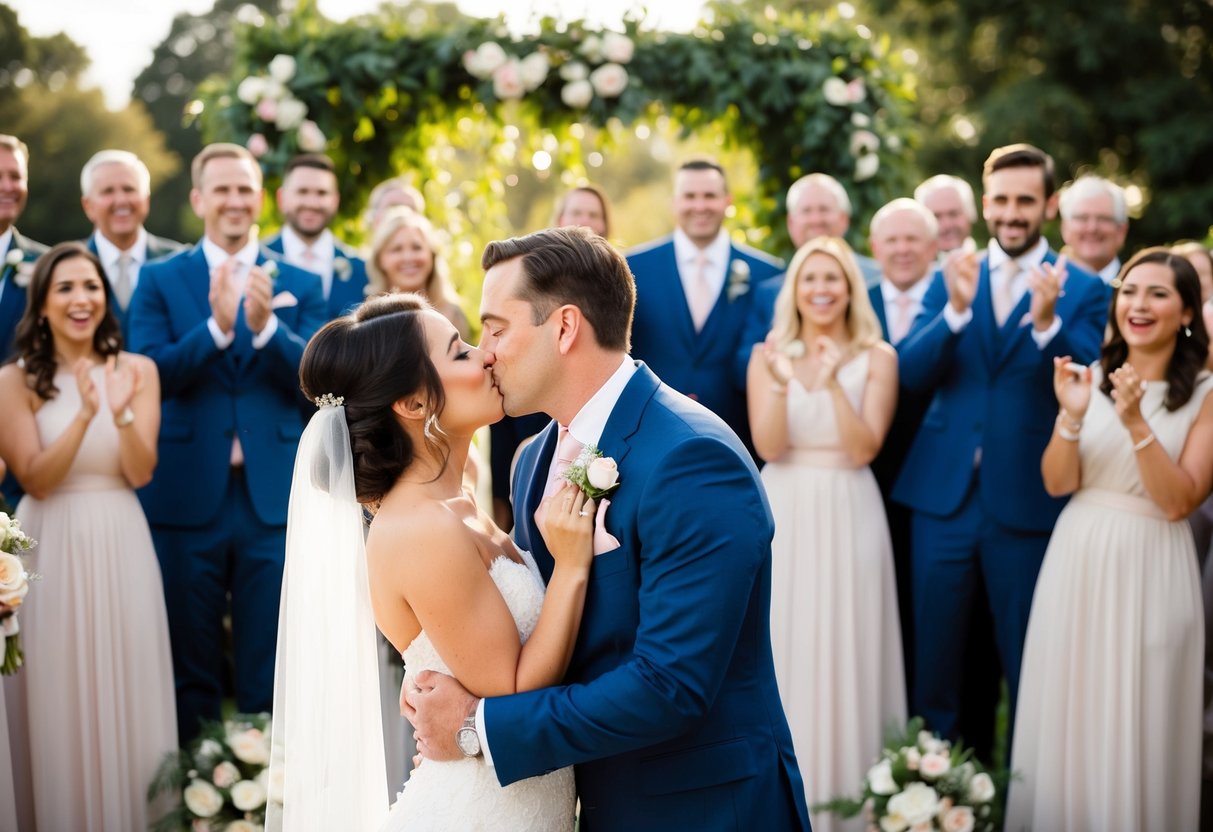
This moment is one of the most anticipated parts of the wedding ceremony. The kiss serves as a beautiful symbol of your love and commitment as a newly married couple.
Preparation and Anticipation
As the ceremony progresses, anticipation builds. Guests lean in, waiting for the unforgettable moment when you kiss your bride. The officiant’s words, “You may now kiss the bride,” signal that it’s time. This phrase marks the transition from engaged to married status.
Both of you may feel a mix of excitement and nervousness. Make eye contact and remember the love that brought you to this day. Taking a deep breath can help ease any jitters. You want this to be a special moment, reflecting your feelings for one another.
Capturing the Moment
When the kiss finally happens, it’s a moment of joy and tenderness. Photographers are often ready to capture this beautiful scene. The first kiss symbolizes not just love, but your commitment as a newly married couple.
Think about how you want this kiss to look. A gentle peck or a more passionate embrace can both work well. As you kiss, focus on each other, ignoring the audience for a moment. Enjoy this time as it bonds you together as husband and wife. This shared experience becomes a cherished memory that you both will look back on fondly.
Celebrations Post-Ceremony
After the groom kisses the bride, the excitement continues with various celebrations. These events often include lively receptions and traditions that add joy to the day. Here’s a closer look at what typically follows the ceremony.
Reception Traditions
At the wedding reception, the newlyweds are usually greeted by a receiving line. This allows you to thank guests for attending and offers them a chance to congratulate you. This tradition can be a sweet way to start the festivities.
The wedding party plays a special role during the reception. They often participate in key moments, such as the first dance and toasts. The bridal party may also coordinate fun activities that engage all your guests.
Food and drinks are also essential parts of a wedding reception. From elegant sit-down meals to buffet-style options, what you serve can reflect your personal taste. Many couples opt for unique cake designs that represent their style.
Modern Adaptations
In recent years, weddings have evolved to embrace more modern practices. The traditional reception remains popular, but many couples now choose to incorporate personal touches.
For example, you might choose to skip the receiving line for a more casual mingling time during cocktail hour. This approach can create a relaxed atmosphere for everyone involved.
Themed receptions have become popular, allowing creativity to flourish. Whether it’s a royal wedding concept or a whimsical theme, it sets the tone for your celebration.
Engaging wedding planners can help you execute these ideas beautifully. They can assist you in blending classic traditions with modern adaptations, ensuring your special day is memorable.