
Does the Maid of Honour Walk Down the Aisle First? Understanding Wedding Traditions
When it comes to a wedding ceremony, the order in which the wedding party processes down the aisle is important. In traditional weddings, the maid of honor typically walks down the aisle last before the bride. This role highlights her special position and support for the bride as she prepares to say her vows.
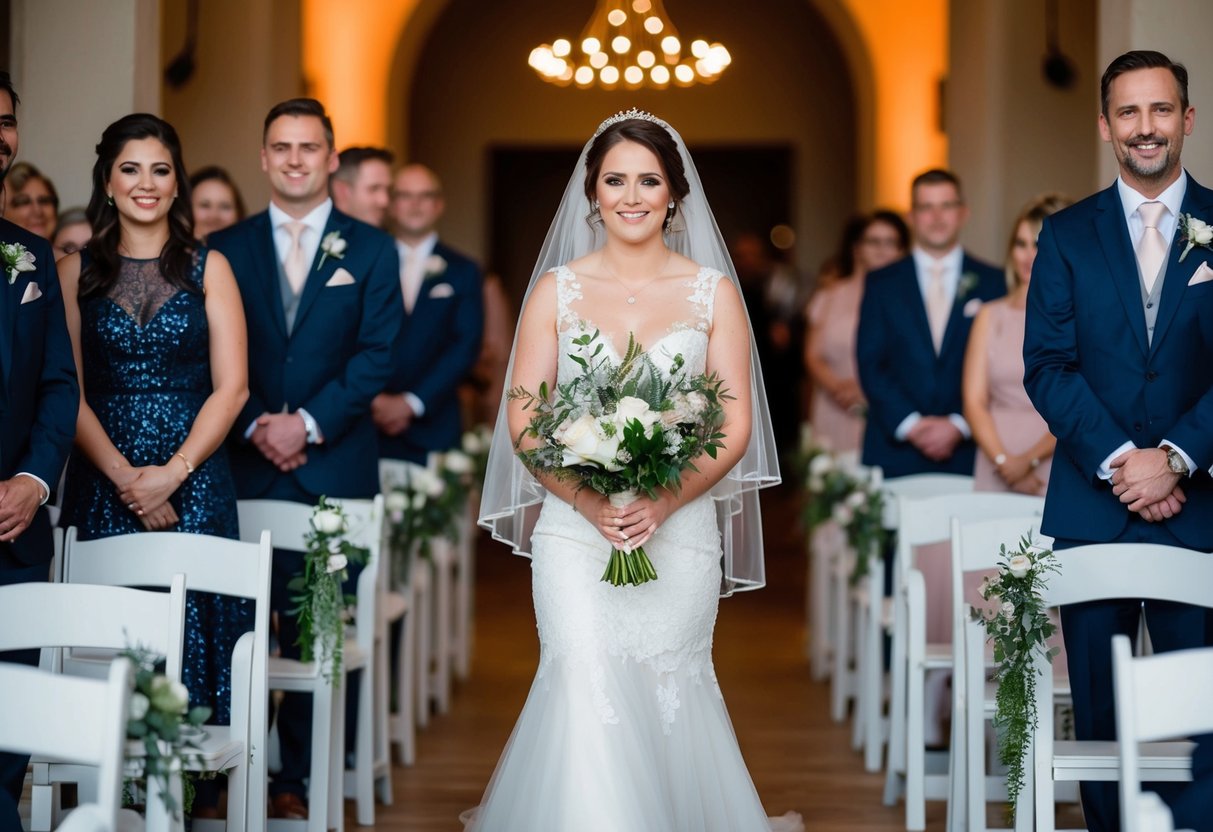
In modern ceremonies, variations exist, and some couples choose different processional orders. You might see the bride’s maids walking together with groomsmen or the maid of honor leading the way in certain unique setups. Whatever you decide, understanding the role of the maid of honor can help you plan a memorable ceremony that fits your vision.
Understanding the Wedding Processional

The wedding processional is a key part of the ceremony. It sets the tone for the event and helps everyone know what to expect. Here, you will learn about the order of the wedding party, the roles of important participants, and how different cultures approach the processional.
The Order of the Wedding Party
The processional typically starts with the officiant. The groom and groomsmen follow, often walking in pairs. Next come the bridesmaids, beginning with the one farthest from the couple. They walk down the aisle leading to the altar.
After the bridesmaids, the maid of honor walks last before the bride. The flower girl and ring bearer can go together before the bride. This order helps create a flow that builds anticipation for the bride’s entrance.
Roles of Key Participants
Each member of the wedding party has an important role. The officiant leads the ceremony, offering guidance and structure. The groom stands at the altar, waiting for his partner. Groomsmen support the groom and often help with tasks before the ceremony.
The bridesmaids accompany the bride and often help with her dress or flowers. The maid of honor, as the bride’s closest friend, has special duties like holding the bride’s bouquet. Little ones like the flower girl and ring bearer add charm as they make their way down the aisle, making the moment even more special.
Cultural Variations in Wedding Processionals
The wedding processional can vary greatly by culture. A Christian wedding processional order often follows the structure we discussed earlier. In a Catholic wedding, both parents may escort the bride, creating a more formal feel.
In a Jewish wedding, the family participates more, with both sets of parents leading the procession. Hindu weddings involve vibrant ceremonies, with the groom arriving on a horse or in a decorated car. Nondenominational weddings allow couples to personalize the processional, choosing the order that feels right for them.
Each of these variations adds richness and diversity to the wedding experience.
Special Moments in the Processional

The wedding processional is filled with special moments that create lasting memories for everyone involved. Understanding these moments helps you appreciate the significance of each participant’s role in the ceremony.
The Entrance of the Maid of Honor
The maid of honor holds a special place in the processional. She typically walks down the aisle after the bridesmaids, making her the last of the bridal party to enter before the bride. This moment is important because it signifies her support and readiness to stand by the bride’s side during the ceremony.
As she walks, all eyes are on her. She may carry a bouquet or assist with the bride’s dress as needed. This adds an emotional touch to the moment, especially if the maid of honor is a close friend or sister. The cheers and smiles from guests highlight her crucial role in this beautiful day.
Grand Entrances and Family Traditions
Grand entrances can vary greatly depending on family traditions. You may see the father of the bride accompanying her down the aisle, showcasing a touching bond. Alternatively, the bride may opt for a unique entrance that reflects her personality, such as walking with both parents or even in a solo moment of pride.
Family members often play vital roles in this part of the ceremony. Whether it’s a flower girl scattering petals or a ring bearer with a tiny pillow, each adds charm. Other participants, like the mother of the bride, might also have special tasks during the entrance, enhancing the emotional atmosphere.
Key Considerations When Planning the Processional
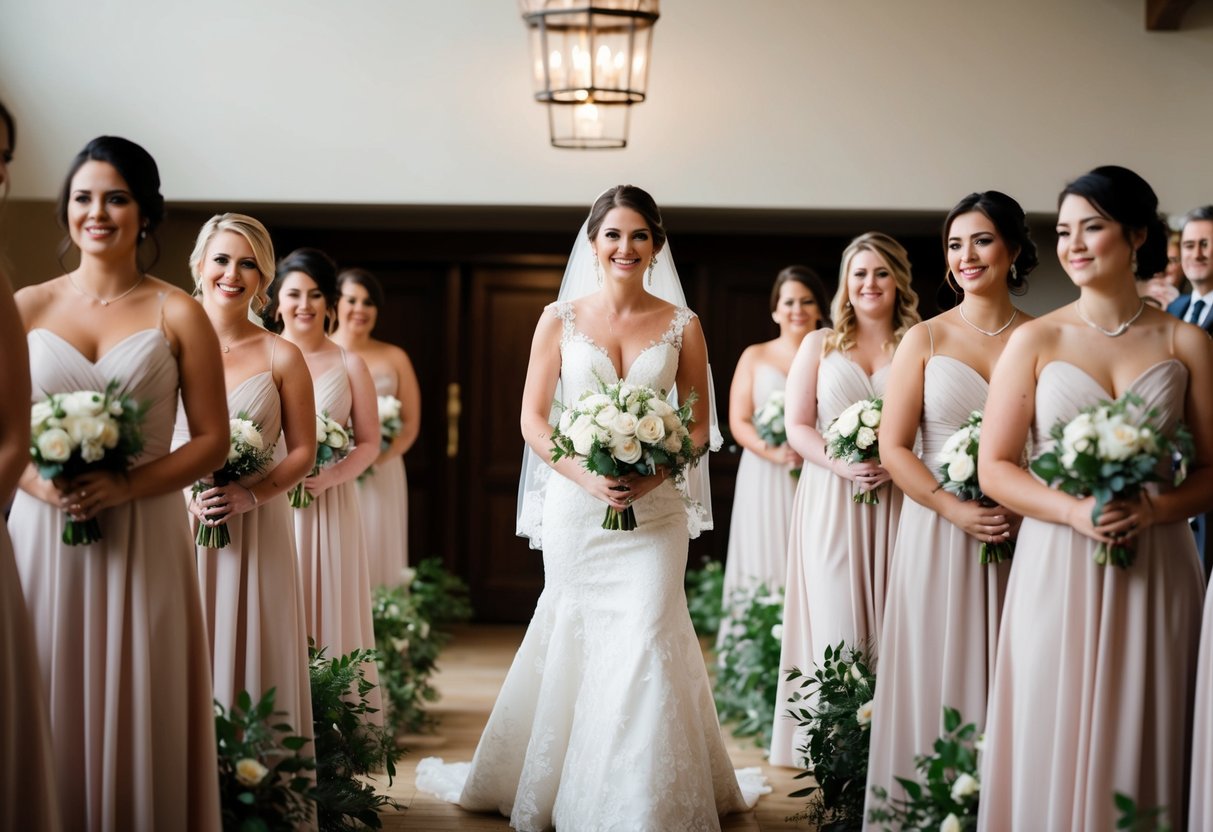
Planning the processional is an essential part of your wedding. By focusing on music, pace, and coordination, you can create a memorable experience for both you and your guests.
Selecting the Right Music
Choosing the right processional music sets the tone for the entire ceremony. Think about personal preferences and your unique style when selecting tunes.
You might consider traditional options, like classical pieces, or modern songs that resonate with you. Many couples choose instrumental versions of their favorite songs for a soft touch.
Creating a playlist can be helpful. Include sections for each part of the processional, considering the time each person walks down the aisle.
Be sure to listen to the songs several times. This can help you envision how they will fit into the ceremony.
Determining the Pace
The pace of the processional is crucial in creating a heartfelt atmosphere. You want to ensure that each participant, including the maid of honor, has enough time to make their entrance.
Think about how fast or slow you’d like the procession. A slower pace allows for a more dramatic entrance. Alternatively, a quicker pace keeps the ceremony moving forward smoothly.
Consider the timing of each song. Calculate how long each participant will take to walk down the aisle. A good rule of thumb is to aim for around 10-15 seconds per person.
Communicate this pace clearly with all participants, so everyone is on the same page.
Rehearsal and Coordination
A rehearsal is vital for making sure everything goes smoothly on the big day. It provides a chance for everyone to practice their entrances, ensuring they feel comfortable.
During the rehearsal, you can walk through the order of procession down the aisle. This includes everyone involved, from the bridesmaids to the ring bearer.
Coordinate with your wedding planner to ensure everyone knows their role. Discuss where each person should stand during the ceremony.
Good communication helps to prevent any last-minute surprises. By planning ahead, you will create a seamless experience for everyone involved.