
Does the Mother of the Bride Pay for Anything? Exploring Her Financial Role in Wedding Planning
Planning a wedding can be exciting yet overwhelming, especially when it comes to who pays for what. As the mother of the bride, you may wonder about your financial responsibilities. Traditionally, the mother of the bride helps cover various expenses, including the wedding dress, floral arrangements, and even pre-wedding events.

Your role is not only about helping the bride look her best but also making sure the celebration reflects her dreams. Understanding your typical duties can ease the financial burden and guide your planning process.
By knowing what to expect, you can focus more on making special memories with your daughter during this joyful time.
The Role of the Mother of the Bride
The mother of the bride has a significant role in a wedding, balancing traditional duties with modern expectations. You’ll be an important support system for your daughter throughout the planning process and on the wedding day.
Traditional Duties and Modern Expectations
Traditionally, the mother of the bride was responsible for many details. This often included planning and hosting events like the bridal shower and assisting with guest lists. In the past, she also played a major role in covering wedding expenses.
Today, the expectations have shifted. Many couples now share costs more evenly with both families contributing. As a mother, you may still help with budgeting and planning, but it’s important to communicate with your daughter about her wishes.
Understanding these changes helps you navigate your role effectively. You can offer guidance while respecting your daughter’s vision for her big day, balancing tradition with her modern expectations.
Emotional Support and Participation in Planning
Emotional support is one of your most meaningful duties. Weddings can bring stress, so being there for your daughter matters greatly. Your encouragement and positivity can help her feel more relaxed and focused.
Participating in planning also strengthens your bond. You can assist with selecting vendors, choosing decorations, and even deciding on the menu.
Having regular conversations about her preferences ensures both of you are on the same page.
Engaging in these discussions allows you to share ideas and celebrate the planning process together. This cooperation can create treasured memories and a strong relationship throughout this life-changing event.
Financial Contributions
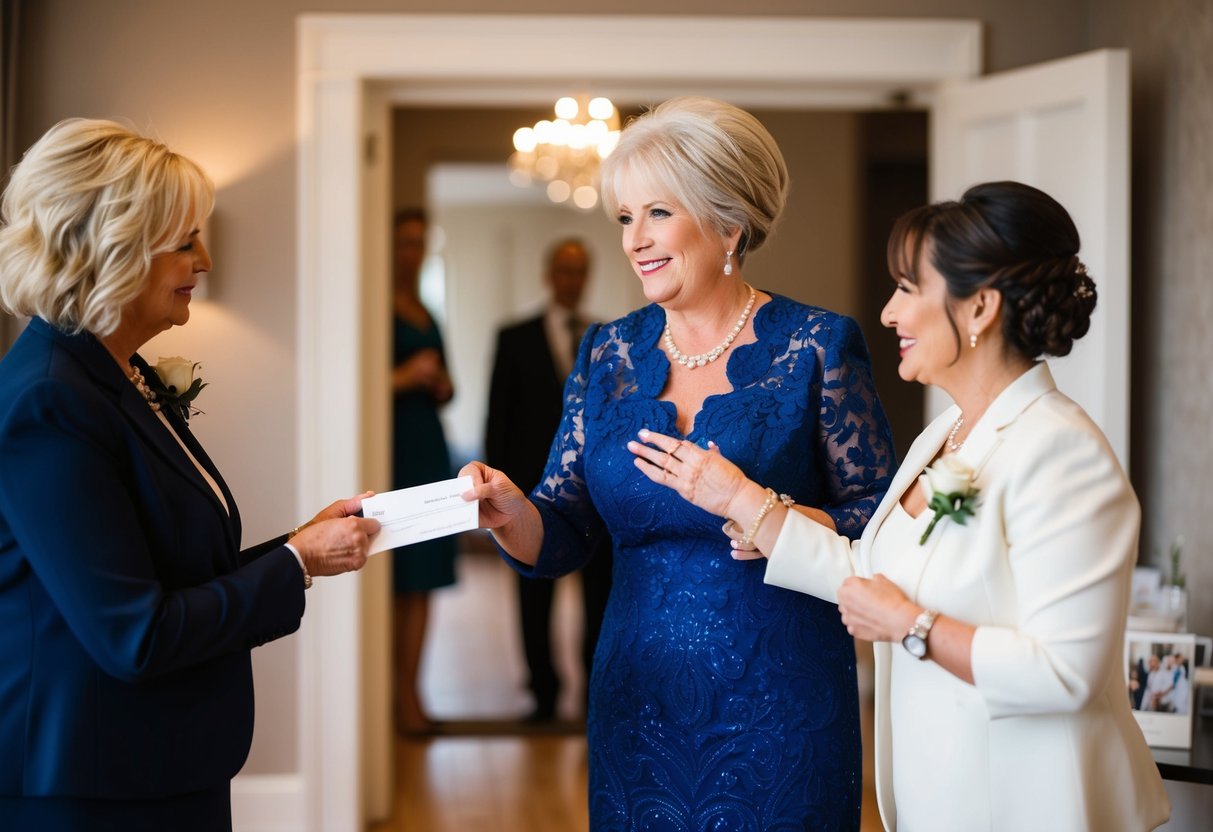
When planning a wedding, understanding the financial contributions expected from family members can help ease any confusion. The mother of the bride often has specific responsibilities, which may include both traditional and optional costs. Knowing these details can help you plan your budget effectively.
Understanding Wedding Expenses
Weddings come with a variety of costs, and it’s vital to know what they include. Common expenses are venue rental, catering, and decorations.
Additionally, you might consider costs for items like the wedding dress, invitations, and the marriage license.
As the mother of the bride, your contributions often involve dress costs and involvement in events leading up to the big day. These may include helping with the rehearsal dinner or assisting with any wedding gifts. Understanding what you might pay for will help you plan ahead.
Traditional and Optional Costs
Traditionally, the bride’s family pays for many wedding expenses. This often includes the venue, food, flowers, and sometimes the photographer.
As the mother of the bride, you may also be responsible for your attire and the bridal party gifts.
However, there are optional costs as well, such as decorating the reception venue or organizing pre-wedding events. You can discuss which costs you are willing to cover.
Families nowadays often split expenses more evenly, so it’s essential to think about your own budget and responsibilities.
Budgeting and Discussing Finances
Budgeting is an important step in planning the wedding. Sit down with your family and talk about who will pay for what.
You may find it helpful to create a list of all possible expenses to ensure everyone agrees on contributions.
Consider creating a rough estimate based on traditional costs. For example, if you plan to invite a lot of guests, catering costs can add up quickly.
Keep in mind that communication is key. Discussing finances openly can help prevent surprises down the road, making the planning process a lot smoother for everyone involved.
Pre-Wedding and Ceremony Essentials

As the mother of the bride, you play a key role in important pre-wedding events. Planning the bridal shower and managing the guest list are essential tasks that help set the tone for the big day.
Planning the Bridal Shower and Engagement Party
You often help plan both the bridal shower and the engagement party. This is a great opportunity to celebrate with close friends and family.
Start by discussing the guest list with your daughter. Make sure to include her closest friends and family members.
Consider the couple’s favorite places for venues, whether it’s a nice restaurant or a cozy home gathering.
When it comes to items like invitations and stationery, you can choose themes that fit the couple’s personality. This could mean elegant designs or something fun and casual.
You can also coordinate decorations and food that match the mood of the event.
Managing the Guest List and Seating Arrangements
Another important task is managing the guest list. This involves compiling names, addresses, and RSVPs for events. Make sure that everyone important to the couple is included.
Preparation for the wedding also means creating a seating chart. This helps guests know where to sit during the reception.
It’s helpful to group people who know each other or share interests.
Be prepared for adjustments as the date approaches. Some invitees may change their plans. Keeping the seating chart flexible ensures everyone feels comfortable and has a great time.
Day-Of Wedding Responsibilities

On the wedding day, the mother of the bride has important tasks to ensure everything runs smoothly. You’ll coordinate attire and decorations, as well as host guests and create a welcoming atmosphere.
Coordinating Attire and Floral Decorations
You’ll make sure everyone is dressed for the occasion. This means checking that the bridal party’s attire, including wedding dresses, suits, and accessories, is ready.
Don’t forget the corsages and boutonnieres for family members, adding a special touch to their outfits.
Floral arrangements are also your responsibility. Confirm that the venue has the right flowers in place, including those for the ceremony and reception.
Arrange with the florist for timely delivery. If you’re coordinating photography and videography, ensure they capture these details.
Hosting Duties and Making Guests Feel Welcome
As the host of the wedding, you play a crucial role. Greet guests as they arrive and help them find their seats. A warm welcome sets a positive tone for the celebration. Also, answer any questions and provide guidance on the day’s schedule.
Guest transportation is another important aspect. If you arranged transportation, check that it runs on time and that guests know where to go. During the ceremony and reception, be attentive to everyone’s needs to create a memorable experience for all involved.