
Does the Mother of the Bride Sit on the Aisle? Understanding Seating Arrangements at Weddings
As you prepare for the big day, you might wonder about the seating arrangement during the wedding ceremony, especially when it comes to the Mother of the Bride.
Traditionally, the mother of the bride does sit in the first row, typically on the left side of the aisle. This spot is chosen so she can have a clear view of her daughter as she walks down the aisle.
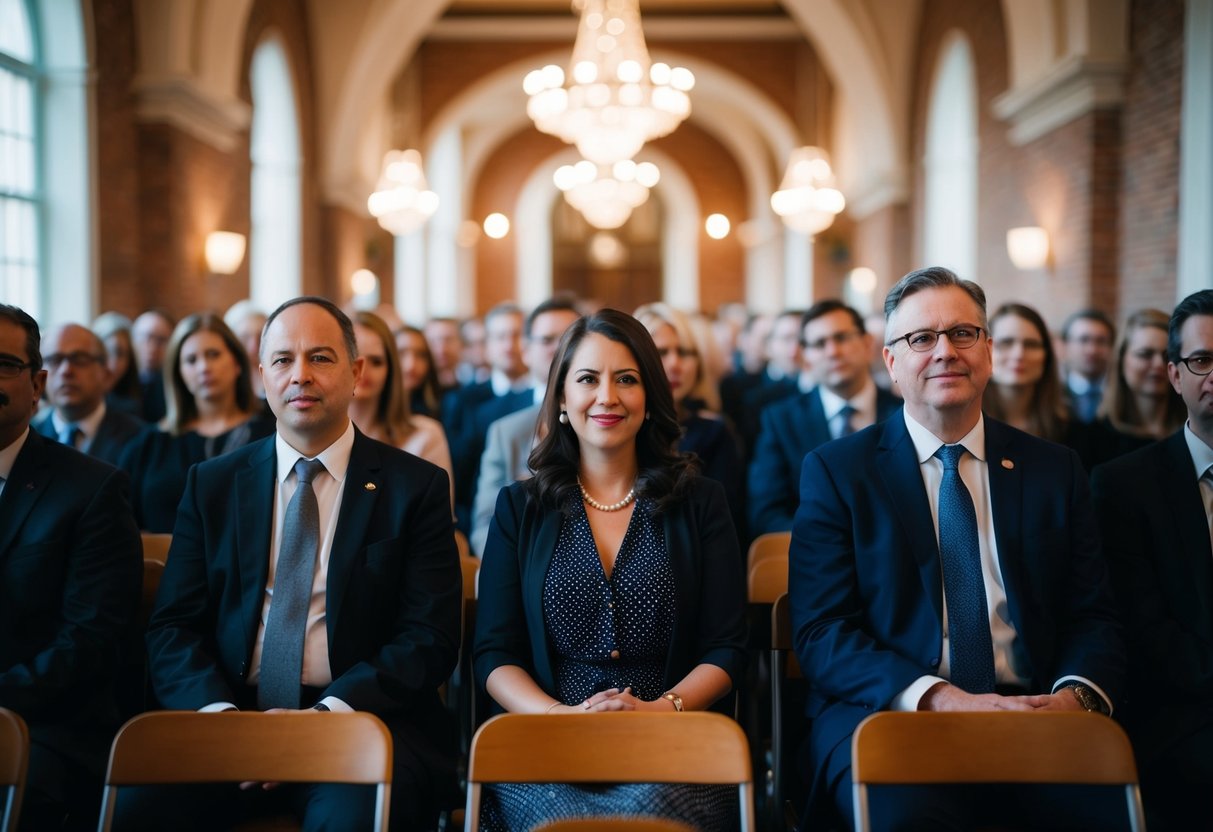
Seating the mother of the bride in a prominent place is not just about tradition; it’s a way to honor her role in the ceremony. Family members often gather close to show their support, and this seating choice symbolizes the importance of family ties in weddings. Understanding these wedding traditions can help you plan a ceremony that feels both personal and meaningful.
If you’re involved in planning a wedding, knowing where the mother of the bride sits can help set the tone for the ceremony. It ensures that she feels respected and celebrated as she watches her child begin a new chapter in life.
Roles and Responsibilities
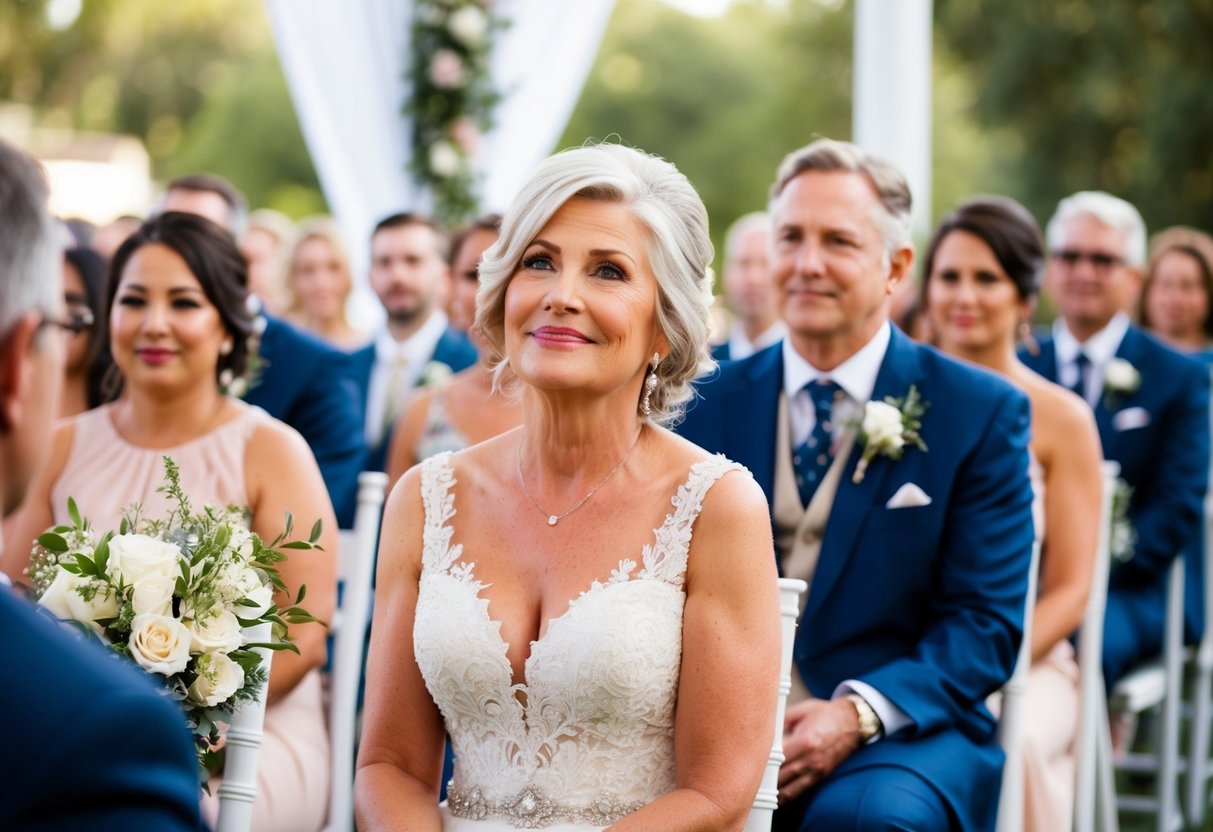
Understanding the roles and responsibilities of the mother of the bride is essential for a smooth wedding. These duties can vary based on family dynamics and personal preferences, affecting how the ceremony unfolds.
Mother of the Bride’s Role
The mother of the bride holds a unique position in the wedding planning process. She often acts as a key supporter, helping with decisions about the venue, guest list, and even dress selections.
Her involvement can range from assisting with budget management to organizing pre-wedding events. Emotional support is also a significant part of her role, as she helps the bride navigate the ups and downs of planning.
During the ceremony, she usually sits in the front row on the left side. This location symbolizes her important role in the bride’s life. If she wishes, she might be escorted by a family member to make her entrance even more special.
Family Dynamics and Personal Preferences
Family dynamics play a vital role in determining how duties are assigned. You may find that each family has different traditions and expectations. For instance, some families expect the mother of the bride to take charge, while others incorporate the groom’s mother into major decisions.
Personal preferences significantly shape the planning process as well. You might choose to include other family members in specific roles based on their relationships. For example, a close brother might walk you down the aisle for a touching moment.
This flexibility allows each wedding to reflect the unique bonds within families, making it a meaningful experience for everyone involved.
Ceremonial Positions and Processions
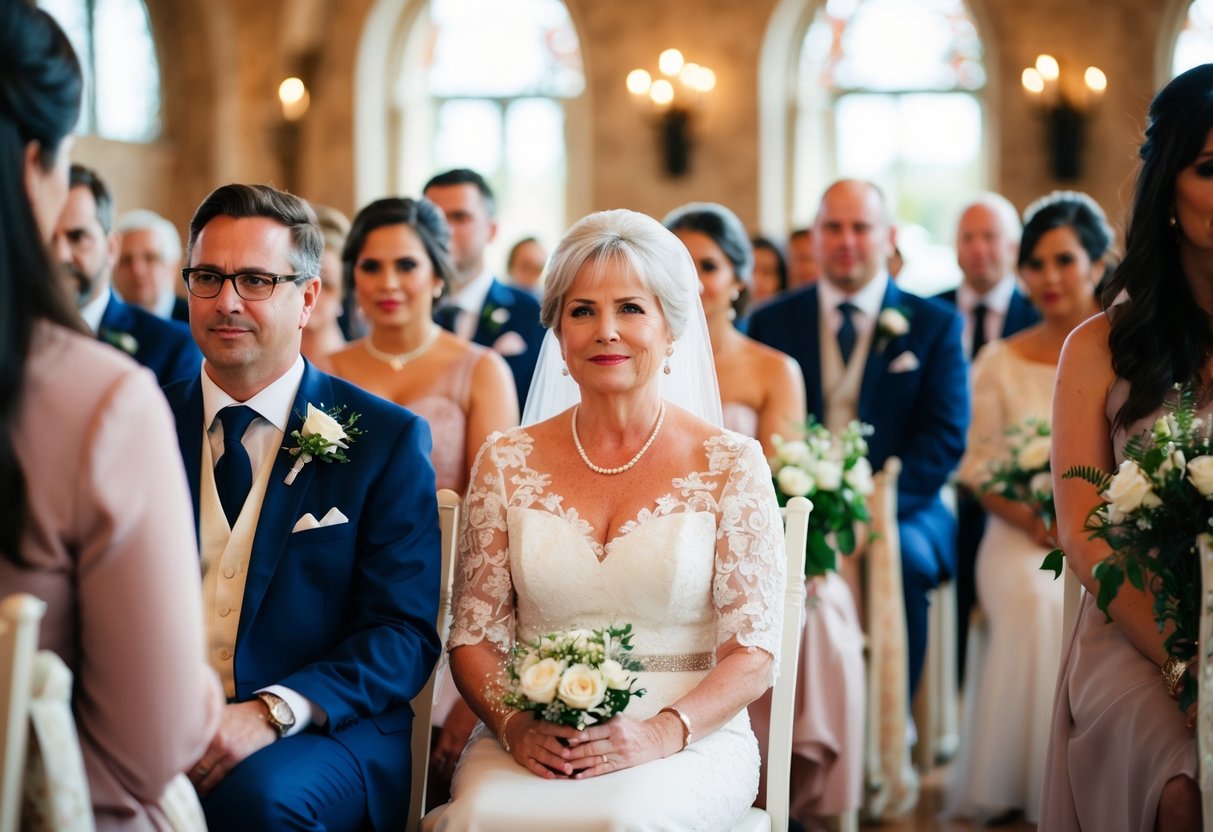
Understanding who walks where and how seating arrangements are made can help you plan your wedding ceremony smoothly. Key roles and their positions create a special atmosphere, honoring family and friends involved in your big day.
Walking Down the Aisle
The walk down the aisle is a cherished moment in any wedding. Traditionally, the groom’s parents may walk first, followed by the mother of the bride, who often walks alone or with a family member.
As the ceremony begins, the bridesmaids and groomsmen follow, leading up to the bride. The flower girl and ring bearer usually walk just before the bride, bringing a sense of whimsy and joy. The officiant stands at the front, ready to welcome everyone and lead the vows.
Wedding Processional Order
The wedding processional order can be tailored to suit your style. A common order starts with the grandparents, followed by the groom’s mother, the bride’s parents, and then the wedding party.
After the wedding party, the bride walks down the aisle last, usually escorted by her father or both parents. This tradition highlights the significance of the bride’s entrance, marking the emotional peak of the ceremony. Check with The Knot for more details on different processional styles.
Special Seating Arrangements
Special seating is an essential part of your ceremony’s layout. The mother of the bride typically sits in the front row on the left side of the aisle, which is a place of honor.
The groom’s parents usually sit on the right side. This seating helps to recognize both families and their roles in the couple’s life. If you have unique family dynamics, you can adjust these arrangements to ensure everyone feels comfortable and included. For creative ideas, you can look into various seating arrangements from Wedding Wire.
Cultural and Religious Traditions
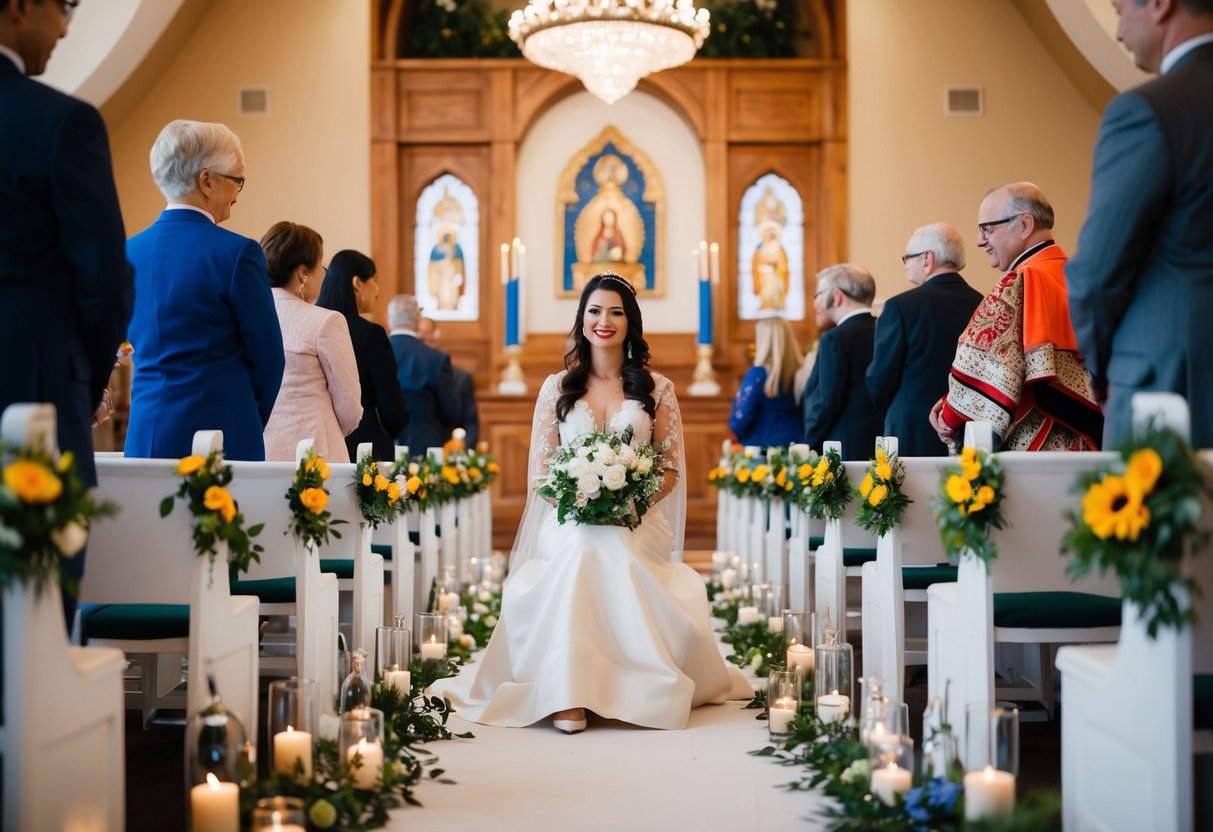
Cultural and religious traditions play a big role in how weddings are organized, especially regarding seating arrangements. Understanding these customs can help you decide where the mother of the bride should sit during the ceremony.
Diverse Wedding Ceremony Customs
In different cultures, the mother of the bride has specific seating customs. In a Christian wedding, she often sits in the front row on the left side. This symbolizes her support for the bride.
In a Jewish wedding, the mother is typically seated near the Chuppah, the canopy under which the couple stands. Her role and seating reflect her importance in the celebration.
For a Hindu wedding, customs can vary widely. The Mandap is the focal point where the ceremony occurs, and the mother usually holds a prominent position nearby. You might notice similar customs in other cultures that highlight the family’s role in the ceremony.
Modern Updates to Traditions
Modern weddings often blend traditional roles with contemporary ideas. While some brides may choose to follow the classic seating arrangement, others break norms.
In many cases, the mother of the bride might walk down the aisle solo or be escorted by a family member instead of her partner. This change promotes a sense of equality, reflecting modern values.
In a civil ceremony, arrangements can be more relaxed. The couple might choose who sits where based on personal preference, not tradition.
Understanding these contemporary shifts can help you make informed decisions about seating and processionals, creating a wedding that feels personal and meaningful to you.
Music and Symbols
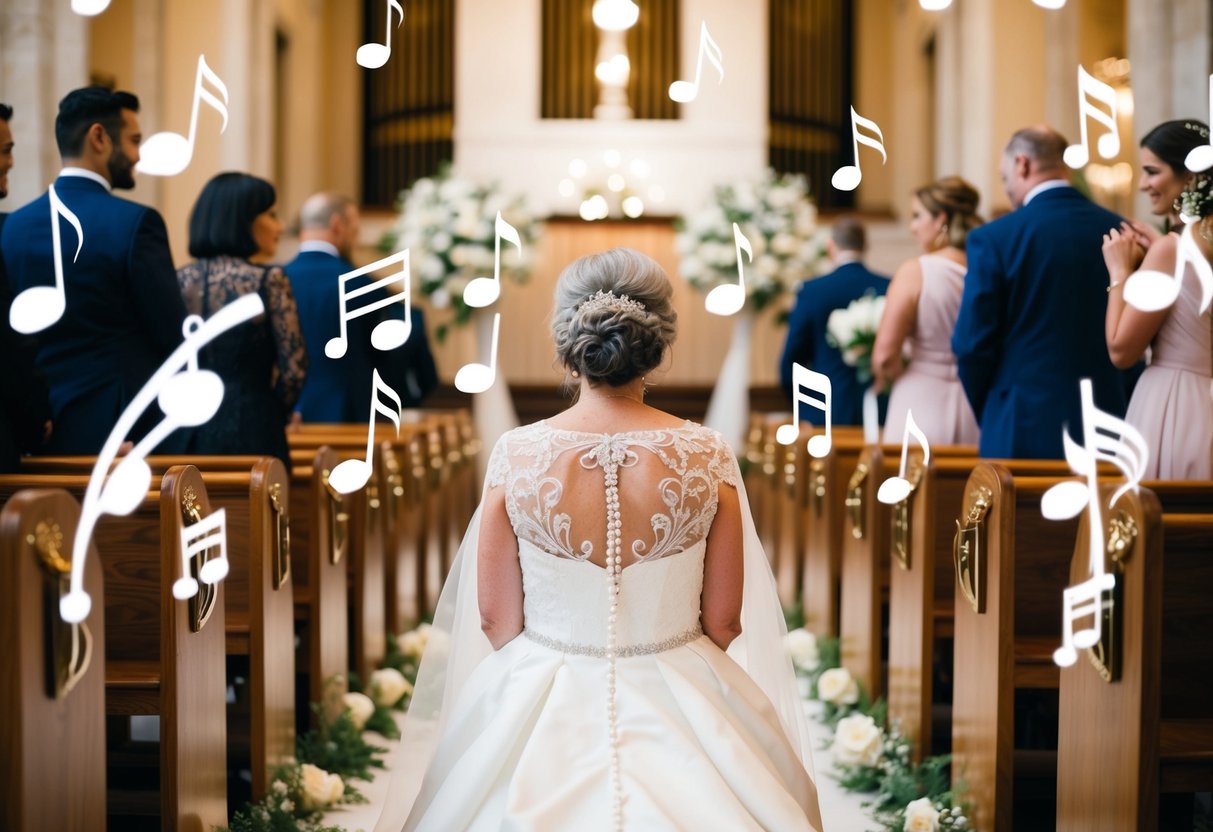
Music plays a key role in setting the mood for a wedding. Each choice not only enhances the atmosphere but also symbolizes important traditions. Understanding these aspects can help you make the right decisions for the ceremony.
Processional Music Choice
When you select a wedding processional song, consider the feelings you want it to evoke. Traditional choices often include the iconic “Wedding March.” Many couples also prefer songs that reflect their unique love story.
In Christian and Jewish ceremonies, music holds special significance. For a Christian wedding processional, you might choose hymns or classical pieces. For Jewish weddings, specific songs often mark different parts of the ceremony, reflecting the cultural traditions.
Often, flower girls and ring bearers walk down the aisle to charming melodies that capture the essence of childhood innocence. Their choice of music should be light and joyful to start the celebration on a happy note.
Significance of Wedding Symbols
Symbols abound in weddings, and music is a powerful one. The act of walking down the aisle signifies the start of a lifelong commitment.
Music amplifies this message, marking transitions and creating an emotional journey for everyone present.
For instance, the mother of the bride often walks down to music, emphasizing her important role. This moment symbolizes her support and blessing for the bride.
In traditional ceremonies, specific symbols like unity candles or breaking the glass also hold deep meanings.
Together, music and these symbols create a rich tapestry of love and commitment. Choosing the right music enhances the message behind these symbols, making your wedding even more memorable.