
Does the Officiant Walk First? Understanding Wedding Procession Etiquette
When planning your wedding ceremony, many details come into play, including the order of the processional. Yes, the officiant typically walks first down the aisle as the ceremony begins. This moment helps set the tone for the event and marks the start of the wedding festivities.
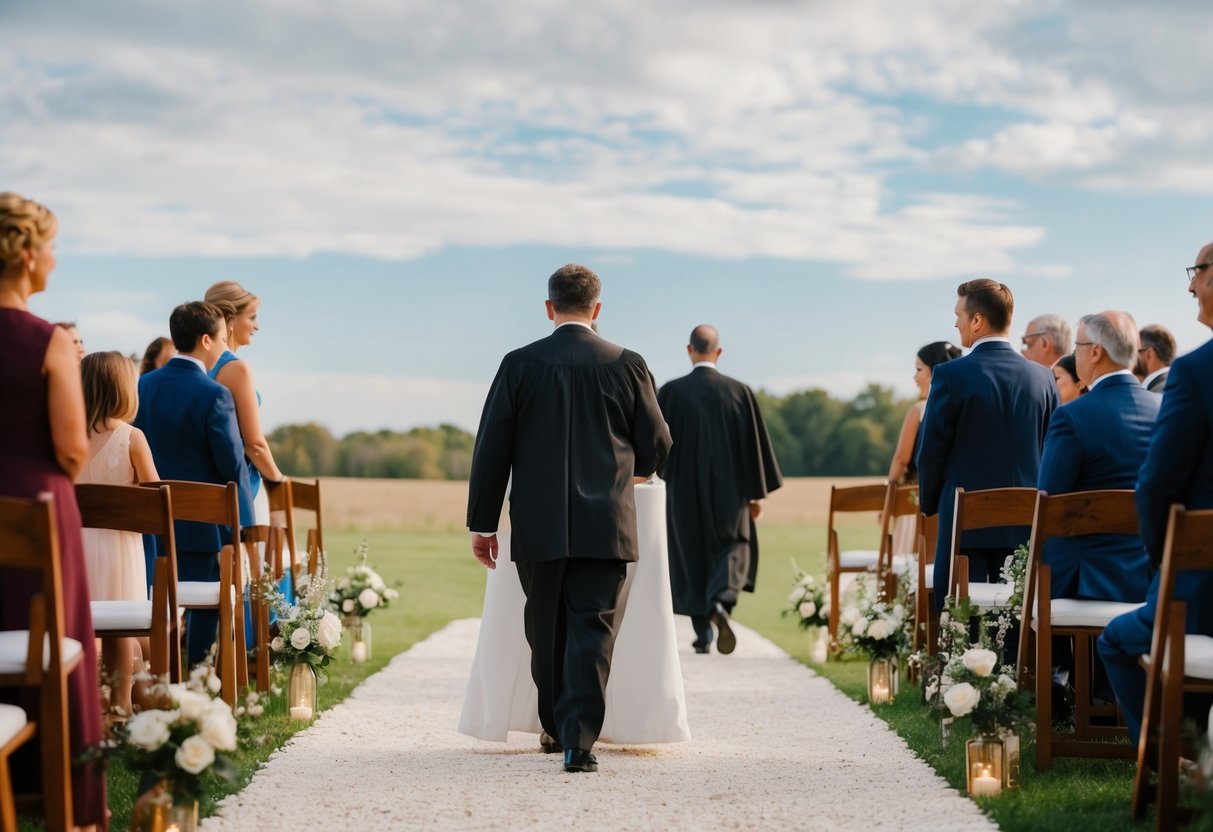
Following the officiant, the wedding party usually enters in a specific order that may include grandparents, parents, and the groom. Understanding the processional order can help you create a smooth and meaningful entrance for everyone involved.
As you prepare for your big day, knowing who walks in when can ease some of the stress and excitement.
As you think about the ceremony, remember that the officiant’s role is not just to lead the way but also to guide you and your partner through the vows and rituals. With a clear plan for your wedding processional order, you can focus on enjoying this special moment with loved ones.
The Role of the Officiant in Wedding Ceremonies
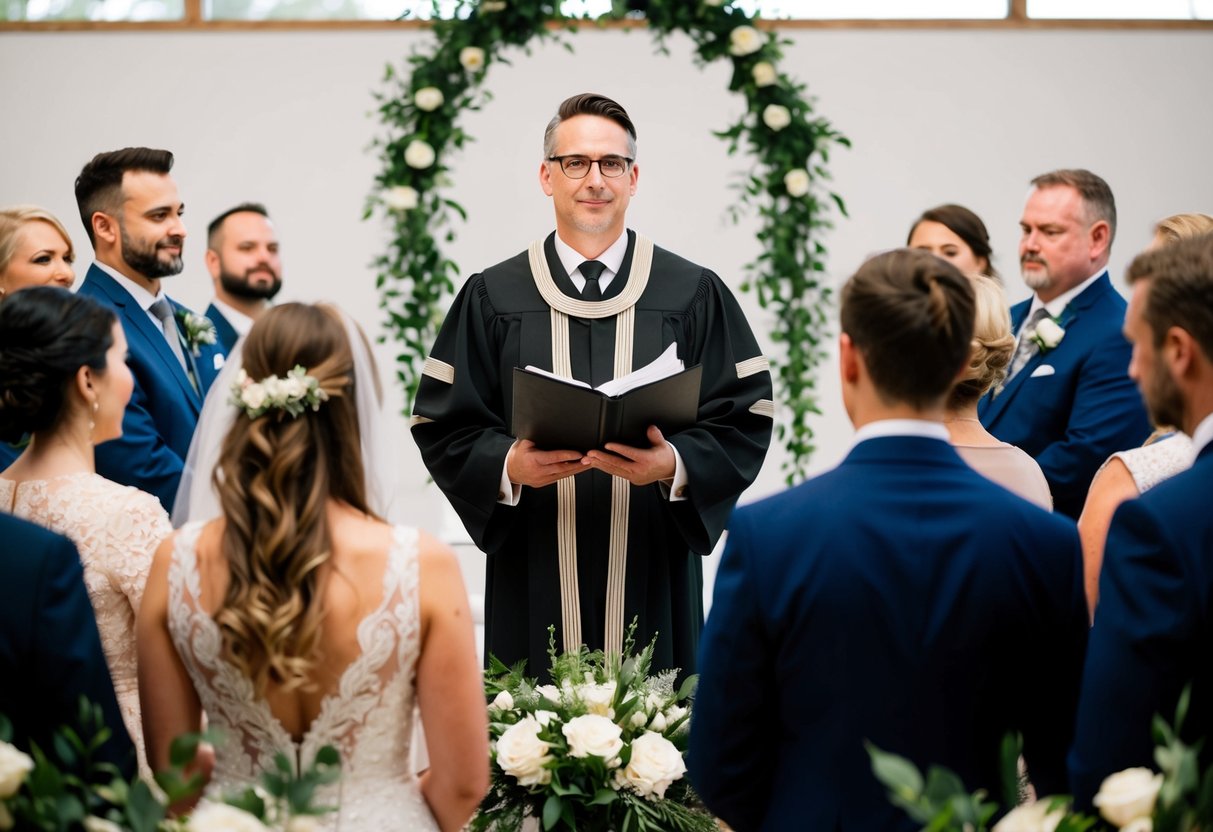
The officiant is a key figure in your wedding ceremony, guiding you through important moments. They help set the tone for the day, whether it’s a traditional wedding, a religious ceremony, or a civil ceremony.
Meeting the Officiant Ahead of the Ceremony
It’s essential to meet with your officiant before the big day. This meeting helps you discuss your vision.
Understanding the Traditional Processional Order
The traditional wedding processional is an important part of your ceremony. Knowing the sequence helps ensure a smooth and meaningful entrance for everyone involved. Let’s break down the key components of the processional order.
The Start of the Procession
Typically, the officiant is the first to walk down the aisle. This signals the beginning of the ceremony. You may choose to have the officiant enter alone or with an attendant.
Following the officiant, the groom usually takes his place at the altar. After that, the groomsmen enter next, either individually or in pairs. This setup gives a sense of structure to the procession and allows everyone to find their places easily.
Placement of the Wedding Party
Once the groom and groomsmen are in position, it’s time for the parents and bridesmaids to enter.
Usually, the mother of the bride walks down the aisle before the bridesmaids. She may be escorted by her spouse or a close family member.
After the bride’s mother, the bridesmaids enter, often in pairs. They walk down the aisle to the front, typically on the left side for the ceremony. The best man usually stands next to the groom, creating a supportive presence as the ceremony begins.
The Bride’s Grand Entrance
The bride’s entrance is often the most anticipated moment of the ceremony. Traditionally, she is escorted by her father. This symbolizes the father giving his daughter away to the groom.
As the bride walks down the aisle, all eyes are on her. This is a special moment filled with emotion. After the bride reaches the altar, the father may take his seat in the front row. By then, the stage is set for the ceremony to proceed smoothly, with everyone in their proper places.
Cultural Variations in Processional Orders
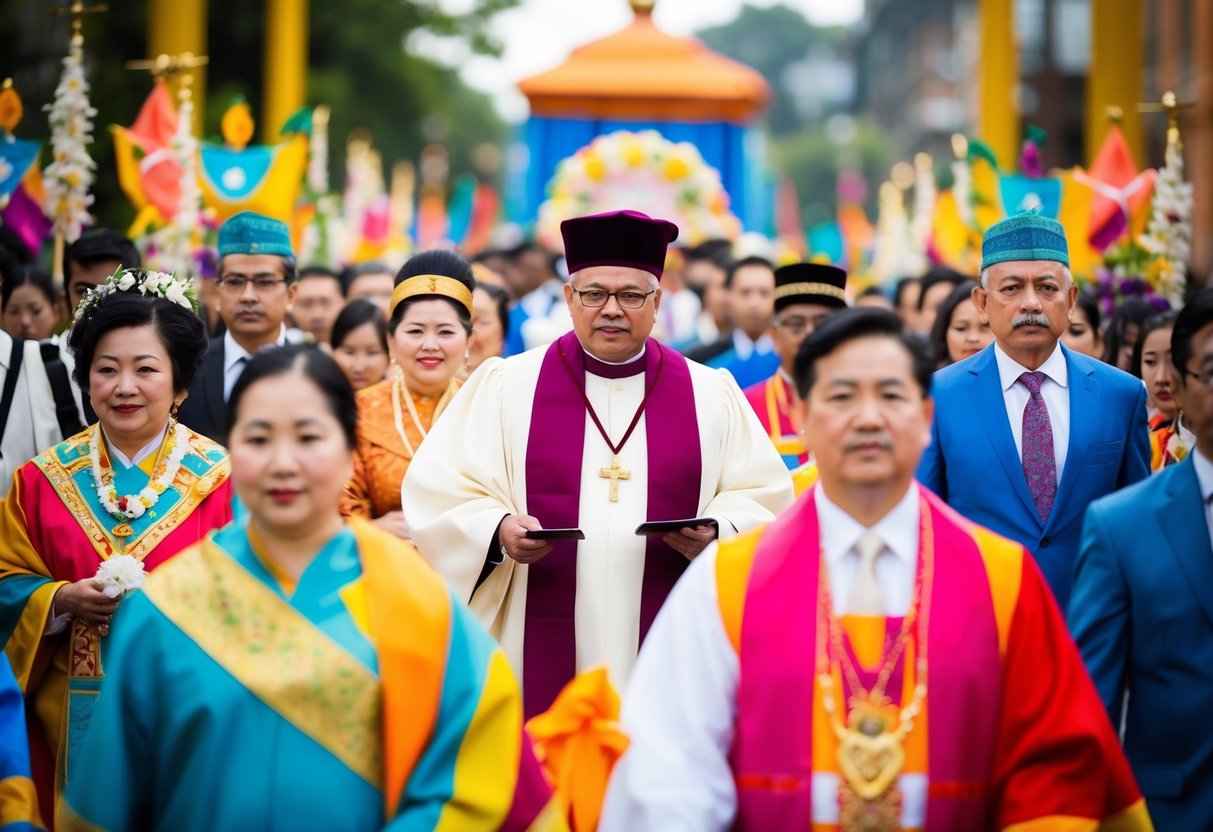
Different cultures have unique ways of organizing the wedding processional. These variations highlight important customs and traditions. Understanding these differences can help you appreciate the diverse ways weddings are celebrated.
Jewish Wedding Processional
In a Jewish wedding, the processional often starts with the rabbi or cantor leading the way. The couple’s parents typically walk down the aisle next, followed by the groom and his parents.
Once the groom is in place, the bride is escorted down the aisle by both of her parents. This is done under a beautiful canopy called a chuppah, which symbolizes the couple’s new home together.
The bride’s entrance is a pivotal moment, often accompanied by music, emphasizing the joy of the occasion. This order reflects the deep respect for family and community in Jewish traditions.
Christian Wedding Processional
In a traditional Christian wedding, the processional begins with the officiant walking in first, signaling the start of the ceremony. This is usually followed by groomsmen and bridesmaids walking down the aisle.
Next, it’s common for the flower girl and ring bearer to make their entrance. Finally, the bride makes her grand appearance, often accompanied by her father or another significant family member.
This order highlights the importance of family roles and creates a celebratory atmosphere. Each entrance is carefully planned, enhancing the emotional impact for everyone present.
Hindu Wedding Processional
For a Hindu wedding, the processional is lively and vibrant. It often starts with the baraat, where the groom arrives on a horse or in a decorated car, surrounded by family and friends. This joyful procession includes music, dancing, and celebration.
Once the groom reaches the venue, he waits under a mandap, an ornate canopy symbolizing the couple’s new life together. The bride then walks down the aisle, typically with her parents, showcasing a blend of tradition and modernity.
The colorful attire and rituals add richness to the ceremony. This processional is a strong reflection of cultural values and unity within families.
Personalizing the Wedding Processional
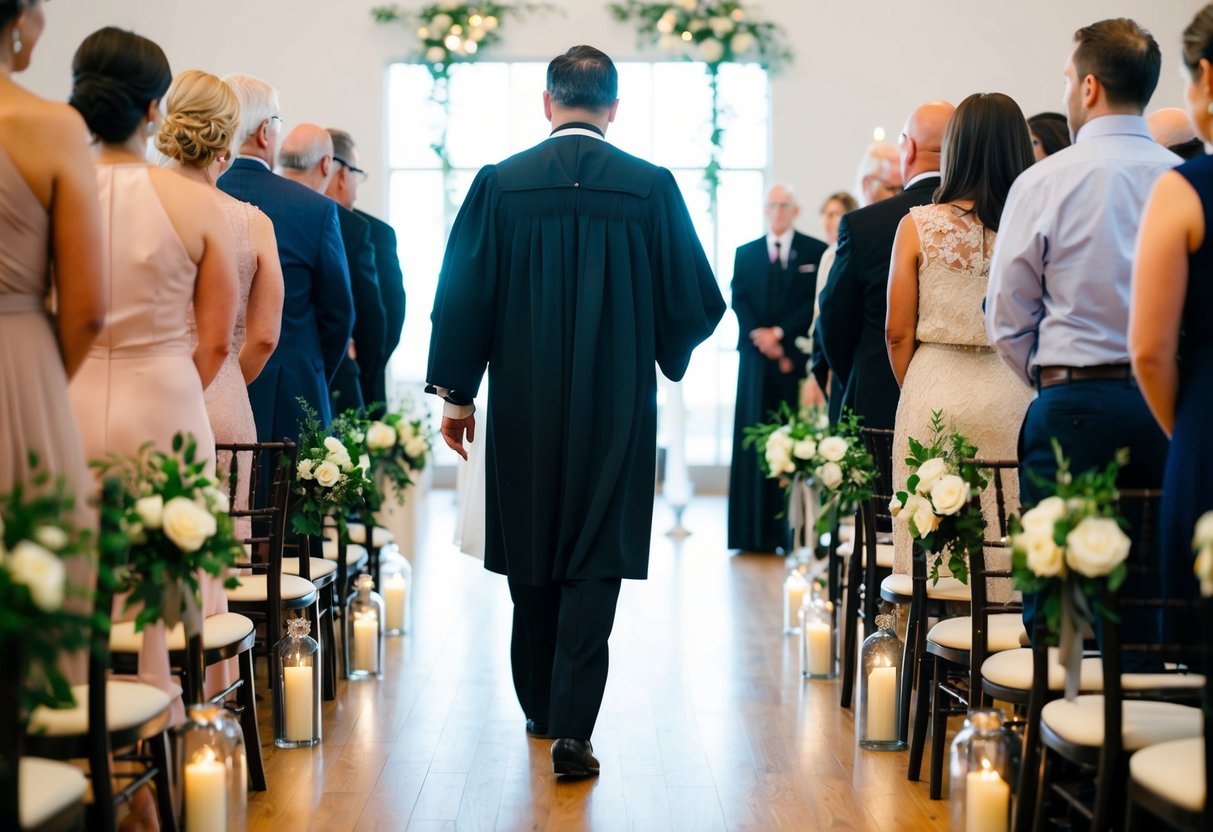
You have the chance to make your wedding processional truly your own. By adding personal touches, you can reflect your style and family dynamics. This section highlights creative ways to modify traditions and involve your loved ones in meaningful ways.
Creative Twists on Tradition
You can play with the classic processional order to better suit your personal preferences. For example, instead of having the officiant lead, you might choose to have your parents walk down first.
Additionally, you can mix up the order of bridesmaids and groomsmen. Consider letting your best man or maid of honor walk in with you for a warm family touch.
You might also want to incorporate unique music or themes. Playing a song that holds special meaning for you as a couple can make your entrance memorable.
Involving Loved Ones
Including family members in the processional adds a personal touch. For example, you can have siblings or grandparents walk down, which honors family dynamics.
If you have children, consider featuring them as flower girls or ring bearers. This not only makes them feel included but also creates sweet moments during the ceremony.
As you arrange your processional, think about who holds a special place in your life. Arranging the order with these loved ones in mind can help everyone feel connected to your special day.