
Garden Wedding Venues Boston: 2026 Planning Guide
Boston garden wedding venues give you a romantic setting with flowers, mature trees, historic architecture, and room for outdoor ceremonies. For couples planning weddings in Massachusetts, Boston and nearby New England estates offer the strongest mix of garden beauty, guest access, and indoor backup spaces.
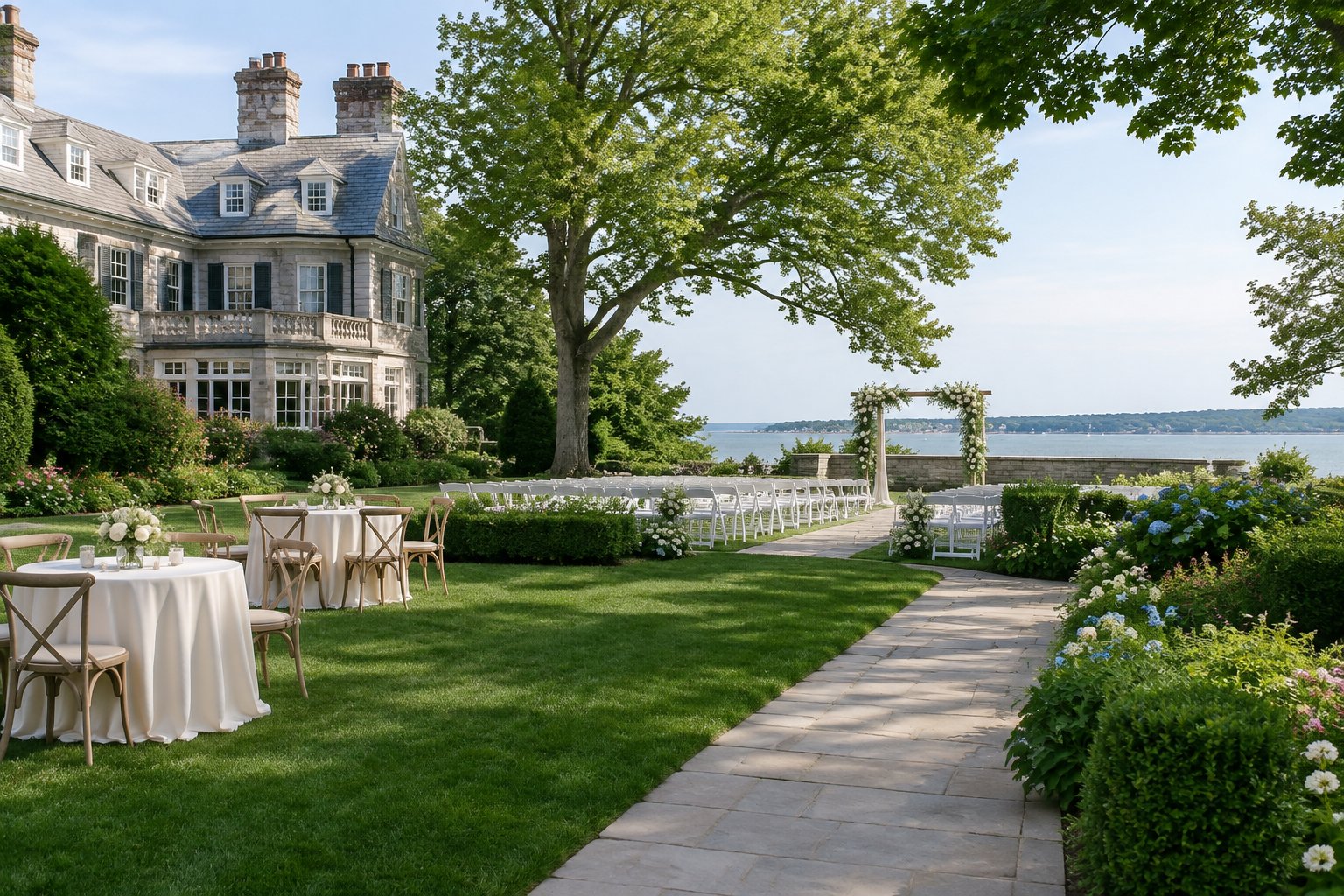
You can keep the celebration close to the city at a public garden, choose a grand estate north of Boston, or travel toward Central Massachusetts for expansive grounds. Your date, guest count, rain plan, and transportation needs will shape the best choice. Start with a venue shortlist, then schedule tours while popular 2026 dates remain open.
Where to Find the Right Garden Setting Near Boston
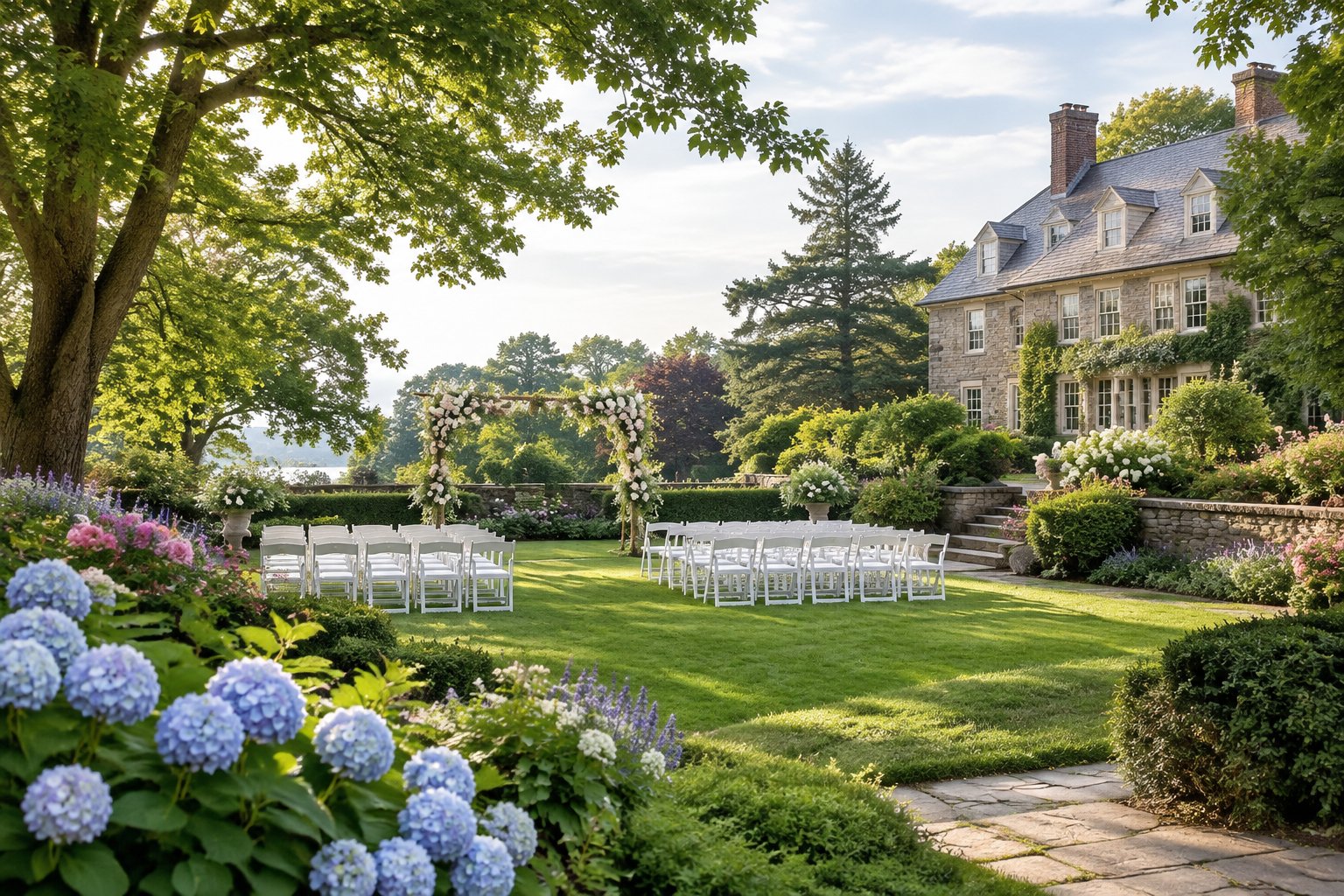
The right garden setting depends on how close you want to stay to Boston, how private the grounds should feel, and how much space your reception requires. Downtown parks suit intimate ceremonies, North Shore estates bring historic New England style, and larger properties farther west give you more room for tents, dining, and guest activities.
In-City Gardens and Public Spaces
The Boston Public Garden offers a classic city backdrop near Beacon Hill, Boston Common, and Boston Harbor hotels. Its paths, pond, bridges, and seasonal plantings work well for short ceremonies and wedding portraits.
Public spaces bring specific rules. Confirm permits, guest limits, ceremony times, photography fees, sound restrictions, and décor policies with the City of Boston before you set a date. Public gardens also remain open to visitors, so you should plan for passing crowds and limited setup time.
North Shore Estates and Manor Grounds
For a private garden wedding near Andover, MA, look toward properties such as Willowdale Estate, The Villa, The Commons 1854, and Glen Magna Farms. These venues pair lawns and gardens with historic buildings, giving you an outdoor ceremony plus an elegant indoor reception option.
Willowdale Estate suits couples who want a polished estate experience with landscaped grounds and tented event space. Glen Magna Farms brings formal gardens and manor-house character. Ask each property about ceremony locations, tent flooring, power, lighting, and the distance between the garden and reception area.
Greater Boston Gardens With Room to Spread Out
Greater Boston properties give you more flexibility for cocktail hour, lawn portraits, guest movement, and larger receptions. Look for venues with separate ceremony, dining, and dancing areas so your timeline flows without resetting the same room.
Ask whether the listed capacity applies to a seated dinner, a ceremony, or a cocktail-style event. Check parking capacity as well, especially if the venue sits on a private road or wooded property.
Central Massachusetts Day-Trip Destinations
New England Botanic Garden at Tower Hill in Boylston creates a memorable destination for couples who want botanical variety and broad views toward Wachusett Reservoir. Its gardens, arboretum, and conservatory spaces support small weddings and selected larger events.
The distance from Boston adds transportation planning, yet the setting gives you lush planting, seasonal color, and a quieter pace. Build shuttle time into your schedule and confirm whether guests can move easily between ceremony, portraits, and dinner spaces. Nearby natural areas such as Wild Meadows can also inspire a garden-focused weekend itinerary.
Standout Venues by Wedding Style
Your wedding style should guide the venue search, since an estate, greenhouse, hotel, waterfront property, and country club create very different guest experiences. Match the architecture, landscape, service model, and indoor backup to the atmosphere you want.
Historic Estate and Mansion Celebrations
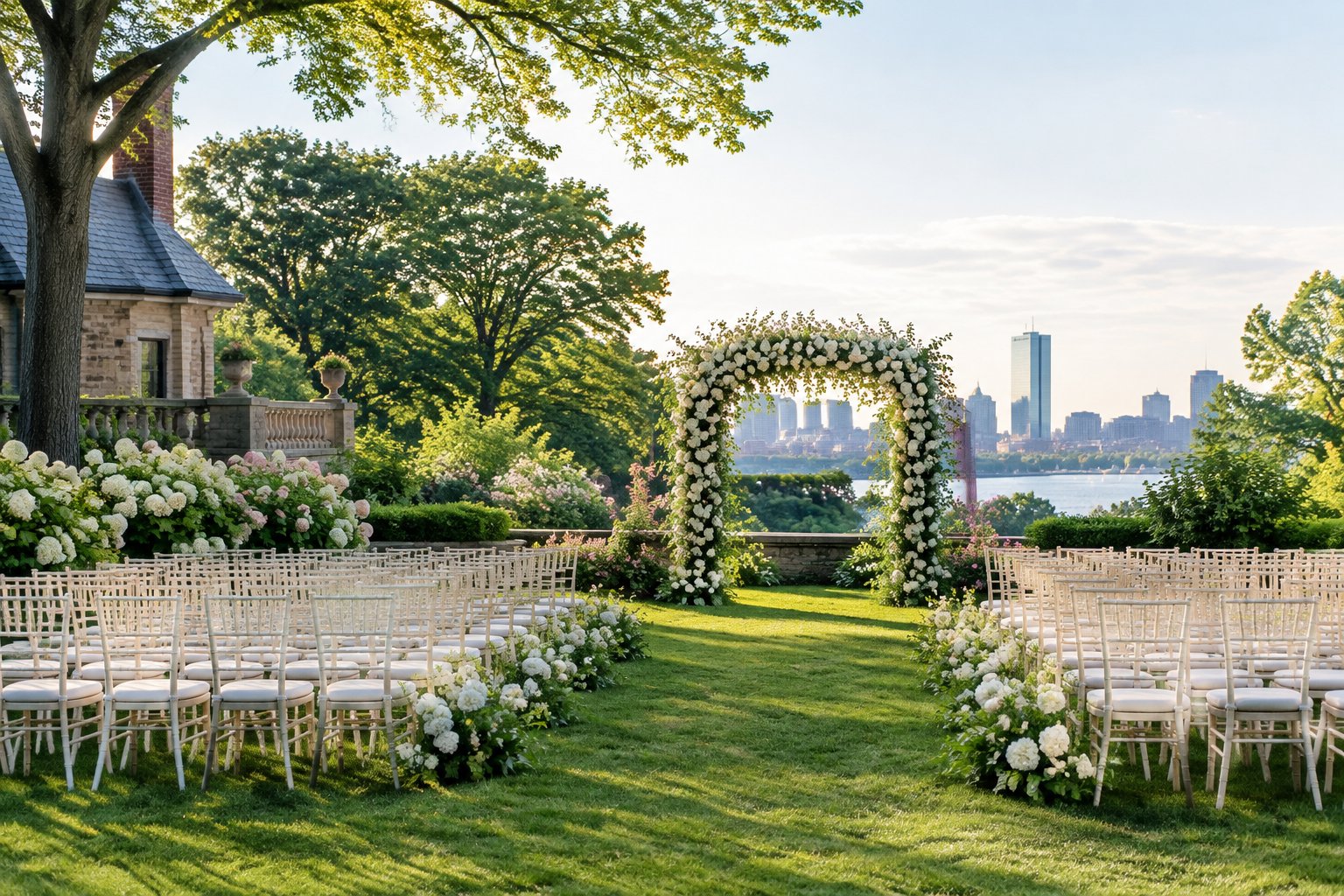
An estate wedding venue or mansion wedding venue gives you formal architecture, mature trees, and lush gardens in one setting. Aldworth Manor, Saphire Estate, Tupper Manor, The Lyman Estate, and Stevens Estate at Osgood Hill suit couples who want portraits among historic details and a reception with a strong sense of place.
Hamilton Hall, The Red Lion Inn and Barn, and The River Club offer additional New England character. Ask about exclusive use, getting-ready suites, ceremony privacy, and whether the manor house remains open to guests during the reception.
Formal Garden and Greenhouse Events
Garden weddings feel especially polished when the venue includes a conservatory, greenhouse, or formal planting design. New England Botanic Garden at Tower Hill offers botanical settings, while Floriana and Avenir may appeal to couples seeking a styled garden atmosphere with a modern event experience.
Review the venue’s plantings during your wedding month. A garden that looks colorful in June may have a different palette in September. Request recent galleries from your season and ask which floral installations the venue permits.
Hotel Gardens With City Convenience
Hotels such as the Four Seasons Hotel Boston, InterContinental Boston, Kimpton Marlowe, Hotel Commonwealth, Fairmont Copley Plaza, Omni Parker House, and Renaissance make guest travel easier. You gain rooms, elevators, catering support, and indoor spaces close to city attractions.
Hotel gardens and terraces work best when you want outdoor portraits or a ceremony followed by a ballroom reception. Ask about room blocks, event turnover, service charges, outdoor sound limits, and the distance from the ceremony area to the dining room.
Waterfront Gardens and Coastal Views
Oceanview of Nahant, Cruiseport Gloucester, and Danversport combine outdoor event space with ocean, harbor, or coastal scenery. The water adds strong sunset photography and a relaxed New England feel.
Coastal venues require careful wind and weather planning. Confirm tent anchoring, covered walkways, outdoor heaters, salt-air exposure for décor, and the location of the indoor backup room.
Country Club and Riverside Receptions
The River Club, Canoe Club Ballroom, and Andover Country Club provide lawns for ceremonies with structured reception spaces nearby. These venues often support efficient guest flow, on-site event staff, and organized food and beverage service.
Ask about course access, ceremony privacy, golf-cart transportation, clubhouse rules, and music curfews. A country club reception works well when you want garden scenery with a clear plan for dinner and dancing.
How to Match a Venue to Your Guest Count and Priorities
Your guest count should determine the venue before you commit to a style. A small garden room can feel warm and full, while a large reception needs a layout that protects sightlines, dining comfort, dance-floor space, and service access.
Intimate Ceremonies and Small Receptions
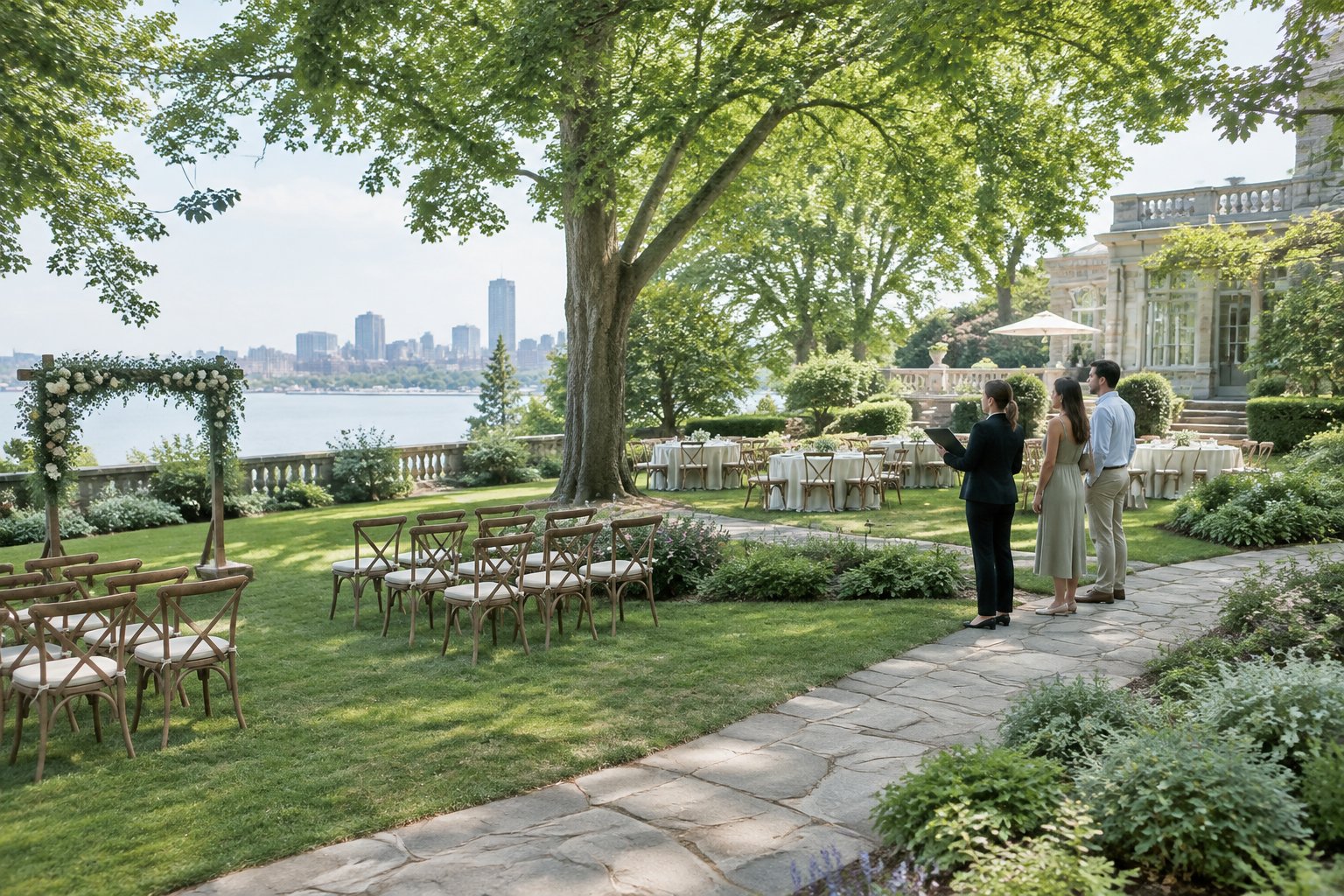
For a small wedding, choose a space with natural character and a defined footprint. A private garden, mansion dining room, restaurant, or boutique hotel room can support conversation without making the celebration feel scattered.
Ask for the maximum seated dinner capacity, the minimum food and beverage spend, and the available ceremony area. Small weddings also give you room for personal menus, upgraded florals, and longer time with guests.
Mid-Size Celebrations With Flexible Flow
Mid-size weddings benefit from separate areas for the ceremony, cocktail hour, and reception. Look for garden paths that lead naturally to an indoor dining room, covered terrace, or tent.
Confirm table layouts before booking. A venue may fit your headcount on paper while leaving too little space for a bar, buffet, band, DJ, lounge seating, or dance floor. Request a sample floor plan at your expected guest count.
Large Weddings Requiring a Grand Ballroom or Tent
Large celebrations need a grand ballroom, a substantial tent, or one of the larger banquet halls in the Boston area. A garden can host the ceremony and cocktail hour while the reception moves indoors or under cover.
Ask about restroom counts, catering access, power, flooring, heating, lighting, rain drainage, and vendor setup windows. A venue connected to Fenway Park or another major Boston landmark can add energy and convenience, though city traffic and event schedules require close planning.
When On-Site Accommodations Matter
On-site accommodations help when many guests travel from outside Massachusetts or when you want a full wedding weekend. Hotel weddings simplify room blocks, late-night transportation, and next-morning plans.
Estate venues can feel more private, while hotels offer easier access to elevators, room service, and nearby attractions. Ask whether the couple receives a complimentary room, how many rooms can be reserved, and whether shuttle service connects the venue with additional hotels.
What to Ask Before Booking an Outdoor Garden Venue
Book an outdoor garden venue only after you have clear answers about weather, space use, permits, vendor rules, accessibility, and transportation. These details determine whether the garden remains comfortable and practical throughout the day.
What Is the Rain Plan?
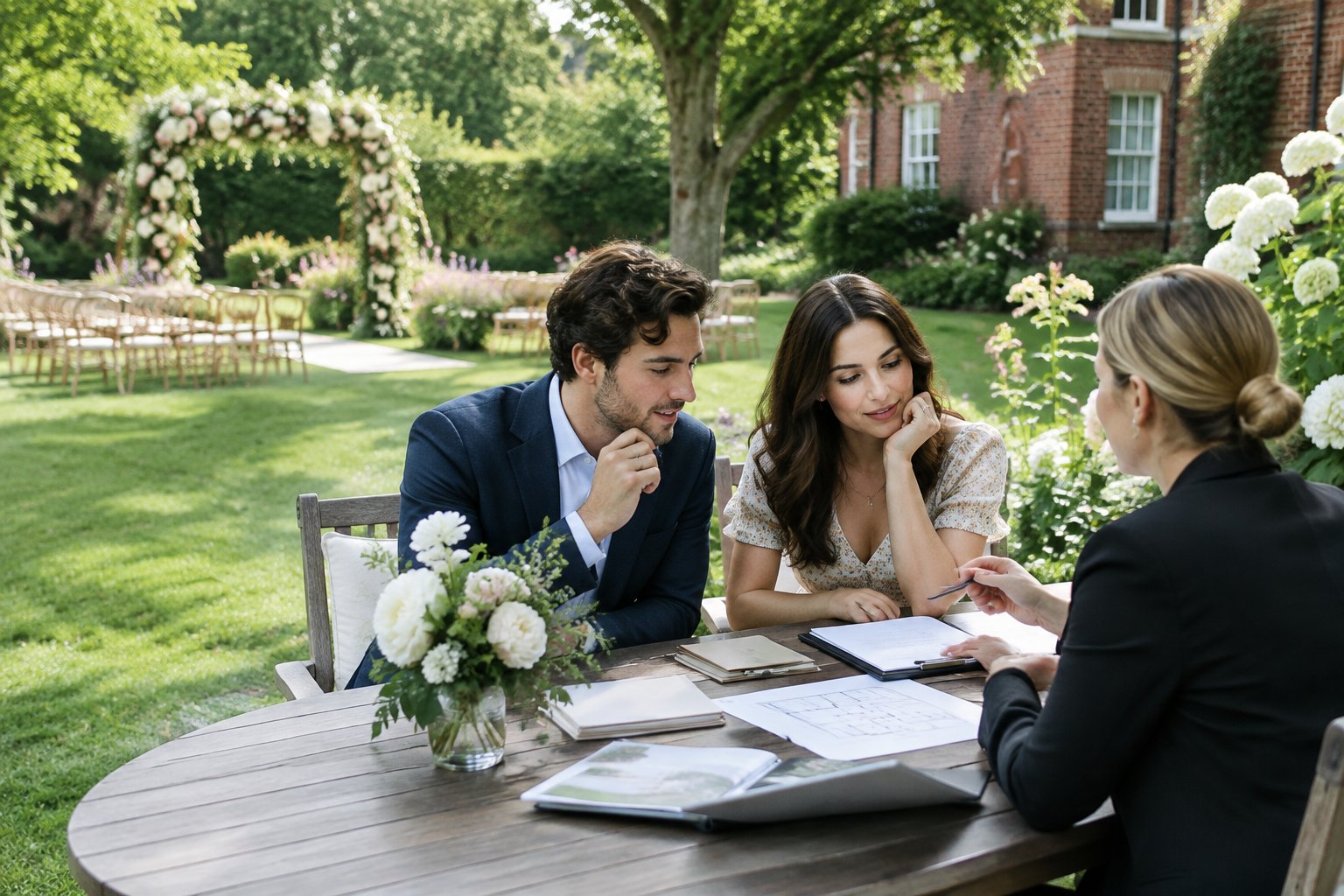
Ask where the ceremony, cocktail hour, and reception move if rain arrives. Confirm whether the backup room is included, how quickly the venue can make the change, and whether tenting or room-flip fees apply.
Check the plan for wind, heat, cold, and muddy ground as well. A covered walkway, indoor portrait space, fans, heaters, and flooring can protect guests when the forecast changes.
Can the Ceremony and Reception Use Different Spaces?
Separate spaces create a smoother timeline and keep guests moving through the property. Ask how far the ceremony lawn sits from the dining room, whether guests need transportation, and where the wedding party waits before the processional.
If you are considering park & outdoor weddings, confirm whether the site allows chairs, arches, aisle décor, amplified sound, food, and drinks. Public garden rules can differ sharply from private estate policies.
What Permits, Curfews, and Décor Rules Apply?
A public garden may require a special event permit, while a historic property may limit candles, hanging décor, confetti, stakes, or amplified music. Request all rules in writing before signing.
Ask about event insurance, alcohol service, vendor certificates, setup access, breakdown deadlines, and overtime charges. Historic weddings at museums and estates also require care around walls, floors, furniture, and protected landscaping.
How Do Accessibility and Transportation Work?
Walk the guest route from parking or shuttle drop-off to the ceremony lawn, restrooms, dining area, and exit. Confirm paved paths, ramps, accessible restrooms, seating options, and golf-cart support for guests who need shorter travel distances.
Review transportation for nearby hotels and city traffic. The same planning check applies to church & temple weddings, museum weddings, and boat weddings, where arrival timing, boarding access, and guest mobility shape the experience.
Comparing Garden Venues With Other Boston Wedding Styles
Garden venues suit couples who want greenery, open air, and historic character, while other Boston styles may offer stronger weather control, waterfront views, or simpler food service. Compare the guest experience and operating details before you choose the scenery.
Garden Estates vs. Barn and Farm Properties
Garden estates bring formal architecture, manicured paths, and polished portraits. Barn & farm weddings offer working landscapes, open fields, rustic buildings, and a relaxed reception mood.
A farm may give you more flexibility with outdoor dining and décor, while an estate may provide a stronger indoor backup and more finished guest spaces. Ask about restroom facilities, parking, climate control, catering access, and ground conditions at either type.
Garden Celebrations vs. Waterfront Weddings
Gardens give you shelter from direct wind and a layered backdrop of flowers, trees, and architecture. Waterfront weddings at Boston Harbor, the Charles River, or the North Shore create open views and memorable sunsets.
Waterfront properties need detailed plans for wind, glare, temperature changes, and rain. Garden properties require equal attention to insects, pollen, shade, and wet pathways. Your preferred ceremony time should guide the choice.
Garden Venues vs. Hotels and Urban Rooftops
Hotels offer room blocks, elevators, indoor climate control, and streamlined catering. Rooftop weddings add skyline views and a modern city feel, though wind, elevator schedules, noise rules, and weather plans need close review.
A garden estate creates a destination atmosphere and more visual variety. A hotel or rooftop makes it easier for guests to walk from nearby rooms, restaurants, and transit. Consider how much movement you want during the day.
When a Winery or Restaurant Is the Better Fit
A winery works well when you want vineyard views, a tasting-focused reception, and a relaxed countryside mood. A restaurant suits a smaller celebration with a strong food program, familiar service, and a shorter planning timeline.
Compare minimum spends, private dining areas, bar packages, music limits, vendor access, and ceremony options. If the meal is central to your celebration, a winery or restaurant may align more naturally with your priorities than a full garden property.