
How Big is Too Big for a Wedding Party? Finding the Perfect Guest List Size
Planning a wedding is an exciting journey, but one of the biggest questions couples face is how many people to include in their wedding party. The right size depends on your unique vision, venue, and the love and support you want to surround yourself with on your special day. A large wedding party can create a lively atmosphere, filled with friends and family who are eager to celebrate alongside you.
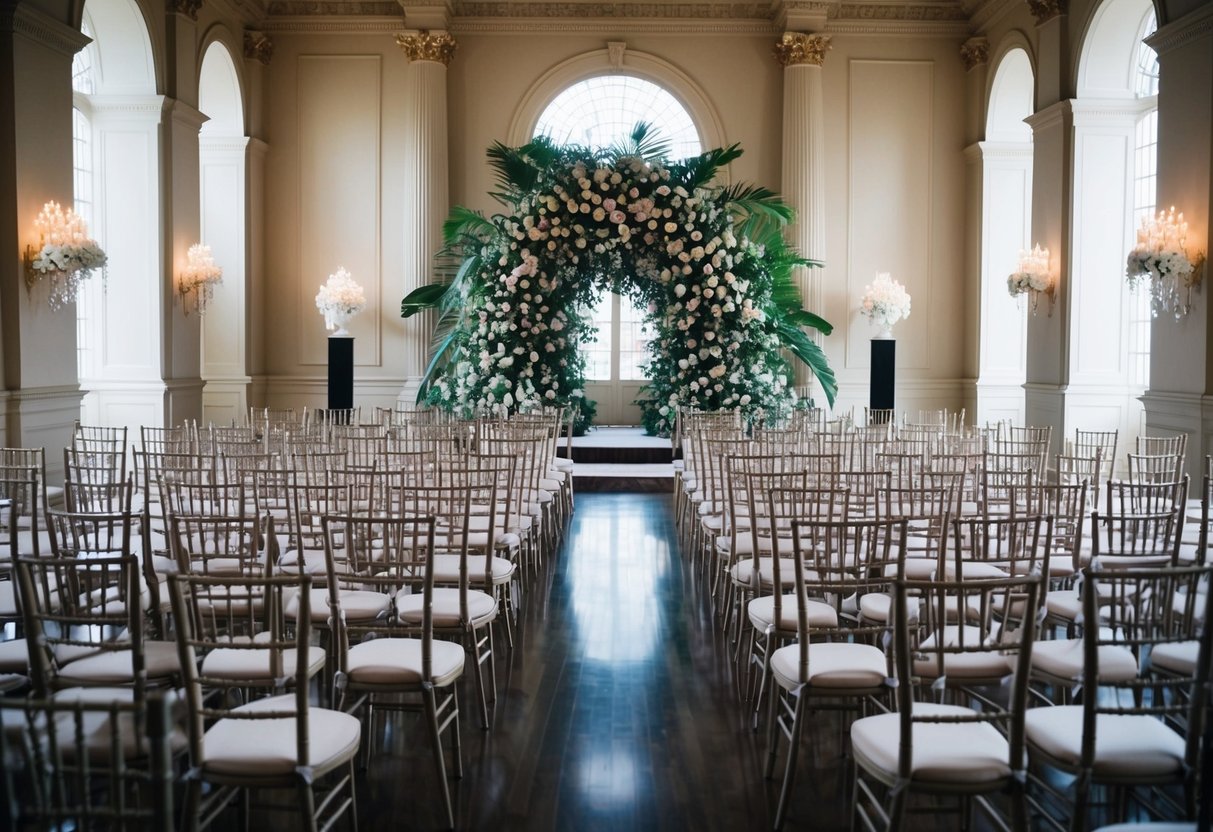
When considering how big is too big, think about what feels right for your wedding. Traditional weddings often feature a small, intimate wedding party, while more modern celebrations can embrace larger groups.
A large wedding party can create a lively atmosphere, filled with friends and family who are eager to celebrate alongside you.
Determining the Size of Your Wedding Party
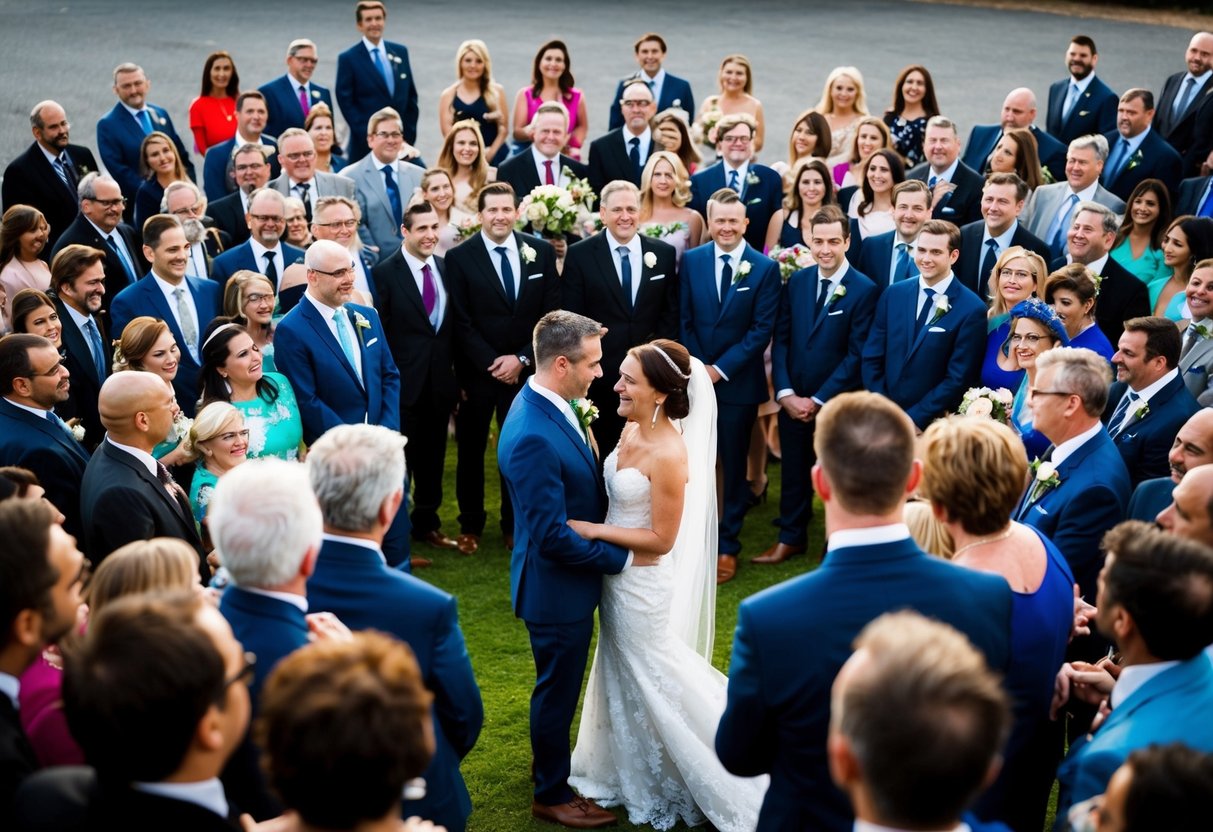
Choosing the right size for your wedding party is important for creating the atmosphere you want. The number of bridesmaids, groomsmen, and other members can shape your experience. Let’s look at what defines different sizes and the key factors that influence your decision.
What Defines a Large, Medium, or Small Wedding Party
A small wedding party typically includes 2-4 members on each side. This size keeps things intimate and easier to manage.
A medium wedding party often has 5-7 members. This size allows for a bit more support without feeling overwhelming.
A large wedding party includes 8 or more members. This big wedding party can bring energy but may require more coordination.
Consider the roles of key people like the maid of honor and best man. They are central figures that can help balance the numbers, keeping the party cohesive.
Factors Influencing Wedding Party Size
Several factors can influence how many people you want in your wedding party.
Venue Space: Your venue’s size matters. A small space may feel crowded with a big wedding party, while larger areas can accommodate more.
Support and Help: A larger wedding party means more helping hands. If you want extra assistance planning events, consider adding more members.
Personal Relationships: Think about your closest friends and family. You may want to include all your best friends, which could lead to an uneven wedding party.
Budget: More members can increase costs. Each additional bridesmaid or groomsman adds to expenses, like gifts and attire.
Budget Considerations for Your Wedding Party
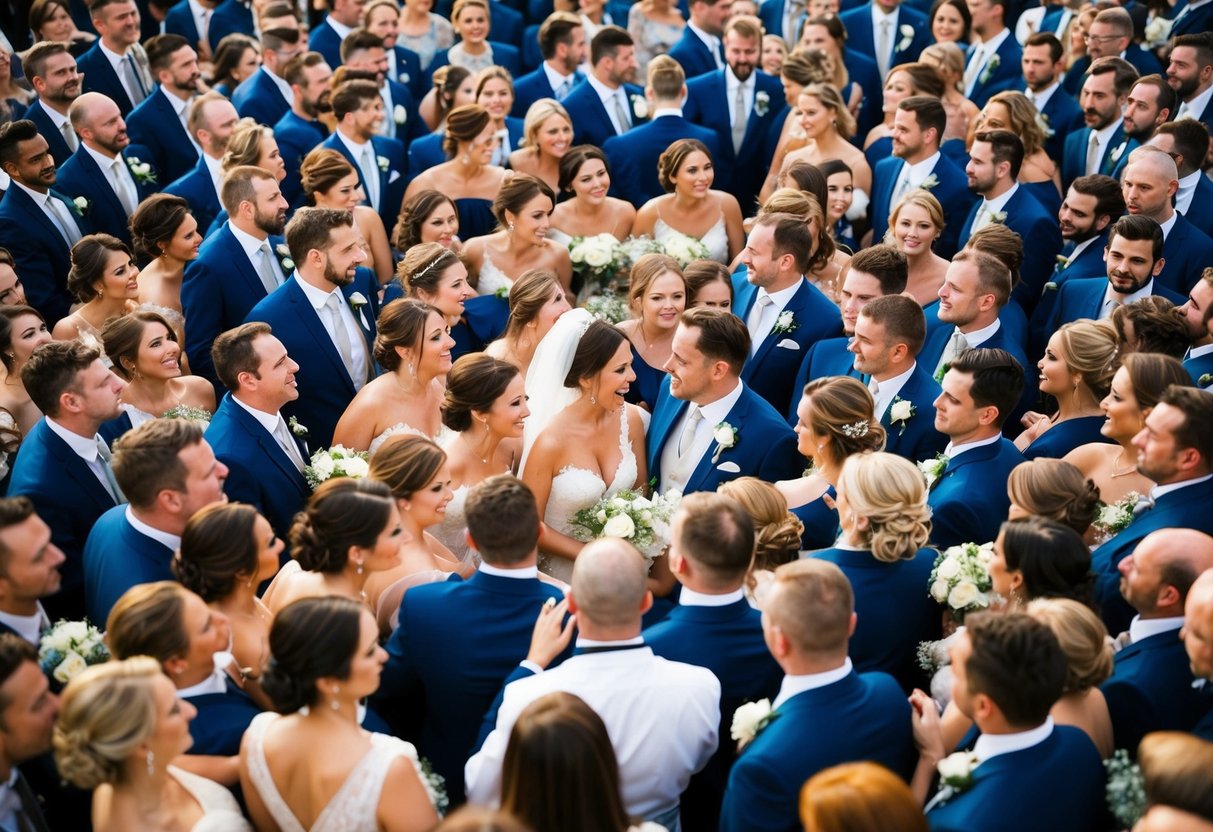
When planning your wedding, understanding the financial impacts of your wedding party size is crucial. You need to allocate funds wisely while keeping track of hidden costs that can add up quickly. Here are two key areas to consider.
Allocating Funds for Wedding Attendants
Start by deciding how many attendants you want based on your budget. Each additional member can increase expenses.
Typical costs include:
- Gifts: Expect to spend between $50 to $150 per attendant.
- Attire: Dresses or suits may run from $100 to $300 each.
- Transportation: Depending on where your wedding is held, this might add another $200 to $600.
To keep costs manageable, consider limiting your wedding party to two or three key people on each side. This helps ensure that you stay within your overall wedding budget without sacrificing the support you want.
Hidden Costs of a Bigger Wedding Party
A larger wedding party can bring unexpected expenses that may surprise you.
Common hidden costs include:
- Hair and Makeup: These services can often range from $50 to $200 per person.
- Bouquets and Boutonnieres: Expect to spend about $30 to $100 for each floral arrangement.
- Rehearsal Dinner: More guests might mean a more expensive rehearsal dinner, potentially adding hundreds to your budget.
By carefully reviewing all the potential costs, you can avoid overspending and ensure your wedding remains within budget.
Planning and Coordination of Wedding Party Events
When you have a large wedding party, planning and coordination become key to ensuring a smooth experience. Focusing on how to synchronize pre-wedding events and manage the wedding day will help keep everything organized and enjoyable.
Synchronizing Pre-Wedding Events
Organizing pre-wedding events can be fun, especially with a big wedding party. Key events include the rehearsal dinner, bachelorette party, and other gatherings.
A good approach is to create a shared calendar for everyone involved. This ensures that your group stays on the same page regarding times and locations.
Consider assigning different tasks to various members of your wedding party. For example, delegate the planning of the bachelorette party to a close friend. This reduces your stress and makes everyone feel included.
Keep your guest list in mind when planning these events. You want to ensure that the right people are invited, without creating unnecessary drama. Communication is essential, so be clear about expectations and responsibilities.
Managing the Wedding Day with a Large Party
On your wedding day, managing a large wedding party requires careful planning.
First, set clear timelines for every part of the day, from getting ready to the ceremony. Make sure everyone knows where to be and when.
Using a wedding planner can ease this process significantly. They can help coordinate schedules and handle any unexpected issues. Include your wedding party in group texts or app messages to share real-time updates.
During the wedding ceremony, make arrangements for everyone’s roles, including flower arrangements and groomsmen placement. Having a large wedding party means there will be many people to coordinate, so preparation will pay off. Prioritize fun and connection while staying organized, ensuring joyful memories for everyone involved.
Styling Your Wedding Party
When planning your wedding party, creating a look that feels unified while allowing for personal touches is important. You want your closest friends to shine and feel comfortable. Whether you opt for a traditional wedding or something more casual, there are ways to style your wedding party effectively.
Achieving a Cohesive Look
A cohesive look can set the tone for your wedding. You might consider a mix-and-match look that allows each member to express their style while adhering to a common theme. This could mean coordinating colors or fabrics.
For black-tie weddings, classic tuxedos for groomsmen and elegant dresses for bridesmaids work well. In contrast, a destination wedding might allow lighter fabrics and casual attire.
Choose a color palette that complements your wedding décor and enhances the overall aesthetic. Consider creating a mood board to visualize how each outfit fits into your theme. Don’t forget about accessories! Coordinated ties, shoes, or jewelry can add the right finishing touches.
Accommodating Various Body Types and Preferences
Your wedding party includes different body types and personal styles. It’s crucial to accommodate these variations so everyone feels comfortable and confident. Bridesmen and bridesmaids might have different preferences, so consider options that suit both.
For a typical wedding party, select flattering cuts that work for each person’s body shape. Offer choices, such as two styles for dresses, which can appeal to various tastes.
In intimate weddings, encourage your party to wear outfits they already love, perhaps within your color scheme. This approach allows for individual expression while maintaining a unified look.
Talk to your wedding party members about their preferences or any concerns. This creates a supportive atmosphere and ensures everyone feels included in the styling process.