
How Do I Market Myself as a Wedding Planner? Essential Tips for Success
Marketing yourself as a wedding planner can seem daunting, but the right approach can help you stand out in the competitive wedding industry. Start by creating a strong portfolio that showcases your unique style and past work. This not only highlights your creativity but also builds trust with potential clients looking for someone to make their big day special.
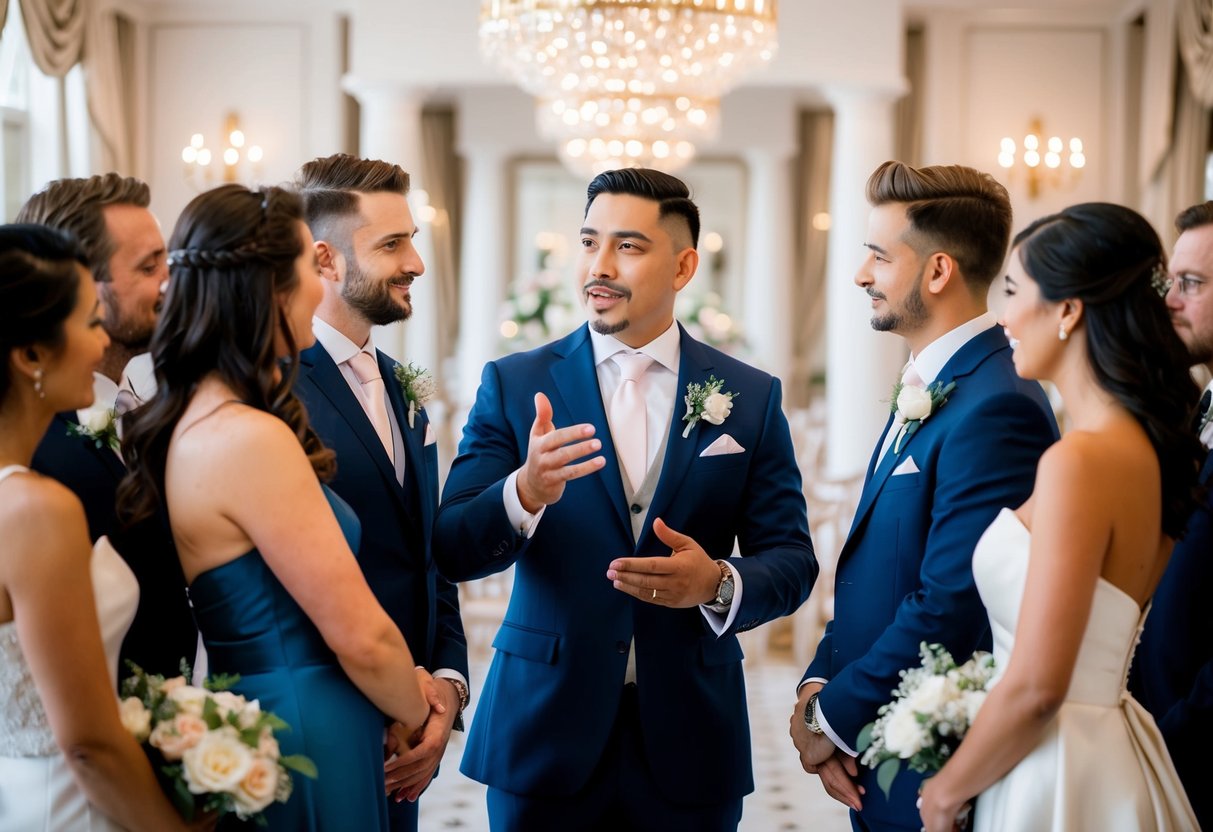
Networking is also essential. Attend wedding fairs, collaborate with other vendors, and engage with local bridal communities. Building relationships in the wedding planning community can lead to referrals and partnerships, helping you grow your reach.
Utilizing social media effectively is key in today’s digital age. Share your success stories, tips, and beautiful images from the events you’ve planned. Engaging with your audience can draw them in and convert casual followers into clients.
Understanding Your Target Market

Knowing your target market is essential to successfully market yourself as a wedding planner. By identifying your ideal client and crafting a strong marketing message, you can connect better with potential clients and grow your wedding planning business.
Identifying Your Ideal Client
Start by thinking about who you want to work with. Your ideal client is not just anyone planning a wedding, but a specific group that fits your style and services. Consider the following aspects:
- Demographics: Age, gender, and location can help narrow down your audience. Are you focusing on young couples in urban areas?
- Interests: What hobbies or activities do they enjoy? This might include interests like DIY projects or luxury events.
- Budget: Understand their spending habits. Are they looking for budget-friendly options, or do they want high-end services?
Creating an ideal client avatar can help visualize these traits. You will find it easier to tailor your services and marketing efforts to meet their needs.
Crafting Your Marketing Message
Once you know your ideal client, it’s time to develop a message that speaks directly to them. Your marketing message should reflect your style and what sets you apart. Here are some tips:
- Focus on Benefits: Explain how your services can solve problems for your clients. Perhaps you help reduce stress during the planning process.
- Use Emotional Language: Weddings are special events. Your message should evoke feelings of excitement and joy.
- Showcase Your Expertise: Share testimonials or case studies that demonstrate your skills. This builds trust with potential clients.
Be clear about your unique selling proposition. Highlight what makes your wedding planning business stand out, whether it’s your experience, creativity, or personalized service. This helps attract clients who resonate with your approach.
Building a Strong Online Presence
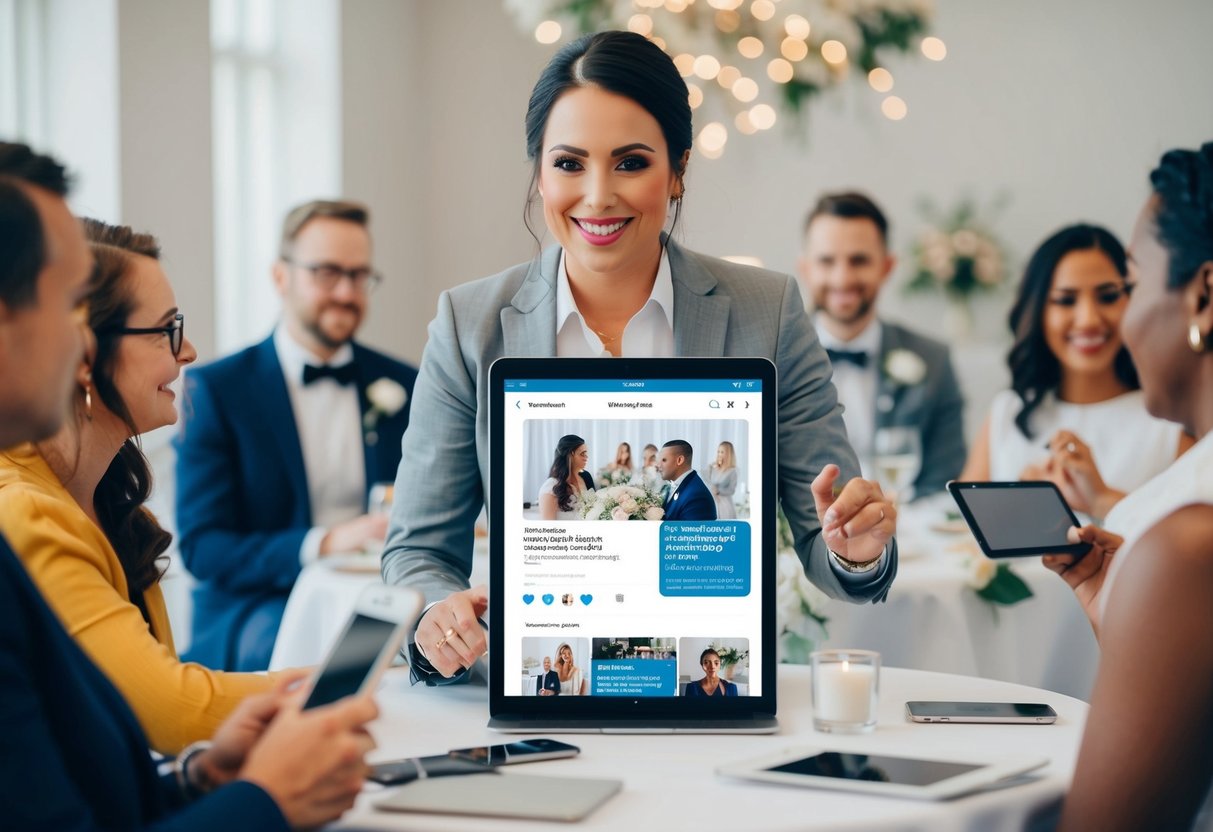
A strong online presence is essential for you as a wedding planner. It allows potential clients to find you easily and learn more about your services. By focusing on your website, social media, and SEO strategies, you can attract more clients and grow your business.
Creating a Professional Website
Your website is often the first impression clients have of you. Make sure it looks professional and is easy to navigate. Include a clear menu, attractive visuals, and essential information about your services.
Consider adding a blog where you can share tips and insights about wedding planning. This not only showcases your expertise but also helps with search engine optimization.
Don’t forget to include testimonials from satisfied clients. Their positive feedback can build trust and persuade new clients to reach out to you.
Leveraging Social Media Marketing
Social media platforms like Instagram, Facebook, and Pinterest are powerful tools for reaching clients. Create business profiles that reflect your brand’s personality and ethos.
Post regularly with high-quality images of weddings you’ve planned. Use hashtags related to weddings to increase visibility. Consider running targeted ads to reach specific demographics.
Engage with your audience by responding to comments and messages. Sharing behind-the-scenes content shows your dedication and helps build a community around your brand.
Implementing Effective SEO Strategies
Search engine optimization (SEO) is key for attracting organic traffic to your website. Start by researching keywords related to wedding planning that potential clients might search for.
Use these keywords in your website content, including headings and alt text for images. This can improve your rankings in search engine results.
Another effective strategy is to create quality blog posts that answer common wedding planning questions. This not only boosts SEO but establishes you as an expert in the field.
Additionally, consider guest posting on other wedding blogs. This can help improve your online presence and reach a wider audience.
Showcasing Your Expertise and Success

You have unique skills and experiences that can set you apart as a wedding planner. It’s crucial to highlight your strengths through a well-organized portfolio, powerful testimonials, and contributions to wedding publications. Here’s how you can effectively showcase your expertise and success.
Developing and Sharing a Portfolio
Creating a portfolio is essential for showcasing your best work. Start by gathering high-quality images from the weddings you have planned. Aim for a mix of styles to appeal to different clients.
Include descriptions of each event, detailing your role and the challenges you overcame. Highlight any unique themes or personal touches you added.
You can present your portfolio online on a website or through social media platforms like Instagram and Pinterest. This visibility allows potential clients to see your skills and style firsthand, making them more likely to reach out to you.
Collecting and Using Testimonials
Testimonials can significantly impact your credibility as a wedding planner. Begin by asking past clients for feedback after their weddings. A simple email can do the trick.
Make sure to collect both written testimonials and photos from their special day. This combination adds authenticity and visual appeal to your reviews.
Display these testimonials prominently on your website and social media profiles. You might also consider creating a testimonial page that highlights client experiences. Real-life endorsements can attract new clients and help build trust in your wedding business.
Writing for Wedding Magazines and Blogs
Contributing articles to wedding magazines and blogs can establish you as an authority in your field. Start by pitching ideas that showcase your expertise and offer valuable tips for planning weddings.
Your articles can range from planning timelines to budget management. This not only highlights your knowledge but also gives potential clients insight into your approach.
Additionally, try to collaborate with existing blogs or magazines to reach a wider audience. This exposure can enhance your reputation and lead to more inquiries for your services. Writing for these platforms allows you to connect with couples and further establish your credibility.
Expanding Your Professional Network

Building a strong professional network is essential for success in the wedding planning business. Connections with wedding vendors, attendance at industry events, and positive word-of-mouth can significantly impact your visibility and client bookings.
Forming Partnerships with Wedding Vendors
Connecting with other wedding vendors can enhance your services and expand your reach. Start by identifying vendors who share a similar target audience, such as photographers, florists, and caterers.
To form partnerships, reach out to local businesses. Schedule coffee meetings, and share insights about your services. Build a preferred vendor list and collaborate on projects whenever possible. This helps not only in gaining referrals but also in creating a support system.
Don’t forget to keep in touch regularly. A quick email or invite to a joint event keeps the relationship fresh and encourages seamless referrals. Remember, a strong network of vendors is key to enhancing your wedding planning offerings.
Engaging in Wedding Industry Events
Participating in wedding industry events is a fantastic way to meet potential clients and connect with fellow planners. Look for trade shows and bridal shows in your area. These gatherings are great for networking and showcasing your skills.
Prepare a professional booth or engage in speaking opportunities to gain more visibility. Make sure to have business cards ready to share. You can also participate in panels or discussions to demonstrate your expertise.
In addition, attend local workshops and seminars. These are excellent places to learn about industry trends and meet key figures in the wedding space. The more you engage, the more you’ll establish yourself as a key player in the wedding community.
Utilizing Word-of-Mouth and Referrals
Word-of-mouth is a powerful marketing tool, especially in the wedding industry. Happy clients often share their experiences, leading to new opportunities.
To encourage referrals, always provide exceptional service. Follow up with clients after their event to express your gratitude. Ask for testimonials which you can use in your marketing efforts.
You can also create a referral program for vendors. Offer incentives for those who refer clients to you.
This reciprocal arrangement can motivate vendors to recommend you to those seeking a wedding planner.
Fostering strong relationships based on trust can significantly boost your visibility through recommendations. Keep clients and vendors engaged, and you’ll see the positive effects of word-of-mouth marketing grow.