
How Do Most People Pay for Their Wedding? Insights on Common Financing Methods
Planning a wedding can feel overwhelming, especially when it comes to understanding costs and payment methods. The average wedding cost reaches around $30,000. Most couples today share the financial burden. While traditional customs saw the bride’s family covering many expenses, now it’s common for couples and both families to chip in together.
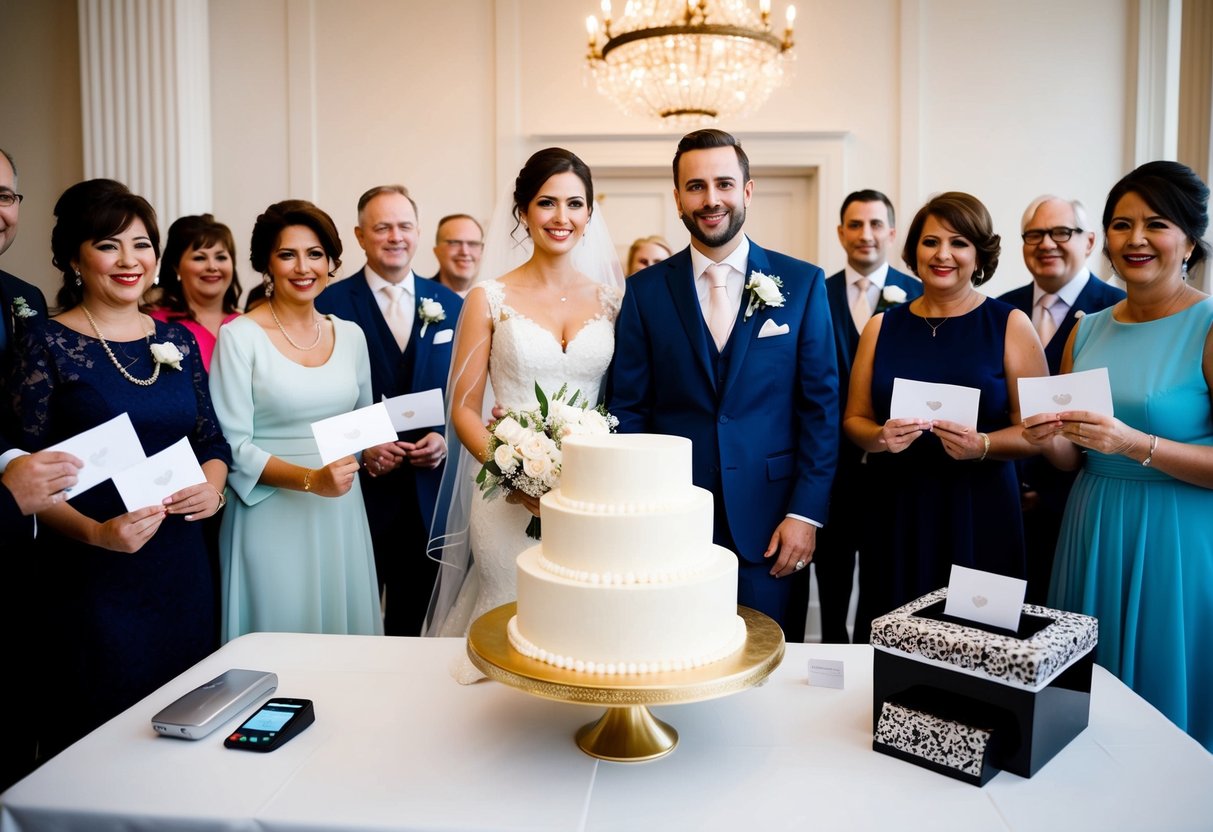
You might be curious about how to best approach these costs. Many modern couples create a budget based on their savings and contributions from family. This teamwork can help ease the financial stress. It’s also helpful to discuss expectations with both families upfront to avoid any surprises later on.
As you navigate planning your big day, keep in mind that each wedding is unique. Paying for your wedding can be a blend of tradition and personal choices, so reflect on what feels right for you and your partner. Understanding who typically pays for what can also make this process smoother and more enjoyable.
Understanding Wedding Costs
Planning a wedding involves several key expenses. Knowing what these costs are can help you manage your wedding budget more effectively.
Components of Wedding Expenses
When you break down wedding expenses, several main areas will typically take up most of your budget. Here are some of the largest expenses:
-
Wedding Venue: This often takes the biggest chunk of your budget. Prices can vary widely based on location and popularity.
-
Catering: Food and drink costs are crucial, especially if you have a large guest list. You’ll want to think about meal options and whether to include alcohol for the reception.
-
Wedding Dress: Many brides spend a significant amount here. Costs can range from affordable options to designer dresses.
-
Wedding Rings: Don’t forget about the rings! The average cost can vary but is an essential part of your ceremony.
-
Flowers and Cake: Budgeting for wedding flowers and cake is important as well, with prices based on your choices and preferences.
Understanding these components helps you create a realistic budget.
Budgeting for the Big Day
Creating a wedding budget is essential for staying on track. Start by determining your total budget and break it down into categories.
Consider these budgeting tips:
-
Set Priorities: Decide what’s most important to you and allocate funds accordingly.
-
Research Average Costs: Know the average wedding cost in your area, which can help you gauge what to expect. For instance, California weddings may exceed $40,000, while places like Ohio can be closer to $25,000.
-
Cut Costs Where Possible: Look for areas to save, like opting for seasonal flowers or choosing a weekday for your wedding.
-
Track Your Spending: Use a spreadsheet or budgeting app to keep everything organized.
By following these steps, you can keep your wedding planning stress-free and within your budget.
Financing Options for Weddings
Planning your wedding can feel overwhelming, especially when it comes to managing the costs. Understanding the most common ways people pay for their weddings can help you make informed choices that fit your budget. Here are some popular financing options to consider as you prepare for your special day.
Saving and Cash Reserves
One of the best ways to pay for your wedding is through saving money over time. This method allows you to avoid debt and interest payments.
Start by setting up a dedicated wedding savings account. You can automate deposits from your paycheck to make it easier.
Try to create a budget that outlines all your expected expenses. This will help you determine how much you need to save each month to reach your goal.
Consider using tools like savings apps to track your progress. Building a cash reserve gives you peace of mind. You won’t have to worry about monthly payments or high-interest loans, making your wedding experience much more enjoyable.
Credit Cards and Loans
Using credit cards can be both convenient and risky. Many couples use them to cover initial wedding costs. If you choose this route, it’s important to pay attention to interest rates.
Some cards offer rewards or cashback options, which can work in your favor if you pay off your balance quickly.
Wedding loans are another option. These personal loans can give you access to funds for specific expenses, like venue fees or catering services.
Make sure to shop around to find the best interest rates and terms that fit your situation. Be mindful of monthly payments and avoid borrowing more than you can handle. Sticking to a budget is crucial to keep your finances in check.
Family Contributions
Many couples receive financial support from family members. This can come in the form of gifts or loans.
Traditionally, it’s common for the bride’s family to contribute, but many families are happy to help regardless of tradition.
Discuss your budget openly with family members. You might find that they offer more than just emotional support.
If you receive money, be clear about how it will be used. This prevents misunderstandings down the line.
Consider drafting a simple agreement for any loans, outlining repayment terms. Combining family contributions with your savings could help you cover many of your wedding expenses without compromising your financial future.
Pre-Wedding and Post-Wedding Events
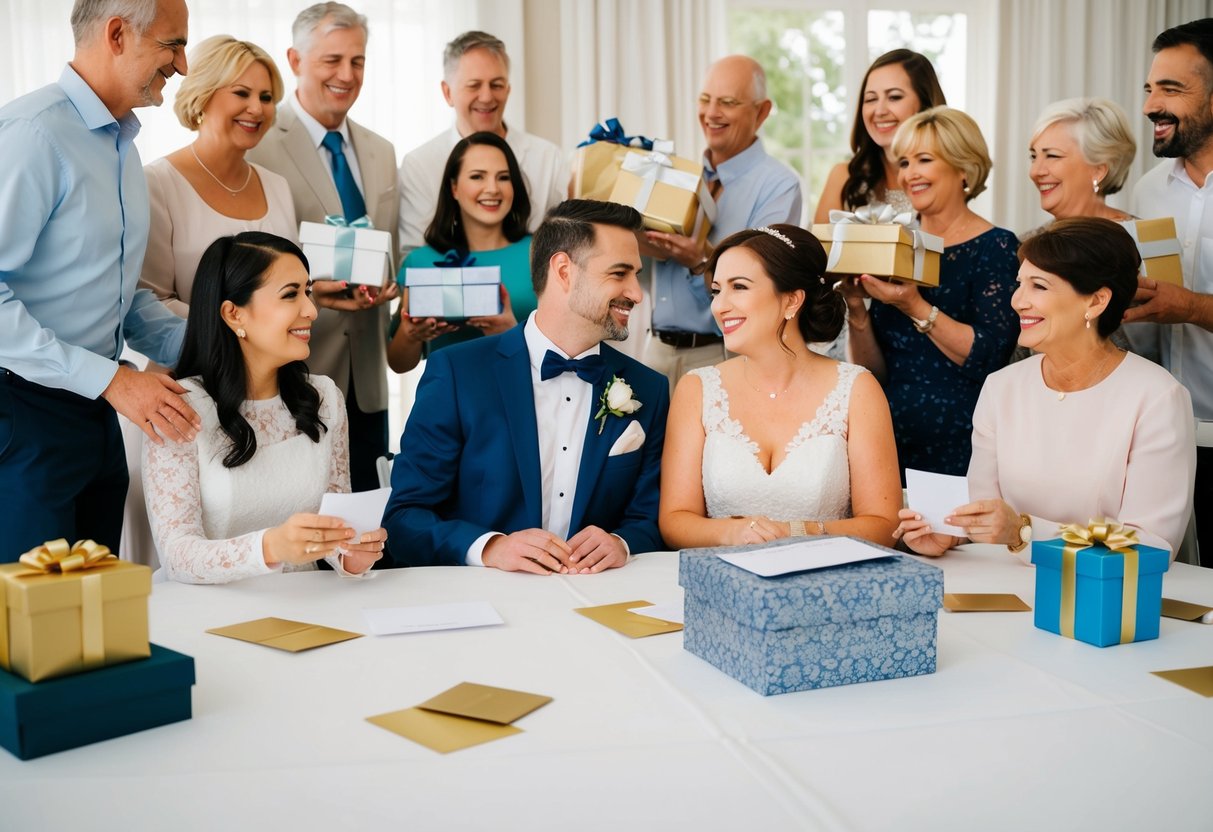
Preparing for a wedding involves more than just the big day. There are various events before and after the wedding that play a significant role in the celebration.
Before the Wedding
Engagement parties are often the first event, allowing you and your partner to celebrate the announcement with family and friends. This occasion can range from a casual gathering to a more formal affair, and typically the host is either the couple or their families.
Bridal showers are also common. They serve as a social celebration for the bride-to-be, where guests bring gifts. This allows friends and family to gather and give love and support before the big day.
Another key event is the rehearsal dinner, held the night before the wedding. This gathering is for the wedding party and close family to relax and bond. You can share your plans and finalize the details for the ceremony.
After the Wedding
Once you finish the ceremony, you usually go on your honeymoon. This trip allows you to unwind and enjoy each other’s company after the busy wedding events.
Post-wedding parties, like a reception, often feature gifts for your guests, such as wedding favors. It’s also thoughtful to give gifts to your wedding party, expressing your gratitude for their support.
Each of these events adds to the overall experience of your wedding journey, making lasting memories with your loved ones.