
How Do You Calculate Guest Count for Destination Wedding? Tips for an Amazing Celebration
Planning a destination wedding can be as exciting as it is challenging. One key aspect that often leaves couples feeling overwhelmed is determining how many guests to invite.
To calculate your guest count for a destination wedding, consider factors like local vs. out-of-town invitees, travel ease, and the unique dynamics of your guest list.
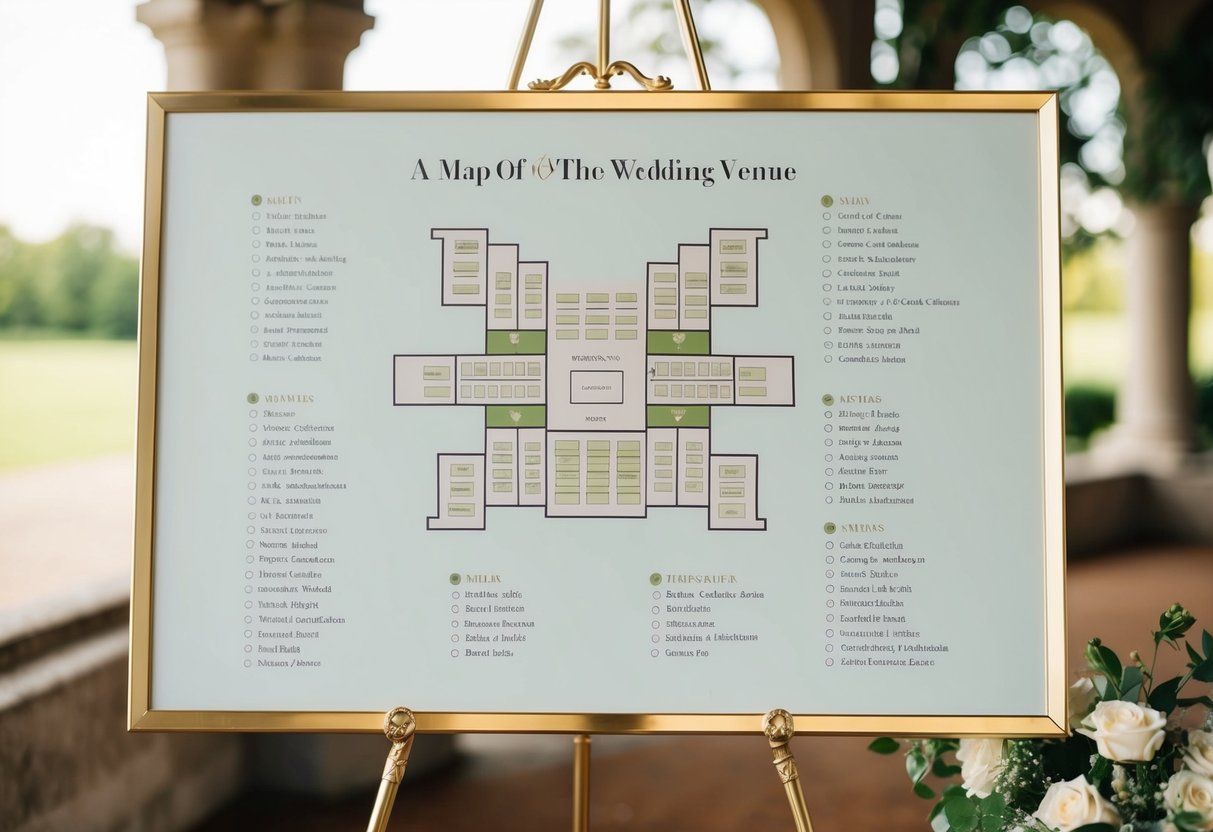
You’ll want to keep in mind that not everyone may be able to make the trip. Depending on the location, it’s common to expect only 25-50% of your guests to attend, especially if they have to travel far or take time off work.
Engaging your closest friends and family early can also help gauge interest and availability, which can lead to a more accurate count.
By thinking about your guest count early in the wedding planning process, you can make better decisions about the venue, catering, and accommodations.
Keep these important points in mind so you can create the perfect day that balances your dream wedding and the loved ones you want by your side.
Understanding Guest Count for Destination Weddings
Calculating the guest count for a destination wedding involves careful planning. You need to think about your desired wedding size and balance this with your venue capacity and budget. Let’s break it down into key aspects.
Determining Your Wedding Size
Start by thinking about how many guests you want to invite. For a small wedding, focus on close family and friends. This might mean inviting around 20 to 50 guests. For a large wedding, you might consider up to 100 or more.
The average number of wedding guests often varies, but destination weddings tend to see only about 25-50% of invitees attending. So, if you invite 100 guests, expect 25 to 50 attendees. This is important for planning your venue and budget.
Assessing Venue Capacity and Budget Constraints
Next, check the capacity of your chosen venue. Every space has a limit. Ensure it matches your desired guest size. For instance, a venue may comfortably hold 150 guests, but hosting 200 could feel cramped.
Also, remember that costs rise with the number of guests. The average wedding cost can increase significantly with food, drinks, and rental expenses. Make sure to align your guest count with your wedding budget. Plan wisely to avoid surprises, ensuring a memorable celebration for everyone involved.
The Guest List Creation Process
Creating a guest list for your destination wedding involves careful planning and consideration. It’s important to manage who you want to invite and how to accommodate them in your unique setting.
Segmenting Your Guest List
Start by breaking down your guest list into smaller groups. Consider categories like immediate family, friends, colleagues, and acquaintances. This approach makes it easier to see who truly matters to you on your special day.
Immediate family usually takes priority, so list parents, siblings, and grandparents first. Then, move to friends who have played a significant role in your life, whether from school, college, or work.
Next, consider extended family and couples you are close with. By organizing your list, you can ensure that you invite those who mean the most to you while keeping track of numbers.
Prioritizing Immediate Family and Bridal Party
Your immediate family should be at the top of your priority list. This often includes parents and siblings, who are typically expected to attend. Their presence can mean a lot to you and your partner.
Next, focus on your bridal party. These are the friends who will stand by your side during the ceremony. Make sure to include maids of honor, best men, and any other important roles you want filled. Their inclusion is not just about numbers, but about support on your big day.
By concentrating on these key groups, you can create a solid foundation for your guest list that reflects your values and relationships.
Considering Plus-Ones and B-List Invitations
Deciding on plus-ones is a crucial step. Typically, guests in serious relationships should be given the option to bring a partner. This makes them feel included and can help maintain harmony among your guests.
After filling your main list, consider a B-list. These are guests you would like to invite but aren’t essential. This can include friends or family you haven’t seen in a while. Send invitations to them only if you have available space as RSVP deadlines approach.
By planning your plus-ones and B-list carefully, you create an inviting atmosphere at your wedding while keeping guest count manageable.
RSVP Management and Attendance Predictions
Managing RSVPs and predicting attendance can be challenging, especially for destination weddings. Paying attention to details helps ensure you have a clear picture of your guest count.
Sending Save-The-Dates and RSVP Cards Early
Start by sending out your save-the-dates as soon as you finalize the wedding date and location. This gives guests plenty of time to plan their travel. For a destination wedding, aim for 6 to 8 months in advance.
When you send RSVP cards, include clear instructions and an option for guests to indicate if they’ll need help with accommodations. Make it easy for them to respond either by mail or online. Offering a deadline for RSVPs will help you manage your numbers effectively.
Calculating Attendance Rates
Attendance rates can vary greatly for destination weddings. On average, expect about 65-70% of those invited to attend. This rate can depend on several factors, including the guest’s location and the cost of travel.
For example, if you invite 100 guests, you might realistically see 65 to 70 people show up. To refine your estimates, consider guest demographics. You might notice that close friends and family are more likely to attend compared to distant relatives or acquaintances.
Accounting for Surprises and Last-Minute Changes
It’s important to stay flexible when planning for surprises. Guests might change their plans due to personal reasons or unexpected events.
Prepare for this by overestimating your numbers by 10-15%. This cushion can help accommodate any last-minute changes. Also, keep in touch with guests who haven’t responded by the RSVP deadline. A quick follow-up can be a friendly reminder to ensure you have accurate numbers.
Logistics and Accommodations for Guests

Planning for your guests involves careful consideration of travel arrangements, where they will stay, and how to honor cultural traditions. It’s crucial to ensure everyone is comfortable and enjoys the event. Here’s what you need to focus on.
Travel Arrangements for Out-of-Town Guests
For out-of-town guests, it’s important to organize travel in advance. Share details about preferred airlines and nearby airports. Create a clear itinerary with options for different travel times and methods.
You might consider offering transportation options, like shuttles, to and from the venue. This makes things easier, especially for guests unfamiliar with the area.
Additionally, a wedding guest calculator can help you estimate how many guests will come from afar. This estimate can guide both travel arrangement planning and budgeting.
Booking Hotel Rooms and Catering for the Wedding Reception
When selecting accommodations, choose hotels close to your wedding venue. You can often negotiate group rates, making it more affordable for your guests.
Make a list of options with various price ranges. Include hotels that cater to different budgets so that local and out-of-town guests feel comfortable. Providing a list of recommended hotels can help simplify their choices.
For catering, think ahead about the type of meal you want to offer. Consider dietary restrictions and preferences to ensure everyone is happy with the menu. It’s essential to communicate your choices to the caterer and double-check that they can support your guest count.
Cultural Traditions and Destination Wedding Etiquette
Your wedding can be significantly influenced by cultural traditions. Make sure to communicate any relevant practices to your guests. This helps everyone feel involved and shows respect for different customs.
You should also inform guests about appropriate attire and behaviors expected at the wedding. Sending out a detailed itinerary can help guests know what to expect.
Always be considerate of different backgrounds when planning. This thoughtfulness can enhance the experience for everyone, helping them feel welcomed and appreciated.