
How Do You Write a Simple Wedding Ceremony? A Step-by-Step Guide
Planning your wedding can be exciting, but creating a simple wedding ceremony script might feel a bit daunting. To write a simple wedding ceremony, start by deciding what elements are most important to you and your partner.
This might include personal vows, readings, or any cultural traditions that resonate with you both.
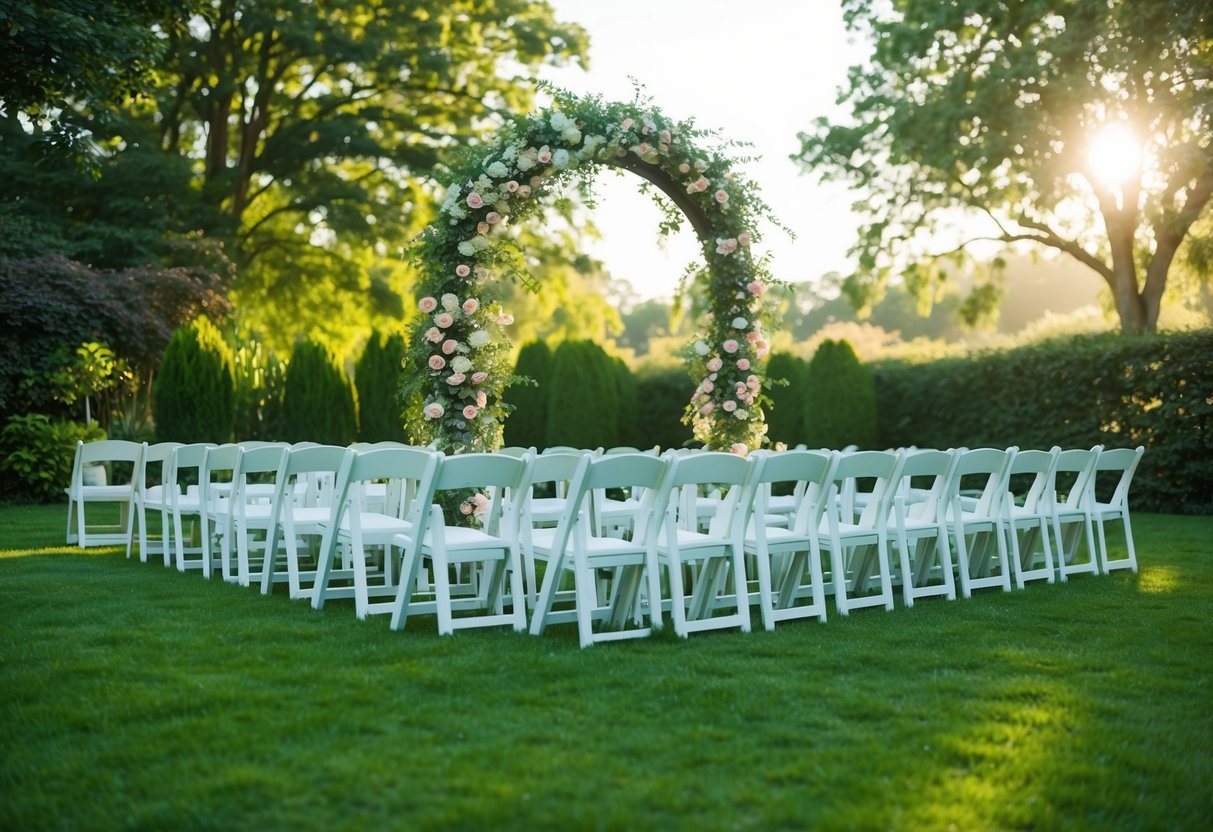
As you go through the process, remember that the ceremony is a reflection of your love story. You can make it unique by incorporating special moments or shared memories. Use sample scripts as a guide to help you shape your ceremony.
Ensure that the final script feels authentic and true to you.
With careful thought and a bit of creativity, you can craft a ceremony that perfectly captures the spirit of your relationship. Embrace the journey of wedding planning, and enjoy every step of designing a heartfelt ceremony.
Setting the Stage
Creating the right atmosphere for your wedding ceremony is essential. The choice of location and a well-crafted wedding program can make the event feel special and personal. Here’s how you can set the stage for a memorable experience.
Selecting the Perfect Location
Choosing the right location for your wedding ceremony can set the mood for your whole day. Consider if you want a traditional venue like a church or a modern space like a garden or beach.
Think about accessibility for your guests.
- Indoor venues: Great for controlling the environment, especially with weather concerns.
- Outdoor spaces: Offer natural beauty and scenic backdrops but be mindful of unpredictable elements.
Also, think about the layout. Ensure there’s ample space for the processional and recessional. This will allow your guests to enjoy the ceremony comfortably and captures the moment beautifully.
Crafting a Wedding Program
A wedding program serves as a guide for your guests. It outlines the ceremony’s flow and helps everyone know what to expect. Include details like:
- Order of events: List the processional, readings, vows, and the recessional.
- Participants: Name the officiant, wedding party, and anyone else taking part in the ceremony.
- Special notes: If it’s a non-religious or modern wedding ceremony, explain the significance of any unique elements.
A well-designed program not only informs but can also become a keepsake. Personal touches, like quotes or a short note from you, make it special and memorable.
Writing the Ceremony Script
Creating a wedding ceremony script involves several key components that celebrate your love and commitment. This process allows you to personalize your ceremony and make it meaningful for you and your guests. Here’s how to structure it with important elements included.
Welcoming the Guests
Start your wedding ceremony by welcoming your guests warmly. This is the first chance for the officiant to set the tone.
You can say something like, “We are grateful for you all being here today to celebrate this special occasion.”
Acknowledging the presence of family and friends makes everyone feel included. This moment is about bringing together those who matter most to you. You might also want to mention the importance of their support in your relationship journey.
Opening Remarks and Introduction
Following the welcome, the officiant should provide opening remarks. This is where you can share a bit about your love story.
Briefly talk about how you met or what brought you to this day.
An engaging introduction keeps the audience interested. It can include a quote about love or a fun anecdote. For example, “As you all know, every great love story begins with an adventure.” This setting builds up excitement for the vows you’re about to exchange.
Readings and Traditions
Incorporating readings or traditions adds depth to your ceremony. You can choose poems, quotes, or passages that resonate with your relationship.
These can reflect your values, beliefs, or the couple’s journey together.
If you’re planning a religious ceremony, consider including scripture. For non-religious ceremonies, opt for beautifully written love poems. You can also involve family members by asking them to read, making it a special moment.
Crafting Personalized Vows
Your vows are the heart of the ceremony. Crafting personalized vows allows you to express your love in your words.
Aim for a mix of heartfelt sentiments and light humor to keep it genuine.
When writing, think about your favorite memories together and what you cherish most.
Consider saying, “I promise to support you in your dreams and share in your adventures.” Keep them about 1-2 minutes long, so they remain impactful.
Exchange of Rings and Vows
The exchange of rings is a significant part of the ceremony. Rings symbolize your unending love and commitment.
During this moment, you can choose to say, “With this ring, I thee wed,” as you each place the ring on one another’s finger.
Encourage the officiant to pause for a moment here. This gives everyone time to witness the significance of the exchange. Remind your guests of the love represented by these rings throughout your life together.
Unity Ceremony Variations
To symbolize your union, consider including a unity ceremony. There are many options, like handfasting, where you tie your hands together as a sign of coming together.
Alternatively, mixing sand from different containers symbolizes the joining of two lives into one.
Another beautiful option is jumping the broom, a tradition that represents new beginnings.
Choose a unity ceremony that resonates with your personalities and relationship. This not only enhances your ceremony but also creates lasting memories for your guests.
Roles and Responsibilities
Planning a wedding involves many roles and responsibilities that help ensure everything goes smoothly. Choosing the right officiant, defining the wedding party, and considering guest participation are key components in creating a personal and heartfelt ceremony.
Choosing the Officiant
Selecting your officiant is one of the most important steps. This person leads the ceremony, so you want someone who makes you feel comfortable.
It could be a religious leader or a friend who has been ordained.
Discuss your vision for the ceremony with them. Share any specific elements you want included, like readings or personal vows. They’ll help create a wedding ceremony script that reflects your personalities.
Make sure they understand the legal requirements for your marriage, including the declaration of intent and the pronouncement of marriage. This ensures that everything is official and recognized by law.
Defining the Wedding Party
The wedding party includes those who play significant roles in the ceremony. This typically consists of the maid of honor, best man, bridesmaids, and groomsmen.
Each role has specific duties.
For instance, the maid of honor supports you during planning and helps with day-of tasks. The best man often gives a speech at the reception and helps organize pre-wedding events.
Make a list of responsibilities for each member. This could include things like coordinating rehearsals or managing the rings. Clear communication helps everyone understand what to expect and ensures the day runs smoothly.
Guest Participation
Involving your guests can make the ceremony more special. You might invite close friends or family members to read poems or share personal stories. This adds a unique touch to the event.
Consider a moment for guests to share their support. You could have them raise their hands or say a few words after the couple is pronounced married.
Additionally, think about how you can incorporate traditions, like unity candles or a sand ceremony. This can include guests as part of the symbolism, making them feel engaged and connected to the ceremony.
Final Touches
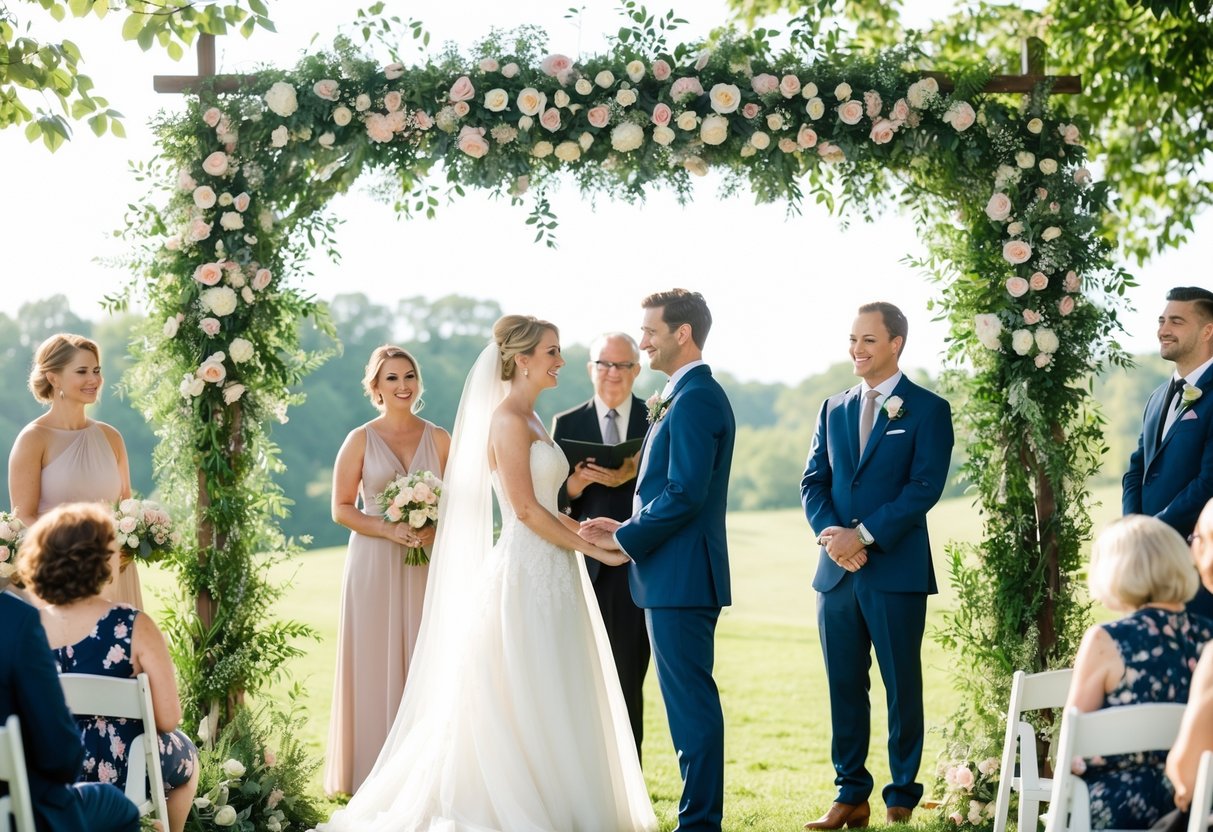
At the end of your wedding ceremony, you’ll want to create a memorable moment for everyone involved. This includes the pronouncement of marriage, the kiss, and closing remarks. These final touches help solidify the significance of the day for you and your guests.
Pronouncement and Kiss
The pronouncement of marriage is a key moment in your ceremony. This is when the officiant declares you and your partner as married. It’s both exciting and emotional.
Traditionally, the officiant might say something like, “By the power vested in me, I now pronounce you husband and wife.”
Once this is done, it’s time for the kiss! This kiss symbolizes your first act as a married couple.
You can make it fun or romantic, based on your relationship style. Don’t forget to enjoy the moment as your guests celebrate this milestone.
Closing Remarks
Closing remarks wrap up your ceremony and leave a lasting impression. Use this time to thank your guests for being a part of your day.
You might also want to share your hopes for the future. This is also the moment to encourage applause or cheers from your guests. A few heartfelt words can add a personal touch.
Consider using a simple wedding ceremony script to guide your remarks. Tailor your farewell to your values and what matters most to you both. These closing words will echo in the hearts of everyone present, adding to the joy of your memorable ceremony.