
How Does an Officiant End a Wedding Ceremony? Celebrating Love and New Beginnings
Ending a wedding ceremony is a special moment that leaves a lasting impression on the couple and their guests. As the officiant, you play a crucial role in making this finale memorable. An officiant typically wraps up the ceremony by proclaiming the couple as married, inviting them to share their first kiss, and encouraging cheers from the guests.
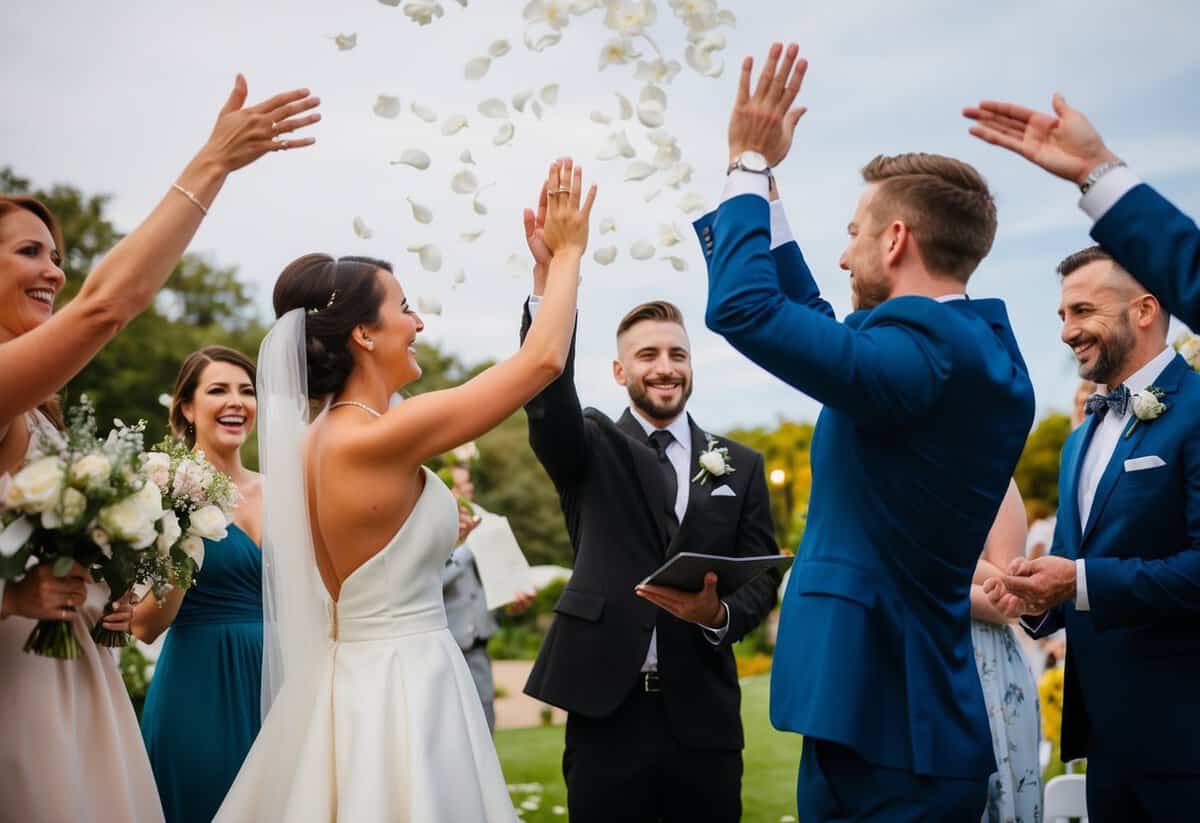
To create a smooth and joyful ending, it’s important to have a well-thought-out timeline.
This will help ensure that all elements of the ceremony flow seamlessly into that exciting moment.
By planning ahead, you can help the couple enjoy this significant day without any last-minute stress.
Whether you’re a first-time officiant or have years of experience, knowing how to wrap up the wedding ceremony effectively will help you create a beautiful memory for the couple. Engaging the audience and celebrating the union is key to a heartfelt conclusion that everyone will cherish.
Crafting the Perfect Closing Remarks
Your closing remarks are key to ending the ceremony on a high note. A strong conclusion can leave a lasting impression on everyone present. Let’s explore why this is important and what elements make your officiant speech truly great.
The Importance of a Strong Conclusion
A strong conclusion is essential for wrapping up the ceremony. It’s your chance to bring all the emotions together and elevate the energy in the room.
When you conclude, you confirm the couple’s commitment and celebrate their love. You create a joyful atmosphere where guests feel connected.
This final moment is important for making memories. If done right, it leaves a lasting impression on the couple and guests alike. In this moment, you want to ensure everyone feels the happiness radiating from the couple.
Elements of Great Officiant Speeches
In crafting your closing remarks, consider these key elements to enhance your officiant speech:
-
Personal Touch: Mention how the couple met or a special moment they shared. This connects the audience to their story.
-
Energy: Use a warm tone and engage the guests. Encourage applause or cheers as you introduce the couple.
-
Thank Yous: Acknowledge parents, guests, and those who helped organize the event. Gratitude promotes a sense of community.
-
Call to Action: Invite guests to celebrate with the couple after the ceremony. This keeps the joyous energy flowing into the reception.
By focusing on these elements, you will craft closing remarks that resonate and captivate everyone involved.
The Symbolism and Timing of The Ring Exchange and Kiss
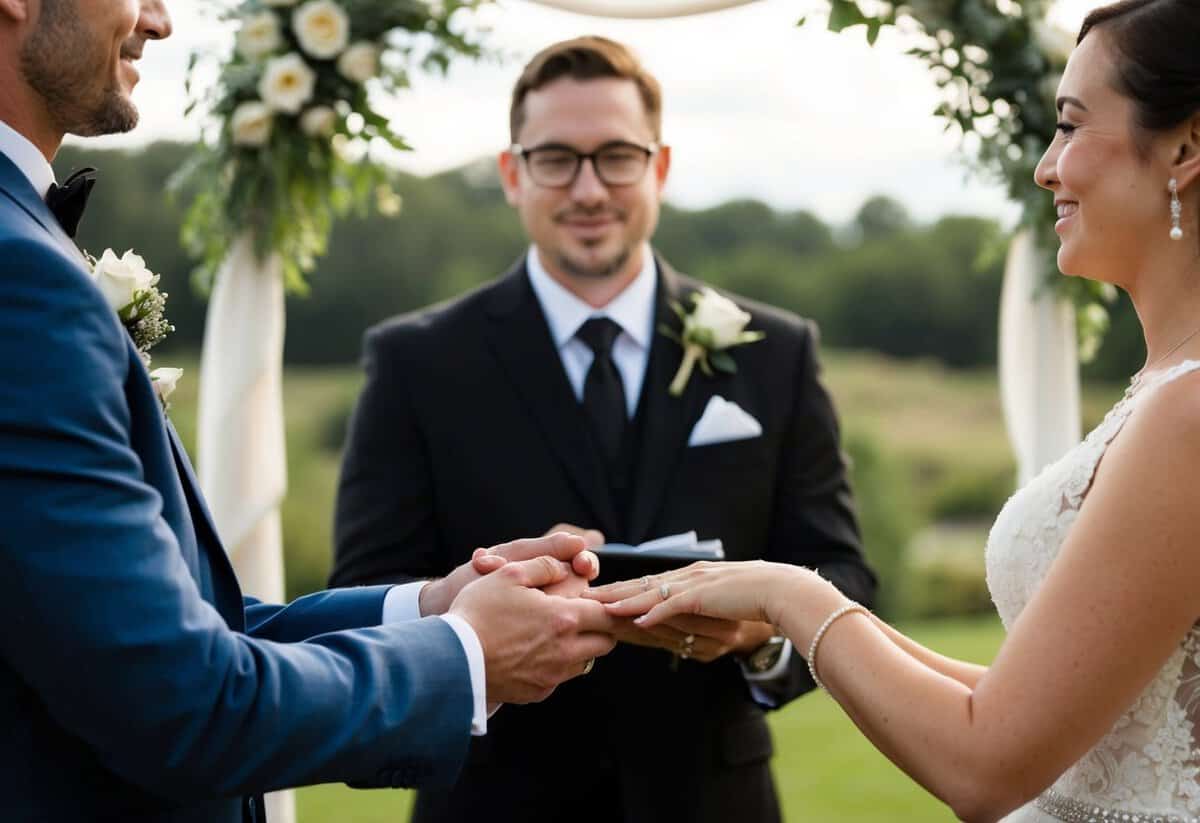
The ring exchange and the couple’s first kiss are two pivotal moments in a wedding ceremony. Each holds deep meaning, representing commitment and love. Understanding their timing and significance can enhance your wedding experience.
Declaration of Intent and Ring Exchange
Before the ring exchange, you will make a declaration of intent. This moment confirms your desire to marry one another. It is where you openly express your commitment in front of your family and friends.
Following this, you exchange rings, an ancient symbol of love and fidelity. The circular shape of the ring represents eternity, showing that your love has no beginning or end. As you place the rings on each other’s fingers, you are making vows to honor and cherish each other.
This act is both ceremonial and emotional, marking the transition into your new life as a married couple. The ring exchange signals the seriousness of your commitment and is often the highlight of the ceremony.
Culminating with The Kiss
After exchanging rings, the moment comes for the joyous kiss. It is a significant culmination of the vows made and the promises exchanged. The officiant will typically invite you to seal your vows with a kiss, often saying, “You may now kiss the bride/groom.”
This kiss symbolizes your love and commitment, showing the world your bond. It is a moment filled with joy and excitement, often applauded by guests. The kiss marks the beginning of your journey as newlyweds, a beautiful expression of your love for one another.
You can take your time during this moment, making it as personal and unique as you like. It’s a chance to share your love in front of those who matter most to you.
Orchestrating the Recessional
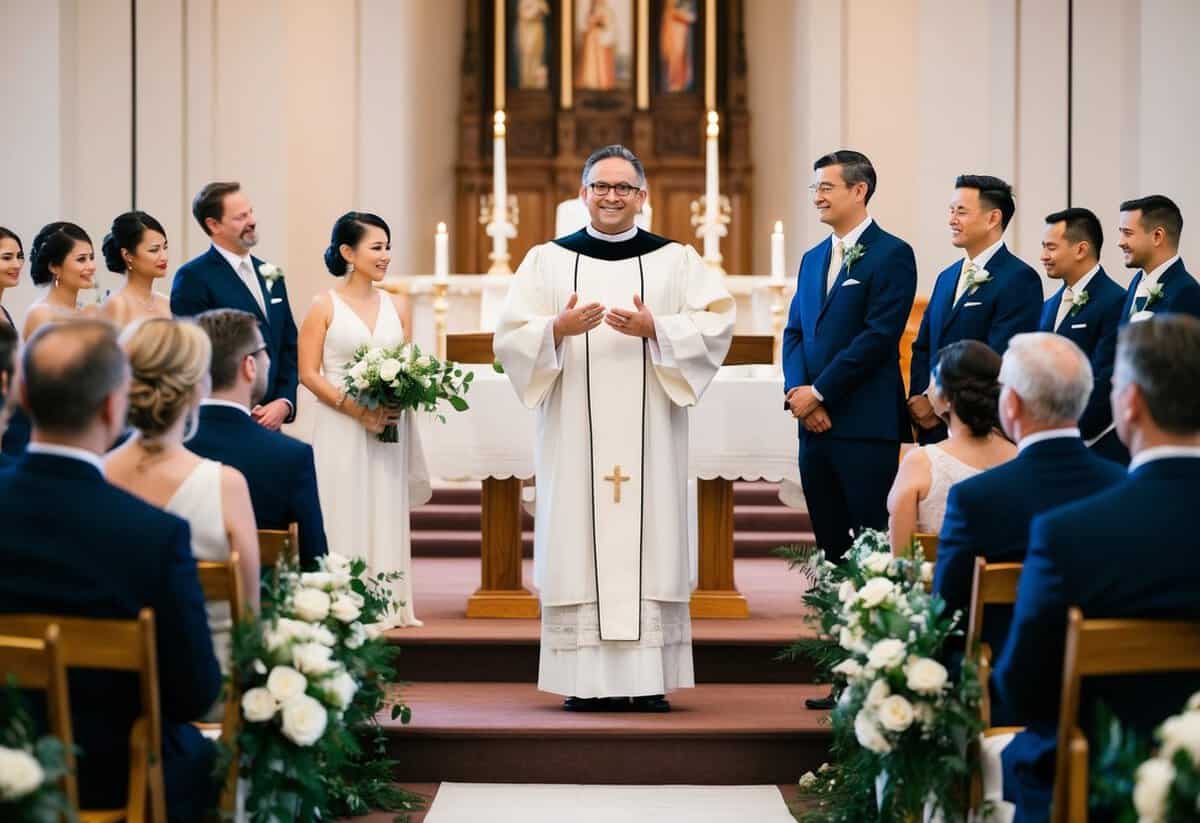
As the wedding ceremony comes to a close, orchestrating the recessional is an important step. This moment serves as a transition from the ceremony to the celebration, setting the tone for what comes next. You want it to be memorable for both the wedding party and your guests.
Selecting the Right Recessional Music
Choosing the right music for the recessional is key. The song should reflect your personality as a couple and enhance the joyous atmosphere. Popular choices often include classic pieces or contemporary love songs.
Consider making a playlist that resonates with both of you. Keep in mind the tempo, which should encourage a celebratory mood.
Some couples opt for unique songs that have personal significance. A well-chosen recessional song can leave a lasting impression on your guests as they exit.
Guiding The Wedding Party and Guests
After the officiant announces the couple as married, it’s time for the recessional. The wedding party will follow a designated order as they leave. This usually starts with the newlyweds, followed by the wedding party, and then family members.
Ensure everyone knows their role and order. It can help to provide a printed guide to the wedding party beforehand. Communicate clearly how you want guests to exit too.
The officiant often leads the way or offers directions to help keep things organized. This smooth flow allows for a joyful atmosphere as guests transition to the next part of the celebration.
Adding Personal Touches Throughout the Ceremony
Adding personal touches during your wedding ceremony can make the day even more special. These unique elements help create lasting memories for you, your partner, and your guests. Here are two key ways to infuse your ceremony with personal significance.
Incorporating Unique Elements
Think about including personal symbols that represent your love story. You can add a unity ceremony, such as a sand or candle ceremony, where you blend elements together. This shows your commitment to each other while also being visually beautiful.
You might also consider engaging family and friends. Invite loved ones to participate in readings or share brief anecdotes. This involvement can enhance the emotional connection throughout the ceremony.
Another unique touch is to create a themed ceremony. Use decorations, music, or rituals that reflect your personalities or shared hobbies. These elements can make your ceremony feel truly one-of-a-kind.
Thanking Guests and Preparing for the Celebration
As the ceremony wraps up, take a moment to thank your guests for being part of your special day. The officiant can express your gratitude with a short, heartfelt message. This ensures everyone feels appreciated as they transition to the next part of the celebration.
You may also want to acknowledge those who couldn’t attend. A simple mention can include them in spirit. This helps create a sense of unity and warmth.
Make sure to guide guests toward the cocktail hour or reception clearly. You can do this with signage or a friendly message from the officiant. Everyone will appreciate knowing what comes next as they celebrate this joyful occasion with you.