
How Does the Picture Bride End? A Heartwarming Conclusion to a Unique Love Story
In the film “Picture Bride,” Riyo’s journey culminates at a lively Obon Festival. At the festival, she, her husband Matsuji, and fellow workers dance joyfully in a circle. The film ends on a hopeful note, showing Riyo finding love and a sense of belonging despite her challenging immigrant experience. Her transformation from a lonely girl into a confident woman reflects the resilience many faced in America.

Riyo’s story highlights the arranged marriage tradition among Japanese women and the hardships they endured. As she navigates her new life in Hawaii, her experiences offer a glimpse into the struggles and triumphs of those seeking a better future in a foreign land. You’ll discover how love can blossom in unexpected places, even against a backdrop of difficulty.
Through the lens of Riyo’s life, you can see the broader immigrant experience that shapes the narrative. This story not only connects with individuals like Hana and Taro but also resonates with anyone who has faced the challenges of change and adaptation.
Historical Context and Setting
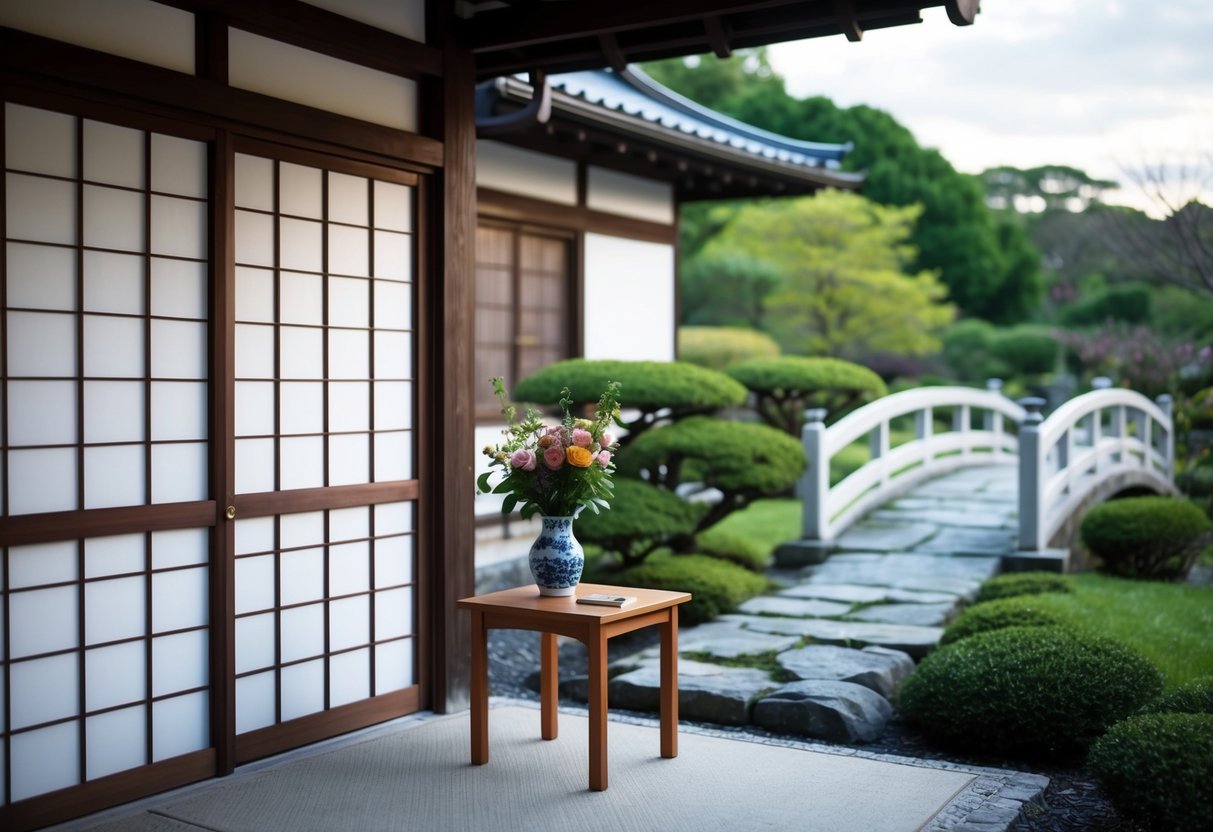
Understanding the historical context and setting of “Picture Bride” provides insight into the challenges and experiences of Japanese immigrants. This backdrop shapes the characters’ lives and their struggles as they adapt to a new world.
Immigration to America and California
In the early 20th century, many Japanese immigrants sought better opportunities in the United States. By 1917, many traveled to California, drawn by the promise of jobs in agriculture and other industries.
These immigrants faced discrimination and limited rights. Yet, they established vibrant communities, especially in places like Oakland.
Many Japanese women, like Hana Omiya, participated in the picture bride system. They would agree to marry based on photographs exchanged beforehand. This allowed lonely men to find partners despite the challenges.
Life in Oakland during the Early 20th Century
In Oakland, life for Japanese immigrants was often difficult but resilient. Families worked long hours on farms and in factories.
Community centers and churches became vital spaces for cultural connection. They helped you maintain aspects of Japanese culture while adapting to American life.
Schools often lacked support for Japanese students. Parents united to advocate for their children’s education and rights. This camaraderie fostered a tight-knit community that supported one another.
Despite hardships, the strength and determination of these immigrants shone through. They created a rich cultural tapestry that influenced the city.
Influence of World War II
World War II had a profound impact on Japanese Americans. After the bombing of Pearl Harbor in 1941, fears of espionage led to widespread upheaval.
Many Japanese Americans, including those in Oakland, were forcibly relocated to internment camps. This experience deeply affected families, including the characters in “Picture Bride.”
The loss of homes and businesses marked a dark period in their history. Post-war, the community worked hard to rebuild their lives and restore their dignity.
The legacy of these experiences continues to resonate today, highlighting the resilience of Japanese Americans through adversity.
Character Analysis and Development

In this section, you will explore the main characters of “Picture Bride” and how they grow throughout the story. Each character faces unique challenges, which shape their identities and relationships. Their experiences reflect themes like dreams, family, and the impact of discrimination.
Hana Omiya’s Journey and Transformation
Hana Omiya starts as a hopeful young woman seeking a new life in America. Her journey signifies a quest for independence and identity. Initially, she has dreams of love and adventure, but reality challenges her expectations.
As she faces discrimination and cultural differences, Hana becomes more resilient. Her encounters with characters like Kiyoshi Yamaka and Taro Takeda push her to reconsider her dreams. Hana learns to stand up for herself and embrace her identity.
By the end, she transforms into a stronger person, valuing her heritage while carving out her own path. This change reflects her growth from naivety to empowerment.
Taro Takeda’s Perspective and Growth
Taro Takeda serves as a critical supporting character in Hana’s life. He marries her based on photos and letters, bringing his own struggles into their relationship. Taro is pragmatic but has a rough exterior that softens as the story unfolds.
Through his interactions with Hana, Taro grows to understand the importance of emotional connection. Initially seen as distant, he opens up and reveals his own dreams and fears.
His perspective sheds light on the pressure of cultural expectations and his responsibility as a husband. Taro’s development emphasizes that vulnerability and communication are vital for a strong partnership.
Supporting Characters and Their Roles
The supporting characters in “Picture Bride” each play vital roles in shaping the main story. Kiku, for instance, represents family and tradition, reminding Hana of her roots.
Henry Toda and Kenji Nishima reflect different attitudes towards assimilation, highlighting the challenges faced by immigrants. Their interactions with Hana illustrate the balance between maintaining one’s identity and adapting to new surroundings.
Kiyoshi Yamaka adds tension as a contrasting character whose advances challenge Hana’s loyalty to Taro. Moreover, these characters, through their diverse experiences with discrimination and community, enrich the narrative and support Hana’s growth.
Crucial Themes and Motifs

The themes in “Picture Bride” highlight the struggles faced by women in arranged marriages, their efforts to adapt to a new culture, and the impact of war and discrimination on their lives. These themes are essential to understanding the depth of the characters’ experiences.
Challenges of Arranged Marriages
Arranged marriages create tension between personal desires and familial expectations. You see Hana, the main character, arrive in America, filled with hope but soon facing the reality of marrying Taro, a man she barely knows.
Conversations about love and companionship take a back seat to duty and survival. The pressure to maintain loyalty to tradition leaves Hana feeling trapped. This struggle reflects a broader theme of sacrifice, showcasing the emotional challenges many women faced.
Key Points:
- Pressure from family versus individual feelings.
- Sacrifice made by women in such circumstances.
Adaptation to American Culture and Loss of Identity
As Hana settles in America, you witness her efforts to blend into a new society while grappling with the loss of her Japanese identity. Cultural expectations often clash, making adaptation difficult.
You may notice that Hana’s relationships with characters like Kiku provide contrasting perspectives on assimilation. Kiku represents a connection to their roots, while Taro pushes for a more American lifestyle. This illustrates how conflict and isolation affect Hana. Many immigrants experienced similar challenges.
Key Points:
- The struggle to adapt to American life.
- The tension between cultural identity and assimilation.
Impact of War and Prejudice on Japanese Immigrants
The backdrop of World War II introduces additional layers of hardship for Japanese immigrants. You see the climate of fear and racism, significantly affecting how Hana and her community are treated.
Discrimination against Japanese Americans complicates their attempts to integrate into society. You might observe that these experiences lead to feelings of isolation and disconnection from others. The war serves as a pivotal point that changes lives and strengthens community bonds among those facing prejudice.
Key Points:
- The direct effect of WWII on Japanese families.
- How prejudice shapes individual and communal experiences.
Significance of the Ending
The ending of “Picture Bride” plays a crucial role in highlighting key themes, such as the immigrant experience, the resolution of personal conflicts, and the journey toward self-discovery. You see how the hardships faced throughout the story shape the characters’ lives and relationships.
Resolution of Conflicts and Character Arcs
By the end of the story, you witness the resolution of several conflicts that have driven Hana and Taro’s relationship. Their marriage evolves from one based on necessity to one that reflects deeper understanding and companionship. Misunderstandings that initially strained their bond begin to fade as they confront their individual hardships together.
Their journey to Topaz symbolizes not just a physical relocation, but also an emotional journey toward acceptance and love. Taro grows as a character, moving from traditional expectations to valuing Hana’s perspective. You appreciate how both characters find strength amidst tragedy and challenge, ultimately pushing them toward personal growth.
Final Messages and Takeaways
The ending also offers profound messages about resilience and adaptation. The immigrant experience is vividly portrayed, showing how love can flourish in the face of adversity.
Hana and Taro’s story underscores the importance of communication in a marriage and the ongoing journey of discovery between partners.
You may find that the conclusion encourages you to reflect on your own connections and relationships. It serves as a reminder that hardship can lead to deeper intimacy.
The final moments highlight triumph over challenges, making the characters relatable and their journey inspiring.