
How Does Using a Wedding Planner Work? A Guide to Stress-Free Planning
Planning a wedding can feel overwhelming with so many details to consider. Using a wedding planner can simplify the process and help you focus on what truly matters—celebrating your love. A wedding planner brings expertise in event planning, ensuring that everything runs smoothly from start to finish. They handle the logistics, manage vendors, and keep you organized, which takes a lot of stress off your shoulders.

With a wedding planner by your side, you gain access to industry knowledge that can save you time and money. They know how to navigate budgets, negotiate contracts, and find top-notch vendors who match your vision. Having a professional to guide you allows you to enjoy the fun parts of planning, like choosing décor and designing your dream day.
Whether you want full-service support or help on the big day itself, a wedding planner tailors their services to fit your needs. This personalized approach means you can relax and trust that every detail is being taken care of while you prepare to say “I do.”
Understanding the Role of a Wedding Planner
Using a wedding planner can make your planning journey much smoother. They are experts who manage various tasks, allowing you to focus on celebrating your big day.
Key Responsibilities and Duties
A wedding planner has many important responsibilities to ensure your wedding is a success. They help set a budget, find the right venue, and coordinate vendors. This includes catering, photography, and floral arrangements.
Planners also assist with design and decor, ensuring everything aligns with your vision. They create timelines to keep all tasks on track. Wedding planners handle all the small details so you don’t have to worry.
On the day of your wedding, their role becomes even more crucial. They work to ensure everything runs smoothly, so you can enjoy every moment.
The Difference Between a Wedding Planner and a Coordinator
It’s essential to understand the distinction between a wedding planner and a wedding coordinator. A wedding planner is involved from the start. They manage all aspects of planning, including budget management and vendor selection.
In contrast, a wedding coordinator, often called a day-of coordinator, typically steps in closer to the event. They focus on managing the schedule and details on the wedding day itself.
While both roles aim to make your day enjoyable, planners provide comprehensive support throughout the entire process. Coordinators help execute your plans and address any last-minute issues on the big day.
The Wedding Planning Process
Planning a wedding involves multiple steps, starting with understanding your vision and managing your budget. These steps are crucial to ensure your big day aligns with your expectations and financial capabilities.
Initial Consultation and Vision Development
During the initial consultation, you and your wedding planner will discuss your ideas and preferences. This is your chance to share your vision for the wedding.
You can think about the overall theme, color palettes, and design services that excite you. Your planner will help guide this conversation to understand what styles resonate with you most.
It’s also a good time to discuss any must-haves or specific elements you envision for the day. Your planner will take detailed notes to ensure they capture your vision accurately. Together, you can create a solid foundation to build your wedding around.
Budget Planning and Management
Once you have a vision, it’s time to talk about the wedding budget. Your planner will help you outline all potential costs and set a realistic financial plan.
You’ll want to discuss key areas such as venue, catering, and decor while keeping an eye on your priorities. Your planner can suggest where to spend more and where you might save, based on their experience.
Managing your budget can feel overwhelming, but with the planner’s help, you’ll have a clear view of your wedding finances. Regular check-ins can ensure you’re staying on track, allowing for adjustments along the way. This way, you can focus on enjoying the planning process and looking forward to your special day.
Selecting Your Dream Team
Building your wedding team involves key choices about your venue and the vendors who will help bring your vision to life. Let’s explore how to choose the right venue and work effectively with vendors.
Choosing the Right Venue
Selecting the right wedding venue is crucial. Think about the style and size of your wedding, as it will set the tone for your big day.
Consider venues that match your theme, whether it’s a romantic garden, a beach for destination weddings, or an elegant ballroom.
Make a list of potential venues and visit them to see how they feel. Pay attention to facilities and how they fit into your plans.
Ask key questions about pricing, availability, and packages. This can help you find a venue that works for your budget and needs.
Remember, the right venue not only looks great but also makes your guests feel welcome.
Working With Vendors and Suppliers
When it comes to your wedding, working with the right vendors can make a big difference. Start by researching vendors in your area or for your destination wedding. Look for reviews and ratings to find reliable options.
Wedding vendors include caterers, photographers, florists, and entertainment, among others. Make a list of the services you need and prioritize them based on your vision.
Reach out to potential vendors early. This gives you time to discuss your ideas and get quotes. Be clear about your budget and expectations.
Scheduling meetings can help you gauge their style and personality. You want to feel comfortable working with them, as good communication is key.
Finally, once you’ve chosen your vendors, make sure to get everything in writing, from contracts to payment details. This helps ensure everyone is on the same page.
Final Preparations for Your Wedding Day
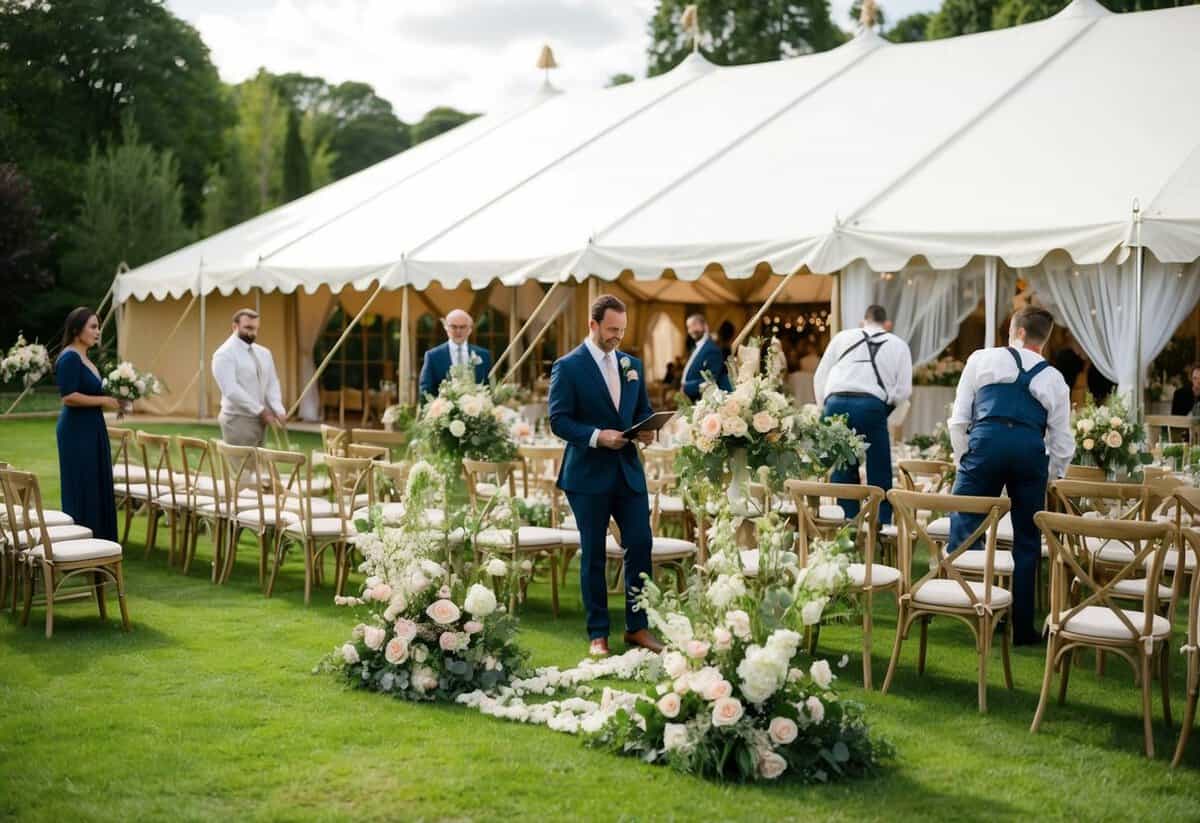
As your wedding day approaches, final preparations become essential for a smooth experience. You’ll work closely with your planner to create a detailed timeline and a solid seating chart. Coordination of the day’s events is just as important to ensure everything goes according to plan.
Creating a Timeline and Seating Chart
A well-crafted timeline is like a roadmap for your wedding day. You and your planner will outline key moments, including the ceremony, reception, and other significant events. This helps everyone know when and where to be.
Next, focus on the seating chart. You’ll start by finalizing your guest list, which should include everyone from family to friends. This chart ensures guests sit comfortably and encourages connections. You’ll also coordinate this with your wedding stationery, including seating cards and place cards, to make it visually appealing and organized.
Coordination of the Day’s Events
Your wedding planner will be your main point of contact on the big day. They will manage vendors, schedule deliveries, and handle any last-minute changes.
Your planner’s experience in full-service planning and day-of services means they will keep everything running smoothly.
During the wedding ceremony, they ensure everything happens as planned. This includes cues for music and managing the timing of important moments, like the first kiss or cake cutting.
With a focused approach to coordination, you can relax and enjoy your day while they handle the details.