
How Important is a Wedding Rehearsal? Tips for a Smooth Ceremony
A wedding rehearsal is more than just a walk-through; it’s a key step to making your big day go smoothly. Planning a rehearsal gives everyone a chance to understand their roles and feel comfortable before the ceremony. It helps prevent confusion and ensures everyone knows what to expect on the actual day.
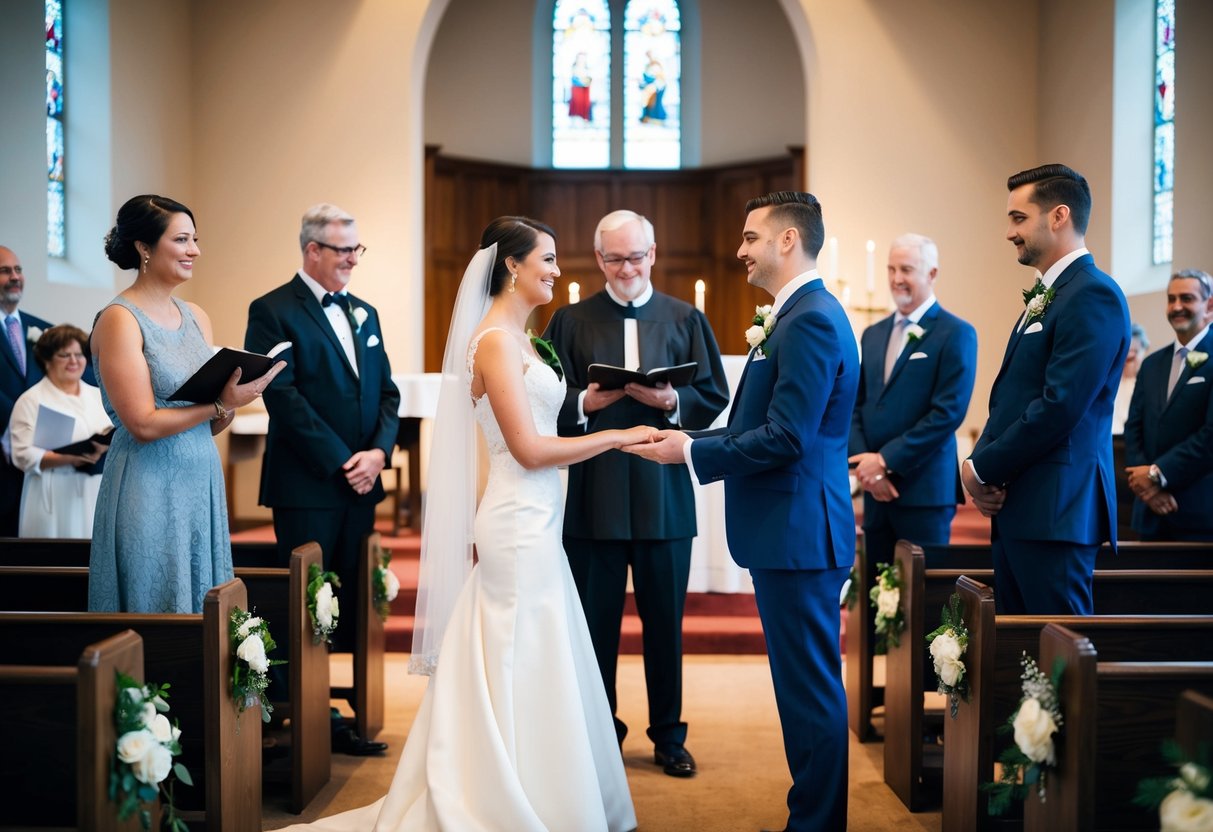
By gathering your wedding party and close family, you create an opportunity for everyone to connect and build relationships, which can make the event even more special. You might find that practicing together eases pre-wedding nerves and fosters a sense of teamwork among your loved ones.
Understanding the importance of a wedding rehearsal can save you from last-minute surprises. You’ll feel more confident knowing that you and your wedding party are prepared for the ceremony ahead.
The Purpose of a Wedding Rehearsal
A wedding rehearsal is an essential step to ensure everything runs smoothly. It gives everyone involved a chance to practice their roles and gain confidence in how the ceremony will unfold.
Roles and Responsibilities
During the rehearsal, each person learns their specific role. This includes the couple, wedding party, and any family members involved. Everyone practices walking down the aisle and standing in the right place.
Understanding your responsibilities is key. For example, the maid of honor may need to help the bride with her dress, while the best man is responsible for the rings. Knowing these details helps reduce anxiety on the big day.
Clear roles lead to a more organized ceremony. When each person is confident in their duty, it creates a calm atmosphere that allows you to enjoy the moment.
Understanding the Ceremony Flow
The rehearsal helps everyone understand the flow of the ceremony. You will practice important aspects like the processional and recessional. This means knowing when to walk, where to stand, and what to do at each moment.
For instance, the processional is when you make your grand entrance. You will learn the order of who walks first. Similarly, during the recessional, you will understand how to exit after the vows.
This practice session gives you a preview of the wedding day. Feeling familiar with the sequence can ease nerves and let you focus on enjoying your celebration.
Planning Your Wedding Rehearsal
Planning your wedding rehearsal is an important step to ensure everything runs smoothly on the big day. You’ll want to think about who organizes it and what key elements should be included. This careful preparation helps everyone feel comfortable and confident.
Who Organizes the Rehearsal?
Typically, the wedding planner or coordinator takes charge of organizing the rehearsal. If you don’t have a planner, a close family member or friend can help.
Make sure to communicate clearly with your planner about your wishes. They’ll work with you to choose a date and time. It’s best to hold the rehearsal a few days before the wedding.
Don’t forget to invite everyone involved in the ceremony. This usually includes the wedding party, parents, and any readers or musicians. Providing them with a timeline helps keep things on track.
Key Elements to Include
When planning your rehearsal, there are several key elements to include. Start with a detailed timeline. This should cover the processional order, recessional, and special rituals like readings or music.
Next, consider a walk-through of the venue. Familiarize everyone with their roles. A practice run of the processional will help everyone understand when to walk and where to stand.
Don’t overlook the details. Double-check that all necessary items are ready, such as the wedding rings and any special decor. A well-planned rehearsal ensures everyone knows what to expect on your special day.
Executing a Successful Rehearsal
A successful rehearsal is key to a smooth wedding ceremony. By working closely with your officiant and following some helpful tips, you can ensure everything goes according to plan.
Working with Your Officiant
Start by meeting with your officiant before the rehearsal. Discuss the order of events and any specific wedding traditions you want to include. This is a great time to go over vows, readings, and personal touches.
Make sure to practice music cues as well. Knowing when the music starts can help everyone feel confident. Your officiant can also guide you on how to stand during the ceremony and where to go.
A clear understanding with your officiant will set a positive tone for the rehearsal. Leave space for questions and adjustments, creating a relaxed atmosphere for everyone involved.
Tips for a Smooth Rehearsal
To keep the rehearsal organized, create a checklist of all tasks. Include roles for everyone, from the wedding party to family members. Knowing where each person fits is essential for a smooth execution.
Communicate clearly about timing. Make sure everyone knows when to arrive and the order of events. Doing a few run-throughs of key moments can help everyone feel comfortable.
Encourage participants to ask questions if they’re unsure. This will ease any nerves and help maintain a friendly vibe. With preparation and open communication, your rehearsal can go off without a hitch.
The Rehearsal Dinner
The rehearsal dinner is a special pre-wedding celebration that brings everyone together before the big day. It’s a chance to enjoy a meal, connect with loved ones, and set a positive tone for the wedding ahead.
Setting the Tone for the Big Day
The rehearsal dinner is a wonderful opportunity to create excitement for the wedding celebration. You can choose a venue that reflects your style, whether it’s casual or elegant. This setting allows everyone to relax and enjoy each other’s company.
Sharing meals can help ease any pre-wedding jitters. You might incorporate fun activities, like toasts from the bridal party or games. Consider including your bouquet from the wedding shower, which adds a sentimental touch. This event reminds everyone why they’re together and builds anticipation for the actual ceremony.
Inviting Your Wedding Party
When it comes to invitations, think about who should attend the rehearsal dinner. You should invite your wedding party, including bridesmaids, groomsmen, and any flower girls or ring bearers.
Close family members could also be included. It’s a great way to integrate parents and siblings before the wedding day. Make sure to communicate details clearly about the time, location, and attire.
This gathering can be as big or small as you wish. Whether you have a large celebration or an intimate dinner, inviting the right people will enhance the experience as everyone prepares for the big day together.