
How Long Should You Have a Photographer at Your Wedding? Guide
For most weddings, eight hours of photography coverage gives you time for key getting-ready moments, portraits, the ceremony, and the early reception. Six hours can fit a compact day, while ten or more hours suits a longer schedule with extra locations or a late reception.
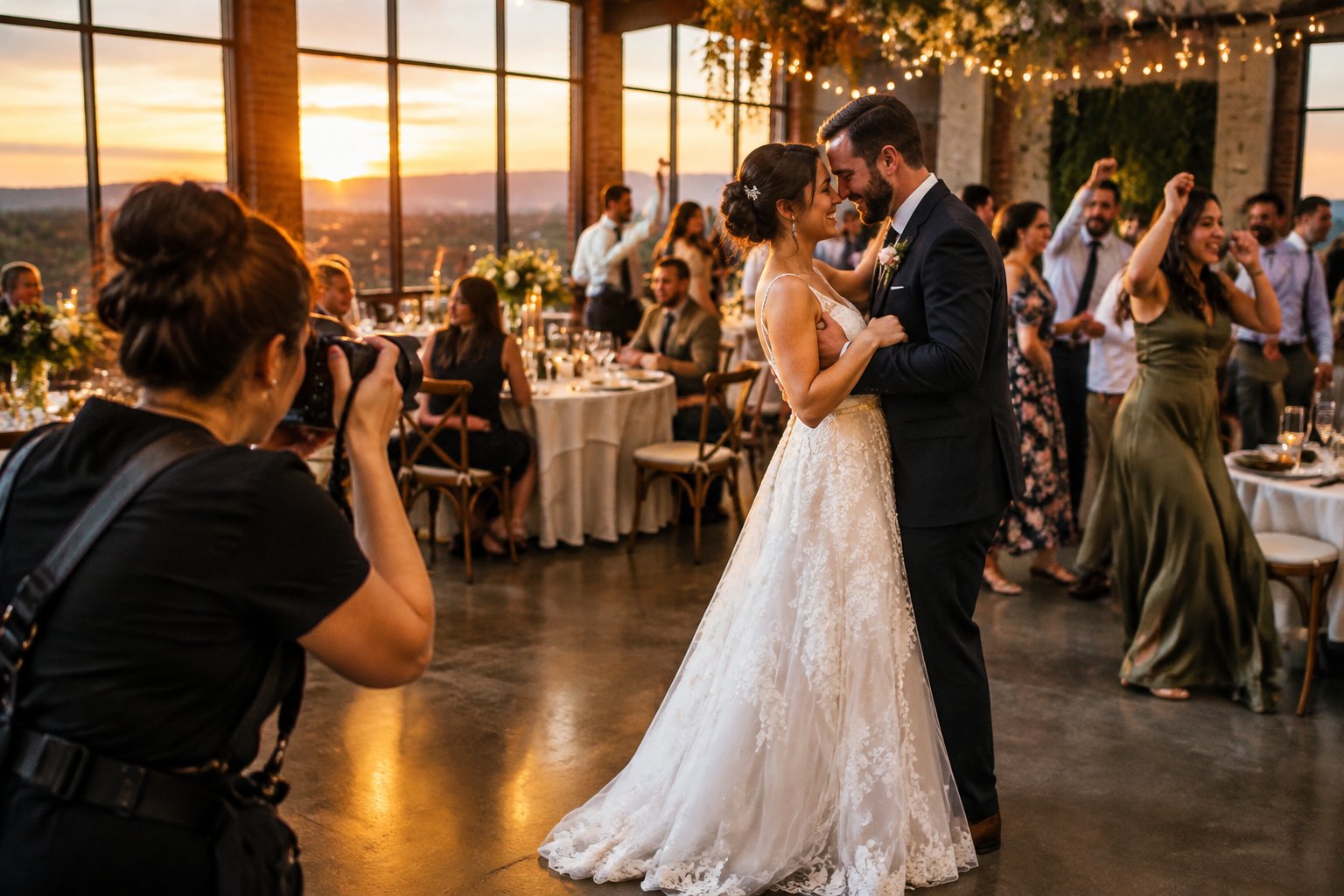
Choose your coverage by marking the moments you want photographed, then counting backward from the ceremony and forward through the reception. A timeline planned with your photographer can help you choose enough coverage and leave room for delays.
How Many Hours Are Usually Enough?
Eight hours is a practical starting point for a wedding with preparations, a ceremony, portraits, and reception events. Six hours suits a tighter schedule, while ten or more gives you more room for early preparations, travel, or late-night celebrations.
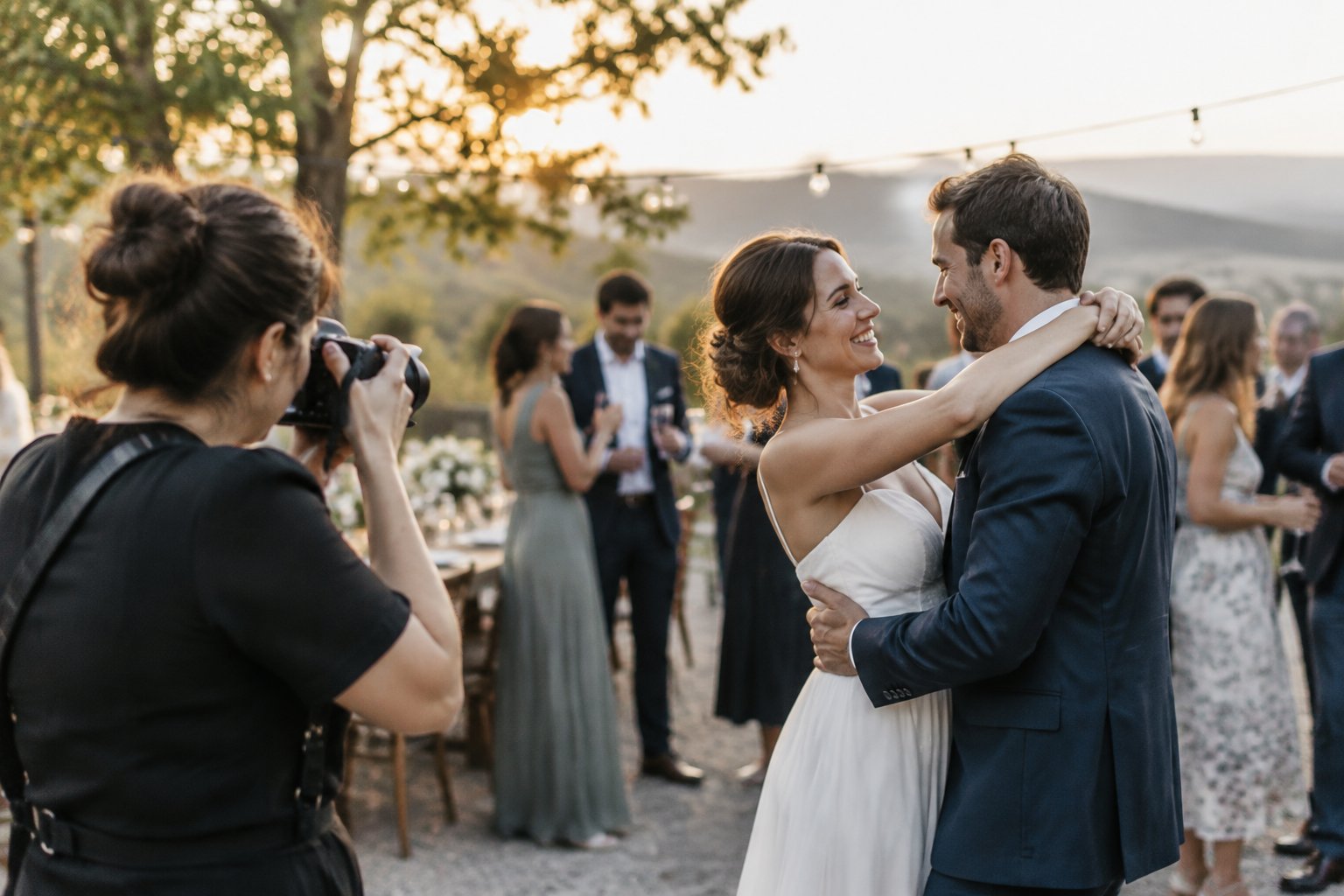
Your photographer’s start and end times shape what fits. Compare your planned schedule with what an eight-hour wedding day can cover, then decide which moments deserve a place in the booked hours.
When Can 6 Hours Work?
Six hours can work well when your wedding follows a compact schedule at one venue. You might begin coverage shortly before the ceremony, photograph the service and family portraits, then continue through the first reception events.
This option usually calls for a clear priority list. If you want getting-ready photos, you may need to keep reception coverage shorter.
For a ceremony and celebration with fewer moving parts, five hours of wedding coverage can also be a useful comparison.
What Does 8 Hours Usually Cover?
Eight hours gives you a wider span of the day, from some pre-ceremony moments through a meaningful part of the reception. A sample window might run from 12:30 p.m. to 8:30 p.m., capturing details and preparations, portraits, the ceremony, and reception highlights.
This length can include the first dance, toasts, and cake cutting if those events happen before coverage ends. Check how your planned start time lines up with the ceremony and reception schedule; a normal wedding schedule can help you estimate the flow.
When Should You Consider 10 or More Hours?
Consider ten or more hours when your plans stretch across much of the day. An early start for getting ready, several portrait locations, a long gap between ceremony and reception, or a late send-off can all increase the coverage window.
Long coverage also gives you more flexibility when events run behind schedule. Ask your photographer to build the start and end times around the moments you care about, with some breathing room for travel and transitions.
Which Moments Should Your Coverage Include?
Start with the moments you most want preserved, then set coverage hours to include them. Getting ready photos, a first look, the ceremony, portraits, and reception events each use time in a different part of the day.
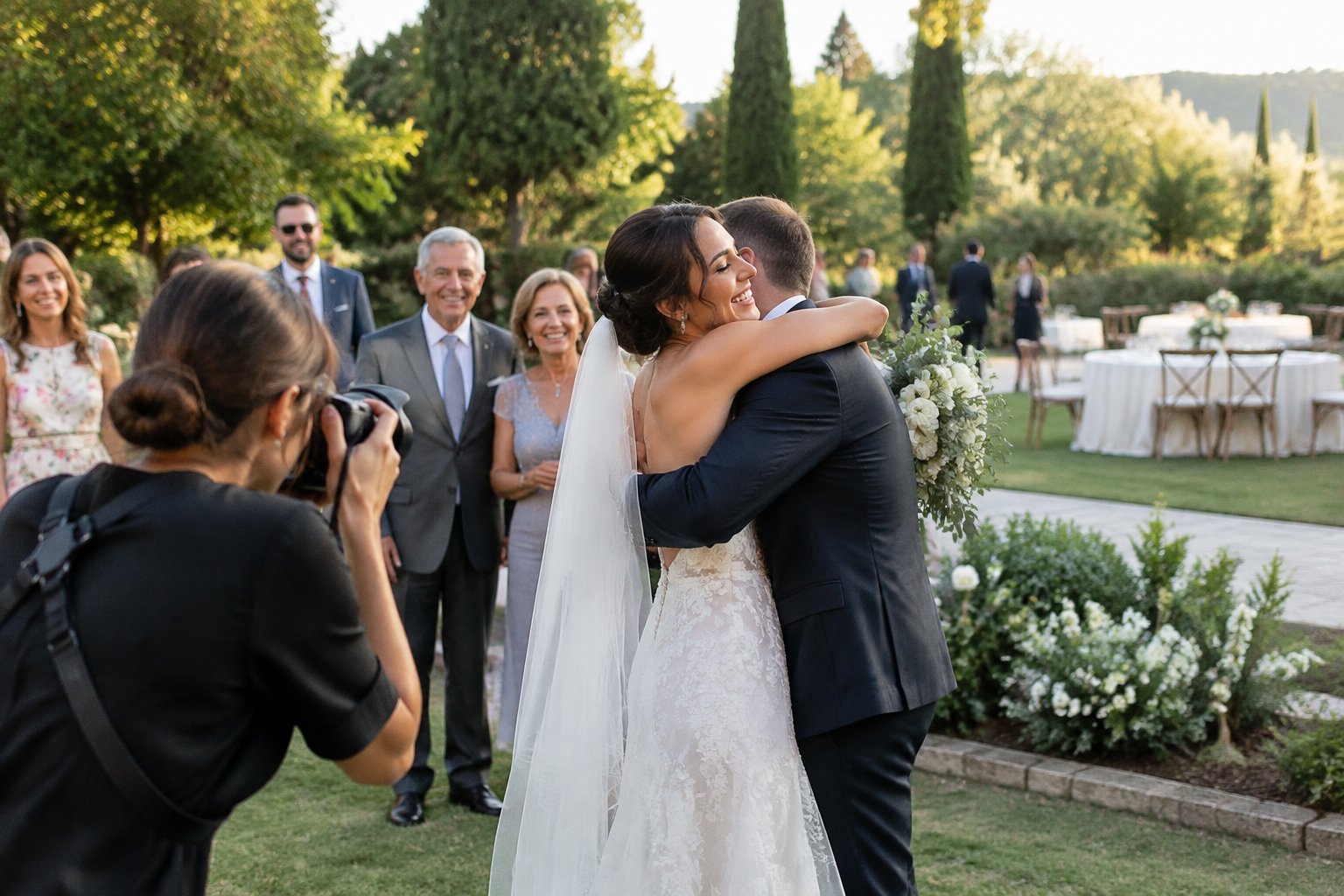
A short list of must-have moments helps your photographer build a realistic schedule. You can also think through who should be included in your wedding photos before setting aside time for group portraits.
Do You Want Getting Ready Photos?
Getting ready photos add coverage before the ceremony. They can capture details such as clothing and invitations, along with the moments when you and your wedding party prepare for the day.
Decide whether you want one partner’s preparations photographed or both. If you are getting ready in separate places, one photographer cannot cover both at the same time, so ask whether a second photographer fits your plans.
Starting coverage later keeps more of your hours for portraits and the reception.
How Does a First Look Change the Timeline?
A first look moves couple portraits to before the ceremony and gives you more control over when portraits happen. You can also take wedding party photos before guests arrive, which can free up more of your cocktail hour.
Without a first look, plan time after the ceremony for couple and family portraits. This can mean spending much of cocktail hour taking photos, especially when you have a long family list.
Discuss the choice with your photographer and decide which timing feels right for you.
When Should Coverage End?
End coverage after the last event you want photographed, such as toasts, the first dance, open dancing, or a planned send-off. Your photographer does not need to stay until the venue closes if the moments you value happen earlier.
If a late reception event is a priority, include it in your contracted hours. Asking whether photographers stay for the whole wedding can help you plan an end time that matches your expectations.
How Do You Match Coverage to Your Wedding Timeline?
Match coverage to the full schedule, including travel and portrait time, then add a small buffer around transitions. Your wedding photography window should begin before the earliest must-have moment and end after the last one.
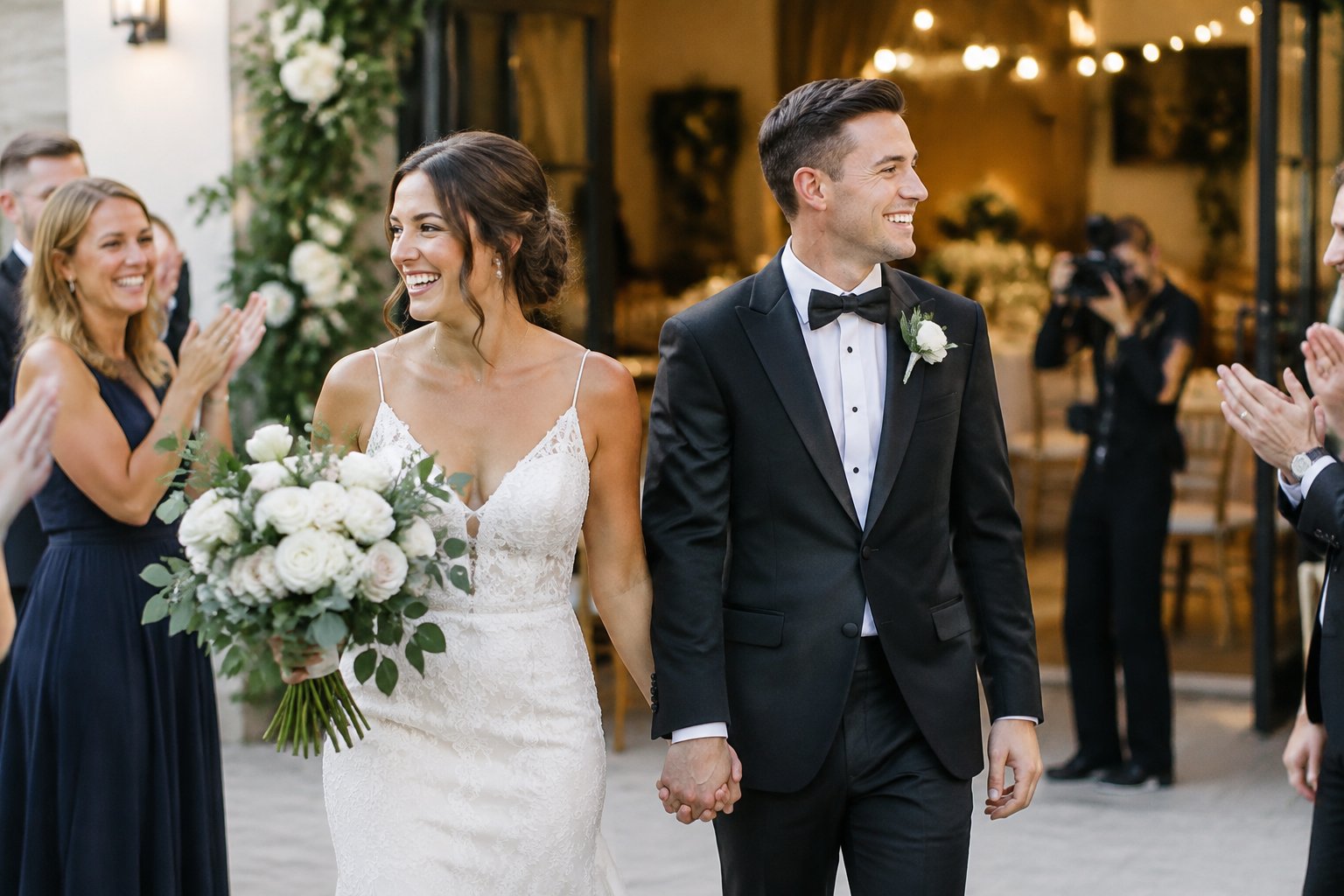
Before booking, share your ceremony time, venue locations, and portrait priorities with your photographer. A written wedding timeline helps everyone see how each part of the day fits.
How Do Travel and Multiple Locations Affect the Schedule?
Travel between locations takes time away from portraits and celebration, so include the full trip in your schedule. Allow time to gather people, get into vehicles, park, and reach the photo location.
When getting ready, the ceremony, and the reception happen at separate venues, ask your photographer to review the route and timing. A wedding timeline built around your plans can help you spot tight transitions before the day.
How Do Guest Count and Family Photos Add Time?
A larger guest list often means more family groupings and more people to gather for each photo. Make a short list of the group combinations you want, name someone who can help gather relatives, and share both with your photographer in advance.
Set aside time for each group and allow a little extra for people moving between photos. If you want portraits with extended family or several friend groups, add those requests to the schedule before choosing your coverage hours.
What Can a Sample 8-Hour Timeline Look Like?
An eight-hour window can cover key events when the ceremony and reception happen at one venue and the schedule is well organized. This example runs from 12:30 p.m. to 8:30 p.m.; shift the times to fit your plans.
- 12:30 p.m.: Photographer arrives for details and getting ready.
- 2:30 p.m.: Couple portraits and wedding party photos, if you plan a first look.
- 4:00 p.m.: Guests arrive and the photographer captures the ceremony space.
- 4:30 p.m.: Ceremony begins.
- 5:00 p.m.: Family portraits and cocktail hour.
- 6:00 p.m.: Reception begins, with dinner and room details.
- 7:00 p.m.: Toasts, first dance, and other planned events.
- 8:30 p.m.: Coverage ends.
The schedule leaves room for a few key reception events while keeping the photographer’s start time in the afternoon. If your ceremony starts later or you want more getting-ready coverage, adjust the start or end time with your photographer.
When Is a Second Photographer Worth It?
A second photographer is worth considering when important moments happen in different places at the same time. Two photographers can cover separate preparation locations or capture different views of the ceremony and reception.
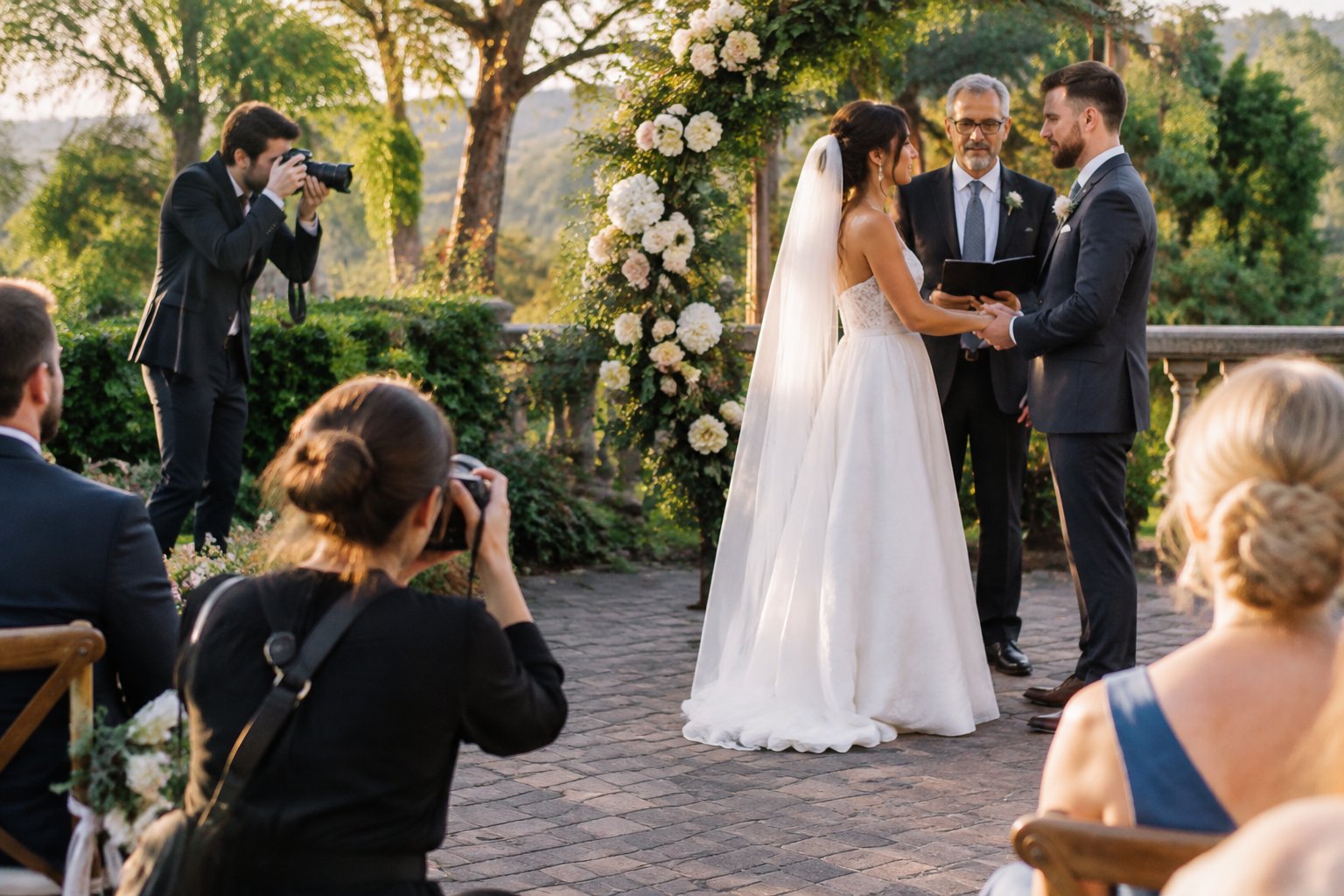
The extra coverage can add variety to your wedding photos, though it also adds to the photography package. Review your venue layout, guest count, and schedule with the lead photographer before deciding.
What Can a Second Shooter Capture?
A second shooter works alongside the lead photographer and documents moments from another position. During the ceremony, one photographer might focus on you while the other captures your partner’s expression or guest reactions.
They can also cover two getting-ready locations at once. During portraits, the second photographer may capture candid moments nearby while the lead focuses on posed groupings.
This added perspective is useful when several important things happen at once.
When Can One Photographer Be Enough?
One photographer can be a strong fit for an intimate wedding with a relaxed schedule and one main location. A lead photographer can cover the ceremony, portraits, and reception events when the timeline allows enough time to move between them.
If your schedule has separate preparation locations or overlapping events, ask how the photographer would handle those moments. You can compare the value of adding a second shooter with extending the lead photographer’s coverage.
How Do Extra Hours Affect Wedding Photography Cost?
Extra hours increase your wedding photography cost, with the final amount set by your photographer’s package and overtime terms. Compare the cost of a longer booking with the value of the moments you want photographed.
What Should You Check About Overtime Rates?
Ask how overtime is priced, when the extra time begins, and whether you need to approve it on the wedding day. Some photographers require advance notice to add coverage, while others set out a process for extending the booking during the event.
Check whether travel time, breaks, or delays affect the contracted hours. Comparing the package details with the cost of a wedding photographer for an hour can help you understand the price of adding time.
Can You Save by Ending Coverage Before the Reception Ends?
Yes, ending coverage after your priority events can reduce the hours you book. For example, you might end coverage after the first dance and toasts if late-night dancing is less important to you.
Choose the end time after reviewing the reception schedule with your photographer. Keep coverage long enough for the events and candid moments you want, and confirm the contracted end time before your wedding day.