
How Many Couples Use a Wedding Planner? Discovering Trends and Insights in Wedding Planning
Planning a wedding can be exciting but also overwhelming. If you’re engaged and wondering whether to hire help, you’re not alone. Around 27% of couples hire a wedding planner to make their dream day a reality. This decision can save you time, reduce stress, and often lead to a more organized event.
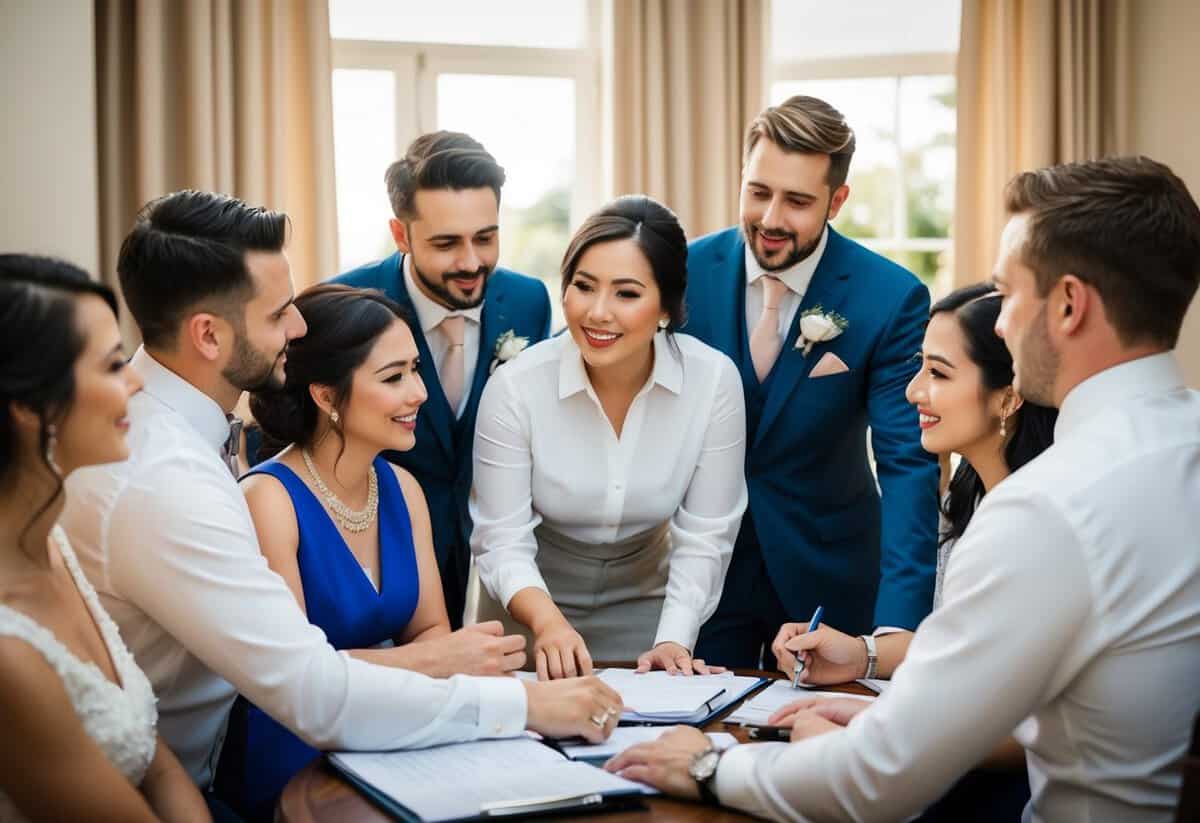
Choosing a wedding planner means you can focus on the fun parts, like picking your dress and tasting delicious cake options. Many couples appreciate the expertise that a wedding planner brings, especially when it comes to navigating budgets, timelines, and vendor coordination. With the right planner, your big day can flow smoothly, allowing you to truly enjoy the moment.
If you’re curious about how many couples rely on planners and what specific services they offer, this article will explore the trends and benefits surrounding wedding planning. Discover why more engaged couples are making the choice to invest in a planner for their special day!
The Role of Wedding Planners
Wedding planners play a vital role in making your big day successful. They handle many tasks that help reduce stress and ensure everything runs smoothly. Let’s look closer at their responsibilities and the benefits of hiring one.
Understanding Wedding Planners’ Responsibilities
A wedding planner is responsible for a wide range of tasks that cover every aspect of your wedding. They start by creating a planning timeline to keep everything organized. This timeline helps identify important dates for selecting venues, sending invitations, and making vendor payments.
Wedding planners also handle vendor coordination. They find options that fit your style and budget, negotiate contracts, and ensure services are delivered as promised. Additionally, planners stay updated on current wedding trends, bringing fresh ideas to your celebration.
For those who prefer to manage some details themselves, a day-of coordinator can be a perfect choice. This role focuses on executing the plan, allowing you to enjoy your day without worrying about logistics.
Benefits of Hiring a Wedding Planner
Hiring a wedding planner offers many benefits. First, they provide expert advice. With their experience, planners can help you avoid common pitfalls and make smart choices.
Their connections in the industry can also lead to discounts and better deals on services. This can save you both time and money. Additionally, planners serve as a neutral party during difficult decisions, helping family members stay on track with your vision.
On the wedding day, a planner manages all details so you can fully engage with your guests. They are there to solve problems, ensuring your day runs smoothly. With a planner by your side, you can truly enjoy every moment while feeling confident that everything is taken care of.
Costs and Considerations
When planning your wedding, understanding the costs associated with hiring a planner is essential. Various factors influence the pricing, and knowing how to budget can help you make informed decisions.
Average Cost of Wedding Planning Services
The average cost of hiring a wedding planner varies based on location and services offered. In the United States, you might spend around $2,000 to $3,000 for a wedding planner.
For high-end services, costs can range from $4,500 to $12,000. Many couples find that investing in a planner can save money by avoiding costly mistakes and ensuring your wedding stays within budget.
You should also consider what services you will need, as costs can differ significantly between a day-of coordinator and a full-service planner.
How Couples Budget for Wedding Planners
Most couples set aside a portion of their wedding budget specifically for a planner. Typically, 10-15% of your total wedding budget goes towards planning services.
To stay on track, you should first determine your overall budget. Then, prioritize your spending by deciding what aspects of your wedding are most important.
This way, you can allocate funds more effectively and ensure that hiring a planner aligns with your wedding goals. It’s also wise to ask for quotes from multiple planners to find the best fit for your budget.
Factors Influencing Wedding Planner Expenses
Several factors affect a wedding planner’s fees. These include the planner’s experience, the location of the wedding, and the level of service you require.
For instance, planners in large cities often charge higher rates due to increased demand. Additionally, the time of year can play a role; peak wedding seasons typically see higher prices.
Your specific needs, such as whether you need full planning or just coordination, will also impact costs. Always discuss your needs upfront to avoid unexpected expenses.
Choosing the Right Wedding Planner
Finding the right wedding planner is crucial for a smooth and enjoyable planning experience. Focus on selecting a planner that aligns with your style, reviewing their past work, and checking feedback from other couples.
Selecting Based on Style and Specialization
Different wedding planners have different styles and areas of expertise. Some planners excel in elegant, formal weddings, while others are best for casual or themed events.
Think about the style you want for your wedding. Do you prefer a classic look or something modern? Look for planners who showcase their unique style on their websites.
Also, consider their specialization. Some planners focus on specific types of weddings, such as destination weddings or cultural celebrations. Finding someone who understands your vision can make a big difference.
Evaluating Wedding Planners’ Portfolios
A planner’s portfolio is essential in understanding their work. Review their past weddings to see the type of events they have planned. Look for details that catch your eye and match your vision.
Pay attention to the variety in their portfolio. This can show you how adaptable they are to different themes and styles.
It’s also helpful to see how they handle challenges. Look for examples that demonstrate problem-solving skills. These real wedding experiences reveal how the planner can help you during your big day.
Reading Reviews and Testimonials
Reviews and testimonials from past clients provide valuable insights. They highlight the experiences of couples who have worked with the planner.
Check websites like WeddingWire or The Knot for feedback. Look for common themes in the reviews, such as communication, reliability, and creativity.
Don’t just focus on positive reviews; consider any constructive criticism. This information can help you gauge a planner’s strengths and areas where they may need improvement.
Positive feedback can indicate a strong wedding planning business, while negative reviews can help you avoid potential issues. Trust the voices of couples who walked the same path you are about to take.
Trends and Statistics in Wedding Planning
More couples are choosing to hire a wedding planner these days. About 27% of couples getting married decide to get professional help, especially for day-of coordination. This makes planning less overwhelming.
Engagement lengths are also changing. The average engagement now lasts around 12 to 18 months. This gives couples more time to organize everything they want for their big day.
Destination weddings are on the rise. Many couples dream of getting married in beautiful locations away from home. These weddings often include unique traditions that celebrate both cultures.
With the wedding boom, more vendors are available to help you plan. This means that couples can find everything from photographers to caterers easily. However, popular wedding dates fill up quickly, so keeping track of when to book vendors is key.
Micro weddings have become trendy too. These smaller gatherings can have fewer than 50 guests. They allow couples to focus on meaningful moments with close friends and family.
Many couples are also more creative with their wedding traditions. There’s a lot of room to personalize your day, whether through unique themes or special guest experiences. Embrace what feels right for you and your partner!