
How Many Guests Do You Usually Have at a Wedding? Tips for Planning Your Perfect Celebration
Planning a wedding can feel like a big task, especially when you start thinking about your guest list and how many people to invite. On average, you can expect about 75-85% of those invited to attend your wedding. This means that if you have a list of 100 people, you might see around 75 to 85 familiar faces on your special day.
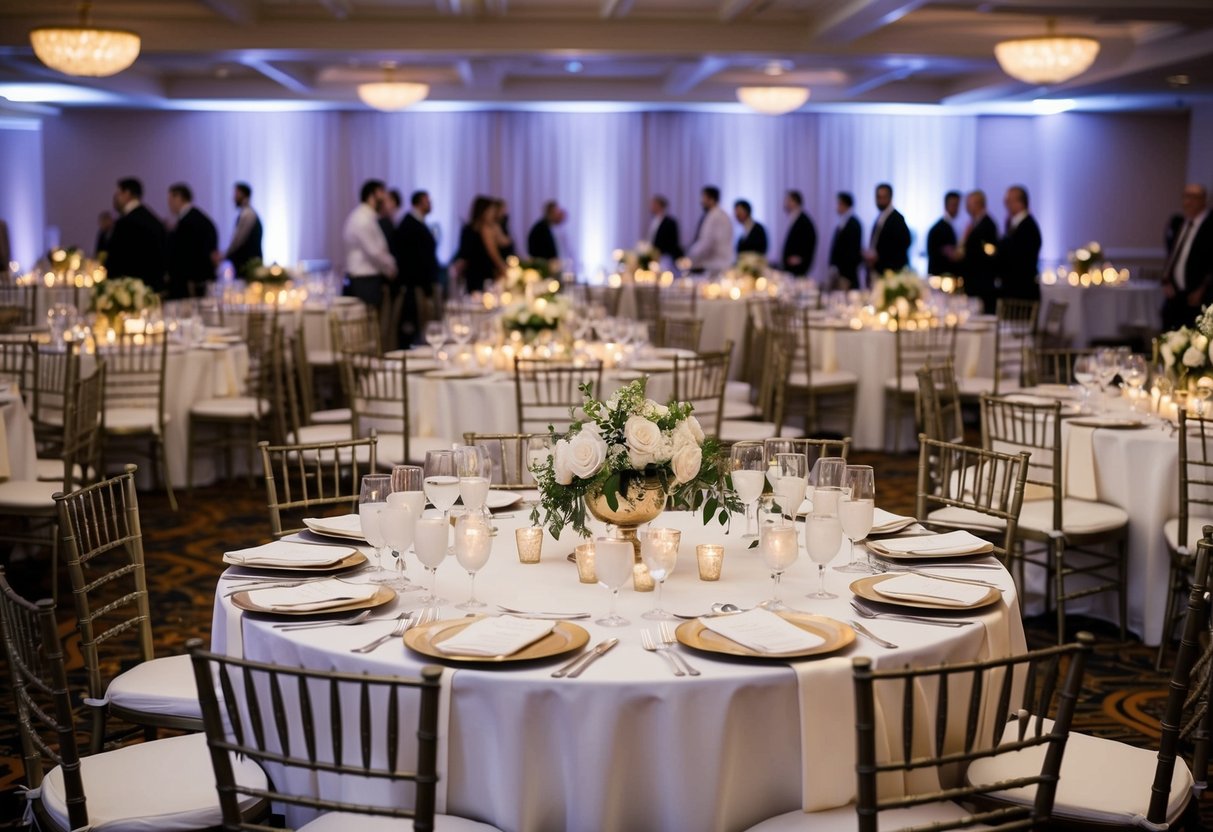
Your choices about the number of guests can shape many aspects of your wedding. From the venue size to the catering, each decision connects back to how many friends and family you want to share in your celebration.
If you’re considering a destination wedding, keep in mind that it may lead to more declines, as not everyone can travel.
Knowing the typical number of guests can help you in your wedding planning journey. Whether you’re aiming for an intimate gathering or a larger celebration, understanding what to expect can make it easier to create the day you’ve always dreamed of.
Determining Your Wedding Size

Choosing the right size for your wedding is a crucial step. It affects your budget, venue choice, and overall experience.
Several factors can influence this decision, and understanding different types of weddings will help guide you.
Factors Influencing Wedding Size
Your guest list will likely be affected by your budget, venue capacity, and personal preferences. Budget is often the most critical factor. More guests mean higher costs for catering, seating, and other amenities.
Next, you should consider venue capacity. Smaller spaces limit the number of guests, while larger venues can accommodate hundreds. If you prefer a more intimate wedding, you might opt for a smaller space and fewer guests, usually around 50 or fewer.
Attendance rates are also something to think about. Typically, you can expect 75-85% of invited guests to attend. Thus, if you invite 100 people, expect around 75-85 at your wedding. This knowledge helps in planning how many invitations to send.
Types of Weddings Based on Size
Weddings can generally be categorized as small, medium, or large. A small wedding usually has 50 guests or fewer. This type often focuses on close family and friends, creating a cozy atmosphere.
On the other hand, a medium wedding can include 50 to 150 guests. This size offers a balance between intimacy and a vibrant atmosphere.
If you’re planning a large wedding, expect over 150 guests. These celebrations often include extended family and a broader circle of friends, sometimes exceeding 300 attendees.
A micro wedding is a newer trend, generally involving 10-20 people. This size allows for a deeply personal experience while still celebrating the love you share. Each size offers unique benefits, so choose what feels right for you.
Creating Your Guest List

Building your wedding guest list is a crucial step in your planning process. It helps you manage costs and ensures you celebrate with the right people. Follow these tips to create a guest list that meets your needs.
Getting Started with Your Guest List
Begin by brainstorming everyone you want to invite. Make a list of family, friends, coworkers, and any other important people in your life.
Consider the following:
- Local guests: Those who live near the wedding venue.
- Out-of-town guests: Friends and family traveling to attend.
Aim for a balance between your ideal count and your budget. Remember that venues often have limits, so check capacity before finalizing your list.
Wedding guest expectations can vary. Some couples typically invite around 150 guests, while others have intimate gatherings with just 50. Keep a flexible mindset as you sort through names.
Managing Plus-Ones and Family Invitations
When it comes to plus-ones, think about your policy. You might allow plus-ones for serious partners or friends who may feel uncomfortable attending alone.
Make a clear decision:
- Single guests: Decide if they get a plus-one or not.
- Bring family members: Be mindful of inviting extended family, which can quickly add to your count.
You can use a guest list manager or software to keep track of who is invited and their responses. This tool can simplify the process and ensure you don’t miss anyone important.
Setting expectations early with family and friends helps avoid confusion later in your planning.
Budget Considerations for Guests

When planning your wedding, understanding how guest numbers affect your budget is essential. The more guests you invite, the higher your costs will be, especially for catering and space. Let’s break down the financial aspects of your guest list.
How Guest Numbers Impact Costs
Your guest count directly impacts your wedding budget. Each added guest increases costs in various areas.
For example, catering is one of the largest expenses. If your venue charges $50 per plate and you invite 100 guests, that costs $5,000.
In addition to catering, more guests mean you may need a larger venue. This can lead to higher rental fees.
Think about floral arrangements, seating, and table settings as well. Each addition not only increases your costs but can also add complexity to your planning.
Allocating Budget for Different Wedding Sizes
Knowing your wedding size can help you allocate your budget effectively.
For an intimate gathering of 20-30 people, you might focus on high-quality catering and unique experiences. This could allow for a more personalized touch with your reception.
A medium wedding with 50-100 guests may require balancing quality and quantity. You’ll want to ensure your food and venue are satisfactory without breaking the bank.
For larger weddings, such as destination weddings, managing costs can get tricky. Consider packages that may offer discounts based on guest counts to help save money.
Always plan ahead to stay within your budget while enjoying the celebration!
Communication and Expectations

Clear communication with your guests helps set the right expectations for your wedding. By managing invitations and RSVPs effectively, you can ensure more people attend and reflect on your special day with joy.
Sending Invitations and Tracking RSVPs
Start with sending out your save-the-dates 6 to 8 months ahead of your wedding. This gives guests ample time to plan, especially for a destination wedding.
Once you’re ready, send your wedding invitations about 6 to 8 weeks before the big day. Include RSVP details that are easy to follow.
You can use a card, email, or wedding planning app to track responses.
Typically, you can expect around 75-85% of those invited to attend. Knowing this helps manage your wedding guest list size and ensures proper seating at your wedding venue.
Setting Clear Expectations for Guests
Make sure guests know what to expect regarding the event. Share any specific dress codes clearly on the invitation.
Also, inform guests about any travel arrangements if you’re hosting a destination wedding. Let them know if certain accommodations are recommended or if you have special group rates.
Communicating these details well can improve participation rates and encourage your friends and family to join in your celebration. It helps everyone feel more comfortable and excited about your day!