
How Many Guests Should You Expect to Come to Your Wedding? A Helpful Guide to Planning Your Big Day
When planning your wedding, one of the biggest questions you might have is about your guest list. The average attendance rate for weddings is about 75-85 percent. Knowing this percentage helps you estimate how many chairs you’ll need and how much food to prepare.
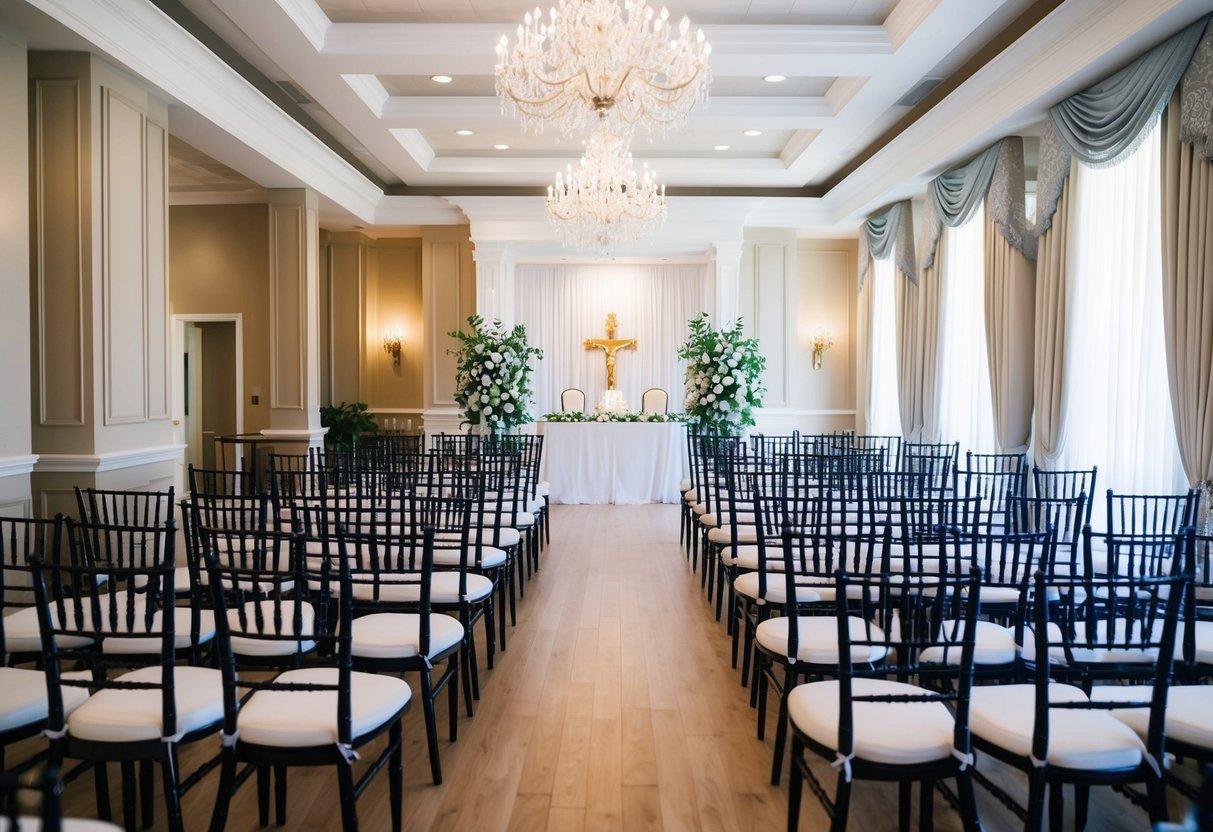
It’s important to start with a solid guest list. Consider who you truly want to share your special day with, but remember that not everyone you invite will be able to come. Factors like location and time of year can play a big role in attendance.
As you dive deeper into wedding planning, keep in mind that most weddings range from about 100 to 200 guests. Adjusting your expectations based on these numbers and understanding how many people typically attend can help you create a memorable celebration without the stress.
Determining Your Guest List Size
Creating the right guest list size is essential for your wedding planning. It helps balance your venue’s capacity with your budget while ensuring you’ve included your most important loved ones. Here are some key areas to consider when deciding who to invite.
Understanding Venue Capacity
Your wedding venue plays a significant role in your guest list size. Each space has a maximum capacity, and it’s essential to know this number upfront.
For instance, large weddings may accommodate over 300 guests, while intimate weddings might limit you to 50-100.
To help you visualize, here’s a simple table:
| Venue Type | Average Capacity |
|---|---|
| Large Venue | 200+ |
| Medium Venue | 100-200 |
| Small Venue | Under 100 |
Knowing your venue capacity allows you to prioritize who to invite and helps prevent any last-minute changes or stress.
Considering Your Budget
Your wedding budget significantly influences how many guests you can realistically invite. More guests usually mean higher costs. Think about expenses like catering, seating, and favors.
Creating a basic budget breakdown can help:
- Catering: Average cost per guest (e.g., $50-$100)
- Seating: Rental fees for chairs/tables
- Favors: Usually around $2-$5 per guest
For example, if you have a budget of $10,000 for food and drinks and the average cost is $75 per guest, you can invite approximately 133 guests. Stick to your budget to ensure a stress-free experience.
Sorting Out the A-List and B-List
Sorting your guest list into A-List and B-List can help manage numbers effectively. Your A-List includes your closest family and friends—those you cannot imagine celebrating without. Think about who you want to be there on your special day.
Your B-List may consist of acquaintances, co-workers, or distant relatives who are nice to invite but not essential.
Be clear with your expectations:
- A-List: Must be invited first
- B-List: Invited only if A-List guests cannot attend
This strategy will help you create a guest list size that fits both your venue and budget while keeping your day special.
Managing RSVPs and Attendance
Keeping track of RSVPs and knowing how many guests will attend your wedding can help you plan better. It can prevent underestimating costs and ensure everyone is accommodated.
Tracking Invitations and Responses
Make a list of everyone you want to invite. Send out personalized wedding invitations with a clear RSVP deadline. You can use online tools or spreadsheets to keep track of who has received invitations and their responses.
For example, create columns for names, addresses, and RSVP status. This will help you stay organized. If possible, include a way for guests to respond online. This method is quick and easy for everyone.
Follow up with anyone who hasn’t responded a week before the deadline. A friendly reminder can encourage them to RSVP. Remember to note if special arrangements are needed for certain guests.
Estimating Attendance Rates
You can typically expect around 75-85% of guests to attend your wedding. Factors that influence this number include your guests’ locations, the day of the week, and the time of year. Local guests usually attend at higher rates than those from out of town.
To estimate your attendance more accurately, consider using a wedding guest calculator. This tool can factor in different rates for local and out-of-town guests, helping you refine your guest count.
If your guest list has a total of 100 people, you might estimate that about 80 will come. Adjust your planning based on these estimates.
Handling Plus-Ones and Children
Deciding on plus-ones can add to your guest count. Think about which guests you want to extend an invitation to bring a partner. Usually, adult guests in serious relationships would appreciate this option.
Make it clear in the invitation if plus-ones are allowed. This way, you can get better estimates for your wedding guest count.
If you plan to include children, consider how many families might attend. You can choose to have kids at your wedding or limit attendance to adults only. Adding a note about children can help parents make their plans.
Special Considerations for Destination Weddings

Planning a destination wedding comes with unique challenges and opportunities. Understanding how to manage out-of-town guests and offering thoughtful arrangements can make your event more enjoyable for everyone involved.
Expecting Out-of-Town Guests
When inviting guests to your destination wedding, it’s common to have a mix of local and out-of-town attendees. Many couples expect about 25-50% of their guests to travel. This percentage can vary based on the location, date, and even previous relationships.
To better predict attendance, consider sending out save-the-dates well in advance. This gives guests time to plan and make travel arrangements. Include relevant details like travel options, weather, and activities available at the destination.
Also, be honest about costs. Highlight possible expenses, including flights and accommodations, so guests know what to expect. This transparency can help ensure that your loved ones are comfortable attending your wedding.
Providing Accommodations and Welcome Bags
Accommodations are crucial for out-of-town guests. You should research nearby hotels and negotiate group rates to make lodging more affordable. Share a list of these options with your guests, including prices and amenities. This way, they can pick a place that suits their needs.
Welcome bags add a personal touch. You should fill them with local goodies, maps, and a wedding itinerary. This can help guests feel appreciated and informed. Don’t forget to include wedding favors as a special keepsake.
Consider different needs, such as family-friendly activities and transportation options. By being considerate and providing extra touches, you’ll create a memorable experience for all your destination wedding guests.