
How Many People Say No to a Destination Wedding? Understanding the Reasons Behind Their Decisions
Planning a destination wedding can be both thrilling and daunting. You might dream of a beautiful beach ceremony or a cozy mountain setting, but you need to consider how many of your guests will actually be able to join you.
According to OMG Hitched, 30-40% of invited guests may not be able to attend a destination wedding. This is higher than traditional weddings where about 20% tend to decline.
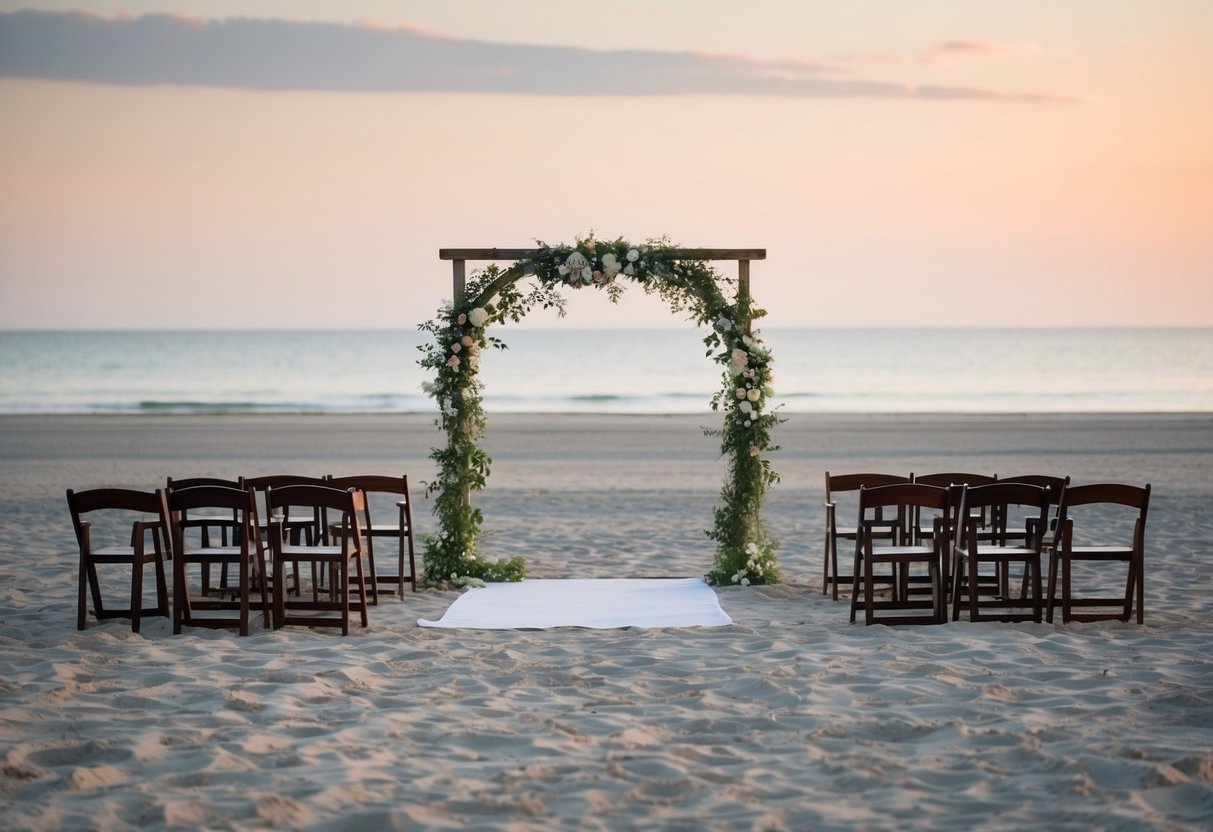
Your loved ones may face travel expenses, time off work, or other responsibilities that keep them from making the trip. As wedding trends shift towards more unique locations, it’s crucial to prepare for this possibility during your wedding planning.
By knowing what to expect, you can create a delightful experience for those who do attend while staying mindful of those who cannot make it.
Exploring the Popularity of Destination Weddings
Destination weddings are becoming a popular choice for couples looking to tie the knot. These events offer unique experiences in beautiful locations, making them appealing for both couples and their guests. Still, some guests may hesitate to attend due to the associated costs and travel.
Modern Wedding Trends and Preferences
Couples today are seeking memorable experiences that go beyond traditional venues. Destination weddings offer stunning backdrops, from tropical beaches to historic cities.
Many couples now opt for eco-friendly celebrations in natural settings. This reflects a growing trend towards being more environmentally conscious.
With the rise of social media, couples showcase their special day in unique locations, attracting more attention. As a result, destination weddings can also enhance your guest list since they often double as vacations for attendees.
Pros and Cons of Destination Weddings
Destination weddings have clear advantages, such as beautiful scenery and the chance to create an unforgettable experience. They often come with lower average costs compared to traditional weddings. Packages can range from $1,000 to $20,000, saving you money in many cases.
On the flip side, some guests may choose not to attend due to the travel expenses and time commitment. Wedding etiquette suggests that you should be mindful of your guests’ situation.
It’s important to communicate clearly about travel details and accommodations. Make it easy for guests to understand the costs involved while sharing the exciting aspects of the destination wedding.
Understanding Guest Responses and RSVP Etiquette
Getting clear responses from your guests is key for planning a destination wedding. Knowing what to expect can help you manage your guest list effectively while keeping the joy alive for your special day.
Factors Influencing RSVPs
Several factors can affect how many guests say yes or no to your wedding. Location plays a big role. Many people might hesitate about traveling for a destination wedding, especially if it’s far or requires extra expenses.
The cost of travel and accommodations can also discourage guests. If they feel the trip is too costly, they might decline the invitation.
Another factor is timing. If you send out wedding invitations too late, guests may have prior commitments. Early save-the-date cards can help gauge your guests’ availability and interest!
Deciphering the RSVP Process
The RSVP process is important for getting a count of who will attend. Make it as easy as possible for guests to respond. Include clear instructions with your invitations.
You can provide options like online RSVP forms or simple reply cards. Make sure to set a deadline for responses.
When guests receive your wedding invitations, some may take time to decide. It’s common for around 15-20% to say no. Preparing for this helps avoid unmet expectations.
Follow up with guests who haven’t responded as the date approaches. A friendly reminder can encourage them to reply.
B List and A List Dynamics
Managing your wedding guest list can sometimes feel tricky. You might want to create an “A List” and a “B List.” The A List includes your must-have guests, while the B List consists of those you’d like to invite if space and budget allow.
When you receive RSVPs, if someone from your A List declines, you can invite someone from your B List. Just make sure you keep it discreet, so guests don’t feel like second choices.
Planning wisely with these lists can help you ensure your wedding is filled with the people you care about most, while still keeping things manageable.
Financial Considerations for Guests and Couples

Planning a destination wedding involves various financial factors that can greatly impact both the couple and their guests. Understanding these costs can help avoid financial strain and ensure that relationships remain strong.
Addressing the Cost of Destination Weddings
Destination weddings can be expensive. For many guests, the cost includes travel, accommodations, and gifts. On average, attending a destination wedding can cost around $1,421. This amount affects the decisions of many people when it comes to RSVP. Couples should be aware of these costs while planning.
It helps to consider the location. Popular spots often have higher prices. To lessen the burden on guests, couples might think about choosing more affordable locations or suggesting budget-friendly hotels.
Weighing the Risk of Financial Strain
If your budget is tight, attending a destination wedding may not be feasible. It’s essential to assess your finances before committing. Many guests may decline invitations due to financial strain. This could impact relationships, especially if they feel pressured to attend.
Couples should keep in mind that a smaller guest list might allow for a more intimate celebration without breaking the bank. Open communication about financial expectations can help everyone involved feel more comfortable with the choices being made.
Travel Expenses and Budgeting Advice
For guests, travel expenses are a key concern. It’s important to factor in not just the flight or gas but also lodging, meals, and transportation. Creating a detailed budget can make planning easier.
Here are some tips to help budget for a destination wedding:
- Compare travel costs: Use websites to check for the best deals on flights and hotels.
- Plan early: Booking in advance can often lead to savings.
- Look for group rates: Many hotels and airlines offer discounts for groups attending a wedding.
Taking the time to budget can help you manage travel expenses without too much stress.
The Impact of Location on Attendance and Decisions

The location of your wedding plays a crucial role in whether guests can attend and how they feel about your choice. Understanding the differences between local and destination weddings is essential for making informed decisions.
Local vs. Destination Wedding Considerations
Choosing between a local wedding and a destination wedding can significantly impact your guest list. Local weddings typically draw more attendees, as many people find it easier to join.
Destination weddings can be exciting, offering stunning backdrops and unique experiences. However, they often require extra travel, which may deter some guests. You might want to weigh the pros and cons, such as venue aesthetics versus accessibility.
Guest Attendance Rates and Expectations
When planning a wedding, it’s helpful to know that attendance rates can vary dramatically. For local weddings, guest attendance can exceed 70-80%. Most of your guest list will likely be people from the area.
With a destination wedding, attendance drops to about 35%. This statistic means you may need to invite more guests to achieve your desired turnout. Remember that important family and friends may prioritize this trip, while others might struggle due to costs and travel.
Is opting for a Destination Wedding a Bad Idea?
Many people feel that choosing a destination wedding might not be the best choice. Various studies show that around 20% of guests decline such invitations, citing travel expenses and scheduling conflicts as reasons.
The average cost for guests to attend a destination wedding can reach $1,421, making it a significant financial commitment. In contrast, local weddings usually do not impose such high travel costs. Weighing the potential low attendance against the unique experience is key to your decision.
Would a local venue offer a more significant chance for your loved ones to celebrate with you?