
How Many People Should Give Speeches at a Wedding? Tips for a Perfect Celebration
Wedding speeches can add a special touch to your big day, making it memorable for both you and your guests. Typically, the wedding celebration includes speeches from about three to six people. This usually consists of close family members and friends, like the father of the bride, the best man, and even the couple themselves.
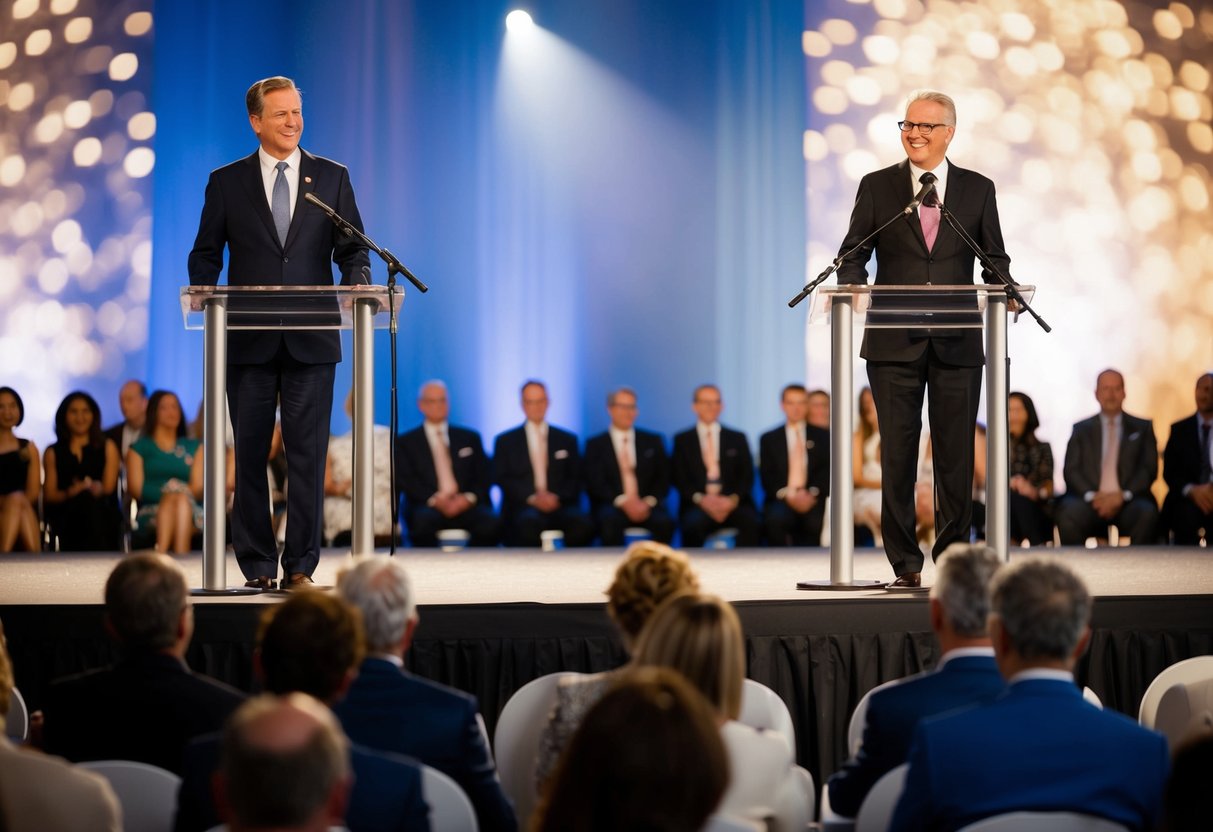
When planning your wedding, it’s essential to decide who will speak and in what order. This can help maintain the flow of the event and ensure everyone has their moment.
Traditional wedding speech order often starts with the father of the bride, followed by the groom, and then the best man.
Understanding the usual speech guidelines can make your wedding planning much smoother. Remember, you can always adjust the number of speakers based on your preference and the vibe you want to create for your guests!
Determining the Right Number of Speeches
Choosing how many speeches to have at your wedding can affect the mood and flow of the event. Finding a balance between honoring important people and keeping your guests engaged is key.
Traditional Wedding Speech Order
In many weddings, there are typically three main speeches. These often include the Father of the Bride, the Groom, and the Best Man. Each speech has a special purpose.
-
Father of the Bride: This speech usually includes welcoming guests and sharing cherished memories.
-
Groom’s Speech: The groom thanks guests, acknowledges the bride’s family, and shares personal stories.
-
Best Man’s Speech: Often filled with humor, the Best Man shares anecdotes and expresses best wishes.
Sometimes, other family members may also want to speak, but sticking to three to four keeps it manageable.
Modern Wedding Speech Considerations
In modern weddings, you might see a more flexible speech order. It often includes parents, members of the wedding party, and even the couple themselves.
-
Couple’s Speeches: Some couples choose to acknowledge guests together, which can add a personal touch.
-
Additional Speakers: Consider including siblings or close friends.
While traditional speeches are important, modern couples are finding ways to make their events unique. Keeping speeches brief, around 5-7 minutes each, helps maintain energy and engagement during the reception.
Key Figures in Wedding Speeches
In weddings, specific individuals traditionally take on the role of giving speeches. These speeches often highlight the relationships and emotions tied to the big day. Knowing the key figures helps you understand what to expect.
Role of the Best Man
The best man plays a crucial role at the wedding. He is usually a close friend or brother of the groom. His speech often blends humor and heartfelt moments.
In your speech, you might want to share a funny story about the groom. It can highlight the groom’s personality or your friendship. After joking, it’s nice to shift to sincere wishes for the couple’s future.
It’s important to keep your speech respectful. Aim for a length of about 3-5 minutes. This keeps guests engaged and ensures the mood stays light and joyful.
Father of the Bride’s Moment
The father of the bride also has a significant part in wedding speeches. His speech often expresses pride and joy for his daughter.
Traditionally, this speech may include a welcome to guests. It could contain a few funny anecdotes about the bride from her childhood. Sharing heartfelt emotions about giving her away is common.
The father may also offer advice to the couple. Like the best man, speeches should be around 3-5 minutes long. This timing helps maintain attention and keeps the momentum of the event.
Maid of Honor’s Duties
The maid of honor’s speech is another highlight. She usually stands as the bride’s support during the wedding. Often, she’s a close friend or a sister.
In your speech, personal stories about the bride are key. You might want to discuss memorable moments that showcase her character.
Include a few heartfelt words about the couple’s love. This mix of humor and sincerity creates a balanced speech. Like the others, keeping it around 3-5 minutes is effective.
The Groom’s Contribution
The groom’s speech also stands out on this special day. His speech provides a chance for him to express his gratitude. Thanking both families and the guests is important.
You can mention your feelings about marrying the bride. This is a prime opportunity to express love and appreciation for her. Sharing why you chose her as your partner can be touching.
Consider keeping the length similar to others at around 3-5 minutes. This helps make the day memorable for everyone involved.
The Art of Crafting Speeches
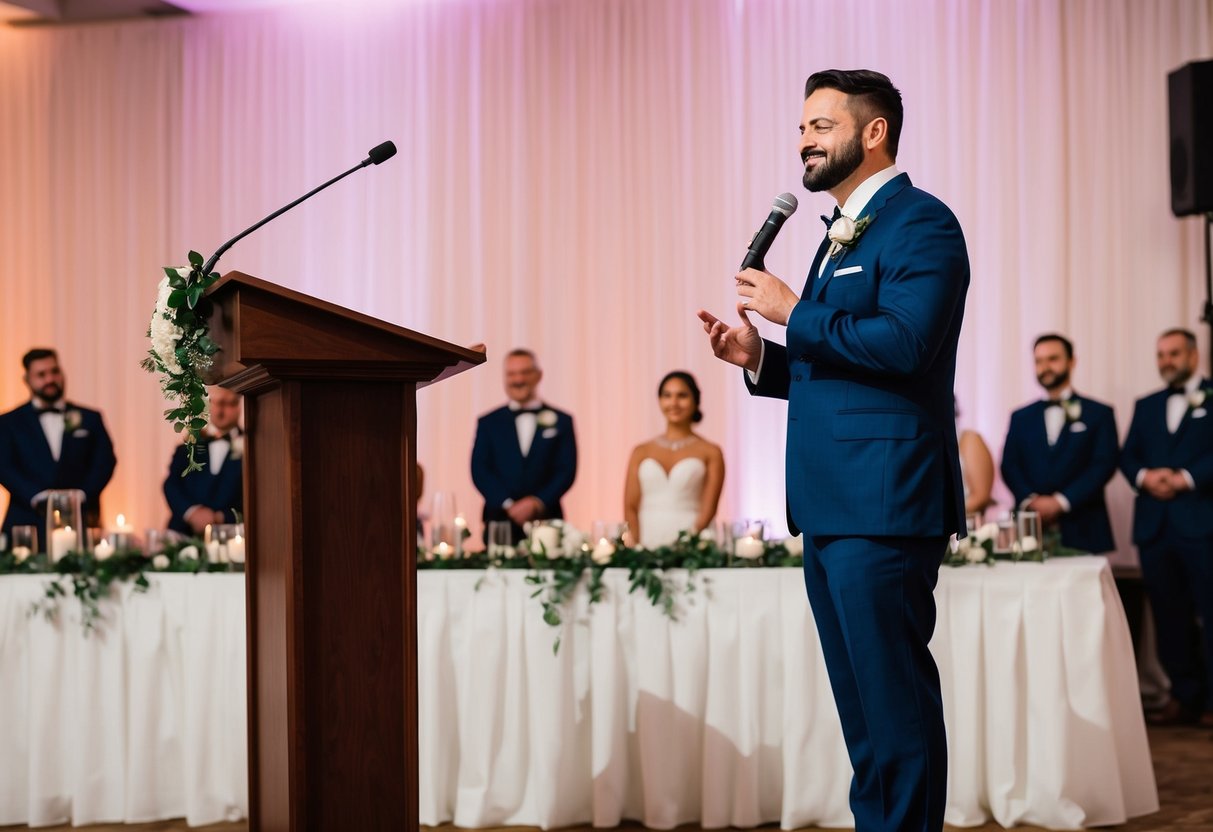
Crafting a great wedding speech involves a combination of storytelling, humor, and timing. You can make your speech memorable and enjoyable by focusing on these important elements.
Storytelling and Humor
A captivating wedding speech often includes personal stories. Think about funny moments or heartfelt memories you share with the couple. When you tell a story, use vivid details to paint a picture.
For example, if you have a funny story about the groom’s antics, share how it reflects his personality.
Tip: Begin with a light joke to set a warm tone. Funny stories about the couple’s early days can lead into sweet moments that show their love.
Remember, aim for humor that’s relatable. Avoid inside jokes that your audience may not understand. A mix of humor and genuine sentiment will keep everyone engaged.
Timing and Speech Length
Timing is key to keeping the crowd’s attention. A good wedding toast usually lasts between 3 to 5 minutes. This allows you to say enough without losing your audience’s interest.
If you’re in a larger group, you may want to stick closer to the shorter end. For example, large weddings with over 100 guests benefit from concise speeches.
Key Point: Break up longer speeches into shorter sections or have multiple speakers share the spotlight.
Practice your speech to ensure it flows well. Remember, it’s not just about what you say, but how you say it. Engaging delivery makes even a shorter speech feel more meaningful.
Logistics of Wedding Speeches
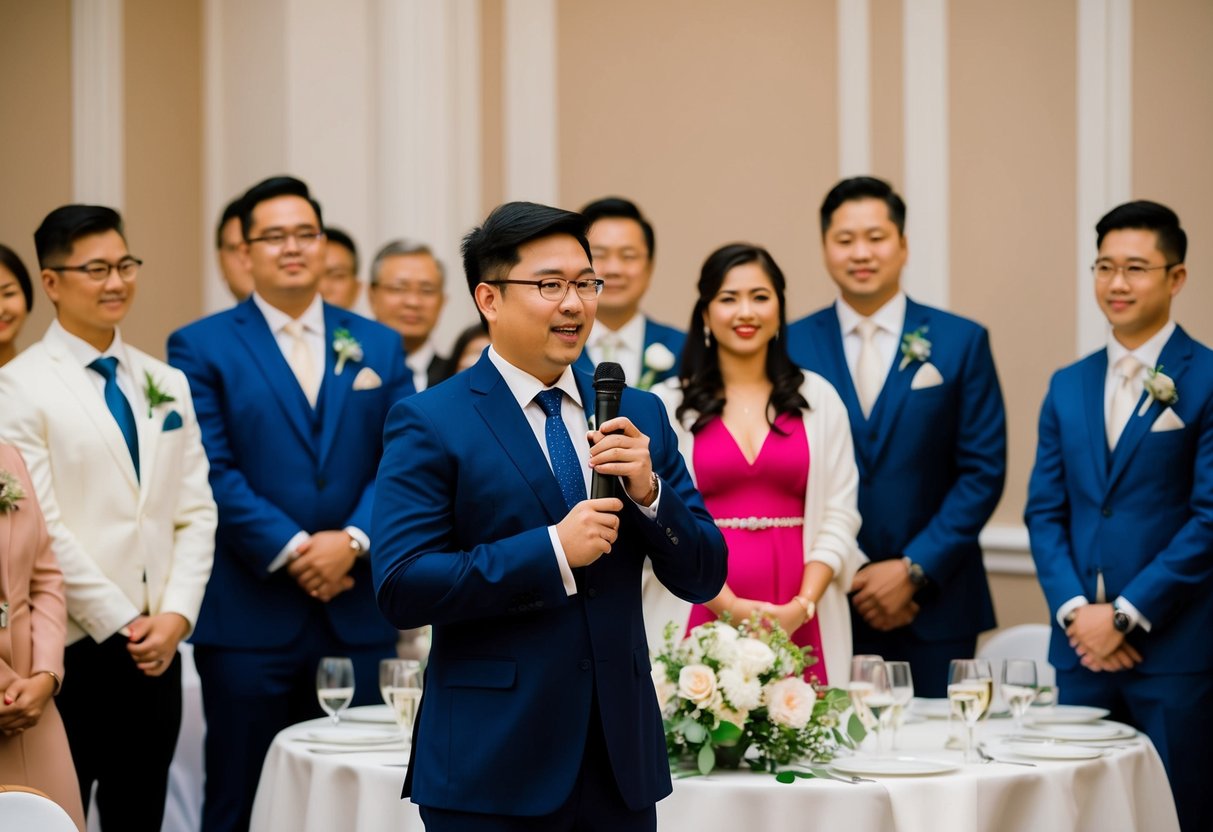
Planning the logistics of wedding speeches is essential for a smooth reception. Proper scheduling and coordination can help ensure that each speaker feels comfortable and that the flow of the event is maintained. Here’s what you need to consider.
Scheduling Speeches during the Reception
Timing is crucial for speeches at your wedding reception. Typically, speeches happen after the meal is served but before dessert. This helps maintain the guests’ attention and keeps the energy up.
You should allow 10-15 minutes for each speech. This means scheduling time for several speakers, including the father of the bride, the groom, and the best man. Make a list of who will speak and when they will take the stage.
It’s also wise to set aside some time for unexpected delays. Keeping speeches short can help maintain the guests’ interest and avoid a long wait before dessert.
Coordinating with the Master of Ceremonies
The Master of Ceremonies (MC) plays a key role in guiding the reception. This person will introduce speakers and keep the event on track.
You should discuss the order of speeches with your MC ahead of time. Make sure the MC knows the full schedule of who speaks and when.
This helps prevent any confusion during the event. Consider giving your MC a list of speakers with brief notes about each to help them personalize the introductions.
Clear communication with your MC will allow for a seamless transition between different parts of your celebration.