
How Much Do DJs Make at a Wedding? Understanding Wedding DJ Fees and Earnings
When planning a wedding, the entertainment can play a crucial role in setting the mood. You might wonder how much you should budget for a DJ.
On average, wedding DJs make between $500 and $2,500 per event. Their earnings depend on factors like location, experience, and demand.
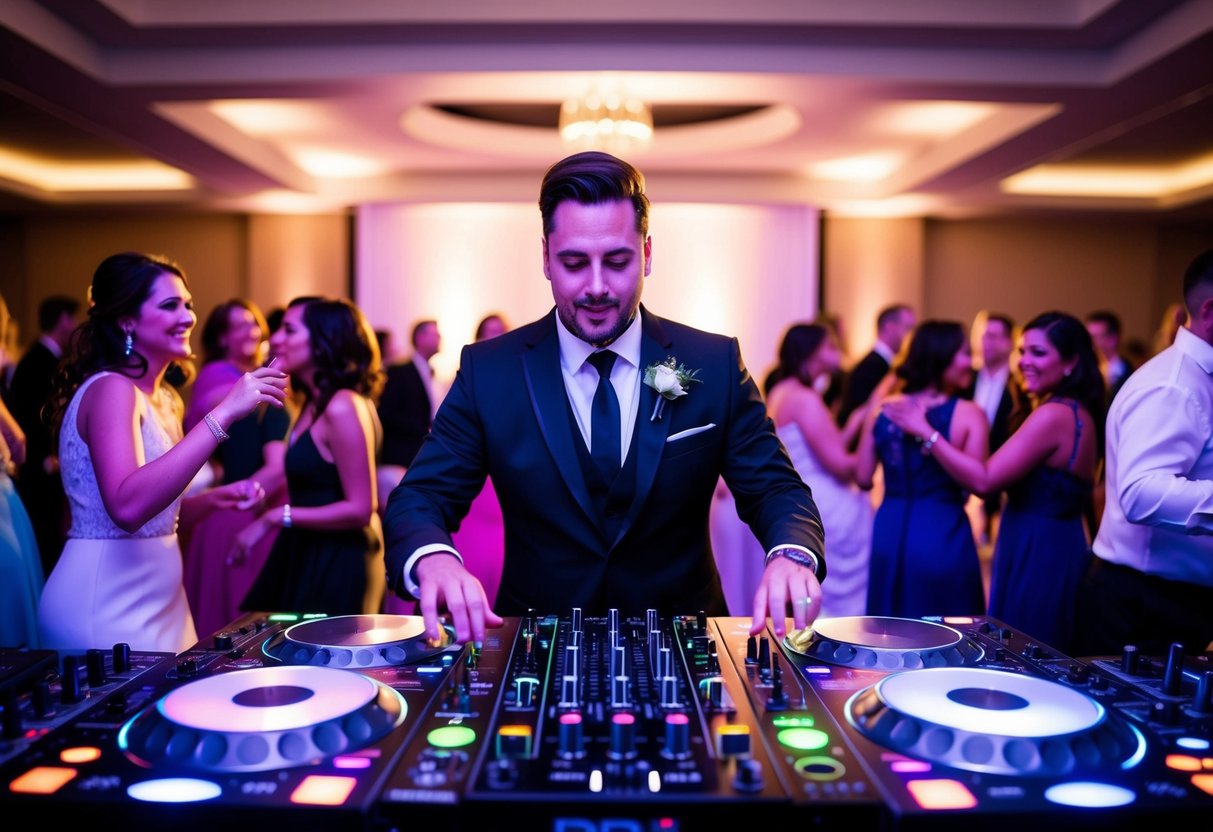
Choosing the right DJ can significantly impact the overall vibe of your celebration. A skilled DJ not only plays music but also manages the flow of events, keeping your guests engaged and entertained. Understanding how DJs set their prices can help you find the perfect fit for your special day.
In this article, we’ll explore the factors that influence DJ pricing, what you can expect to pay in different areas, and how to ensure you get the best value for your money. Whether you’re planning a small gathering or a large celebration, knowing what drives DJ costs will help you make informed decisions.
Understanding Wedding DJ Earnings
When you look at how much DJs make at weddings, several factors come into play. From their experience to the type of events they cover, these elements greatly influence earnings. Let’s break down what affects their pay and compare different types of DJs.
Factors Influencing Earnings
Your earnings as a wedding DJ can vary widely based on several key factors. First, experience matters. A professional wedding DJ with years of experience can charge significantly more than someone just starting.
Additionally, location plays a role. In cities with higher costs of living, fees can be higher. For instance, wedding DJs may earn between $500 and $1,400 per gig, and some can charge over $1,500 for exceptionally large events.
Another factor is the time spent preparing for an event. DJs often create custom playlists and manage sound equipment, which can influence their overall pay. In the end, a seasoned professional may bring home an annual salary ranging from $25,000 to over $40,000 depending on the number of gigs they book.
Comparing Types of DJs
There are different types of DJs, and each has its own earning potential. Mobile DJs typically perform at weddings and private events. Their pay can range widely, from $500 to $1,400 per event, depending on their experience and reputation.
Club DJs often charge by the hour, with fees around $75 to $200. However, they may work more regularly, which can add up. In comparison, a professional wedding DJ might offer a more personalized service, generally leading to higher payments.
In terms of annual salary, mobile DJs might hover around $25,000 to $40,000, while top-tier professional DJs can make upwards of $100,000, especially if they build a strong brand and have extensive client bookings.
Examining Wedding DJ Rates
When planning your wedding, understanding the costs associated with hiring a DJ is essential. Rates can vary widely based on several factors like location, experience, and additional services offered. Let’s take a closer look at how wedding DJs set their prices.
Pricing Structures
Wedding DJ pricing can follow different structures. Many DJs charge flat fees based on the event’s length and their experience.
Typical costs range from $500 to $1,400 per wedding gig. In urban areas, DJs may charge more due to higher demand, while rural DJs often have lower rates, ranging from $100 to $450 per event.
Some DJs may offer package deals that include equipment rental or lighting. It’s wise to ask for a detailed breakdown of what is included in the price, so you know what you’re paying for and can find the best fit for your budget.
Hourly Rate vs. Flat Fees
The hourly rate for wedding DJs averages around $66 but can be higher in busy areas. Some couples prefer a flat fee to avoid any surprises.
DJ pricing can change based on the event’s length, with rates typically increasing for extended hours. Most wedding DJs have a minimum booking time, often around four hours. Additional hours can add to the final bill.
Knowing whether the DJ offers both hourly rates and flat fees can help you make an informed decision that aligns with your budget and needs.
Additional Services and Charges
DJs often offer additional services that can enhance your wedding experience. This includes lighting packages, microphones for speeches, or even live performances.
Each of these extras can affect the total cost. Make sure to discuss any additional charges upfront. Some DJs may have extra fees for travel, setup, or late-night services.
Understanding these potential costs can help you budget more effectively and avoid unexpected expenses when planning your dream wedding.
The Business of Wedding DJs
Understanding the business side of being a wedding DJ is crucial. This includes how to attract clients and manage your expenses effectively.
Marketing and Client Acquisition
To succeed as a wedding DJ, you need to market your services effectively.
Start by creating an attractive website that showcases your work. Include testimonials from previous clients to build trust. Utilize social media platforms like Instagram and Facebook to share videos and photos from events.
You might want to join local wedding vendor directories. Networking with other vendors, such as wedding planners, can help you find new clients. Consider offering promotions or package deals to attract couples.
You could offer a discount for early bookings or package deals that include lighting services. Consistent branding and targeted advertising will help potential clients remember you.
Equipment and Setup Costs
Investing in quality equipment is essential for your DJ business. Start with a reliable DJ controller and sound system. A good controller allows you to mix tracks smoothly, while a quality sound system offers clear audio.
Don’t forget lighting! Adding DJ lighting can enhance the atmosphere at weddings. Consider different lighting options, from dance floor lights to ambient uplighting. These can make a big difference in the overall experience.
Your initial setup costs can vary, but budget for around $3,000 to $10,000. This range covers essential gear, including speakers, mixers, and lighting. Over time, you can expand your setup as your business grows, ensuring you can meet client needs.
Top Earners in the DJ Industry
When you think about top earners in the DJ world, a few names really stand out. These DJs often make millions each year, especially during big events like weddings or festivals.
Calvin Harris is known for earning around $38 million a year. His catchy tracks keep people dancing all night long.
David Guetta isn’t far behind, raking in about $20 million annually. His wide appeal makes him a favorite at both clubs and weddings.
Tiesto, another big name, earns around $30 million. His global tours and hit songs contribute to his impressive income.
Steve Aoki also finds a spot among the high earners, making about $30 million yearly. His shows are known for energy and excitement, making them ideal for events.
Many top earners achieve these figures through DJ residencies at clubs and performances at private events. A DJ’s reputation can lead to higher pay rates.
On average, club DJs may bring in anywhere from $40,000 to over $100,000 depending on their experience and location. Meanwhile, radio DJs often earn different amounts, typically receiving salaries from $25,000 to $100,000.
When you compare these figures, it’s clear that the top earners in the DJ industry live quite comfortably, thanks to their talent and hard work.