
How Much Do Wedding Flowers Cost? 2026 Price Guide
For most U.S. weddings in 2026, a practical starting budget for wedding flowers is about $2,500 to $5,000, while a smaller floral plan can cost less and elaborate designs can exceed $7,500. Your final price depends on the number of arrangements, flower varieties, design work, and delivery and setup needs.
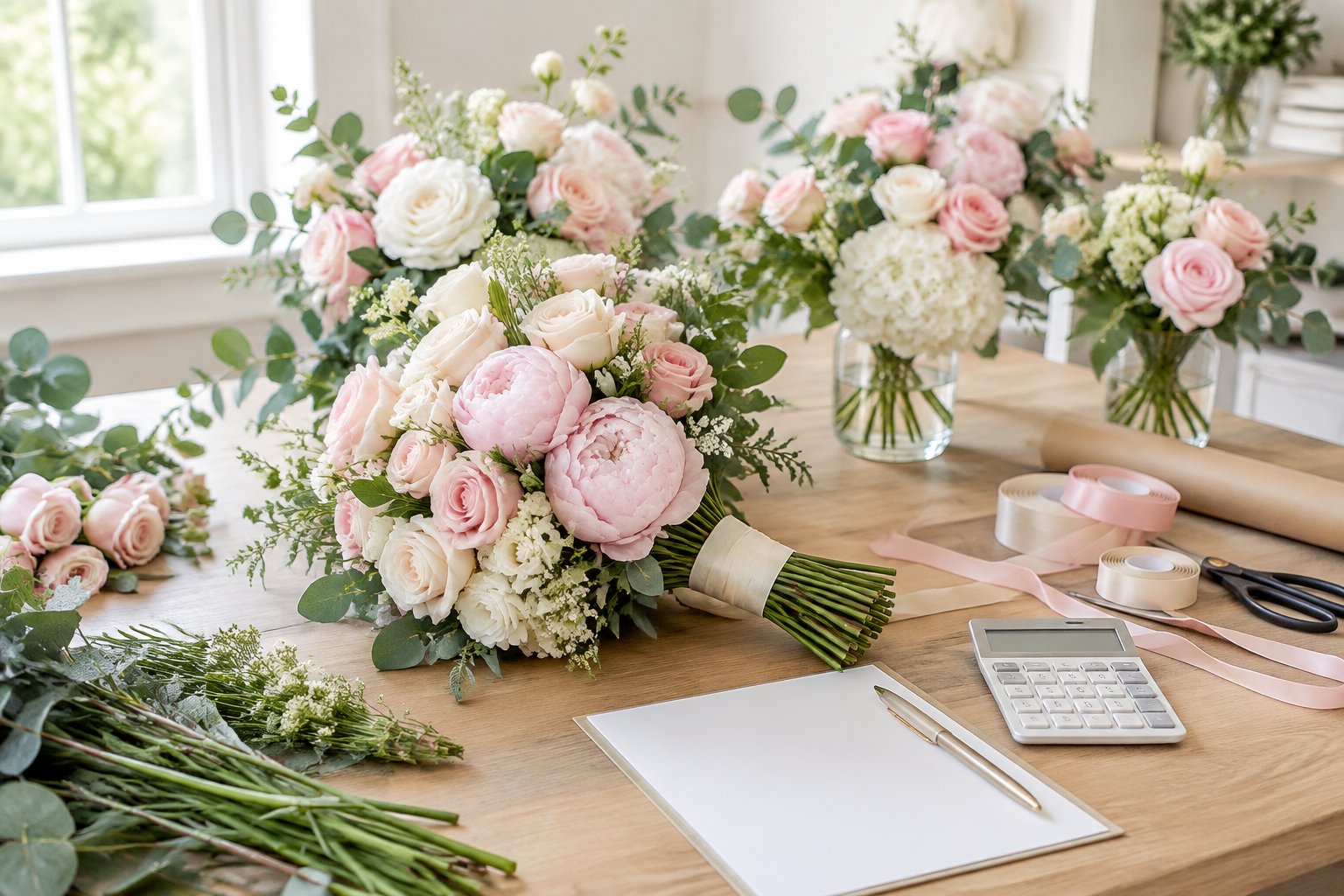
A budget becomes easier to plan when you decide which flowers you care about most before requesting quotes. Start with your must-haves, then ask a wedding florist to price those items and explain what fits your target amount.
How Do Floral Budgets Vary by Scope?
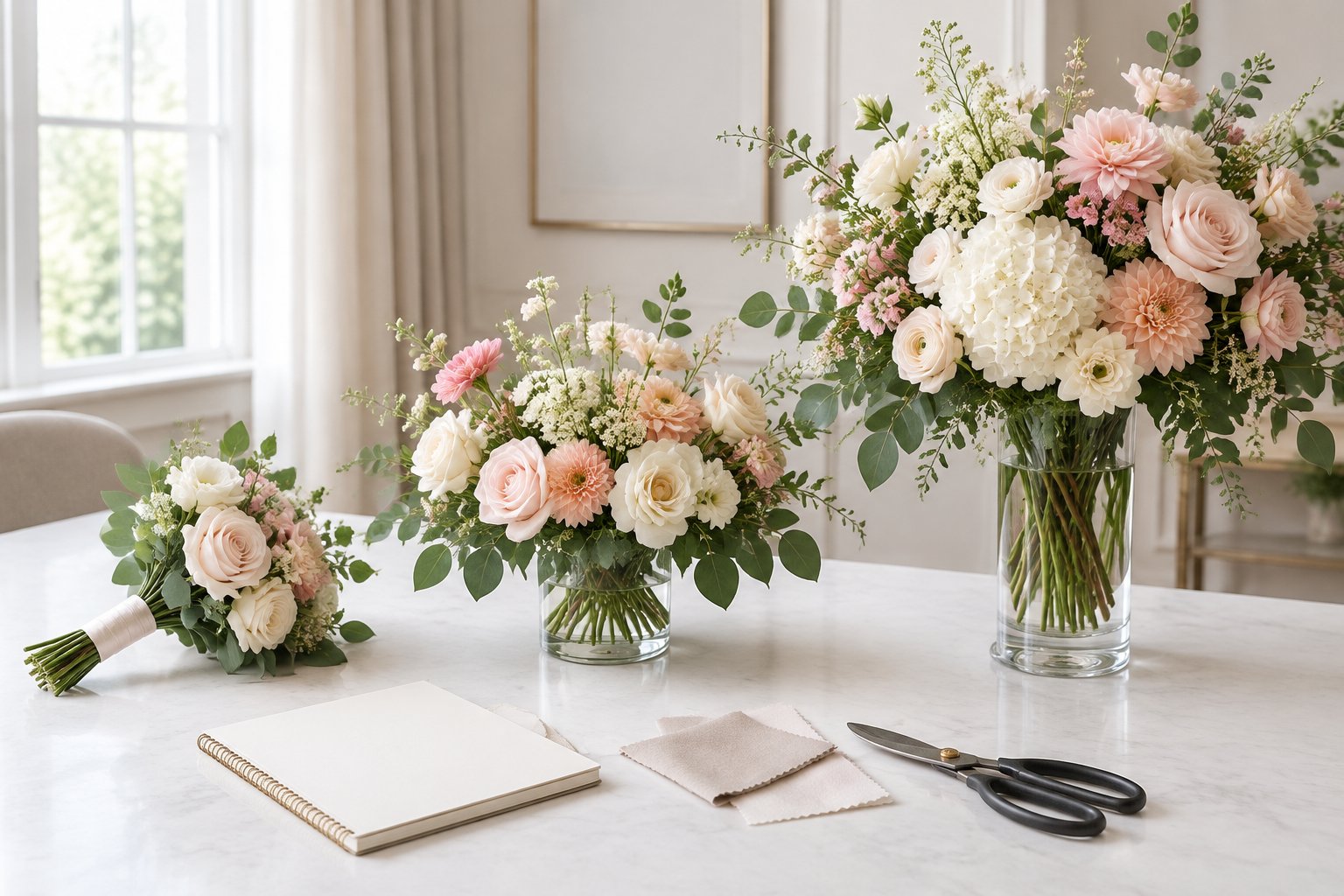
A wedding flower budget around $2,500 to $5,000 can cover personal flowers, reception centerpieces, and some ceremony decor, while large installations raise the total. Published averages offer a starting point, and the scope behind each figure explains why prices differ. For a broad look at spending levels, compare your plans with this guide to how much you might spend on flowers for a wedding.
What Do National Averages and Medians Tell You?
Averages can help you set an initial target, but they do not predict your quote. Recent estimates place many U.S. wedding flower budgets in the several-thousand-dollar range, with figures often falling around $2,500 to $5,000.
Smaller celebrations with personal flowers and a few simple accents can come in under $2,000; full-service designs with installations can rise well past $7,500. Poppy Flowers reports an average order of $3,500 among more than 7,500 completed orders.
Its middle range, from the 25th to the 75th percentile, runs from $2,285 to $4,215. Those numbers describe Poppy orders, so use them as one useful reference point, not as a national average.
Why Do Published Estimates Differ?
A published estimate reflects the flower items counted, the couples surveyed, and the way the data was collected. One figure may include bouquets and table flowers; another may count delivery, setup, ceremony installations, and full-service design. The date and region also affect prices.
Check whether an estimate includes taxes, rental vessels, delivery, setup, and breakdown. If a figure covers stems alone, it will not match a florist quote that includes design labor and venue installation. Compare the same list of services before deciding whether one estimate is high or low.
How Do Real Florist Orders Compare With Survey Data?
Order records show what customers bought through one business, while surveys summarize what respondents report spending. Poppy Flowers’ order data shows that 68.3% of its customers spent between $2,000 and $5,000.
Its smaller orders included personal flowers and bud-vase centerpieces, while higher budgets added ceremony decor and fuller reception designs. Your own quote may land outside those ranges.
Guest count, location, flower choices, and service needs all shape the final number, so use averages to set a first estimate and get a written quote for your specific plan.
What Does Each Wedding Flower Arrangement Cost?
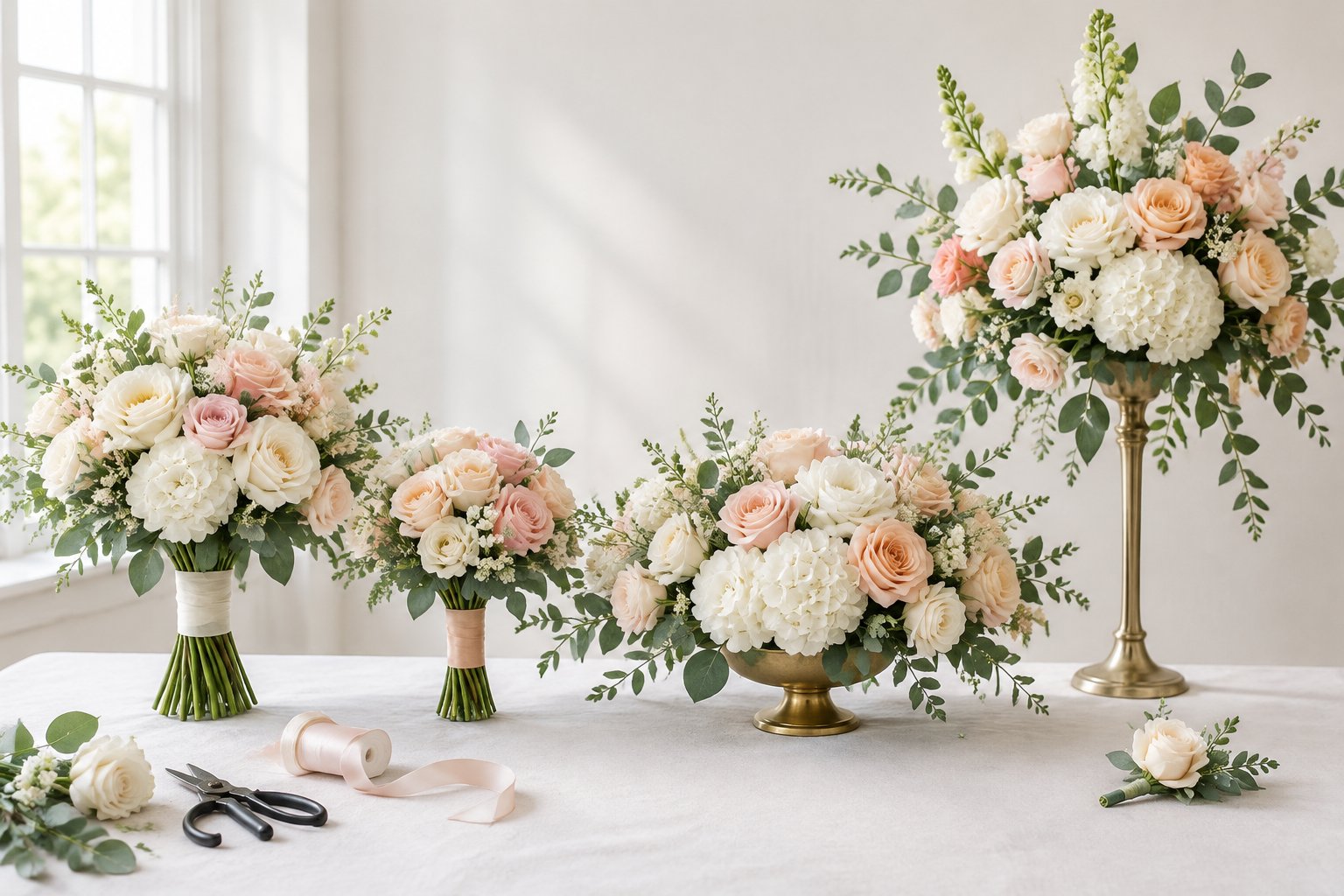
Personal flowers are easier to estimate by item, while centerpieces and ceremony installations can change the total quickly. The ranges below give you a useful starting point for planning; your final price depends on size, stems, and design details.
How Much Does a Bridal Bouquet Cost?
A bridal bouquet often costs about $150 to $500 or more. A smaller bouquet with seasonal flowers and greenery falls toward the lower end; premium blooms, a larger shape, or detailed wiring and ribbon work push the price higher.
For a bouquet with specialty flowers, ask which substitutions preserve the color and shape you want. A bouquet can set the style for your other personal flowers, so share your preferred size and flower varieties when you request a quote.
If you are weighing a DIY option, estimate the cost to make your own wedding bouquet alongside the time and supplies you would need.
What Do Bridesmaid Bouquets, Boutonnieres, and Corsages Cost?
Bridesmaid bouquets commonly cost $65 to $150 each. Boutonnieres often run $15 to $40 apiece, while corsages may cost about $20 to $45, depending on the flowers and wrist or pin-on style.
Multiply each item by the number of people who need one to see how quickly personal flowers add up. You can keep a coordinated look by using fewer premium blooms in attendants’ bouquets and reserving them for your own.
If your list includes a large wedding party, calculate quantities early with this guide to how many flowers you use in a wedding.
How Much Do Wedding Centerpieces Cost?
Wedding centerpieces often cost $65 to $250 for low designs and $175 to $350 or more for taller arrangements. A table with bud vases and greenery can cost less than a full, dense design.
Your table count has a direct effect: at ten tables, even a $25 change per centerpiece shifts the total by $250. When reviewing options, ask for a price per table and confirm whether vessels are included or rented.
A mix of fuller centerpieces and simpler bud-vase groupings can add variety while keeping your table budget in check.
What Do Ceremony Flowers and Installations Cost?
Ceremony flowers range from a few hundred dollars for modest accents to several thousand for a large installation. Two arrangements framing the ceremony space may cost about $500 to $1,200 together, while an arch can range from roughly $700 to $3,500 or more based on its size, flower coverage, structure, and setup.
Aisle markers and smaller ceremony pieces add to the total, especially when you need many of them. Ask your florist which pieces can move to the reception after the ceremony, and include any transfer labor in the estimate.
What Factors Push Floral Quotes Higher or Lower?
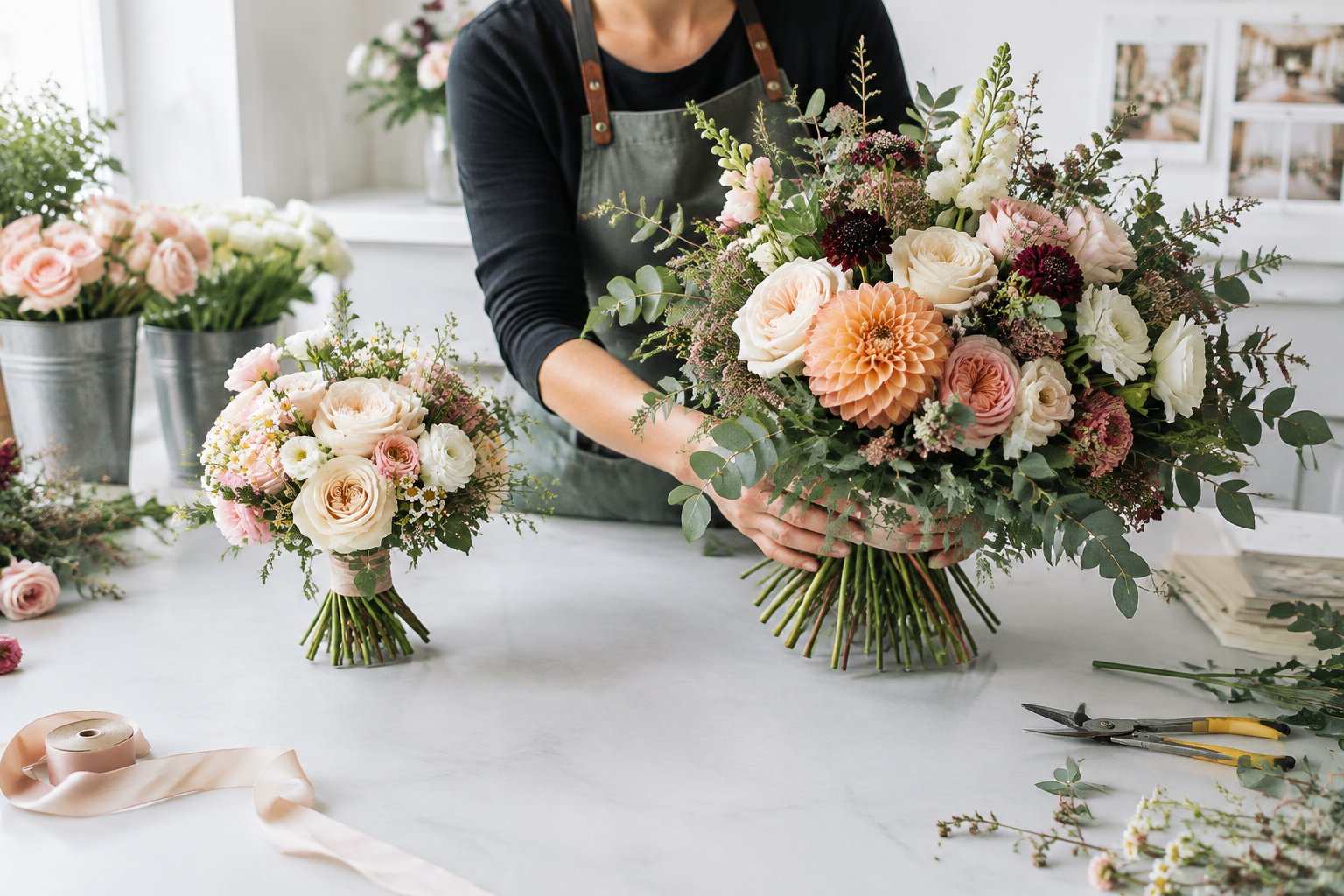
Your quote rises with more tables, premium or hard-to-source flowers, intricate designs, and added labor. A clear guest count and a focused design brief help a wedding florist price the work accurately and suggest options that fit your budget.
How Do Guest Count and Table Numbers Affect the Total?
Guest count influences the number of tables, and each added table can mean another centerpiece. Personal flowers change little as your guest list grows, while reception decor can increase with each new table.
A 100-person event with ten tables has a different centerpiece budget from one with fifteen tables, even if the flower style stays the same. Give your florist your expected guest count and table layout.
If your seating plan changes, update the estimated table number before approving the design so the quote reflects the actual order.
How Do Flower Choice, Season, and Location Change Prices?
Seasonal flowers are often easier to source, while out-of-season or specialty blooms can cost more. Availability can shift by wedding date and region, so ask your florist for alternatives with a similar color, texture, or shape.
This guide to the flowers that tend to cost more for a wedding can help you prepare questions about premium varieties. Location affects delivery distance, labor rates, and access to the venue.
A difficult load-in, long carry, or strict setup window can add work even when your flower order stays the same.
How Much Do Design, Labor, Delivery, and Setup Add?
A florist’s price covers more than the stems. Flowers need to be processed and arranged, then packed, transported, and placed at the venue.
Large installations also require mechanics, support structures, and additional setup time. Delivery and setup fees vary by order and venue, so ask for those amounts as separate quote lines.
Before you approve a design, ask how the quote handles rental items, setup, breakdown, and any late-night pickup. For a clearer conversation, use these tips on how to ask a florist for a price.
How Can You Set a Practical Floral Budget?

A practical wedding flower budget starts with a firm spending limit and a short list of priority pieces. Set aside room for labor and delivery, then ask for options that keep the most important arrangements within your target.
For help dividing wedding expenses, use this guide to how to allocate a wedding budget.
What Should You Prioritize in Your Wedding Flower Budget?
Choose the arrangements that will have the greatest meaning or visibility for you. Many people start with the bridal bouquet, ceremony focal flowers, and reception tables, then add smaller accents if the budget allows.
Write your list in three groups:
- Must-haves: The pieces you want included, such as personal flowers or centerpieces.
- Nice-to-haves: Details like aisle markers, cake flowers, or cocktail-table accents.
- Flexible items: Arrangements where you are open to a smaller size or alternate flower.
This gives your florist clear direction and makes it easier to adjust the design without losing the parts you care about.
What Should You Ask a Florist Before Approving a Quote?
Ask for an itemized estimate that names each arrangement, its quantity, and its price. Confirm which flowers are included, what happens if a variety is unavailable, and whether delivery, setup, rentals, taxes, and breakdown are included.
Ask when the final guest and table count is due. Share your spending limit before the design is finalized.
A florist can then suggest changes to stem choices, arrangement size, or the number of pieces before you commit.
How Can You Compare Quotes on the Same Scope?
Send each florist the same brief: event date, venue, guest count, table count, personal flower quantities, and requested decor. Include reference images and identify which details matter most, such as color, shape, or fullness.
Then compare line items and services, not only the grand total. If one quote costs less, check whether it covers the same number of arrangements, flower quality, delivery, setup, and rentals.
A guide to making a realistic wedding budget can help you leave room for fees and changes.
How Can You Save Without Losing the Look?
You can stretch your floral budget by reusing arrangements, choosing seasonal flowers, and focusing design on the places guests will see. Smaller arrangements and a mix of centerpiece styles also help you keep the room cohesive without ordering the same full design for every table.
Can You Repurpose Ceremony Flowers at the Reception?
Yes, you can repurpose ceremony flowers at the reception when the design, venue layout, and schedule allow for a safe move. Ask your florist to plan pieces that can be transferred to the sweetheart table, entrance, or bar.
The move may require staff and added setup time, so confirm the labor cost before counting on savings. Bridesmaid bouquets can also be placed in vases at the reception.
Choose vessels and locations in advance so someone knows where each piece should go after the ceremony.
Which Seasonal and Simpler Designs Offer Better Value?
Seasonal blooms and flexible flower choices give your florist more options for the same palette. A compact bouquet, greenery-forward design, or bud-vase grouping can create a finished look with fewer stems than a dense arrangement.
You can also use premium flowers in a few focal pieces and simpler varieties elsewhere. Tell your florist what you like about your inspiration images, such as soft colors or loose shapes.
That gives them room to suggest flowers with a similar feel and a price that suits your plan.
When Do DIY, Rentals, or Fewer Arrangements Make Sense?
DIY can suit you when the design is simple, your flower quantities are manageable, and you have time for pickup, arranging, storage, and transport. Include buckets, tools, supplies, and help in your cost estimate.
If you want to compare alternatives, review the average cost of fake flowers for a wedding before deciding whether rentals or artificial arrangements fit your plans.
Rentals can work well for larger decorative pieces you need for one day. Fewer arrangements can also make a strong design choice: keep flowers at the ceremony focal point and guest tables, then skip small accents that add cost without serving a clear purpose.