
How Much Do Wedding Flowers Typically Cost? A Budget Guide
If you’re asking how much do wedding flowers typically cost, plan on about $2,500 to $7,000, with a U.S. average near $2,800. A smaller floral plan can cost less, while large installations and full-room designs can push the total higher.
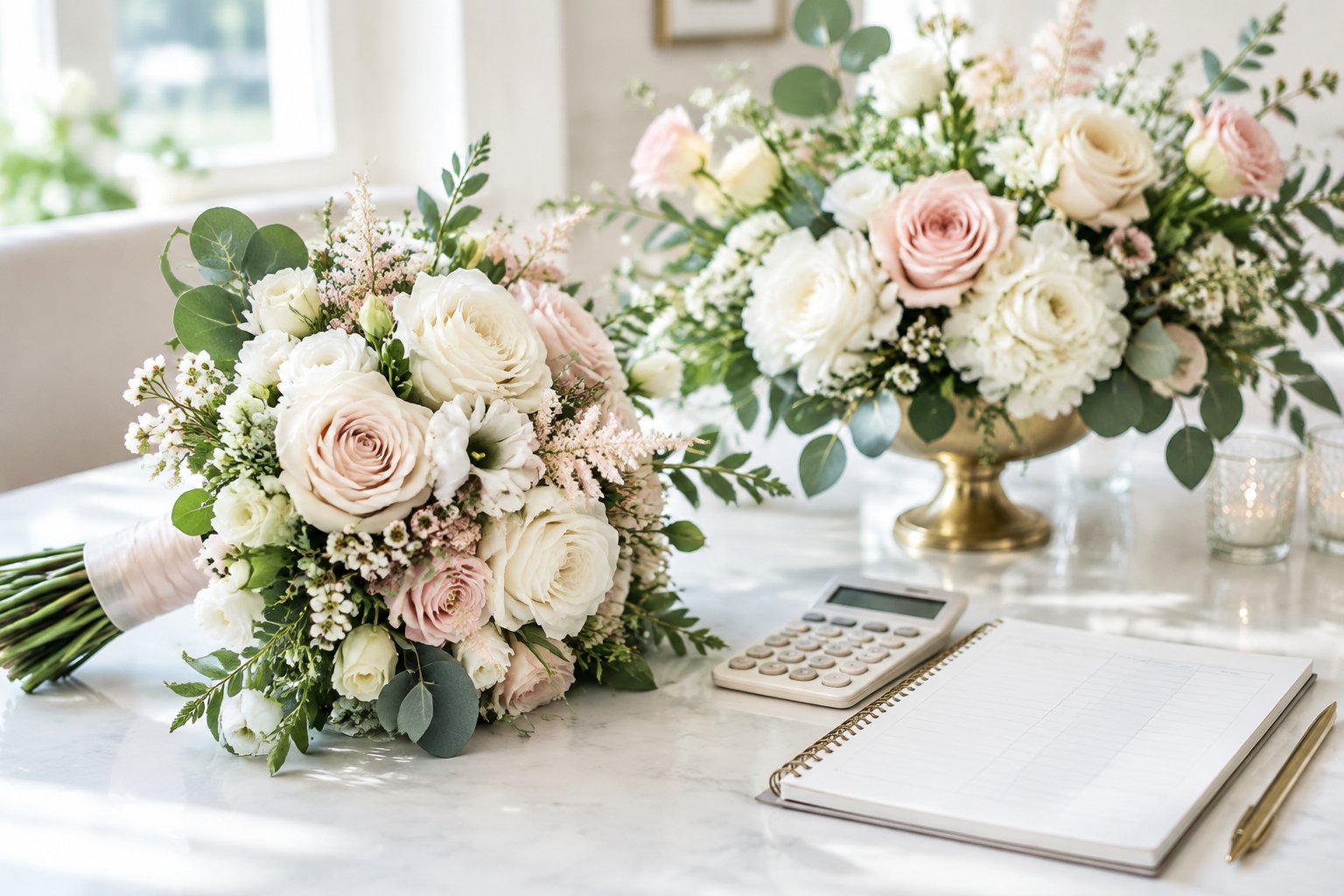
Your guest count, flower choices, and design plans shape the final bill. Set a comfortable spending range, then ask a local wedding florist for an itemized quote that fits your priorities.
What Do Couples Typically Spend on Wedding Flowers?
For many U.S. weddings, a floral budget of $2,500 to $7,000 covers a range of plans, from simple personal flowers to ceremony and reception arrangements. National averages offer a starting point, while your guest count and the items included in a quote help you estimate your own total.
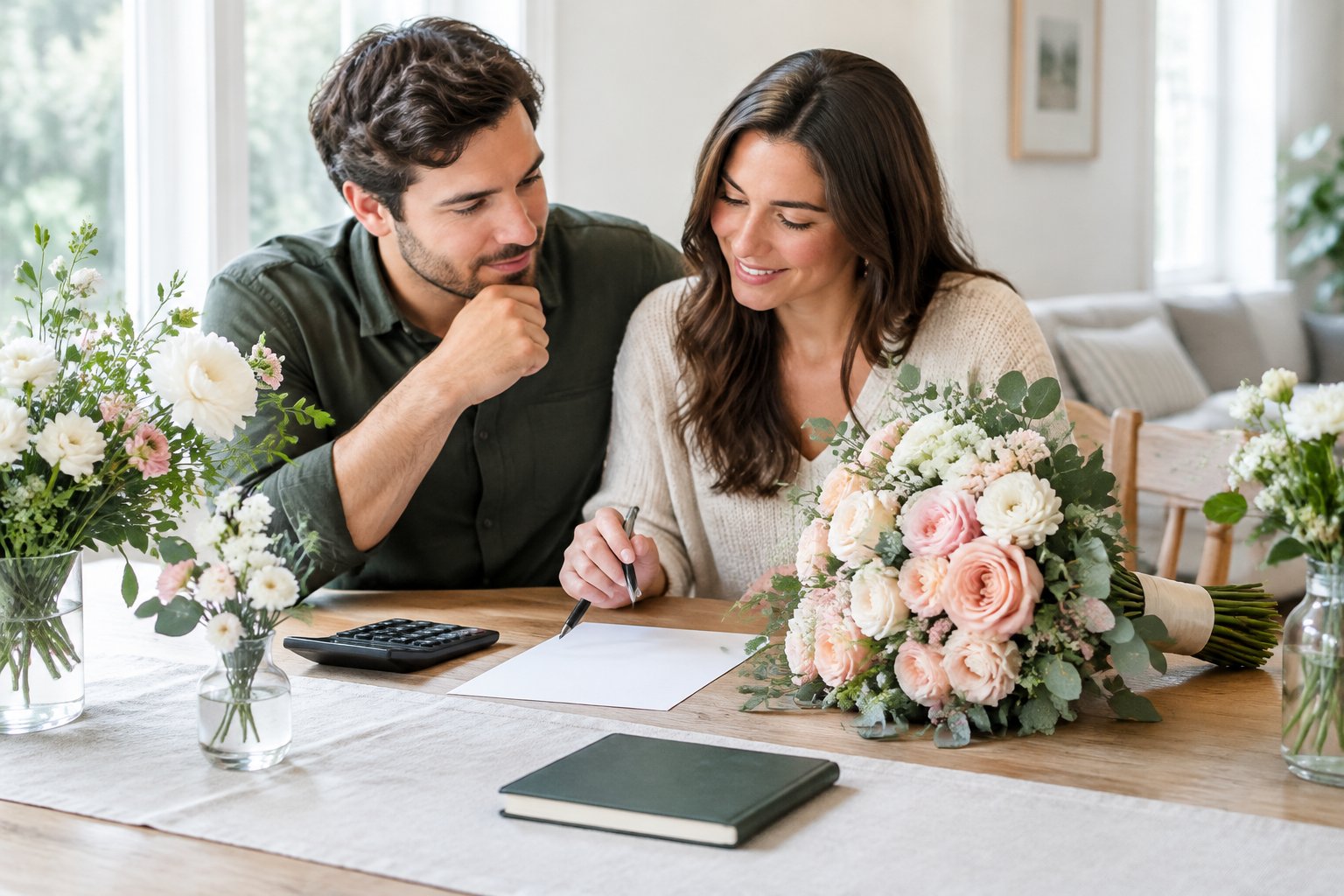
What Is the Average Wedding Flower Cost?
The average wedding flower cost is about $2,800, though reported figures differ based on which flowers and services a study counts. The Knot Real Weddings Study gives you a national reference point; Poppy Flowers has reported an average of about $3,500 across weddings it served. Treat these figures as guideposts, since your location and design plan affect your quote.
A smaller celebration with bouquets and a few table arrangements may fit a $2,000 to $4,000 budget. A fuller plan with ceremony flowers and centerpieces can land around $4,000 to $8,000, while large-scale designs can cost more. If you’re weighing your own spending on wedding flowers, start with the pieces you care about most.
How Do Floral Budgets Vary by Spending Tier?
A focused plan often covers personal flowers and a few simple arrangements, while a mid-range plan adds more ceremony and reception decor. A higher floral budget can include large installations, more elaborate centerpieces, or flowers throughout the venue.
Use these ranges as rough planning tiers:
- Focused florals: About $1,500 to $3,000 for personal flowers and select decor.
- Mid-range florals: About $3,000 to $7,000 for a broader ceremony and reception plan.
- Extensive florals: $7,000 or more for large installations and abundant arrangements.
Your location, labor needs, and the number of arrangements can shift these ranges.
How Does Guest Count Affect the Total?
Your guest count affects reception costs because more guests usually mean more tables to decorate. Personal flowers, such as your bouquet and boutonnieres, change little with the number of guests, while centerpieces add up with each table.
Count your guest tables before setting a total. For example, 12 centerpieces priced at $150 each add $1,800 before delivery, setup, or other flowers. Your florist can also price a mix of decorated tables and simpler designs.
How Much Do Individual Wedding Arrangements Cost?
Individual wedding arrangements range from about $10 for a boutonnière to thousands of dollars for a large floral installation. Your item list should include personal flowers, ceremony flowers, and reception flowers so you can see where each part of the budget goes.
What Is the Typical Bridal Bouquet Cost?
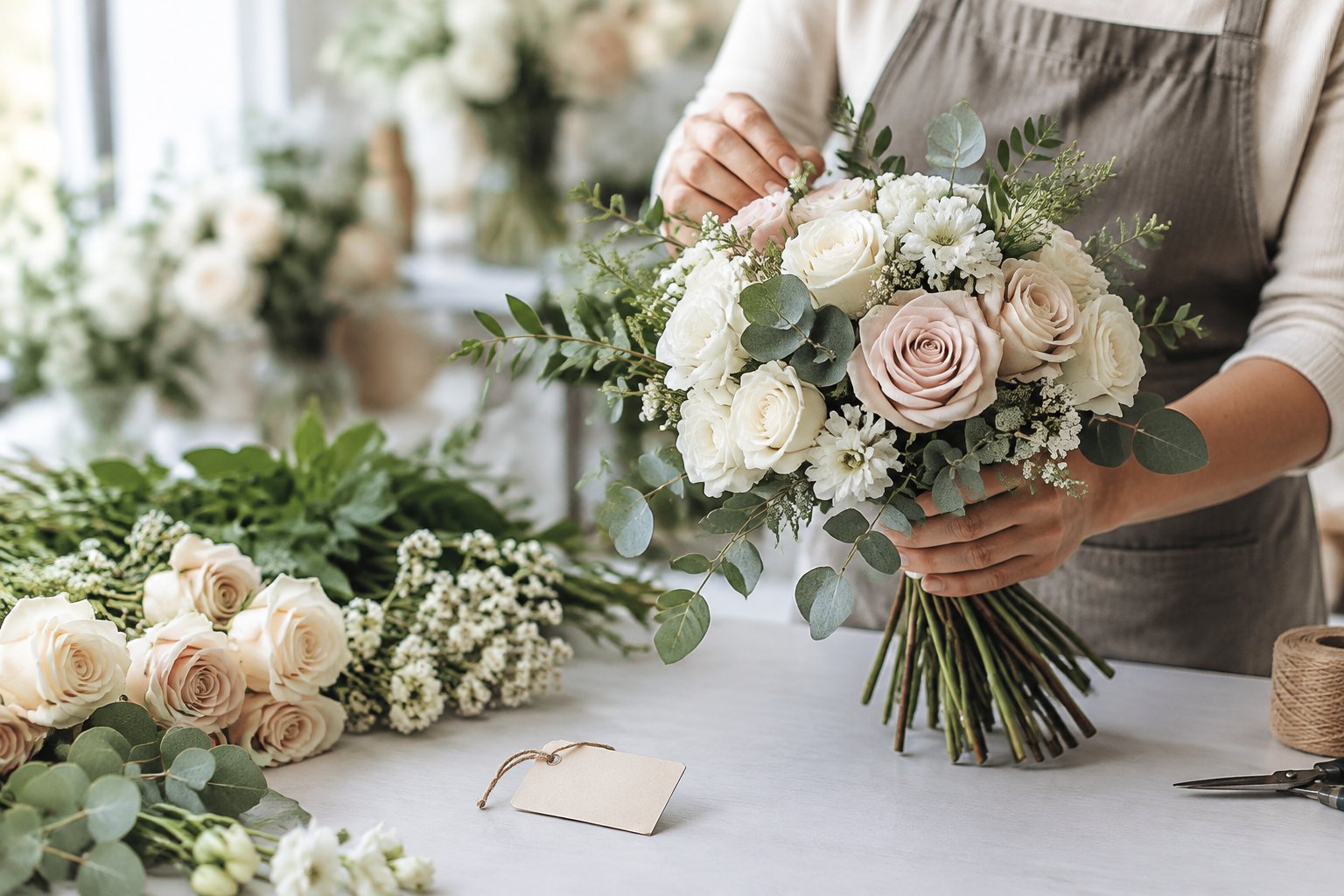
A bridal bouquet cost often falls between $150 and $350. A larger bouquet with premium blooms or detailed wiring can cost more, while a smaller design with seasonal flowers can fit the lower end.
Bridesmaid bouquets often cost about $50 to $150 each. Boutonnières may run $10 to $40 apiece, and corsages about $20 to $50. Count everyone who needs flowers before you ask for a price; knowing how many flowers to order for your wedding helps you avoid missing personal arrangements.
What Do Ceremony Flowers Cost?
Small aisle or altar arrangements may start around $100 each. A floral arch or chuppah can cost about $500 to $2,500 or more, depending on its size, coverage, and installation needs.
Ask your florist to describe the size and flower coverage in the proposal. A few clusters on an arch need fewer stems and less labor than a design that covers the full structure. Aisle markers, entrance arrangements, and welcome-area flowers add separate costs.
How Much Should You Set Aside for Reception Flowers?
Reception flowers can take a large share of your floral budget, especially when you want a centerpiece on every table. Many centerpieces cost about $100 to $500 each, based on their size and flower mix. You can compare designs with this guide to wedding centerpiece costs.
Multiply the price per arrangement by your table count, then add any flowers for the head table, bar, or cake. Candles and greenery can give tables a finished look while reducing the number of flowers in each centerpiece.
What Do Wedding Party Flowers and Other Extras Cost?
Bridesmaid bouquets, boutonnieres, and corsages add up with each person you include. You might also need flowers for a flower girl, a welcome table, or cake decoration, so add each item to your list before reviewing the total.
Small details can carry separate delivery, setup, or rental charges. Ask your florist to show those fees as individual line items so you can decide which additions fit your budget.
What Factors Can Raise or Lower Your Floral Bill?
Flower type, season, arrangement size, and labor all shape your floral bill. Your wedding florist can suggest substitutions and design changes that keep your look within a set spending range.
How Do Flower Choice and Season Affect Prices?
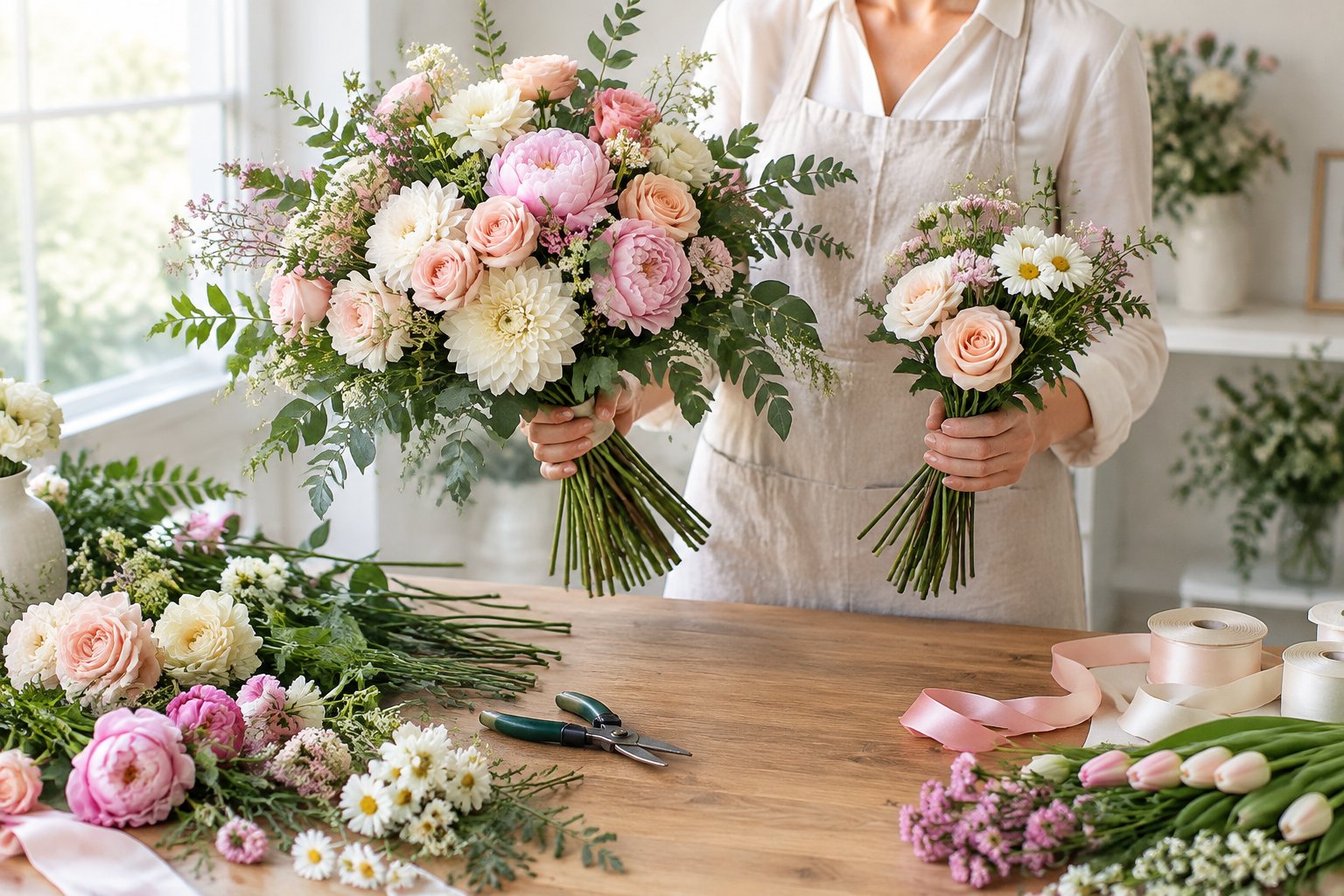
In-season blooms are easier to source, which can help control costs. Premium or hard-to-find flowers can raise the price, especially when they are out of season for your wedding date. If you have a favorite flower, tell your florist early and ask for a similar option that is available.
Peonies and garden roses can cost more than many flexible seasonal blooms. If you’re comparing the most expensive wedding flowers, look at both the flower’s price and how many stems its design needs. Poppy flowers can add an airy, colorful touch, though their seasonal availability and delicate petals make them a flower to discuss with your florist.
How Do Design, Location, and Labor Shape Costs?
A large or intricate arrangement needs more stems, supplies, and design time. Arches and hanging installations also require setup and installation labor, while delivery fees rise with distance or challenging venue access.
Your location can affect the quote through local labor rates and delivery needs. Ask your florist which fees cover design, transport, setup, rentals, and cleanup so you know what the total includes.
Why Do Florist Quotes Differ?
Florist quotes differ because each business may price a different mix of flowers, services, and labor. Two proposals with the same total can include different arrangement sizes or setup plans, so compare the details line by line.
Share your date, venue, guest count, and spending limit when you request a quote. If you want help phrasing your request, these tips on asking a florist for a price can help you provide the details a florist needs.
How Should You Set a Wedding Flower Budget?
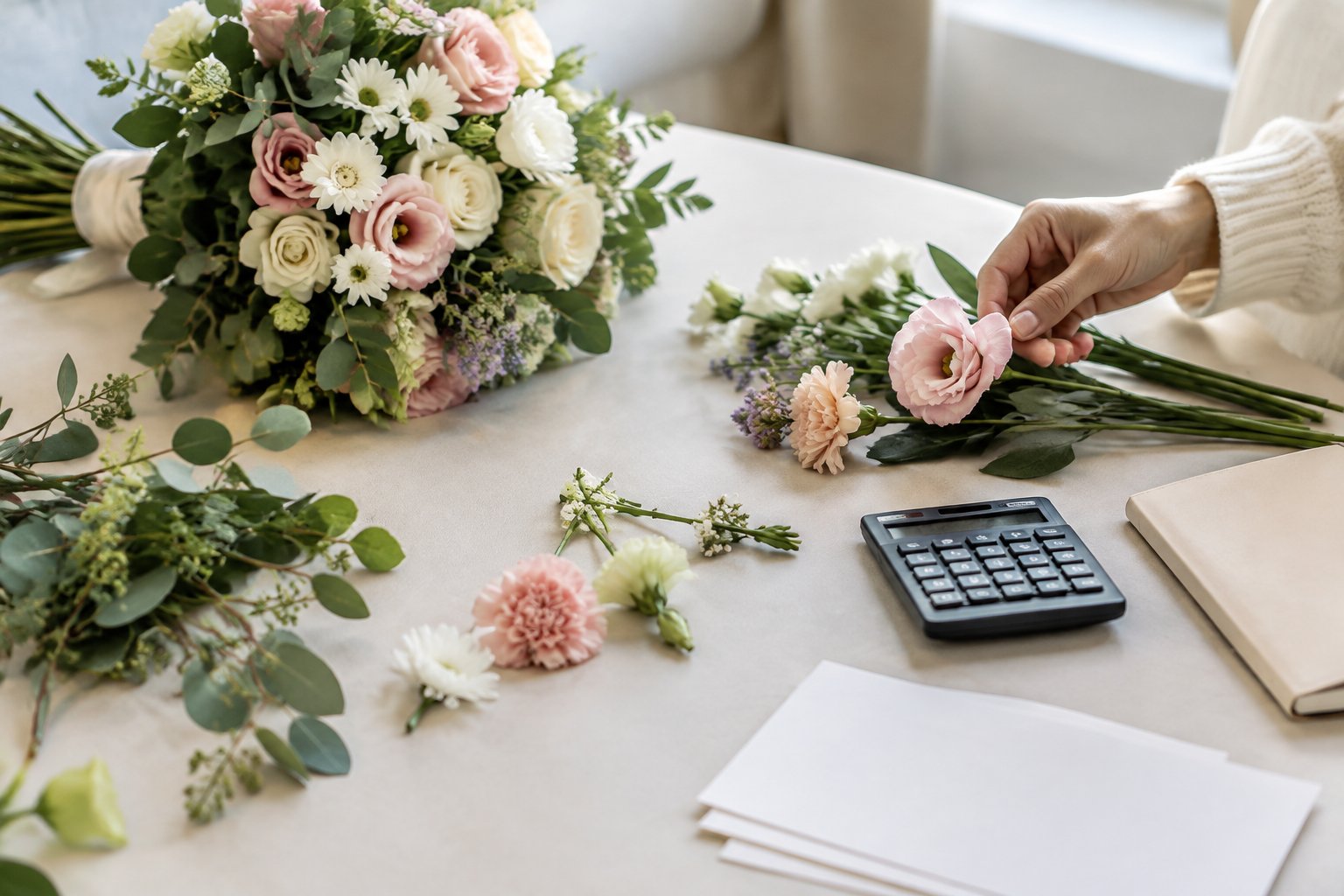
Set your wedding flower budget by choosing a spending limit first, then assigning money to the arrangements you value most. A starting point of about 8% to 10% of your total wedding budget can help you plan, though you can adjust that share to fit your priorities.
How Much of Your Wedding Budget Should Go to Flowers?
An 8% to 10% starting range gives you a quick estimate. If your total wedding budget is $30,000, that works out to about $2,400 to $3,000 for flowers. A floral installation-heavy plan can call for more, while a small set of personal flowers and table arrangements may need less.
Write down your must-haves, then divide the available money among them. A clear wedding budget allocation can help you balance flowers with venue, food, and other costs.
What Should You Check in an Itemized Quote?
Check that the florist quote lists each arrangement, its quantity, and its price. Review service fees alongside flower costs, since delivery, setup, installation, rentals, and cleanup can affect the final total.
Before you book, confirm:
- Which flowers and substitutions are included
- The size and number of each arrangement
- Delivery, setup, and installation charges
- Rental, teardown, tax, and payment terms
Compare proposals with the same arrangement list so you can judge the prices fairly.
How Can You Save on Wedding Flowers?
You can stretch your wedding flower budget by choosing seasonal blooms, focusing on key display areas, and giving arrangements more than one use. A clear priority list helps your florist adjust the design while keeping the parts you value.
Can You Repurpose Ceremony Flowers at the Reception?
Yes, you can repurpose ceremony flowers at the reception when the arrangements suit both spaces and your timeline allows for the move. Aisle flowers can decorate a bar or entrance, while an altar arrangement can become a focal point behind your sweetheart table.
Plan the transfer with your florist and venue team before the wedding day. Ask who will move and reset each piece, and check whether that labor is included in the quote.
Which Design Choices Stretch Your Budget?
Choose a few focal arrangements and use candles, greenery, or simple vessels to fill out other areas. Seasonal flowers and flexible color choices give your florist more sourcing options, while smaller bouquets and fewer arrangements reduce stem and labor costs.
You can also compare fresh flowers with fake wedding flower costs if you want reusable decor. Share your spending limit and top priorities with your florist, then ask for a revised quote showing the cost of each change.