
How Much Does a Men’s Wedding Band Cost? Price Guide
If you’re asking “how much does a men’s wedding band cost,” a practical budget is about $300 to $1,500 for many well-made styles. Simple titanium or tungsten rings can cost less, while platinum, gold, gemstones, and custom work can push the price above $1,500.
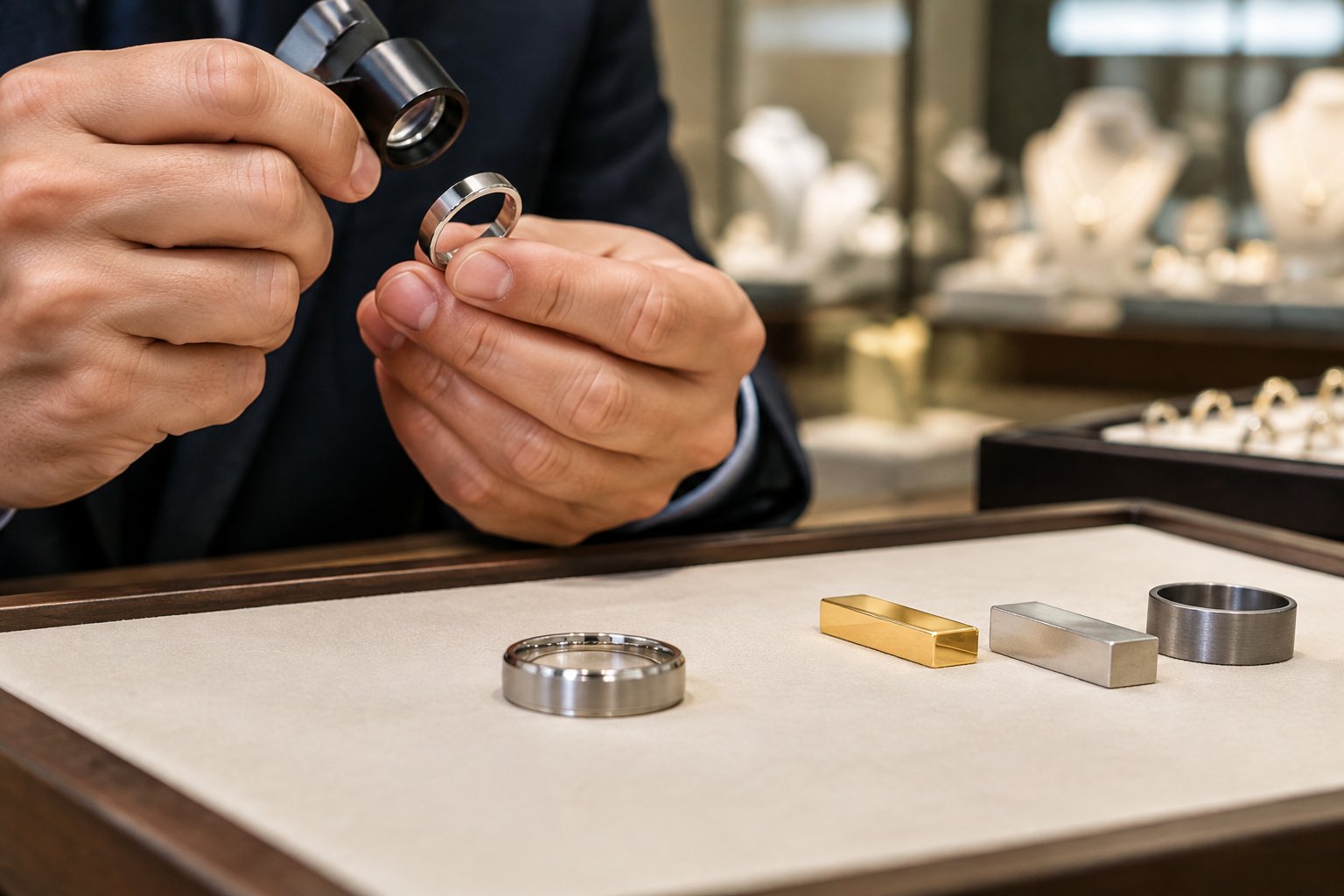
Your choice comes down to the metal, the design, and the features you’ll wear every day. Start with a budget that feels comfortable, then compare rings with similar materials and details so you can see what your money gets you.
What Do Most Men Spend on a Wedding Band?
Many men can find a quality band for a few hundred dollars, while classic gold and premium designs can cost well over $1,000. The price range is wide because “men’s wedding bands” includes everything from simple alternative-metal rings to diamond-set precious-metal styles.
Use these price ranges as a starting point, then adjust for the material, width, and style you want. Your budget can reflect your priorities without following a fixed spending rule.
What Price Ranges Can You Expect?
A simple titanium or tungsten band can fall around $100 to $500. A plain 14-karat gold band may run from about $500 to $1,500, depending on its width and weight. Platinum bands and rings with diamonds or custom details can cost $1,000 to several thousand dollars.
These are broad shopping estimates, not set prices. A heavier ring uses more metal, and a wide band often costs more than a narrow one in the same material. For help setting a personal spending limit, you can also consider how much you should spend on a man’s wedding band.
Why Do Average and Median Costs Differ?
An average adds all ring prices together and divides by the number of rings. A few expensive platinum or diamond bands can pull that number up, even if many shoppers choose simpler styles.
A median is the middle price when all purchases are lined up from lowest to highest. It can give you a clearer sense of a typical purchase when a small number of luxury rings skew the average. Retailers and surveys may use different groups of shoppers, so check how a price figure was calculated before using it as your budget.
How Does Metal Choice Affect the Price?
Metal choice has a major effect on price: alternative metals often cost less, while gold and platinum carry higher material costs. Weight, width, and the ring’s finish also affect the final price.
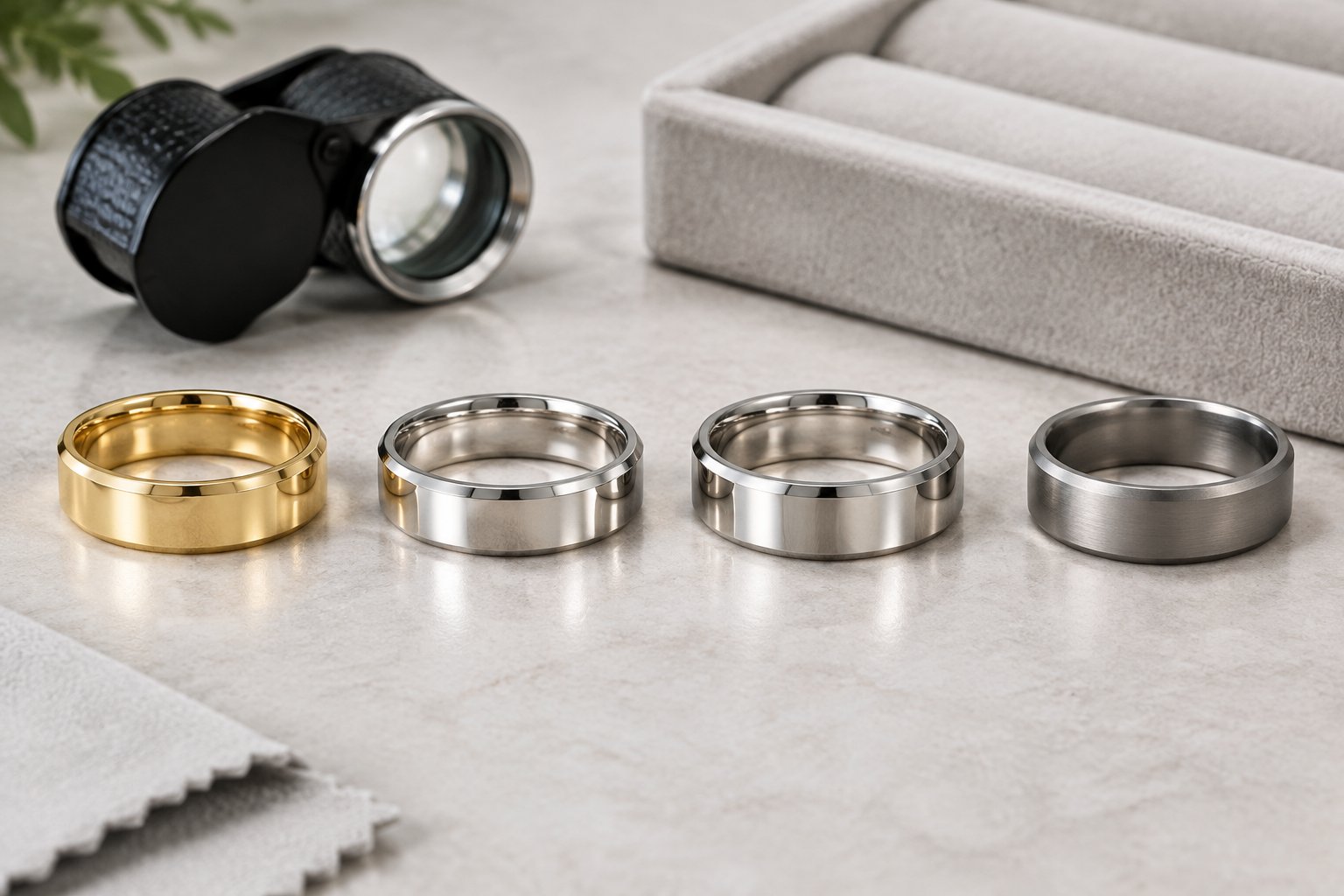
A ring’s feel and care needs vary by metal as well. Consider how much weight you like on your hand and whether you want the option to resize the band later.
What Do Titanium and Tungsten Bands Cost?
Titanium and tungsten bands often cost about $100 to $600, with many simple styles near the lower end. A titanium wedding band is lightweight and strong, while tungsten feels heavier and resists surface scratches well.
Both metals offer a lower-cost route to a modern look. Their main fit consideration is future sizing: many titanium and tungsten rings are difficult or impossible to resize. Confirm the seller’s sizing and exchange terms before you buy.
How Much More Do Gold and Platinum Bands Cost?
Gold bands commonly start around $500, with wider or heavier styles reaching $1,500 or more. Platinum costs more than many gold options and can climb into the thousands, especially when the design includes stones or extra detailing.
Gold offers a classic look and can be resized by a jeweler. Your choice of karat affects both the gold content and the ring’s price; you can compare 14K and 18K white gold for a wedding band before choosing. Platinum has a naturally white color and a substantial feel, which suits you if you want a premium precious metal.
Which Metal Offers the Best Value for Everyday Wear?
Titanium can offer strong value if you want a light, durable band at a lower price. Gold can be a better fit if you value a classic precious metal and the ability to resize your ring. Platinum costs more, though its durability and naturally white finish appeal to shoppers seeking a premium option.
Think about your routine and comfort. If you work with your hands, a scratch-resistant alternative metal may suit you. If you want a traditional look, compare yellow gold and white gold wedding rings and consider the finish you prefer.
What Else Can Change the Price?
Gemstones, custom work, and brand positioning can raise the price beyond the cost of the metal. A plain band with a standard finish usually costs less than a ring with several design details.
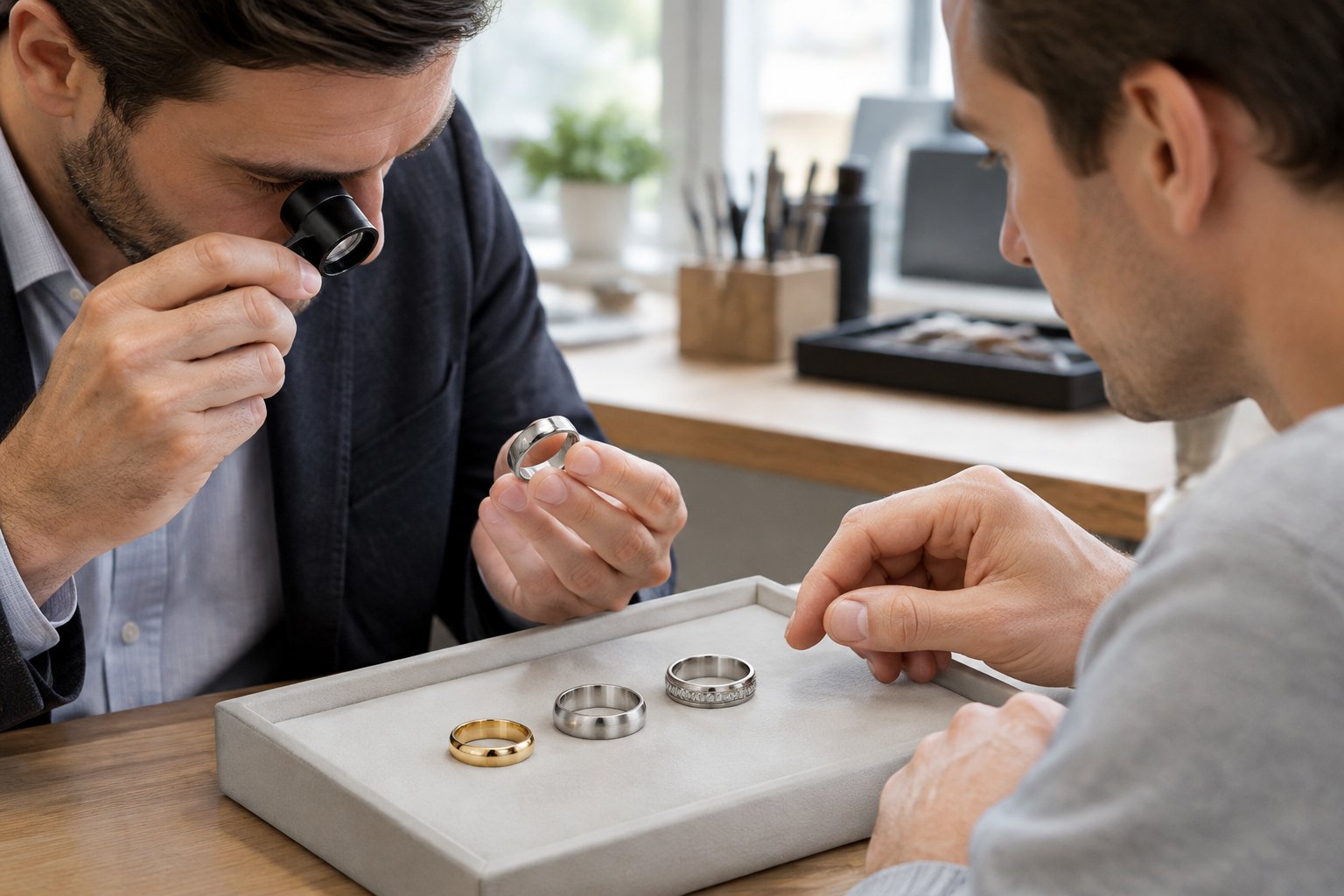
Before choosing an upgrade, check whether it changes the look, fit, or upkeep of the ring in a way you value. You can also decide which details matter enough to include in your budget.
How Do Diamonds and Other Gemstones Affect Cost?
Gemstones add cost through the stones themselves and the work needed to set them. Price depends on the type, size, quality, and number of stones, along with the setting and metal.
A single small accent can add a subtle detail, while several larger stones can move a band into a much higher price range. Ask whether the seller provides details about the stones and what care the setting needs.
Do Custom Designs and Engraving Cost More?
Custom designs can cost more because they require extra design and production work. Engraving may also add a fee, especially when you choose a detailed pattern or a custom message.
Ask for a complete quote before approving custom work. Confirm the cost, production timeline, and whether the finished ring can be exchanged or resized. A simple personal engraving may have a smaller effect on your budget than a fully custom shape or inlay.
How Much Does the Brand Name Matter?
A brand name can affect the price through its design, materials, service, and retail costs. Two rings with similar metals and widths may still have different prices, so compare the specifications and included services.
You can choose a ring that looks polished without paying for extra design details you don’t want. If you’re weighing a plain band against a more elaborate one, what makes a wedding ring look expensive can help you focus on visual details such as finish and proportion.
Where Can You Find Better Value?
You can find value by comparing rings with the same metal, width, finish, and service terms across online retailers and local jewelers. Blue Nile and James Allen are two places to include in your search, alongside nearby stores where you can try on bands.
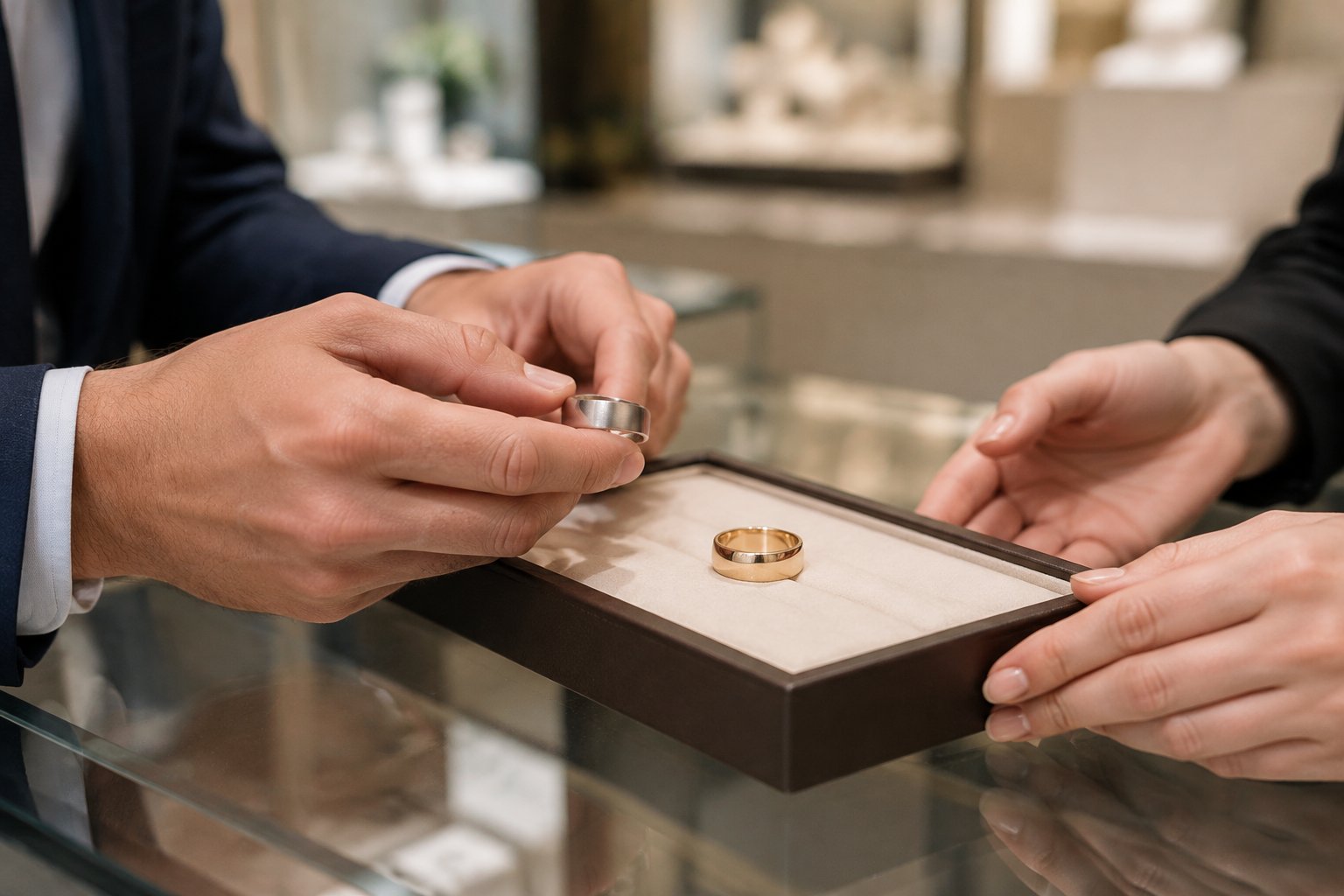
A lower listed price may not reflect the full cost if sizing, shipping, or other services are priced separately. Check current product details and policies before you decide.
Is It Cheaper to Buy Online or From a Local Jeweler?
Online listings can make it easier to compare prices and styles, while a local jeweler lets you try on a ring and ask questions in person. The better value comes from the total purchase and the services you need.
| What to compare | Online retailer | Local jeweler |
|---|---|---|
| Trying on rings | Check sizing tools and exchange terms | Try on styles in person |
| Price comparison | Compare listed prices and details | Ask for a quote |
| Fit support | Review sizing and return policies | Ask about in-store sizing |
| Ongoing service | Check what the seller includes | Ask about available care |
Use the same checklist for Blue Nile and James Allen. Their current stock, prices, and policies can change, so compare the exact ring and terms before buying.
What Should You Compare at Blue Nile and James Allen?
Compare the listed metal, width, ring size, finish, and any gemstones. Then check the full price, delivery timing, exchange window, and how the seller handles sizing or repairs.
Look for clear policy details on the exact ring you’re considering. A band that matches your budget and comes with terms you understand gives you a more reliable comparison than a headline price alone.
Which Policies Protect Your Purchase?
A clear resizing, exchange, and warranty policy can help you manage fit changes or repair needs after purchase. Check the terms before paying, especially for alternative metals and custom designs.
Can the Band Be Resized Later?
Gold and platinum rings can often be resized by a jeweler, though the design and amount of adjustment affect what is possible. Titanium and tungsten rings are commonly difficult or impossible to resize, so confirm the policy for your exact band.
Get your finger measured by a jeweler and ask whether the ring’s width affects the fit. If you’re choosing a non-resizable metal, review the seller’s size-exchange terms before ordering.
What Should a Warranty or Exchange Policy Cover?
Check what the warranty covers, how long coverage lasts, and whether it includes workmanship issues or specific repairs. A warranty may exclude normal wear, lost rings, or damage, so read the conditions instead of relying on the label alone.
For exchanges, confirm the time limit, condition requirements, and any fees. Keep your receipt and ring paperwork, and ask how the policy applies if your ring has engraving or custom details.