
How Much Does a Wedding Florist Cost? 2026 Guide
If you’re asking how much does a wedding florist cost, a useful U.S. planning range is $1,500 to $6,000, with a national average near $2,800. Your final quote depends on the number and size of arrangements, the flowers you choose, and the work required to deliver and set everything up.
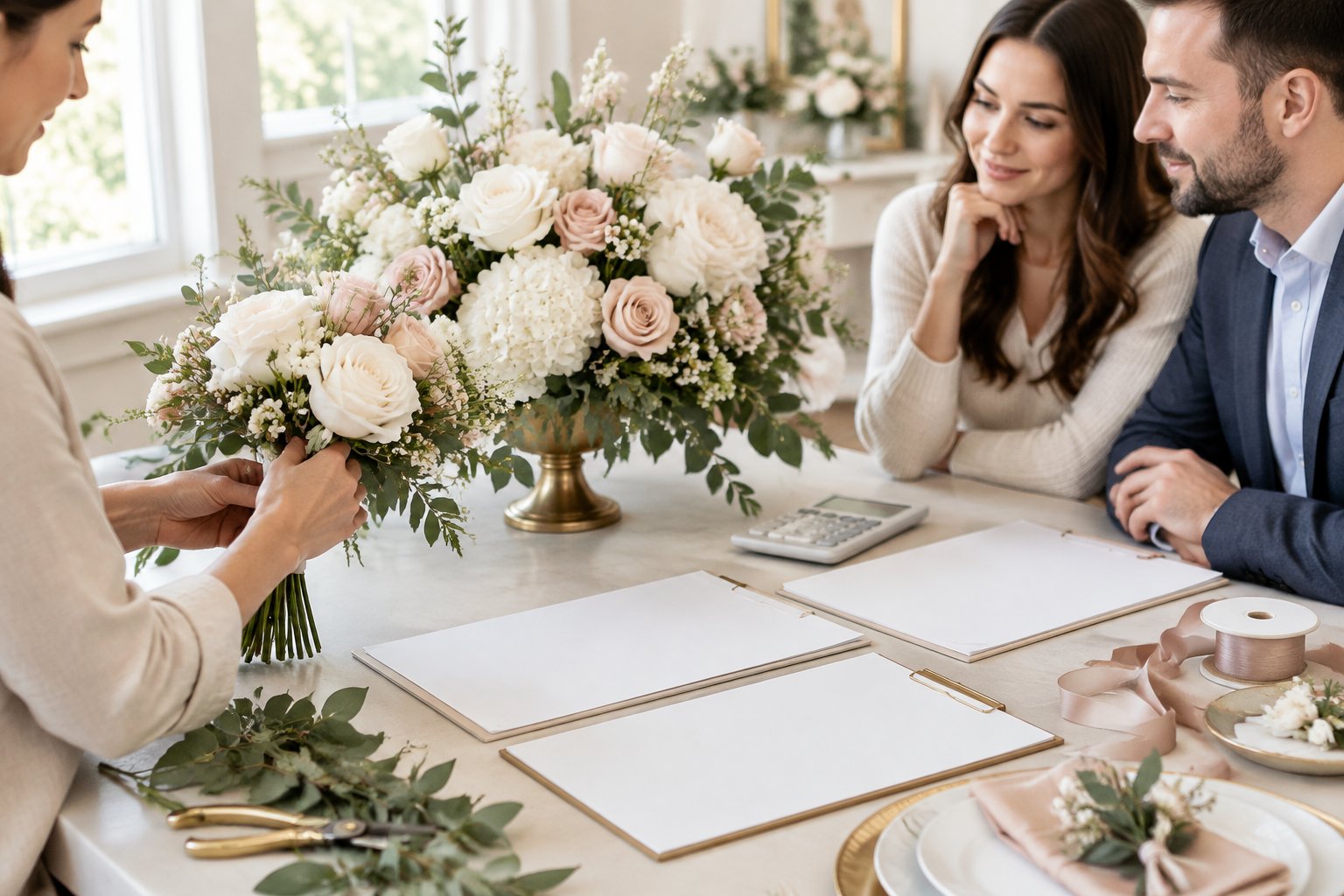
Your wedding flower budget can stay below that range if you focus on a few key arrangements. Large installations, premium blooms, and flowers for many tables can push the price well above it.
To get a useful starting estimate, gather your wedding date, venue, guest count, and budget range before contacting florists.
What Should You Budget for Wedding Flowers?
For many U.S. weddings, a practical flower budget falls between $1,500 and $6,000, while more elaborate designs can cost $10,000 or more. Your priorities and the size of your event will help you set a realistic target.

A smaller floral plan might cover personal flowers and a few ceremony or reception accents. A fuller design adds more arrangements, larger focal pieces, and the labor needed for delivery and setup.
If you’re still choosing a target, this advice on how much to spend on your wedding flowers can help you shape your budget.
What Is a Typical Wedding Florist Price Range?
A typical wedding florist quote lands around $1,500 to $6,000, with a national average near $2,800 used as a helpful reference. Regional prices vary, and full-service floral design for a large event can reach $10,000 or more.
Your quote may include more than the flowers. It can cover design planning, flower processing, supplies, delivery, setup, rentals, and cleanup.
Ask what each proposal includes so you can compare the full service and total price.
What Do Budget, Mid-Range, and High-End Packages Include?
Budget, mid-range, and high-end packages differ in the number of floral pieces, their scale, and the amount of installation work. These ranges can help you decide which style of plan fits your budget:
| Budget level | Planning range | Common inclusions |
|---|---|---|
| Budget | Under $4,000 | Personal flowers, a simple ceremony accent, and a few reception arrangements |
| Mid-range | $5,000 to $10,000 | Personal flowers, fuller ceremony designs, and more reception tables covered |
| High-end | $15,000+ | Large installations, extensive room styling, and florals across multiple spaces |
A package may use different names or include different pieces, so review its itemized list. Tell your florist which arrangements are must-haves and where you’re open to a simpler design.
How Much Do Common Floral Arrangements Cost?
Common wedding flowers range from about $15 for a boutonniere to several thousand dollars for a large ceremony installation. The number of each arrangement you need has a strong effect on your total.
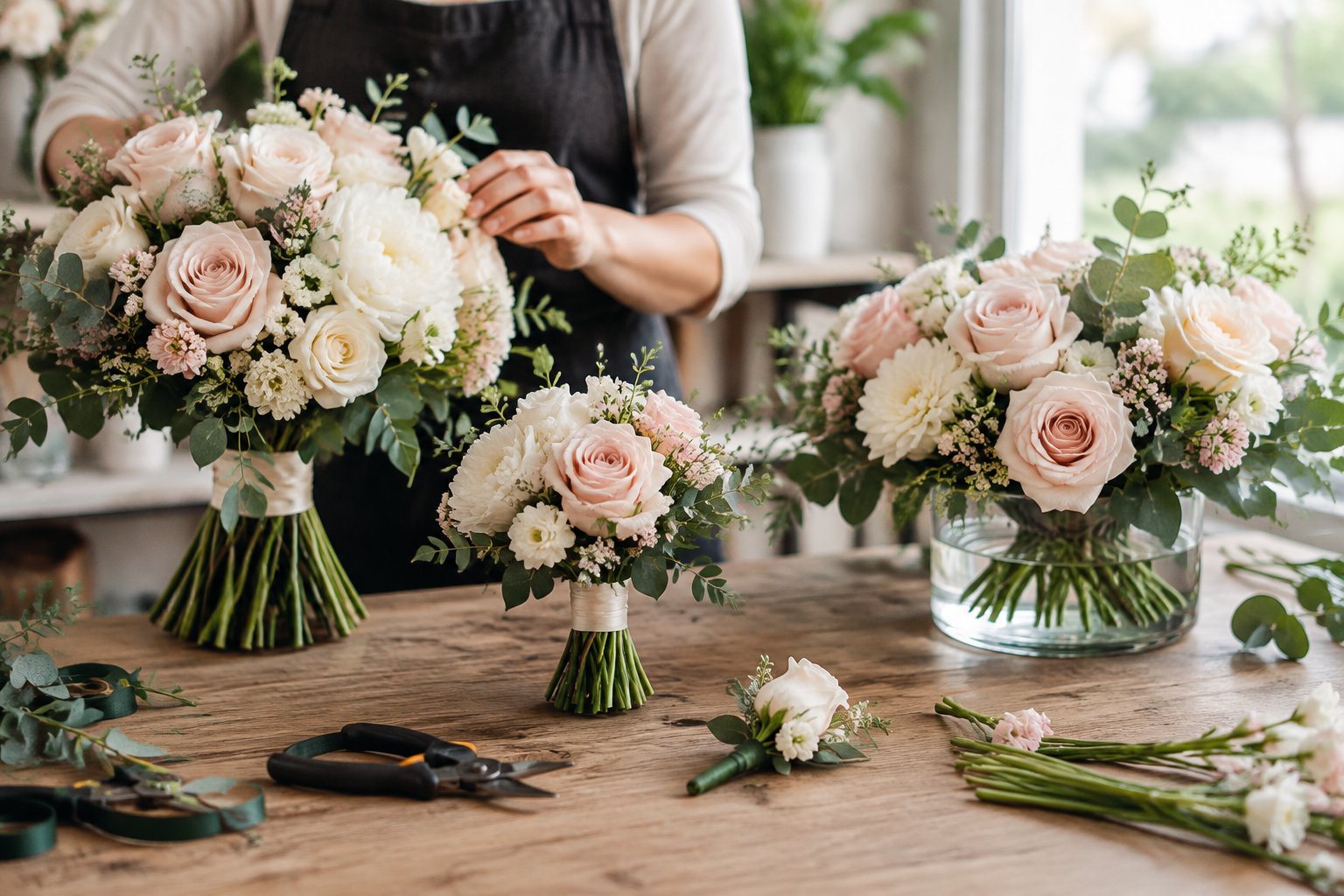
Personal flowers, ceremony designs, and reception centerpieces each use different amounts of flowers and labor. Use the estimates below to build a first draft of your floral list.
How Much Do Bouquets and Boutonnieres Cost?
A bridal bouquet often costs $150 to $400, while a premium design can reach $600 or more. Bridesmaid bouquets commonly run $65 to $150 each, and boutonnieres often cost $15 to $35 apiece.
Corsages for family members may add around $25 to $50 each. Your bouquet price depends on its size, flower mix, and design details.
For another budgeting reference, compare estimates for the average bridal bouquet cost.
What Do Ceremony Flowers Usually Cost?
Ceremony flowers can cost a few hundred dollars for a small focal arrangement and $3,000 or more for a large arch or installation. Aisle pieces, altar flowers, and arrangements on pedestals add to the total.
The design’s size and the setup required shape the price. If you want a prominent ceremony feature, ask your florist to price that piece separately so you can weigh it against other items in your plan.
How Much Should You Expect to Spend on Reception Centerpieces?
Reception centerpieces often cost $75 to $350 per table, with larger elevated designs priced higher. Multiply the per-table estimate by your table count to see the likely total.
For example, 12 centerpieces at $150 each would cost $1,800 before added delivery, setup, rentals, or taxes. You can also compare different styles and prices in this breakdown of what people pay for centerpieces.
What Factors Change the Final Quote?
Flower selection, season, guest count, design complexity, and labor shape your final quote. A clear list of priorities helps your florist suggest a design that fits your budget.
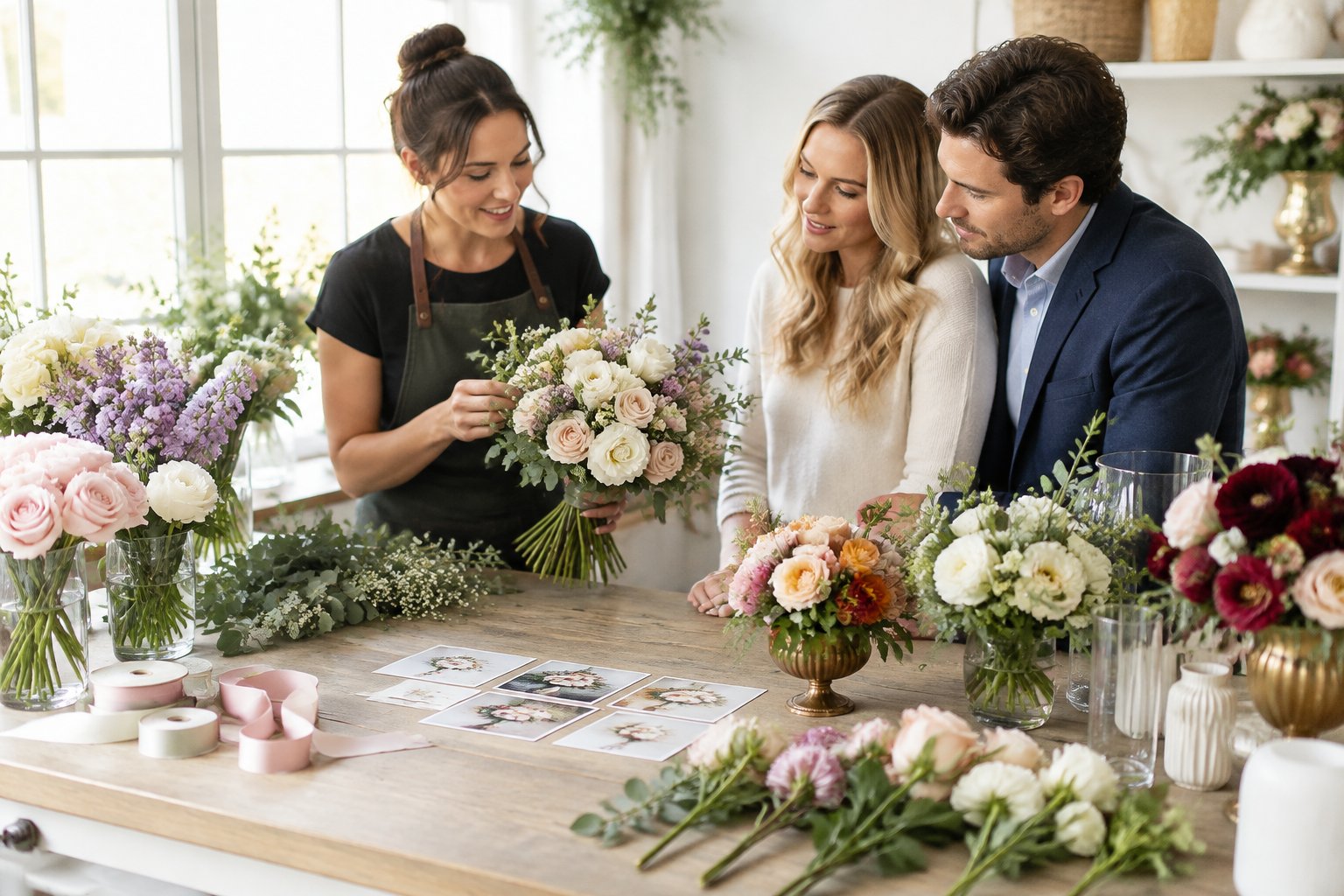
The same color palette can be created with flowers at different price points. Your date and venue also affect what can be sourced and how much time the team needs for setup.
How Do Flower Choice and Season Affect Pricing?
In-season flowers give your florist more sourcing flexibility and can help keep costs down. Rare or out-of-season blooms may cost more because they can be harder to find or require shipping from farther away.
Share the colors and mood you want, then ask which flowers are available for your date. If you stay flexible on specific varieties, your florist can suggest seasonal options that suit your design.
How Do Guest Count, Design, and Labor Add to the Cost?
More guests often mean more tables, which increases the number of centerpieces and other reception arrangements. Large arches, suspended designs, and multiple styled areas also add materials and setup time.
Your quote may include flower preparation, design labor, delivery, venue setup, and breakdown. Ask whether those fees are included in the item prices or listed separately, especially if the venue has a short setup window or requires a crew to move arrangements between spaces.
How Can You Make Your Floral Budget Go Further?
You can stretch your floral budget by focusing on the arrangements guests notice most, choosing flexible seasonal flowers, and simplifying pieces that are less important to you. A clear spending limit helps your florist shape the plan from the start.
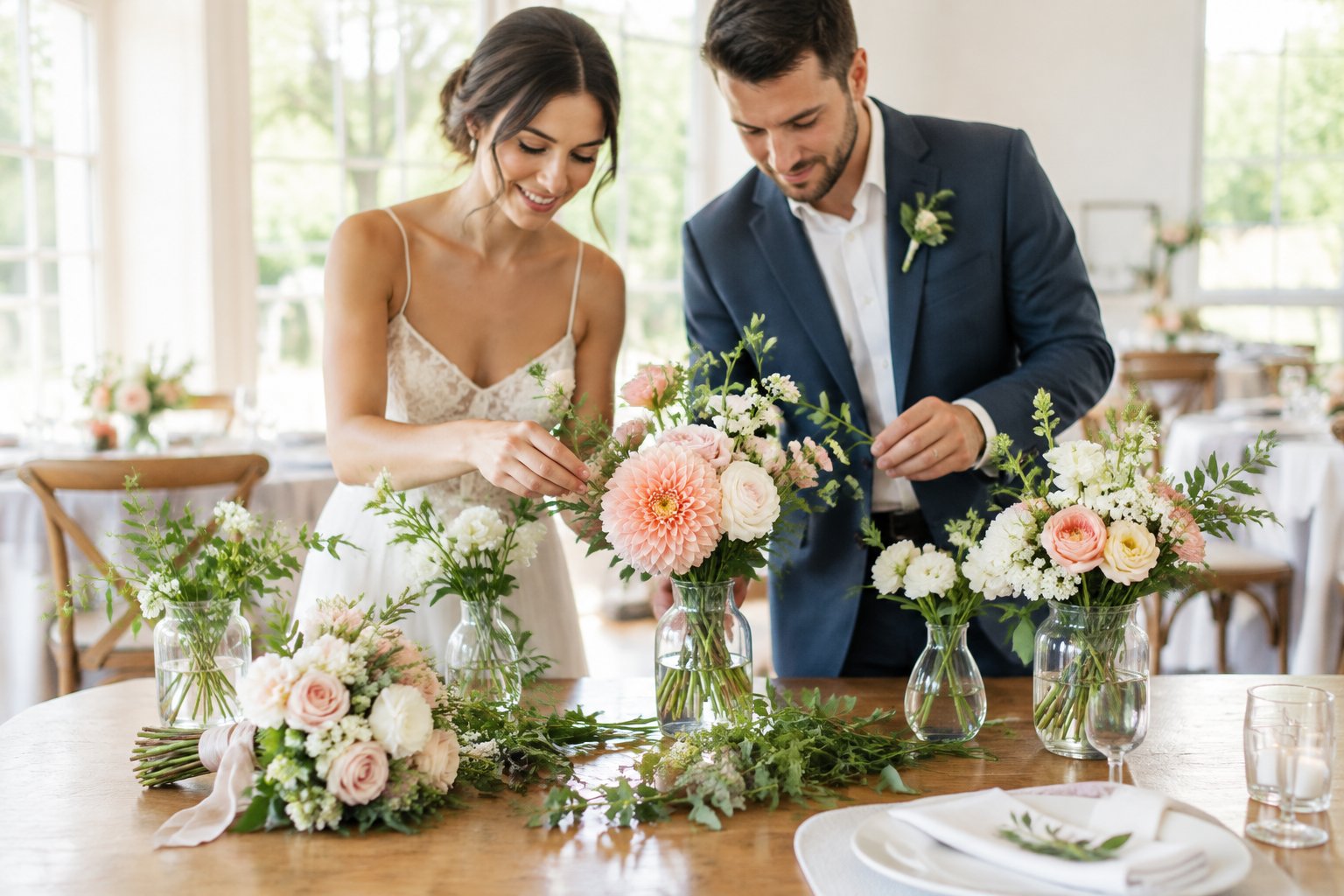
Small changes to flower types, table designs, and setup plans can affect the total without changing the feel of your wedding. Tell your florist where you want to invest and which details can be scaled back.
Which Choices Can Lower Your Flower Bill?
Choose seasonal blooms, limit premium flowers to a few focal arrangements, and use simpler designs for some tables. You can also reduce the number of personal flowers or skip pieces that hold little meaning for you.
Mixing statement centerpieces with smaller designs can bring variety to the room while controlling costs. Ask your florist to show how each adjustment changes the quote before you make a decision.
How Can You Repurpose Ceremony Flowers at the Reception?
You can repurpose ceremony flowers at the reception when the timing, venue layout, and arrangements allow it. Pedestal pieces may work beside a sweetheart table, while aisle flowers can add color to a bar or welcome area.
Ask your florist who will move the arrangements and whether the service adds labor or transport fees. Plan the new locations before the wedding day so the team can move each piece safely and place it where you want it.
What Should You Ask Before Hiring a Florist?
Before you hire a wedding florist, confirm what the quote includes, how the design will be handled, and who is responsible for delivery and setup. A written proposal and contract help you see the full cost and key logistics.
Ask about availability, minimum spend, flower substitutions, and the florist’s experience with your venue. You can prepare for the conversation with these tips on how to ask a florist for a price.
What Should a Floral Quote and Contract Include?
Your floral quote should list each arrangement, its price, and any delivery, setup, rental, or breakdown fees. The contract should also state payment dates, cancellation terms, and how substitutions are handled if a flower is unavailable.
Check whether the proposal names the quantities and sizes of arrangements. If you’re unsure what to bring to a consultation, use this guide to prepare for a wedding florist consultation.
How Can You Compare Florists and Their Services?
Compare florists using itemized proposals, portfolios of real weddings, and the services included in each quote. A lower price may cover fewer arrangements or less setup support, so check the details before choosing.
Ask each florist the same questions about your date, style, venue, and budget. Then compare their design approach and communication along with the total cost. These suggestions for choosing a wedding florist can help you focus your search.