
How Much Does It Cost to Be Ordained in the UK? A Simple Guide to Expecting Expenses
Becoming ordained in the UK can be an exciting journey, whether you want to officiate weddings or lead ceremonies. The costs associated with getting ordained can vary. Generally, you can expect to pay around £35 to £56 for the necessary legal notices and ceremonies. Understanding these costs helps you plan and ensures everything goes smoothly.
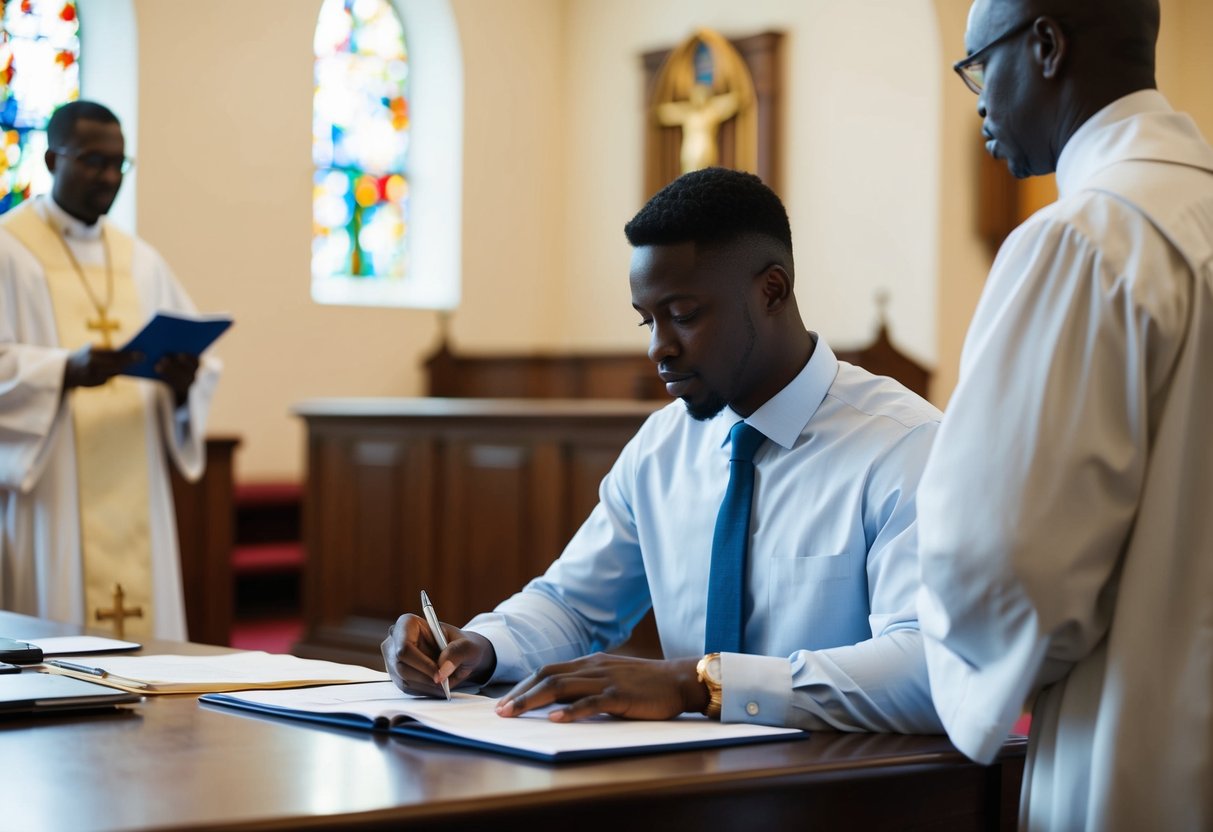
Many people choose to get ordained online, which can be a simpler and more affordable option. However, only ordained ministers from recognized churches or registered officiants can perform legally binding weddings in the UK. This means that if you desire to conduct a wedding, researching the specific requirements is key.
As you delve deeper into the process of becoming ordained, knowing the financial aspects can ease your mind. From fees for the notice of marriage to the cost of the marriage certificate, having a clear picture gives you the confidence to move forward with your plans.
Understanding Ordination in the UK
Ordination in the UK can vary based on your goals and the type of religious institution you’re interested in. You’ll find different paths, legal requirements, and the importance of obtaining an ordination certificate depending on your needs.
Types of Ordination
There are several types of ordination in the UK. The most common are denominational ordinations and online ordinations.
Denominational ordination often involves a religious institution like the Church of England. This process can include serious studies and interviews, preparing you for a life of service.
On the other hand, online ordination allows you to become an ordained minister quickly and often for free. This type might be popular for those wanting to officiate weddings for friends or family, but it doesn’t carry the same legal weight.
Legal Requirements
When it comes to officiating a marriage, the legal requirements are crucial. In the UK, only certain individuals can legally conduct weddings. This typically includes priests, registrars, and individuals ordained by recognized religious institutions.
If you want to perform legal marriages, consider becoming an ordained minister through a recognized body. Make sure your ordination aligns with the church’s policies, especially if you’re part of a denomination like the Church of England.
Remember, while you can get ordained online, you may still need to register as a marriage officiant with your local council.
Ordination Certificate
An ordination certificate proves your status as an ordained minister. This document is important for those who want to officiate weddings or perform other religious ceremonies.
When you complete your ordination, you’ll receive a certificate. If you go through a denominational route, the church typically provides it after fulfilling their requirements.
For online ordinations, websites will send you a certificate via email or mail. Keep in mind that some couples may prefer an officiant with a certificate from a traditional church, so it can impact your ability to officiate weddings.
Paths to Becoming Ordained
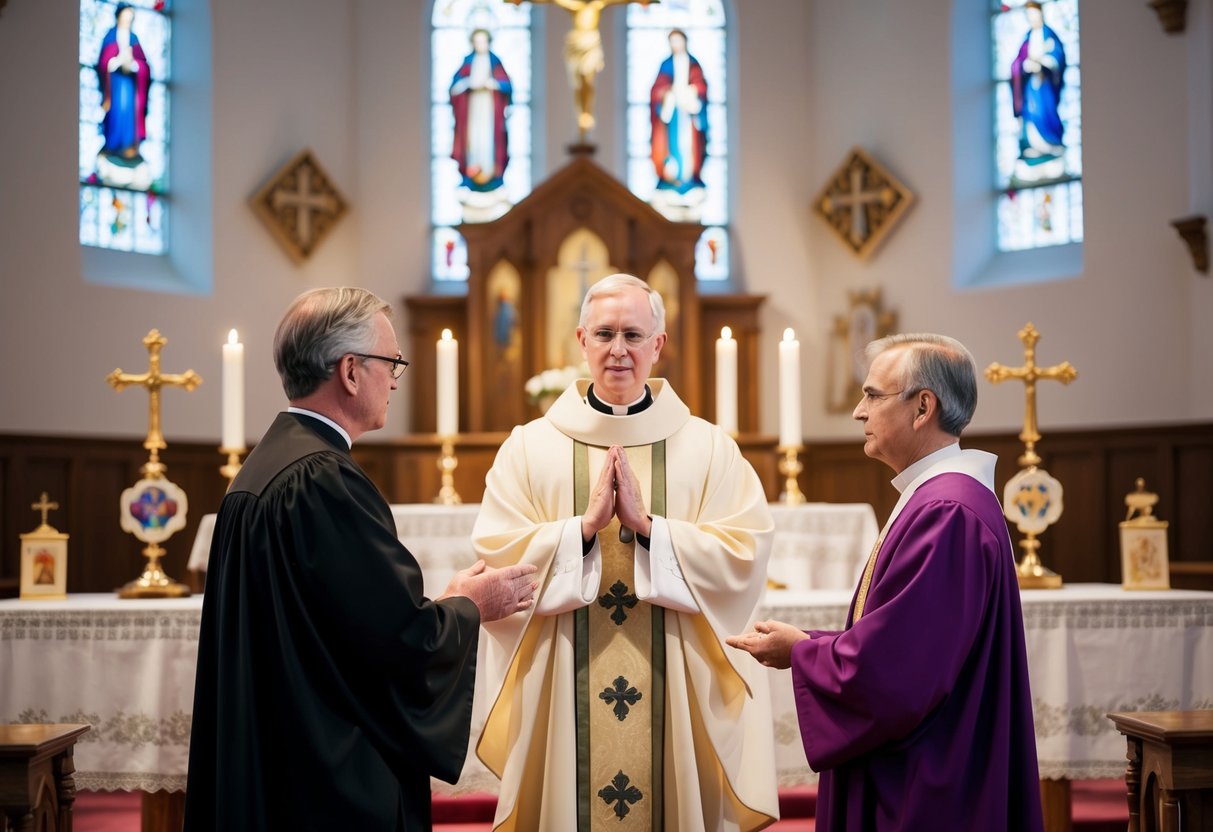
Becoming ordained can take different paths, each with unique steps and requirements. You can choose between traditional religious methods and more modern online options, depending on your goals.
Traditional Religious Institutions
If you decide to pursue ordination through a traditional religious institution, you may need to join a church or denomination. This path often involves extensive training and education.
For instance, many churches require you to complete theological studies at an accredited institution. You might also need to participate in practical ministry experiences.
Once these requirements are fulfilled, a church body or council generally votes to approve your ordination. This process can take months or even years but often leads to respected positions within the community.
Online Ordination Services
Online ordination is a faster and more accessible option. Organizations like the Universal Life Church and Open Ministry allow you to become ordained with just a few clicks.
Typically, you fill out an application and pay a small fee. Many people find this route appealing because it’s convenient and affordable.
However, in the UK, weddings officiated by online-ordained ministers are not legally binding unless you meet specific requirements. Always check local laws to ensure compliance.
Denominational vs. Non-Denominational
When choosing your path, consider whether you want to be ordained through a denominational or non-denominational organization.
Denominational ordination typically requires adherence to specific doctrines and involves rigorous training. Here, you align closely with the beliefs of that denomination.
In contrast, non-denominational paths allow greater freedom in beliefs and practices. This can include services from groups like Universal Ministries.
Non-denominational options often focus on inclusivity and personal spiritual journeys, making them appealing for diverse communities. Consider what aligns best with your vision for ministry.
Costs and Additional Fees

Becoming ordained involves various costs that can vary based on the organization and services you choose. Knowing these costs helps you plan your path effectively.
Basic Ordination Costs
The basic costs of becoming ordained can range significantly. Many churches and organizations offer ordination packages that start around £50 and can go up to £500 or more. These packages often include legal documentation required for your ordination.
Some independent organizations may charge higher fees. You might encounter costs ranging from £1,000 to £10,000, depending on the services provided. This can include additional materials or training necessary for your ministry.
Make sure to research different options and understand what’s included in each package.
Additional Costs of Officiating
If you plan to officiate weddings or other ceremonies, there are additional costs. These may include legal documentation fees, which can vary by location and type of ceremony. Some areas require you to have a background check before you can officiate.
You might also need to obtain licenses specific to wedding officiating, which can add to your expenses. Fees for these licenses can range from £30 to £200. Always check local regulations for any specific requirements.
Continuing Education and Certification
After becoming ordained, consider ongoing education and certification. Many organizations offer courses to help you expand your skills and knowledge. Costs for these courses can vary widely.
You may pay around £100 to £500 for a certification course. These courses can enhance your ability to serve your community and increase your credibility as an officiant.
Budgeting for these ongoing costs ensures you stay updated and effective in your role.
Performing Weddings and Legal Considerations

When you choose to officiate weddings, understanding the legal aspects is essential. This includes knowing your role, how marriages become legally binding, and the necessary documentation required.
Wedding Officiant Role
As a wedding officiant, your main job is to lead the wedding ceremony. You will guide the couple through their vows and help make their special day memorable.
Before performing a wedding, it’s important to be ordained. This means you should have the official title that allows you to conduct ceremonies. Many organizations offer ordination online.
You’ll also need to establish a good rapport with the couple. Discuss their preferences for the ceremony and any personal touches they wish to include. This helps create a custom experience.
Legal Binding of Marriages
For a marriage to be legally binding, certain requirements must be met. In the UK, the couple must give notice at their local registry office. This informs the authorities of their intention to marry.
The couple will need a marriage license before the wedding ceremony. This document is crucial for the marriage to be recognized by law. Your role as an officiant involves ensuring that these legal prerequisites are fulfilled.
After the ceremony, you’ll need to sign the marriage register alongside the couple and witnesses. This step is essential for the marriage certificate. A legally binding marriage relies on following these steps carefully.
Registry Office and Marriage Documentation
Understanding the documentation is a key component of officiating a wedding. Couples must visit their local registry office to obtain the marriage license. This often requires them to give notice at least 28 days before the ceremony.
You’ll also need to provide proper documentation during the ceremony. This includes filling out the marriage register accurately. Ensure that all information is correct.
Following the ceremony, the couple will receive a marriage certificate. This document serves as official proof of their marriage. Always remind the couple to keep this document safe.
Understanding these legal aspects helps you become a successful wedding officiant. You ensure the ceremony is not just beautiful but also legally recognized.