
How Much Is a Real Life Wedding Budget? A Friendly Guide to Wedding Costs
Planning your big day can be both exciting and overwhelming, especially when it comes to budgeting. Knowing how much a wedding typically costs can help you make better decisions and avoid any nasty surprises. In the U.S., the average wedding budget is around $22,500, but costs can vary greatly based on location and personal choices.

It’s important to understand what goes into that number. Factors like venue rental, catering, and entertainment are just the tip of the iceberg. As you begin your wedding planning journey, having a clear idea of your budget will help you prioritize what matters most to you and your partner, making the process smoother and more enjoyable.
By the end of this article, you’ll have a solid grasp on how to create a realistic wedding budget that fits your needs. Whether you’re aiming for an elegant affair or a simple gathering, understanding average wedding costs can guide you to make informed choices that reflect your style.
Understanding Wedding Budget Basics
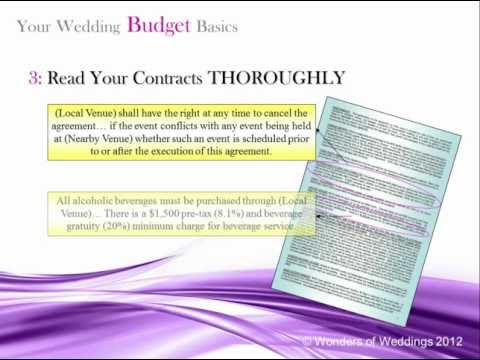
When planning your wedding, grasping the essentials of your budget is crucial. Knowing the different components, how to set a budget, and average costs can help guide your spending decisions effectively.
Components of a Wedding Budget
Your wedding budget includes numerous components. These can vary widely based on your preferences. Common categories are:
- Venue: This is usually the largest expense. Costs will depend on the location and size.
- Catering: Food and drinks vary greatly in price, depending on the menu and guest count.
- Attire: Consider expenses for your dress, suit, and accessories.
- Photography/Videography: Capture the day, but remember this can be a significant cost.
- Entertainment: Bands, DJs, or other forms of entertainment should also be considered.
To create a wedding budget breakdown, list all these components. A wedding budget checklist can help ensure you don’t overlook anything important.
Setting Your Wedding Budget
Start by determining how much you can afford to spend. This means assessing your finances and factoring in contributions from family. Discussing expectations with your partner is essential too.
Consider using a wedding budget calculator to get an estimate of costs based on your guest count and choices. Once you have a total budget, allocate specific amounts to each category. Use percentages to guide your spending. For example, you might allocate 40% of your budget to the venue and catering combined, 15% to attire, and 10% to entertainment.
Average Wedding Costs
Understanding average wedding costs can guide your budget planning. On average, couples spend around $22,500 on their weddings. However, this can vary significantly based on location and personal choices.
Here’s a rough breakdown of average spending in different areas:
| Category | Percentage of Total Budget |
|---|---|
| Venue | 30% |
| Catering | 25% |
| Photography | 10% |
| Attire | 10% |
| Entertainment | 10% |
| Other expenses | 5% |
These percentages are just guidelines. Adjust them according to your priorities. Keeping these average costs in mind helps in choosing what’s most important for your special day.
Major Wedding Expenses

Planning your wedding budget means knowing what the major expenses are. This section covers the key costs you’ll encounter, so you can allocate your funds wisely and make informed choices.
Venue and Rentals
The venue often takes up the biggest chunk of your budget, usually around 30-50%. Depending on the location and day of the week, venue costs can vary widely. A popular wedding venue might charge between $5,000 and $15,000 or more.
Don’t forget rental fees for tables, chairs, and décor. Rental costs can add an extra $1,500 to $5,000. It’s wise to consider off-peak dates for potential savings. Check if the package includes any essentials like lighting or sound equipment to help you budget better.
Catering and Cakes
Catering is another significant expense, typically costing $70 to $200 per guest. This price includes the meal, beverages, and sometimes even staff. You may have options for buffet-style meals, plated dinners, or family-style serving, each with different price points.
Wedding cakes can also add to your budget. Expect to spend between $300 and $1,000, depending on size and design. Be mindful of cake slicing fees, which some venues may charge. It’s beneficial to taste cupcakes or smaller desserts as an alternative to a traditional wedding cake.
Photography and Videography
Capturing your special day is crucial, making photography and videography essential expenses. Professional photographers usually charge between $1,500 and $3,500. Packages often include engagement sessions, albums, and online galleries.
Videography can cost anywhere from $1,200 to $3,000. You might also look into hiring a drone operator for unique aerial shots. Consider what you value most so you can find the right professional who fits your style and budget.
Attire and Rings
Your wedding attire and rings can also add up quickly. A wedding dress can range from $1,000 to $3,000 or more. You may also want to factor in alterations, which can add a few hundred dollars.
Don’t forget about shoes, accessories, and the groom’s attire. Wedding rings usually cost $1,000 to $5,000 depending on the metal and stones. Shopping sales or looking for custom pieces can help you save while still achieving the look you desire.
Music and Entertainment
Entertainment sets the mood for your wedding. Hiring a DJ typically costs about $1,000 to $2,500, while a live band can range from $2,500 to $7,500.
You might also want to allocate funds for ceremony music, like a string quartet or soloist, which can cost between $300 and $1,500. Think about your guests’ experience, as great entertainment can make your wedding a memorable event. Be sure to ask about packages that include lighting or other extras to enhance the atmosphere.
Personalizing Your Wedding
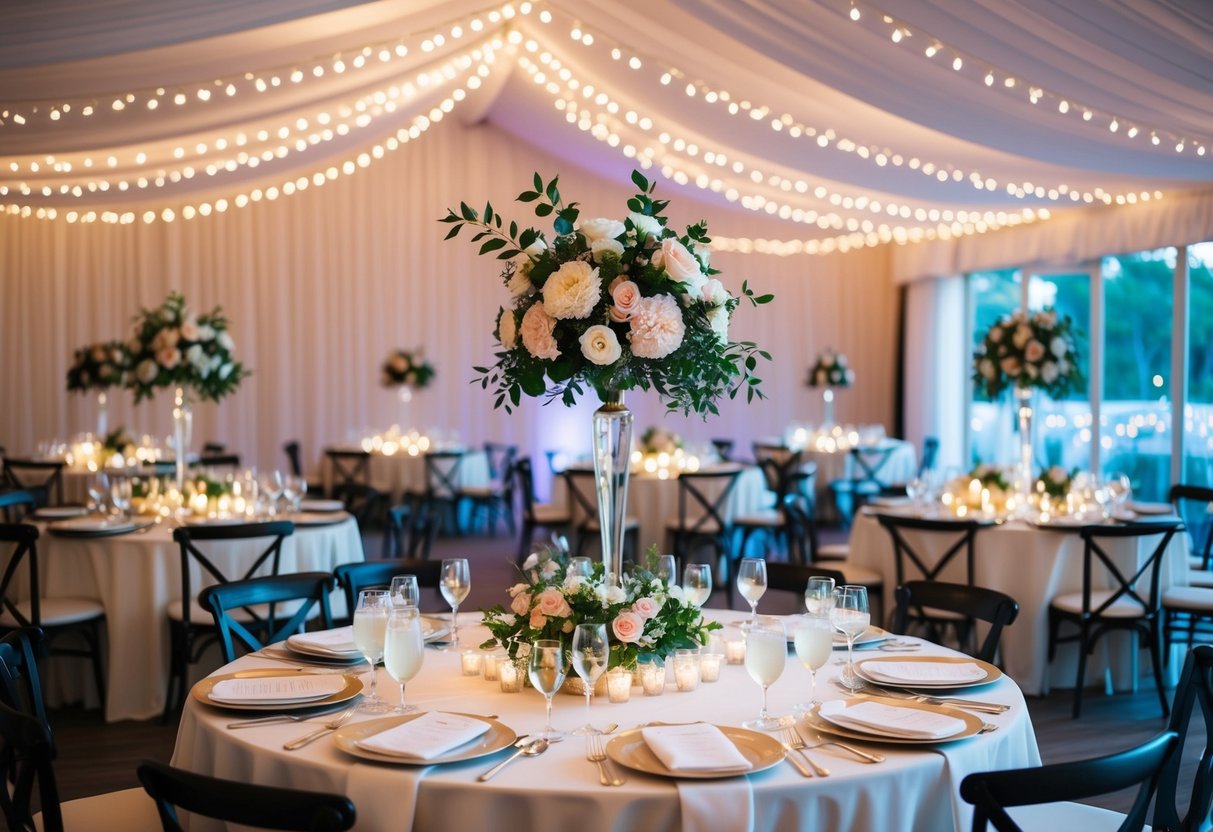
Making your wedding unique is all about customizing the elements that reflect your style and personality. From invitations to floral arrangements, each detail can showcase what matters most to you.
Invitations and Stationery
Your wedding invitations set the tone for your big day. Choose designs that capture your theme and personality. You might explore options like floral patterns or modern typography.
Don’t forget to include details such as the date, venue, and dress code. Consider using high-quality paper for a luxurious feel. Personal touches, like a handwritten note, can make your invitations even more special.
For save-the-date cards, be creative. Use photos from your engagement shoot. This adds a personal touch and gets guests excited about your wedding. For all your stationery needs, think about matching elements for cohesion.
Floral Arrangements and Decor
Flowers are a key part of wedding decor. They can brighten up your venue and reflect your color palette. Decide on your favorite blooms and budget for their arrangement.
Consider flowers like peonies, roses, or sunflowers, depending on the season. Think about using them in bouquets, centerpieces, and even your wedding cake.
Incorporate other decor elements such as candles or fairy lights to create a warm atmosphere. It’s important to keep your venue’s style in mind when selecting decor. Aim for elegance and personal flair in every detail.
Wedding Favors and Extras
Wedding favors are a sweet way to thank your guests for joining your celebration. Simple ideas include personalized treats or mini succulents. Choose items that resonate with you and tie into your wedding theme.
Think about DIY options to add a personal touch. You might create custom labels for candies or design your own thank-you notes. These extras can make a memorable impression without breaking the bank.
Also, consider planning special moments throughout the event, like a unique cake cutting or a sparkler send-off. These personal touches will not only enhance your day but also create lasting memories for you and your guests.
Staying on Budget

Keeping your wedding within budget requires careful planning and a bit of creativity. By tracking expenses and being smart with your choices, you can have a beautiful wedding without overspending. Here are key strategies to help you manage your funds while still enjoying your special day.
Tracking Wedding Expenses
Start by listing all your expected costs, including venue, officiant, attire, and transportation. A wedding budget planner can help you keep everything organized. Use spreadsheets or budgeting apps to record expenses as you go.
Create categories like venue costs, guest count, and gifts. This way, you can see where your money is going. Regularly update this list to stay on track. If you find you’re overspending in one area, adjust your budget in others. This approach ensures you remain aware of your overall spending while planning.
Cutting Costs Without Cutting Corners
You can save money without sacrificing quality. Consider off-peak seasons for your wedding; this can dramatically lower venue costs. Look for budget-friendly venues, such as local parks or community centers, which often have lower rental fees.
For couples’ attire, consider purchasing a dress or suit second-hand, or even renting. Another great way to cut costs is by reducing your guest count. Invite only the people who matter most to you. This not only cuts expenses on food and venue but also creates a more intimate atmosphere.
Allocating Funds for Unforeseen Expenses
Even the best planners can encounter surprises, so you should set aside 10-15% of your budget for unexpected costs. Small things can add up quickly, like travel costs for your wedding party or additional decorations.
Discuss potential surprises with your wedding planner. They often have experience with common issues that arise. Keep in mind that flexibility is key.
If something goes over budget, you can use this reserve to cover it, ensuring your big day continues without unnecessary stress.