
How Much Should a Wedding Videographer Cost? Price Guide
If you’re asking how much should a wedding videographer cost, plan on about $2,000 to $4,500 for professional coverage in the U.S., with $2,300 as a useful national benchmark. A shorter package can cost less, while extended coverage, extra crew, and custom editing can push the quote higher.
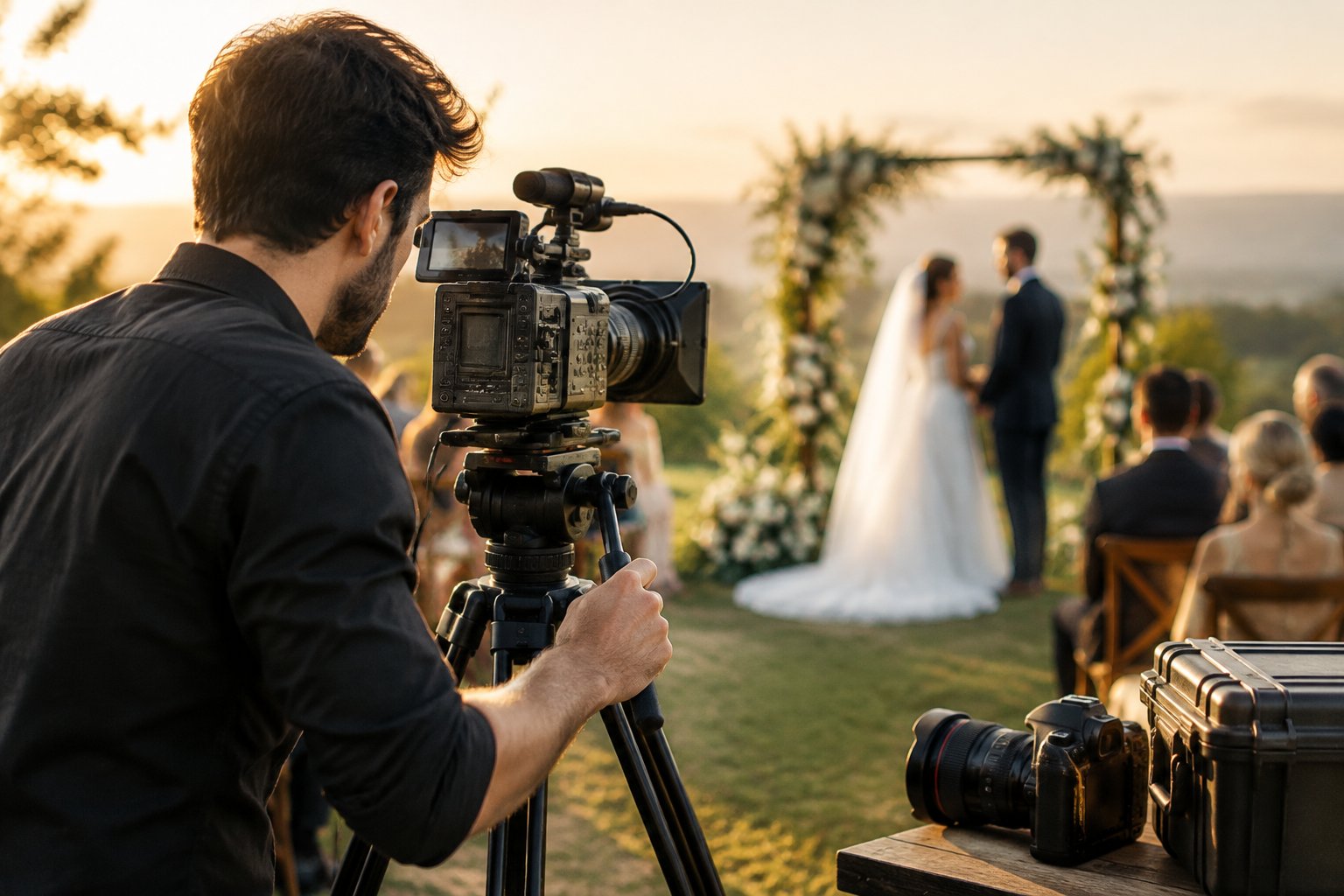
Your final price depends on what you want captured and what you receive after the wedding. Set a comfortable limit in your wedding budget, then ask a few videographers for quotes with the same coverage and deliverables so you can compare them fairly.
What Should Couples Use as a Realistic Price Benchmark?
For a professional U.S. wedding videographer, a practical planning range is about $2,000 to $4,500, with the national average near $2,300. Your quote can fall below or above that range based on coverage, location, and package details.

Use national figures as a starting point, then adjust for your local market and the kind of film you want. Averages describe past spending; your own quote reflects the date, crew, hours, and finished video you choose.
What Is the Average Cost of a Wedding Videographer?
The Knot Real Weddings Study puts the average cost of a wedding videographer at about $2,300. Many couples use that figure as a first estimate, while professional packages commonly range from roughly $1,500 to $5,000.
A lower quote may cover only the ceremony or a few hours of filming. A mid-range package often includes several hours of coverage and a highlight film. Premium work can include a larger crew, more extensive editing, or longer finished videos.
Treat the average wedding videographer cost as a guide, not a required spend. If you are still setting a total spending limit, build a realistic wedding budget before requesting quotes.
Why Do National Cost Estimates Differ?
National estimates differ because surveys count different couples, packages, and price points. One average may include short ceremony coverage, while another may reflect more complete wedding videography costs with longer hours and extra deliverables.
An average also shifts when higher-priced urban markets or luxury packages make up a larger share of the results. The Knot figure gives you a useful reference point, while quotes from local vendors show what your date and location are likely to cost.
How Does Spending Vary by Region and Budget?
Videography prices tend to run higher in major cities and popular destination markets, where demand and operating costs are higher. Smaller towns and rural areas may have lower starting rates, though travel fees can change the total.
Your wedding budget and priorities shape the amount you set aside. If video ranks high on your list, you can shift funds from another category; planning how to allocate your wedding budget can help you make those choices. Compare local quotes with the same hours and deliverables before deciding that one region’s advertised average fits your plans.
What Drives a Videography Quote Up or Down?
Wedding videographer pricing reflects more than the time a camera is rolling: coverage length, crew size, travel, and editing all contribute to the fee. Your quote should spell out what each part includes.
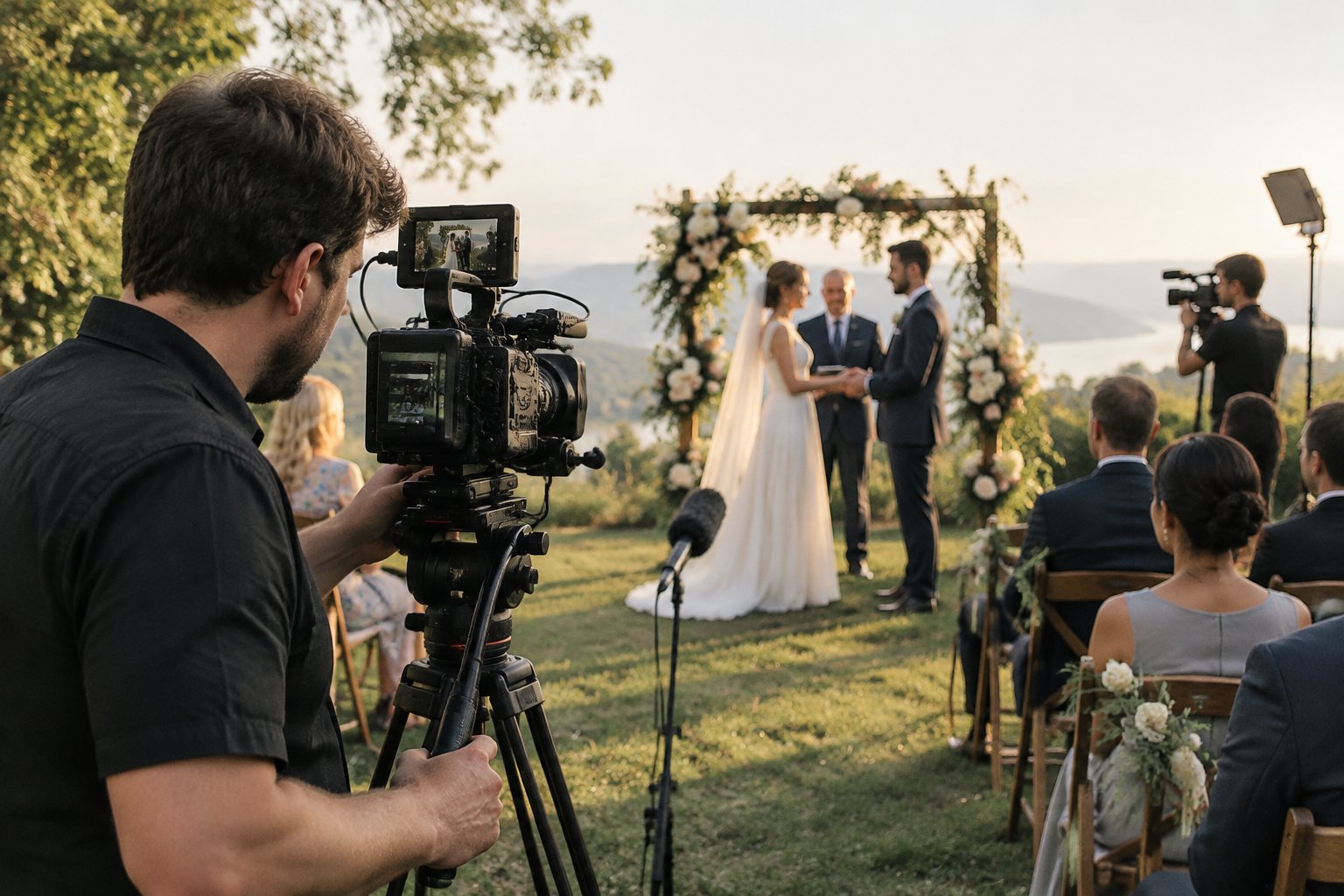
A package price covers work before, during, and after the wedding. Check the hours, staffing, travel terms, and editing details so you can tell which quote provides the coverage you want.
How Do Coverage Hours Affect the Price?
More coverage hours require more time on site and can also add footage for the editor to review. A package that captures the ceremony and portraits costs less than full-day coverage from getting ready through the reception.
Check when coverage starts and ends. If your timeline includes a long gap or a late reception, ask whether the videographer can adjust the schedule and what extra hours cost. An overtime rate can make a short package more expensive if your celebration runs late.
Does a Second Shooter Make a Difference?
A second shooter adds another camera angle and gives you broader coverage of key moments. During the ceremony, one operator can focus on you while the other records your partner or the guests.
The extra operator adds to the quote, so weigh the added perspective against your budget and guest count. A single videographer may suit a smaller, simpler event; a large venue or split locations can make a second shooter useful. If you are unsure about crew needs, learn how many cameras a wedding video may need.
How Do Location, Travel, and Editing Affect the Quote?
A videographer based near your venue may have lower travel costs than one coming from another city. Ask whether mileage, lodging, or travel time appears as a separate fee, and confirm that the venue allows the planned camera setup.
Editing also takes time after the wedding. Color correction, audio cleanup, music licensing, and shaping the footage into a finished story all affect the price. Drone footage may add another fee, and its availability depends on venue rules, weather, and local flight restrictions.
What Is a Wedding Videographer Cost per Hour?
A package divided by its filming hours gives you a rough cost per coverage hour, but it does not show the full value of the service. For example, a $2,400 package with eight hours of coverage works out to $300 per filming hour; that fee also pays for planning, equipment, editing, and delivery.
Ask for the package total and the cost of extra coverage hours. This gives you a clearer basis for comparison than an hourly figure alone.
What Do Wedding Video Packages Usually Include?
Wedding video packages commonly combine a set number of filming hours with edited deliverables, such as a highlight film or ceremony recording. You can compare packages by checking the final video lengths, audio coverage, and delivery terms.
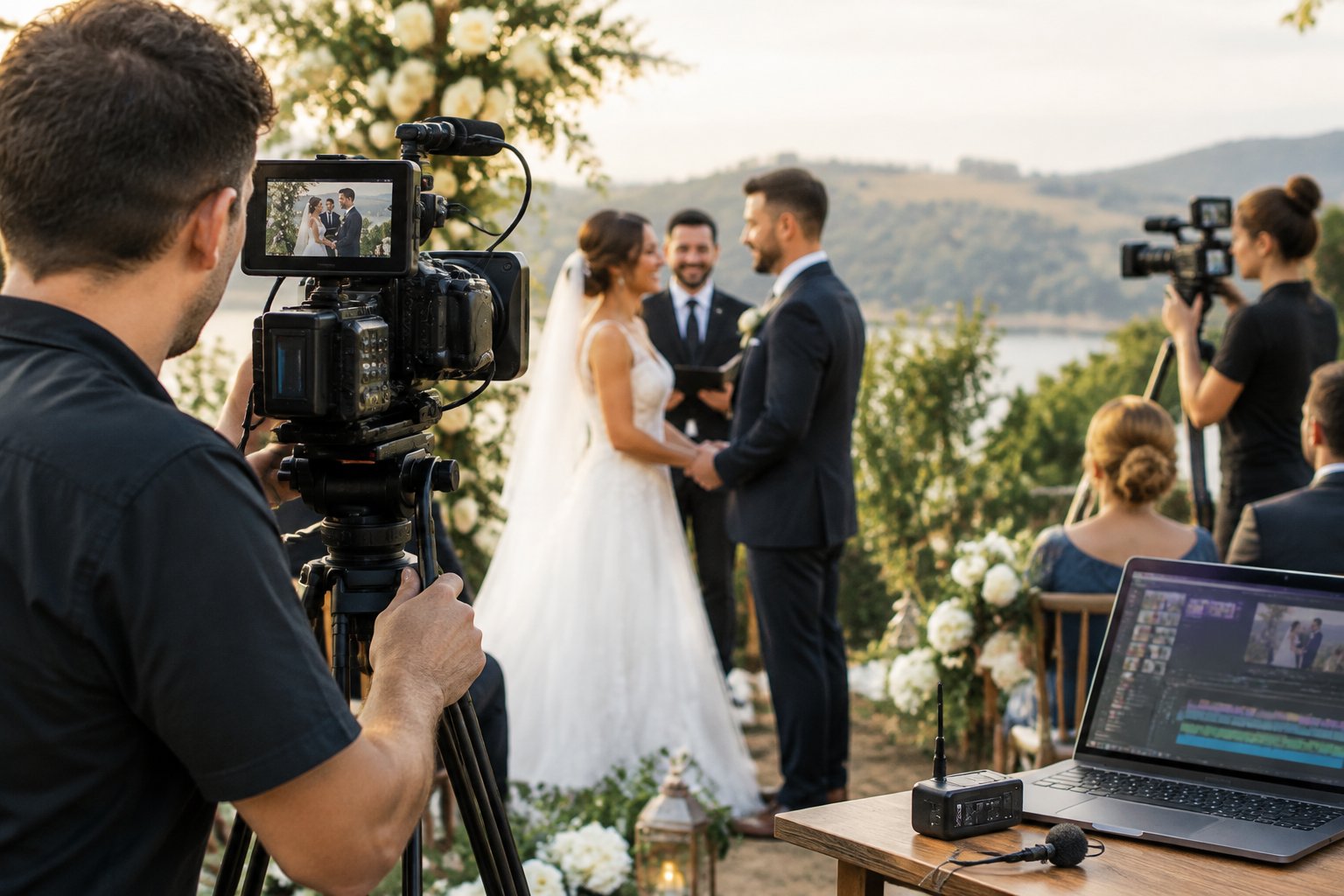
The word “package” can mean different things from one vendor to another. Look for a written list of included films, editing, music, and any optional add-ons.
What Is the Difference Between a Highlight Film and a Full Ceremony Edit?
A highlight film is a short, edited story built from selected moments across the day. It may include the ceremony, speeches, portraits, and reception set to licensed music.
A full ceremony edit records the ceremony in sequence, preserving the vows and spoken parts at greater length. Some vendors also offer full edits of speeches or the reception. If hearing the complete vows matters to you, confirm that the package includes a full ceremony edit with clear audio.
Which Deliverables and Extras Are Worth Considering?
Choose deliverables based on what you want to watch and share after the wedding. Common options include a short social video, a longer feature film, a full ceremony recording, and raw footage.
Drone footage can add aerial views of the venue when conditions and local rules allow it. Same-day edits and expedited delivery add production work, so ask about their price and timing before adding them. Also confirm whether the music is licensed for sharing online and whether the vendor offers revisions.
How Can Couples Compare Wedding Videography Packages?
Compare wedding videography packages by lining up the same details for each quote. Check:
- Hours of coverage and the start and end times
- Number of videographers
- Highlight film length and any full-length edits
- Audio recording for vows and speeches
- Travel costs, overtime fees, and optional extras
- Delivery timeline and revision terms
A package with a lower starting price may include fewer hours or fewer finished films. Compare the written deliverables, then decide which package fits your wedding day and your priorities for wedding photography.
How Can You Fit Videography Into Your Wedding Budget?
You can fit videography into your wedding budget by choosing the moments you most want preserved and building a package around those priorities. Shorter coverage and fewer add-ons can lower the wedding video cost without removing every form of video coverage.

Start with a firm spending limit, then ask vendors to price the same coverage plan. If you are planning a set-cost celebration, a $15,000 wedding budget plan can help you balance video with other major expenses.
Which Coverage Priorities Can Help Reduce Costs?
Focus coverage on the parts of the day you most want to revisit, such as your vows, first look, and speeches. A shorter booking that covers those moments can cost less than filming from preparations through the final dance.
You can also select one finished film and add other edits only if they fit your budget. Ask whether a ceremony-only option is available, and check its audio setup so the vows come through clearly.
When Can Bundling or Off-Season Booking Save Money?
Some vendors offer combined photo and video packages, which may reduce the total cost compared with booking separate teams. Compare the combined package with individual quotes and confirm which professionals will attend.
A Friday or off-season date can give you more room to negotiate, since demand is often lower than for peak-season Saturdays. Ask about date-specific pricing and any limits on coverage or deliverables. If you are planning a smaller celebration, these budget-friendly small wedding ideas can help free up funds for the services you value.
What Should You Confirm Before Signing a Contract?
Read the contract closely and confirm the details that affect your cost and final films. Check that it states:
- The coverage hours, crew size, and overtime rate
- The exact films and other deliverables
- Travel charges and payment dates
- The delivery deadline and revision terms
- The plan for illness, equipment failure, or a replacement videographer
Ask who will film your wedding if you are booking through a studio. Keep the final package details in writing, including any changes agreed to after the quote.
Is Professional Wedding Video Worth the Investment?
Professional wedding video is worth the investment if you want to preserve voices, movement, and events that unfold beyond a still photograph. Your choice comes down to how much you value those details and whether the package fits your budget.
What Moments Can Video Preserve That Photos Cannot?
Video records spoken vows, laughter, music, speeches, and movement as they happened. Photos hold a single moment; a wedding video can preserve how the ceremony sounded and how people reacted.
If you already know why wedding photos matter to you, consider which memories you would also want to hear and see in motion. A ceremony recording can preserve the vows even when a full-day film is outside your budget.
How Does a Wedding Content Creator Compare With a Videographer?
A wedding content creator focuses on quick, shareable clips, while a professional videographer creates a polished wedding film with planned camera coverage and editing. The right service depends on whether you want fast social posts, a lasting film, or both.
| Feature | Wedding content creator | Professional videographer |
|---|---|---|
| Main output | Short social clips | Edited wedding film |
| Typical focus | Behind-the-scenes moments | Ceremony and major events |
| Delivery style | Quick phone-ready clips | Finished, edited video |
| Best fit | Social sharing | Long-term viewing |
Ask each provider what equipment, audio, and finished files the package includes. If you want both services, coordinate their roles and locations before the wedding day.
How Can You Judge a Videographer’s Work Before Booking?
Watch a full ceremony or longer film from one wedding, along with the highlight reels. A short reel shows the vendor’s style; a full edit lets you assess audio quality, steady coverage, and how the final story holds together.
Ask who will film your date and whether that person’s work appears in the sample films. Confirm backup plans, delivery timing, and music licensing in the contract before you pay a deposit.