
How Much Should Brides Parents Contribute to Wedding? A Guide to Modern Expectations
When planning a wedding, one of the biggest questions that comes up is about financial contributions from the bride’s parents. Typically, the bride’s parents might cover around 50% to 63% of the total wedding budget. However, this can vary based on family traditions, financial situations, and personal preferences. Open communication is key when discussing how much they feel comfortable contributing, as every family’s situation is different.
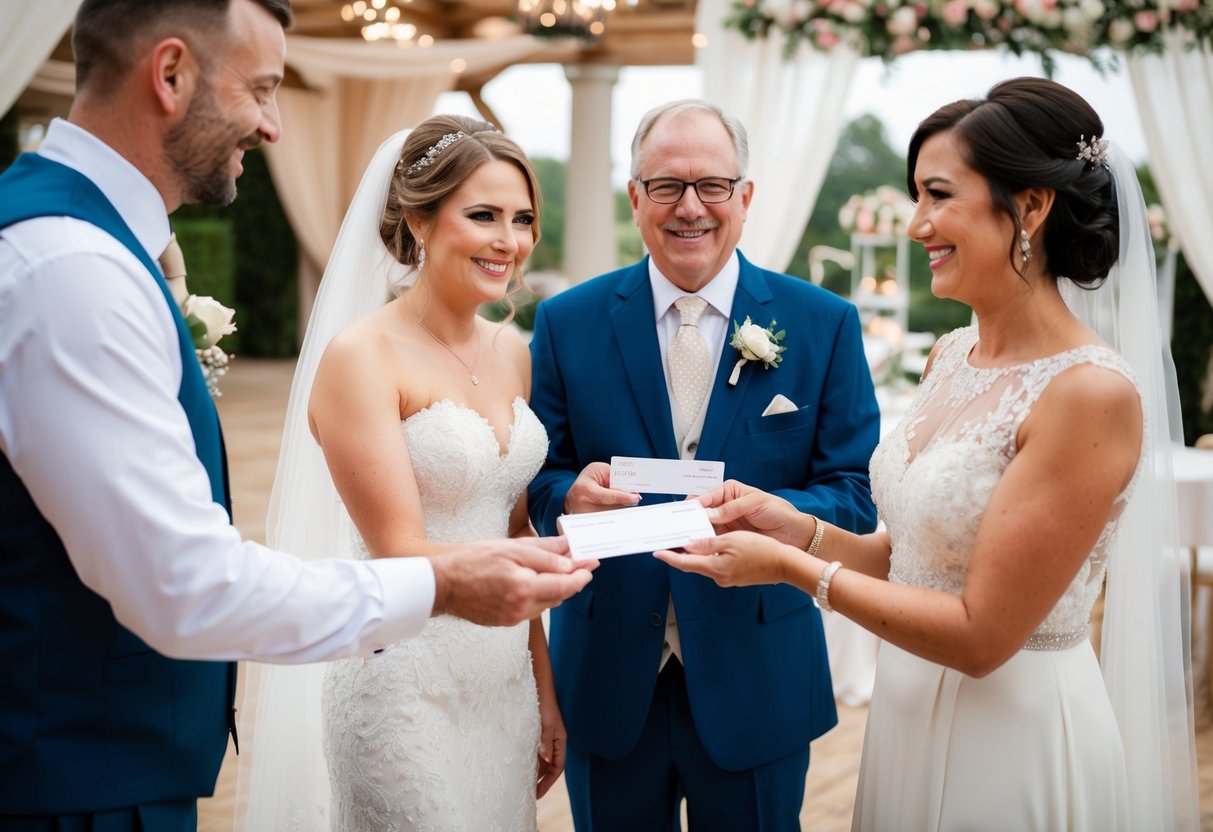
It’s important to talk with your parents early in the planning process. This way, you can set a realistic wedding budget that includes their contributions and aligns with joint account plans for wedding funds, if applicable. Understanding their financial capability and willingness to help can help reduce stress as you both navigate this exciting time.
By having these conversations, you can create a collaborative and enjoyable wedding planning experience. The goal is to celebrate love, and having clear financial expectations can help keep the focus on what truly matters.
Understanding the Traditional Costs
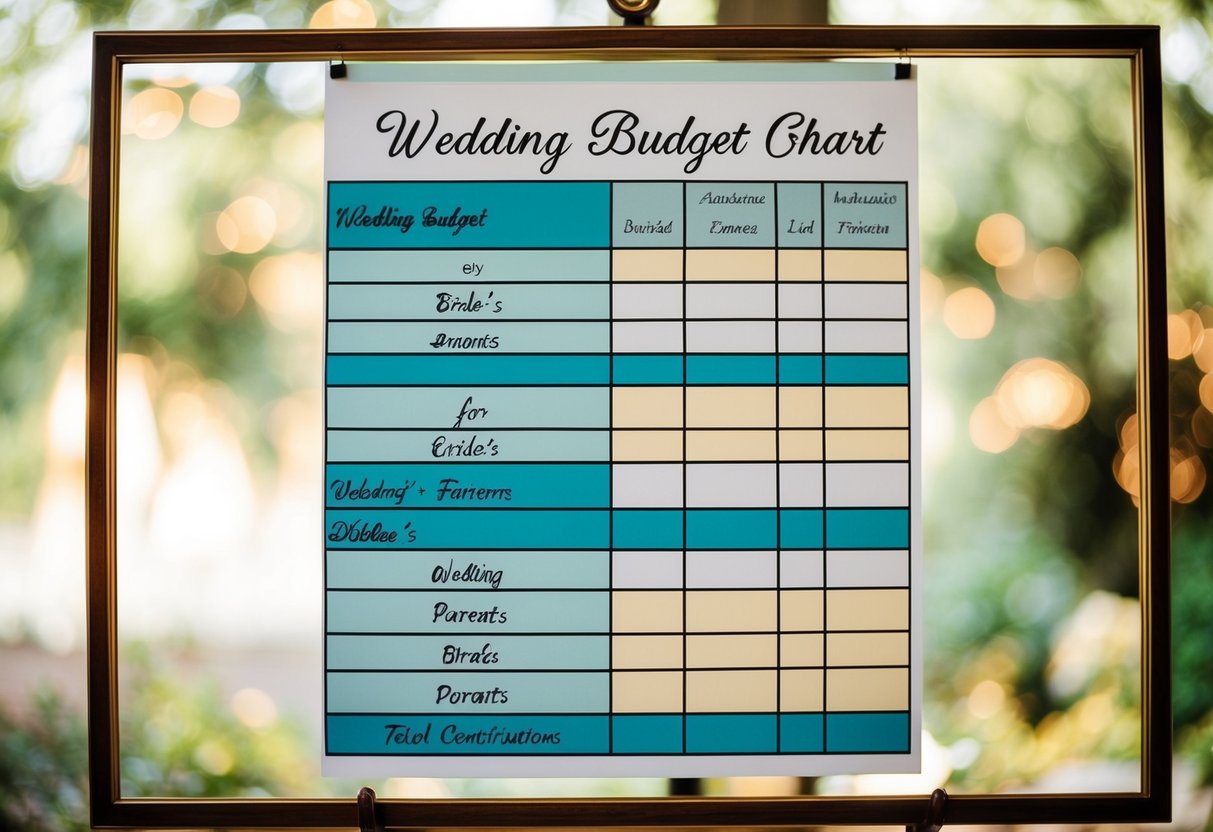
When planning a wedding, knowing who pays for what can help ease financial stress. The tradition usually has the bride’s family covering many of the significant expenses, but this can vary based on cultural and regional practices. Here’s a closer look at traditional costs and how they break down.
Breakdown of Wedding Expenses
In traditional weddings, several major costs typically fall on the bride’s family. These can include:
- Venue Rental: This is often one of the largest expenses, covering the ceremony and reception space.
- Catering: The bride’s family usually pays for food and drinks during the event, accounting for about 57% of couple priorities (according to The Knot).
- Decorations: Flowers, centerpieces, and overall decor often come from the bride’s budget.
- Wedding Attire: The bride’s dress and accessories generally are covered by her family.
Of course, costs can vary widely based on local customs and the couple’s preferences.
Wedding Traditions and Who Pays for What
Traditionally, wedding costs have specific expectations. The bride’s family is expected to cover most expenses. This practice stems from long-standing customs that view weddings as a family event celebrating the bride.
Some specific items traditionally covered by the bride’s family include:
- Wedding Rings: Purchase of the wedding bands is usually on the bride’s side.
- Bridal Party Gifts: This includes gifts for bridesmaids and other members of the wedding party.
- Ceremony Fees: Any fees paid to officiants also often belong to the bride’s side.
Conversely, the groom’s family usually takes care of certain costs such as the rehearsal dinner and amenities for guests.
Regional Variations in Wedding Practices
Cultural and regional differences can greatly influence who pays for wedding costs. In some cultures, the bride’s family covers most expenses, while in others, costs are shared more equally.
For example:
- In some Western cultures, it is common for couples to share expenses, with both families contributing.
- In South Asian weddings, the bride’s family often bears significant costs, including elaborate celebrations.
Understanding these variations can help you navigate your wedding planning effectively while honoring family traditions and meeting your financial responsibilities.
How to Discuss Wedding Contributions

Talking about finances for a wedding can feel tricky, but open communication is key. Setting clear goals and managing stress will help everyone involved.
Starting the Conversation About Finances
Begin by finding a comfortable setting where you can talk openly. Share your vision for the wedding and the budget you have in mind. Be honest about your financial situation, discussing what you can afford and what help you hope for.
Encourage your parents to share their thoughts too. Use phrases like, “I’d love to hear how you feel about helping with costs.” This invites them to engage without feeling pressured.
Listening is just as crucial as talking. Make sure everyone feels heard and respected to strengthen your relationship during these discussions.
Setting Realistic Budgeting Goals
Once the conversation is underway, focus on setting realistic budgeting goals. Consider creating a list of expenses that need to be covered. This might include:
- Venue
- Catering
- Photography
- Decorations
Ask your parents what they can comfortably contribute. It’s important to match their offerings with your needs.
Using a simple budgeting tool, like a spreadsheet, can help you see where adjustments are needed. Agreeing on priorities—like what is non-negotiable and what can be flexible—will make the process smoother.
Managing Financial Stress During Planning
Planning a wedding can bring financial stress. To ease this, keep communication open throughout the entire planning process. Whenever concerns arise, address them as a team.
Consider discussing smaller budgeting strategies, such as DIY projects or choosing off-peak dates for better rates.
Sharing the responsibility can also help lessen the burden. Assign tasks to family members involved with planning to help manage costs while keeping them engaged.
Allocation of Funds
When planning a wedding, understanding how to allocate funds can greatly ease the financial burden. Knowing which elements are most important to you and your family can lead to smarter spending and better decisions.
Prioritizing Key Wedding Elements
Start by identifying which expenditures matter most to you and your soon-to-be spouse. Is the wedding dress a top priority? Or perhaps you want a memorable catering experience?
Create a list of essential items and rank them. Some couples opt to allocate more funds to the wedding reception, making it a fun experience for guests. Consider having a smaller event if that means you can invest more in key aspects like floral arrangements or entertainment.
Catering and Reception Costs
Catering is often one of the largest expenses. You’ll want to decide between a buffet, plated meal, or family-style serving. Each option varies in cost, so choose what fits your budget while still offering great food for your guests.
Don’t forget about reception costs beyond catering. Venue rental, tables, chairs, and linens can add up quickly. Sometimes, combining functions for both the ceremony and reception can save on costs. Always ask about packages that may include these essentials.
Attire and Aesthetics
Attire is another significant part of your budget. The wedding dress usually takes center stage, but don’t overlook bridesmaid dresses and suits for the groomsmen.
Set a realistic budget that allows for alterations and accessories, like wedding rings.
Floral arrangements can enhance your wedding’s look and feel. Allocate funds wisely for centerpieces, bouquets, and other decorations to create a beautiful atmosphere.
Lastly, consider a stunning yet affordable wedding cake that complements your theme while staying within your limits.