
How Much Should You Spend on Flowers for Wedding? A Guide to Budgeting for Your Big Day
When planning your wedding, flowers can be a big part of your overall budget. Couples usually spend between $1,500 and $2,500 on wedding flowers. However, this can vary depending on factors like your location, flower choices, and the scale of your event. Knowing this can help you set a realistic floral budget that still captures the beauty you want for your special day.
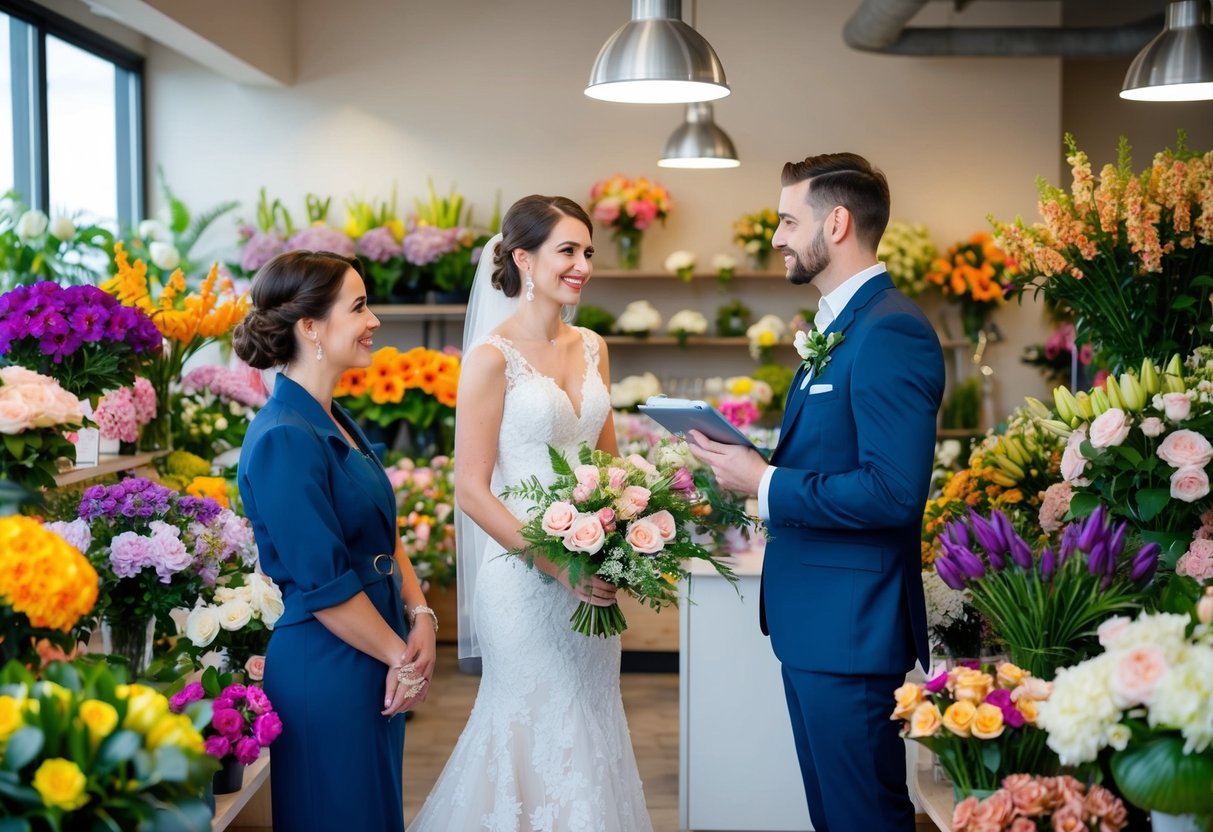
As you consider how much to spend, think about the different types of arrangements you might need, from the bridal bouquet to centerpieces. Be sure to prioritize what matters most to you, whether it’s stunning bouquets or elaborate decorations. This way, you can enjoy the wedding planning process without worrying about overspending on flowers.
You don’t have to break the bank to have beautiful wedding flowers. There are many creative ways to achieve the look you want while staying within your budget. Whether it’s choosing seasonal blooms or simplifying your floral designs, you’ll find that thoughtful choices can lead to stunning results.
Understanding the Cost of Wedding Flowers
When planning your wedding, it’s important to know what goes into the cost of flowers. Several components contribute to the expenses, and being aware of the average costs can help you budget effectively.
Components of Floral Expenses
Your floral expenses will mainly include the types of flowers you choose, arrangement styles, and any additional services. Here are some key components:
-
Flower Types: Seasonal flowers usually cost less than out-of-season options. Think about using blooms that are readily available.
-
Arrangements: The complexity of arrangements plays a big role. A simple bouquet costs less than a lavish centerpiece.
-
Labor Costs: This includes the florist’s design and setup time. Specialized or intricate designs often mean higher labor fees.
-
Delivery and Setup: Make sure to factor in costs for delivery and installation at your venue.
Understanding these components helps you see where your budget goes and where you might make adjustments.
Comparing Average Costs
On average, couples typically spend around $2,800 on flowers for their wedding. This amount can vary based on location and personal choices.
For example, a bridal bouquet might cost between $150 and $300, depending on the flower selection and design. Ceremony arrangements can also add to your total, with prices often ranging from $200 to $600 for large displays.
If you are working with a budget of $30,000 for your wedding, consider allocating roughly 8-10% of that for flowers. By prioritizing key pieces, you can keep costs manageable while still achieving a beautiful floral design.
Creating Your Floral Budget
Setting a solid floral budget is essential for your wedding planning. By knowing how to assess your needs and allocate your funds wisely, you can achieve the look you want without overspending.
Assessing Wedding Size and Style
Your wedding size and style greatly influence your floral budget. Begin by determining the number of guests you expect. Larger weddings often require more flowers.
Think about the type of ceremony and reception you envision. Elegant, formal weddings might demand more elaborate arrangements. Casual events may allow for simpler designs.
Creating a list of key floral needs, like bouquets, centerpieces, and ceremony decor, helps you prioritize spending. Remember, the scale of your wedding will directly affect your wedding flower budget. Ensure your choices match the overall style and feel of your special day.
Allocating Funds Across Categories
Once you have a clearer picture of your needs, it’s time to allocate your funds. A typical guideline is to spend 8-10% of your total wedding budget on flowers. For example, if your budget is $30,000, aim to invest around $2,400 to $3,000 in flowers.
Break down your investment across key categories. Consider allocating:
- Bridal bouquet: 15%
- Bridesmaids’ bouquets: 10%
- Ceremony flowers: 25%
- Reception centerpieces: 30%
- Additional decor: 20%
Adjust these percentages based on your priorities and the overall aesthetic you want to achieve. Discuss your preferences with your florist to see how they can help you create a beautiful wedding floral package that fits within your budget.
Choosing Flowers and Arrangements
Choosing the right flowers and arrangements for your wedding can make a big difference in the overall feel of your special day. It’s important to consider seasonal blooms, your wedding style, and smart choices that fit your budget.
Selecting Seasonal Blooms
Opting for seasonal flowers not only enhances the beauty of your arrangements but also helps manage costs. Flowers that are in-season are often more vibrant and plentiful.
For example, spring offers tulips and peonies, while summer showcases sunflowers and dahlias. Fall brings rich hues with mums and zinnias, and winter can feature elegant evergreens and amaryllis.
Research local flower markets to find what’s available. You might even consider DIY wedding flowers for a personal touch. Just be sure to plan ahead as some varieties may need pre-ordering.
Incorporating Style and Theme
Your floral choices should reflect your wedding’s style and theme. Whether it’s a rustic, elegant, or beach setting, think about how flowers fit into the overall design.
Consider using bouquets for bridesmaids, boutonnieres for groomsmen, and corsages for family members. These details add a cohesive and polished look.
Choose colors that complement your wedding palette. For a vibrant theme, go for bold flowers like roses and lilies, while soft pastels suit a romantic vibe. Let your flowers tell the story of your unique celebration.
Making Smart Floral Choices
When selecting flowers, consider durability, scent, and shape. Some flowers are more resilient than others, which is especially important for outdoor weddings.
Avoid flowers that wilt quickly or that might trigger allergies in guests. If your venue is hot, opt for sturdy blooms like orchids or kalanchoe.
Lastly, plan your budget wisely. Allow 8-10% of your total wedding budget for floral arrangements. Remember that DIY options can save money without sacrificing beauty. Use online tutorials to guide you through creating stunning arrangements.
Maximizing Floral Impact on a Budget
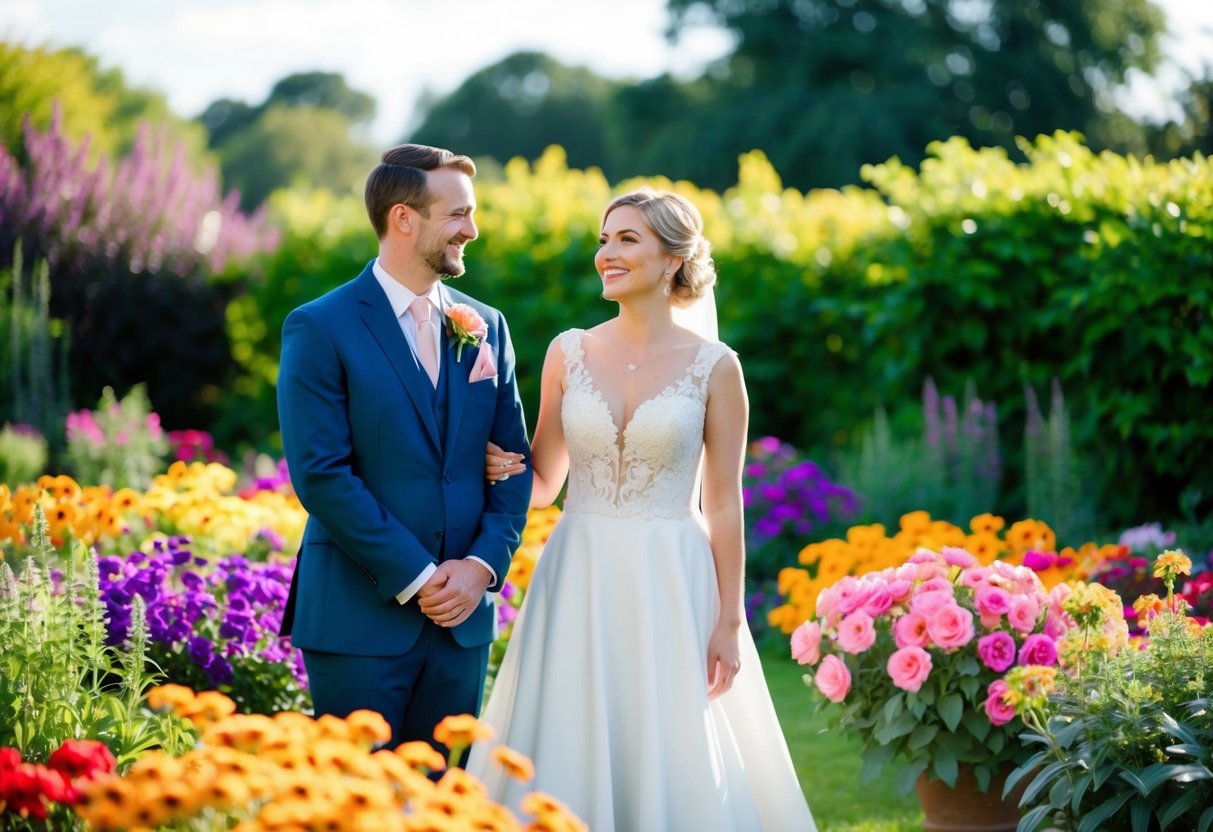
Making your wedding flowers stunning doesn’t have to break the bank. By focusing on key elements, considering do-it-yourself projects, and collaborating with a florist, you can achieve an amazing floral look that fits your budget.
Prioritizing Key Decor Elements
Think about what matters most to you for your wedding decor. Start with the bridal bouquet, as it often takes center stage in photos. Choose a beautiful design that reflects your style. You might allocate more of your budget here.
Next, consider table centerpieces. These can set the mood for your reception. Focus on creating impactful floral arrangements that enhance your theme. It’s helpful to use greenery to fill out your centerpieces, as it can be more affordable and looks lush.
Finally, if your venue allows, select a few larger floral installations. These can draw attention and create a stunning backdrop without needing flowers everywhere.
Exploring Do-It-Yourself Options
Taking on some floral tasks yourself can save money. You might create your own table centerpieces using simple arrangements of seasonal blooms and greenery. Gather supplies from a local market to keep costs down.
Another idea is to make your own bridal bouquet. There are many tutorials online that can guide you through the process. Choose flowers that fit your color scheme and style.
Don’t forget to enlist the help of friends or family. A floral crafting party can be a fun way to bond and share the workload.
Working with a Wedding Florist
A skilled wedding florist can be your best ally in maximizing your budget. Discuss your vision and ask for their suggestions on how to get the most impact. Often, they may provide ideas that enhance floral design without extra costs.
Be upfront about your budget. Many florists can offer options that meet your price range. Consider splurging on a few key pieces, like the bridal bouquet or a statement piece, while saving on others.
Ask about bulk pricing for certain flowers or greenery. Florists might have seasonal flowers that are more affordable but still beautifully fit your design.