
How to Do a Wedding on a Budget: Practical Savings
You can plan a wedding on a budget by setting a firm spending limit, choosing your top priorities, and reducing costs in areas like guest count, venue, food, and décor.

Start by agreeing on what you can afford and how you want to celebrate. Set your budget before booking vendors, then take one practical step today: write down your spending limit and the three parts of the day you value most.
Set a Realistic Budget Before Booking
A realistic wedding budget starts with the amount you can pay while keeping your regular bills and savings plans on track. Once you know your limit, divide it into categories and leave room for costs that come up as you plan.

Your location, guest count, and choices all affect wedding costs, so a national average is only a rough point of comparison. A clear wedding budget breakdown helps you compare quotes and make choices before deposits are due.
How Much Can You Comfortably Spend?
Add up the money you can set aside from savings, monthly income, and any confirmed contributions from family. Agree on whether each contribution is a gift or comes with expectations about the event. Keep your budget within an amount you can pay without relying on credit card debt.
If you are still choosing a total, list your regular expenses and savings goals first. Then decide what amount remains for wedding expenses. A realistic wedding budget reflects your finances and the celebration you want, not pressure to match someone else’s spending.
How to Build a Wedding Budget Breakdown
List every expense you expect, including the ceremony, venue, food, attire, photography, transportation, and license fees. Add taxes, tips, service charges, rentals, and postage where they apply. Give each category a spending limit, then track what you have paid and what you still owe.
For a starting point, estimate your largest costs first. Venue and catering can take up a large share, especially as your guest list grows. Adjust the amounts to match your plans, and review how to allocate a wedding budget if you want a category-by-category starting point.
Can You Plan a Wedding Under $5,000?
You can plan a wedding under $5,000 when you keep the guest list small, choose a low-cost location, and limit paid services. A courthouse ceremony followed by a meal at home or in a community space can help you stay within that amount.
Write down what your total includes before you start comparing prices. The license, attire, food, and photography all need a place in your budget. A sample plan for a wedding on $5,000 can help you check whether your guest count and must-haves fit your spending limit.
Cut Costs With a Smaller Guest List and Flexible Date
A smaller guest list and a flexible date can lower your venue and food costs while giving you more choices. Decide who you most want to celebrate with, then compare dates outside the busiest wedding season and weekend hours.
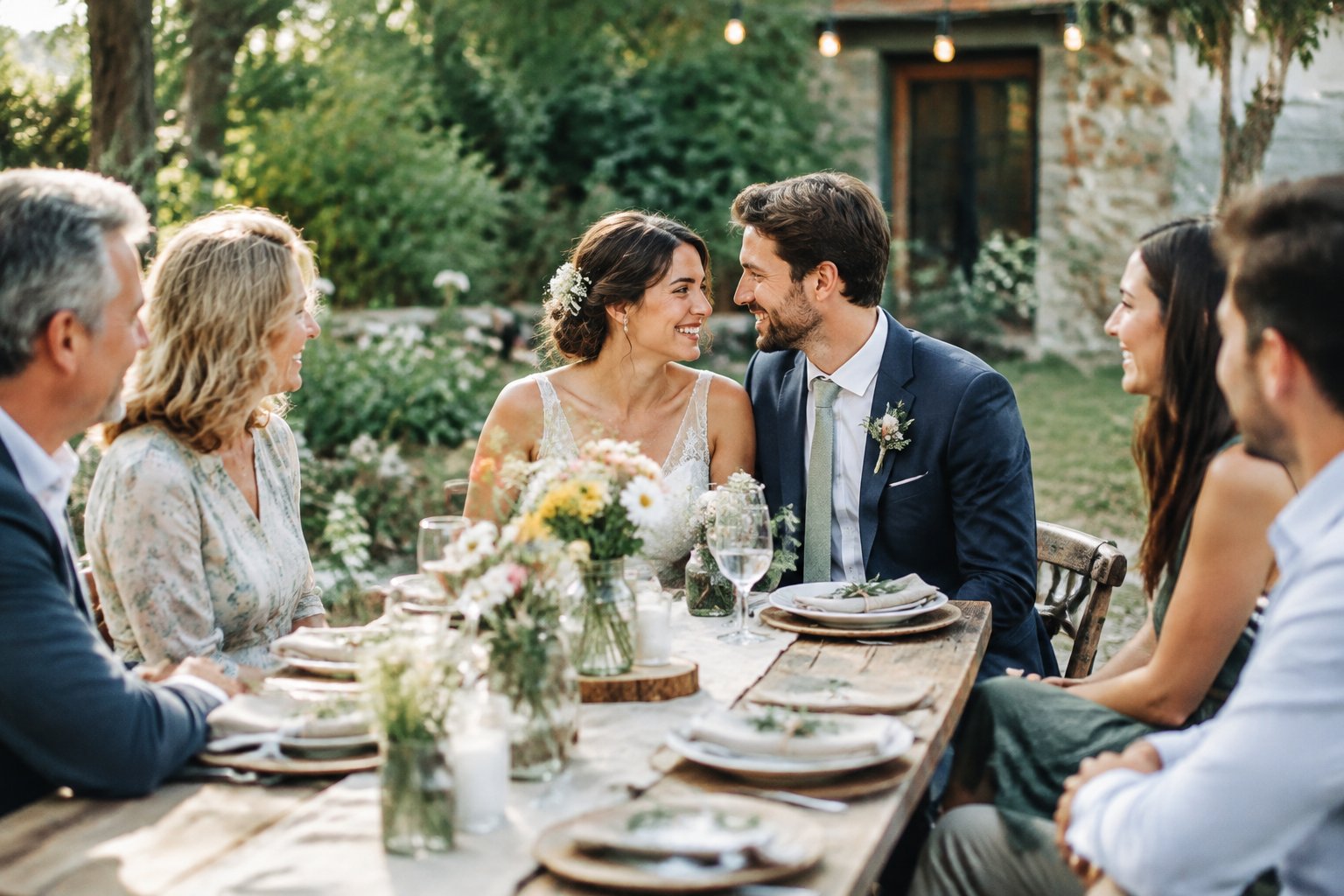
Each guest adds to costs such as meals, seating, rentals, and invitations. With fewer people, you can focus your budget on the experience you want to share with them.
Why Does a Smaller Guest List Save So Much?
Your wedding guest list affects several costs at once. A smaller count can reduce catering, table rentals, favors, and the size of venue you need. Set a guest limit before you send invitations, then use the same rule for both sides of the family.
If you are weighing who to invite, group names by how close you are and how often you see each person. A small wedding guest list can help you plan a celebration that feels warm and personal while keeping spending manageable.
Can Weekday Weddings Lower Your Costs?
A weekday wedding can give you access to more venue dates and lower rates at some locations. Ask venues and vendors for quotes on a weekday, Sunday, or off-season date, then compare the full price and what each option includes.
Check how the date affects your guests, especially those who need to travel or take time off work. If the people closest to you can attend, a weekday wedding date could free up money for another priority.
Would an Intimate Wedding Suit Your Priorities?
An intimate wedding suits you if you want a close gathering and would rather spend time with a smaller circle. You might choose a backyard ceremony, a restaurant meal, or a small event room with a simple schedule.
Choose the guest count based on the kind of celebration you want to host. A budget-friendly small wedding can still include meaningful traditions, favorite food, and time for photos with the people you invite.
Choose an Affordable Venue, Food, and Vendors
You can lower major wedding costs by choosing a venue with useful features, keeping catering simple, and reserving room in your budget for the vendors you value most. Compare complete quotes so you know what each price covers.

A venue that includes tables, chairs, or a ceremony space can reduce rentals and setup work. Your food style and vendor choices should fit the guest count and the kind of day you have planned.
Where Can You Find a Budget-Friendly Wedding Venue?
Look at community halls, parks, restaurants, places of worship, and family properties where events are allowed. A venue with natural character or attractive landscaping may need less added décor. Ask about rental hours, cleanup, required insurance, and any fees for outside vendors.
When you compare options, price the full event setup, including rentals and staffing. Browse affordable wedding venues as you make a shortlist, then confirm the details directly with each location. A destination wedding can bring extra travel and lodging costs for you and your guests, so include those when comparing locations.
How Can You Make Wedding Catering More Affordable?
Choose a menu that fits your guest count and the way you want to serve the meal. A buffet, brunch, lunch, or family-style dinner can be less expensive than a formal plated menu, depending on the caterer and location. Ask whether the quote includes staffing, delivery, rentals, beverages, cake service, taxes, and gratuity.
You can also serve a limited menu with a few crowd-pleasing options. Request a per-person price for each format and compare the full totals. These ideas for keeping wedding food costs down can help you ask focused questions when you speak with caterers.
Which Wedding Vendors Are Worth Prioritizing?
Prioritize wedding vendors whose work has lasting value to you or would be difficult to manage yourself. If you care deeply about photos, set aside money for wedding photography and review full galleries before you book. If a planner would ease the workload, ask about coordination-only services or a shorter planning package.
For other services, consider what you can confidently handle with help from friends or family. Get agreements in writing, confirm what is included, and avoid asking a friend to take on a job that could keep them from enjoying the celebration.
Save on Attire, Invitations, Décor, and Favors
You can cut smaller wedding costs by choosing practical attire, simple invitations, and decorations that work with your venue. Pick a few details to personalize and keep the rest easy to source, set up, and pack away.

A budget-friendly wedding can feel thoughtful without adding a separate purchase to every part of the day. Before you buy supplies, check what your venue already provides and what you can borrow or reuse.
Should You Rent Wedding Attire?
Rent wedding attire if you want a formal look for one day and have rental options that fit your style and measurements. Compare rental fees with the cost of buying an outfit, including alterations, cleaning, and any required return shipping. For a dress or suit you want to keep, check sample sales, resale shops, and department store options.
Plan for fittings and accessories when you set your clothing budget. Shoes, tailoring, and garment care can raise the final cost, so include them in your estimate.
Are Digital or DIY Wedding Invitations a Good Fit?
Digital invitations can save you printing and postage costs, and they make it easier to share updates. Paper invitations still work well if you value a printed keepsake or have guests who prefer mail. For a small guest list, DIY wedding invitations give you control over the design and quantity.
Count envelopes, printing, postage, and supplies before choosing a format. Compare the cost of making wedding invitations with a printed order, and consider a digital save-the-date to reduce stationery spending.
Which Wedding Decorations Can You DIY or Simplify?
Focus your wedding decorations on a few visible areas, such as the ceremony backdrop, guest tables, or welcome sign. Reuse flowers and other décor between the ceremony and reception when your schedule allows. Candles, greenery, and items you already own can help finish a space with fewer purchases.
Choose projects that match your time and skills, then price materials before you begin. These wedding decoration ideas on a budget can help you decide what to make and what to leave out. Ask the venue about setup rules and cleanup before bringing in décor.
What Are Budget-Friendly Wedding Favor Alternatives?
Budget-friendly wedding favors can be useful, edible, or part of the celebration itself. You could offer a small treat, set out a shared dessert, or let guests take home a flower from the table arrangements. Choose an option that fits your style and guest count.
If favors add more expense than you planned, you can skip individual gifts and spend that money on another part of the event. A personal thank-you during the reception or in a note after the wedding gives guests a warm send-off without extra items.
Track Payments and Keep Your Plan on Course
A simple payment tracker helps you see what you have spent, what you have committed to, and when each balance is due. Update it after every booking or purchase so your wedding expenses stay tied to your total budget.
Use a spreadsheet or notebook with columns for the vendor, quoted price, deposit, balance, due date, and payment status. Save contracts and receipts in one place, then review the list with your partner on a set schedule.
How Can You Compare Quotes and Avoid Hidden Costs?
Compare quotes by checking the same details for every vendor. Look at the service hours, staffing, rentals, delivery, taxes, gratuity, overtime rates, and cancellation terms. A lower starting price may leave out items another quote includes, so compare the total cost for the same service.
Ask vendors to list any fees that could apply if your schedule or guest count changes. Keep notes on what each quote includes, and confirm final prices in writing before you pay a deposit.
When Is a Wedding Planner Worth the Cost?
A wedding planner is worth the cost when their services fit your budget and save you time or stress you would otherwise have to manage yourself. A full-service planner handles a broader range of wedding planning tasks, while a day-of or month-of coordinator focuses on the event schedule and vendor communication near the wedding.
Ask about the exact duties, hours, and extra fees before booking. If a planner does not fit your budget, assign specific tasks to trusted helpers and share a clear timeline with your vendors.
How Much Should You Set Aside for Unexpected Expenses?
Set aside about 5% to 10% of your total budget for unexpected expenses. Keep this amount separate from your spending plan so small changes, delivery fees, or last-minute supplies do not disrupt payments for booked services.
Add each new cost to your tracker and note whether it comes from the reserve or another category. If you use part of the reserve, review the remaining balance before making another purchase.