
How to Get Ordained in the UK: A Simple Guide to Becoming a Celebrant
Getting ordained in the UK is a straightforward process that many people find appealing, especially those who want to officiate a wedding or lead a special ceremony. You can become ordained through online services like the Universal Life Church. It allows you to complete the ordination in just a few minutes. It’s a free and simple way to take this step, making it accessible for everyone interested.

If you’re planning to officiate a wedding for a friend or family member, keep in mind that not all forms of ordination are legally binding in the UK. It’s essential to understand what your options are so you can make the right choice. Many people start by researching online ordination, which is both quick and convenient.
In this article, you’ll learn the steps needed to get ordained in the UK, along with tips to ensure you meet any legal requirements. Whether you’re looking to conduct a wedding or simply fulfill a personal calling, this guide will help you navigate the process with ease.
Understanding Ordination in the UK
When considering ordination in the UK, it’s essential to know the various paths available and the roles you might take on. This journey can lead you to serve as either a deacon or a priest, each with unique responsibilities and training.
Exploring Different Paths to Ordination
In the UK, you can choose from full-time, part-time, or non-residential pathways. Each option offers flexibility to accommodate your needs.
-
Full-time residential pathways: This usually involves attending a theological college for a set period. You’ll engage deeply with both academic study and practical ministry.
-
Part-time pathways: These are ideal if you want to balance your current job with your training. You can study while still working, allowing for a smoother transition into ordained ministry.
-
Non-residential pathways: These programs let you study part-time without living at a college. You’ll still participate in local training and mentorship, making it a fitting choice for many.
The process involves getting approval from your diocese and bishop. The bishop plays a crucial role by guiding you through the ordination process.
The Role of a Deacon and a Priest
As a deacon, your role mainly focuses on serving others. Deacons often assist in church services and engage directly with the community. You lead outreach efforts and help those in need, emphasizing compassion and service.
On the other hand, as a priest, you take on a leadership role. Priests lead worship services, administer sacraments, and provide spiritual guidance. This position requires more extensive ordination training and a deeper commitment to ordained ministry.
Both roles require a strong dedication to your community and a desire to lead others in faith. Depending on your calling, you may feel drawn to one role over the other, but both are vital to church life.
The Educational Journey

Getting ordained in the UK involves an important educational journey. This pathway includes attending theological education institutions and choosing the right training program to fit your needs.
Theological Education and Training Institutions
When you begin your ordination journey, you’ll likely attend a theological education institution. These colleges offer various programs to help you develop your theological knowledge and pastoral skills. Well-known institutions include Trinity College, Ridley Hall, and Sarum College.
These schools focus on different aspects of theology, from biblical studies to church history. You can expect engaging courses that challenge your thinking and deepen your faith. Some institutions, like Cranmer Hall and Westcott House, may offer specialized programs that prepare you for specific roles within the church.
Pathways to Theological Education
There are different pathways to the education you need. You can choose from full-time, part-time, or non-residential courses based on your situation. For example, Wycliffe Hall and Oak Hill Theological College may offer part-time options that work around your job or family commitments.
Regional part-time courses can provide flexibility while still ensuring you receive quality training. Some students may find that attending Cuddesdon or St. Stephen’s House fits better with their lifestyle. You can determine which option aligns best with your personal and spiritual growth goals.
Practical Steps and Considerations

When you decide to get ordained in the UK, several important steps and considerations can guide you. From the selection of the right formation path to understanding the mission of your ministry, it’s vital to approach this process with clear goals.
Selection and Formation Process
To start your journey, you need to select the right path for ordination. This often involves meeting with a vicar or a member of the vocations team in your diocese. They can help guide you in the discernment process.
You may choose to pursue chaplaincy or traditional parish ministry, depending on your skills and passions.
Consider these elements as you dive in:
- Commitment: Be ready to dedicate time and energy.
- Skills: Develop interpersonal skills, theological knowledge, and pastoral care.
- Habits of Prayer: Regular prayer is essential in this journey.
Understanding each step prepares you for what lies ahead.
Living the Mission
Once you begin your ordination process, living out your mission is crucial. This means embodying the values and responsibilities of your role. Your area’s church mission society can be a great resource in this regard.
As you engage in worship and the community, always remember the importance of outreach and service.
Key aspects include:
- Community Engagement: Build relationships within your community.
- Ongoing Education: Stay informed about faith and community needs.
- Support Systems: Surround yourself with mentors and peers who support your mission.
Embracing these principles can help ensure your ministry is impactful and meaningful.
After Ordination: The Life of Service
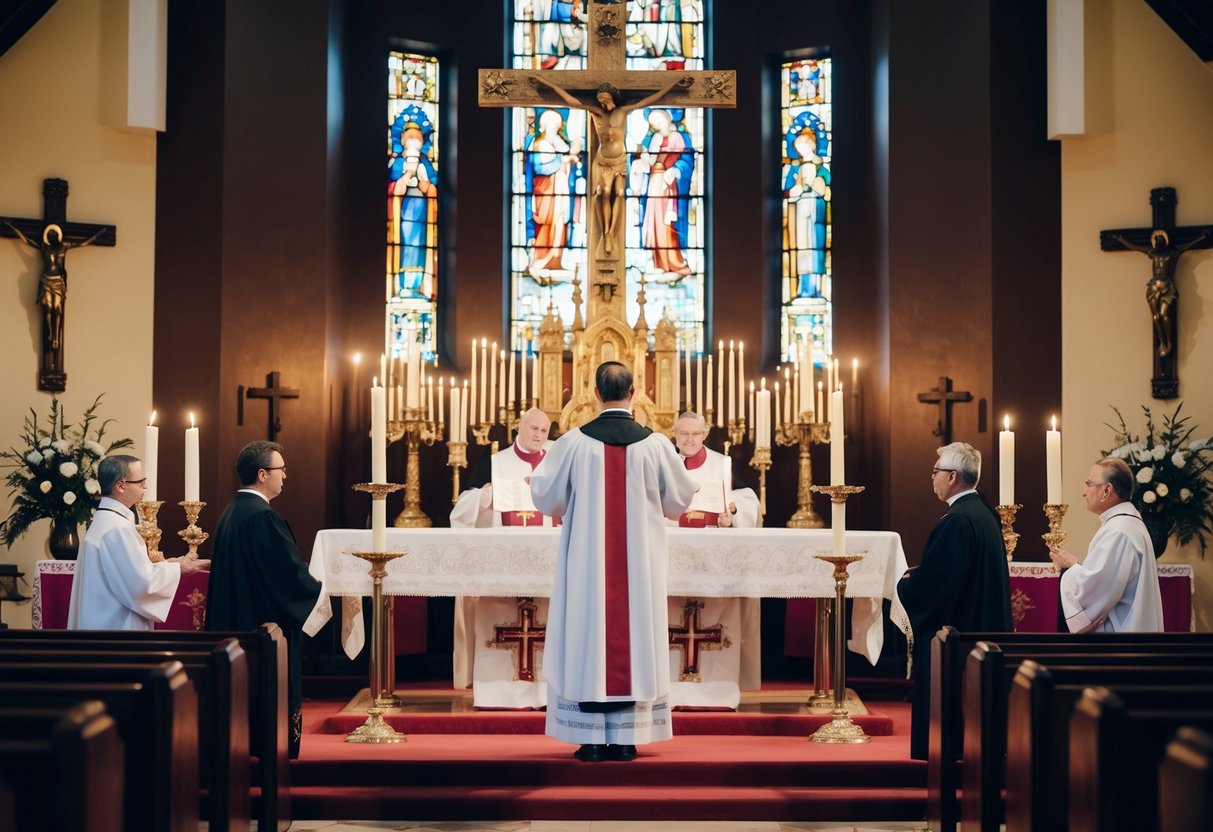
Once you are ordained, your journey of service begins. This phase involves various roles and responsibilities, as well as ongoing growth and learning. Your work will impact your community, while you continue to develop as an ordained minister.
Roles and Responsibilities of an Ordained Minister
As an ordained minister, you take on many responsibilities. You may officiate weddings, conduct baptisms, and lead Holy Communion services. Each of these duties allows you to connect with individuals and families during significant moments in their lives.
In your role, you will work closely with your supervising vicar or colleague. This partnership often takes place during your curacy, where you gain practical experience. You will also engage in ministerial training that enhances your theological learning.
Your job may involve teaching, offering pastoral care, and leading community outreach. Being present for others in times of need is crucial. These responsibilities require dedication, compassion, and a willingness to learn.
Continuous Growth and Development
An ordained minister’s journey doesn’t end after ordination. To serve effectively, you must continuously grow. You can pursue further theological education through research degrees or specialized courses.
Engagement with theological educators can enrich your understanding of faith and ministry. Many ministers attend workshops, conferences, or retreats to expand their skills and knowledge.
As you grow, seek mentorship and guidance from experienced ministers. This support can help you navigate challenges and deepen your faith. Embrace opportunities for learning to enhance your service in the community.