
How to Have a Wedding on a Very Low Budget: Smart Ways to Save
A beautiful wedding can fit a very small budget when you set a firm spending limit, invite a close-knit group, and keep the celebration simple. You can have a wedding on a very low budget by choosing a guest count, venue, and reception you can pay for in cash.
If you’re wondering how to have a wedding on a very low budget, start by listing what matters most to you and your partner. Then put a price limit on each choice before you book.
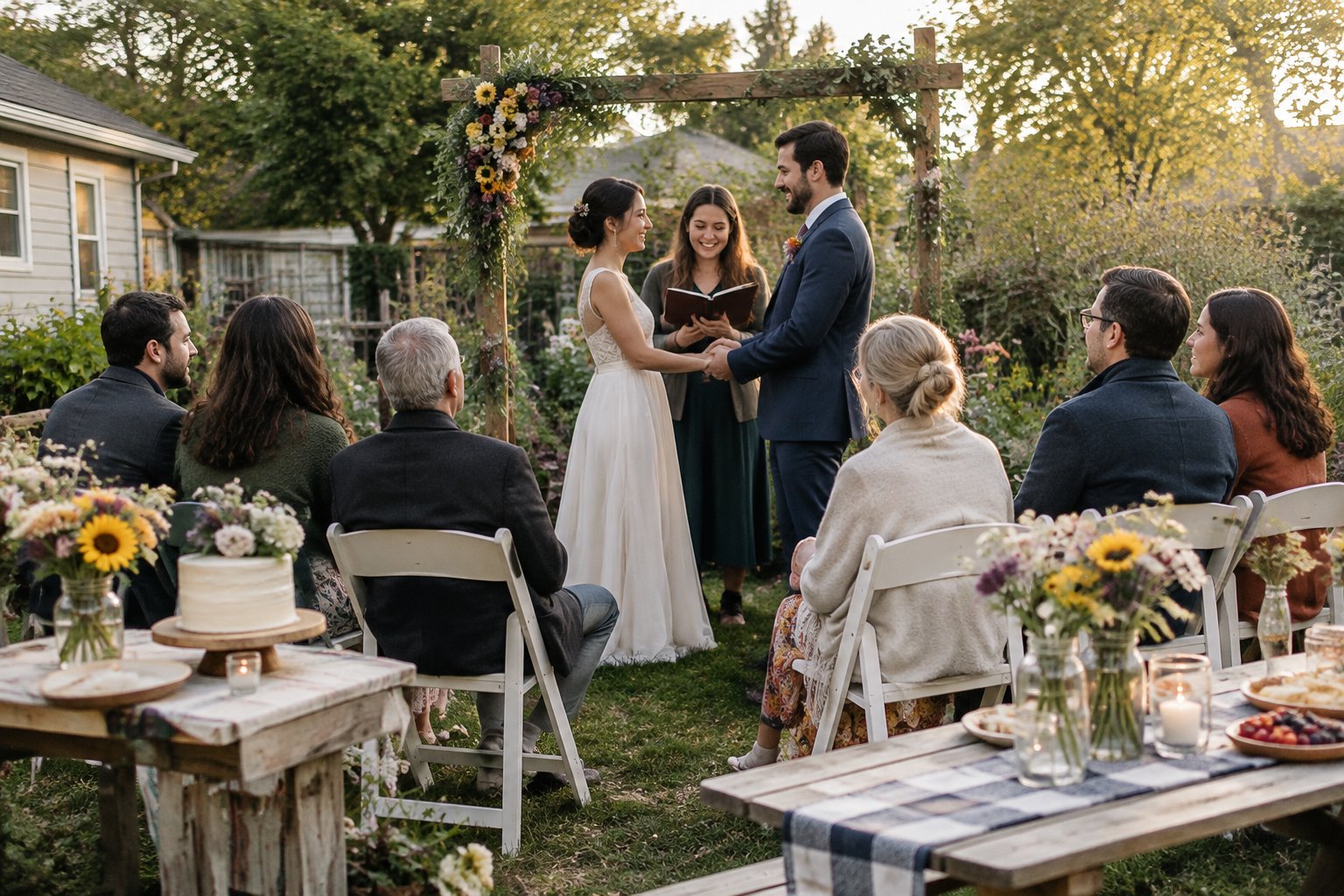
A smaller celebration can feel personal and joyful while helping you protect your savings and other financial plans. Set your limit together, then take the next step by writing down your top priorities before you contact vendors.
How Much Can You Realistically Spend?
Your wedding budget should reflect the money you can spend without taking on debt or dipping into emergency savings. A clear limit gives you a way to compare quotes and make decisions as you plan a wedding on a budget.

List your available funds, key expenses, and a small reserve before you book anything. Your budget breakdown can change as you get quotes, so track both estimates and final costs.
Set a Spending Limit Before Booking Vendors
Start with money you already have set aside and the amount you can save before the wedding. If family members plan to contribute, confirm the amount and any expectations attached to it. Keep emergency savings separate, and avoid counting on gifts that have not been offered.
Talk through your financial priorities as a couple. You might want to protect savings for a home, pay down debt, or keep a honeymoon fund. Decide on a wedding spending ceiling that leaves room for those plans. For more help working out a limit, use this approach to make a realistic wedding budget.
Build a Budget Breakdown and Leave Room for Surprises
Divide your spending limit into categories such as venue, food, attire, photography, flowers, and legal fees. Add small costs that are easy to miss, including postage, taxes, service charges, alterations, delivery, and rentals. Get written quotes and record payment dates so you can see what is committed and what remains.
Keep a reserve for unexpected costs, such as extra chairs or a weather backup. A tight wedding budget has less room for last-minute changes, so leave part of your limit unassigned. When a quote comes in higher than planned, adjust another category before you agree to the expense.
Reduce Costs With a Smaller Guest List and Flexible Date
A smaller guest list and a date outside peak demand can lower your wedding cost while creating a more intimate wedding. Fewer guests also make it easier to consider small venues and simple receptions.
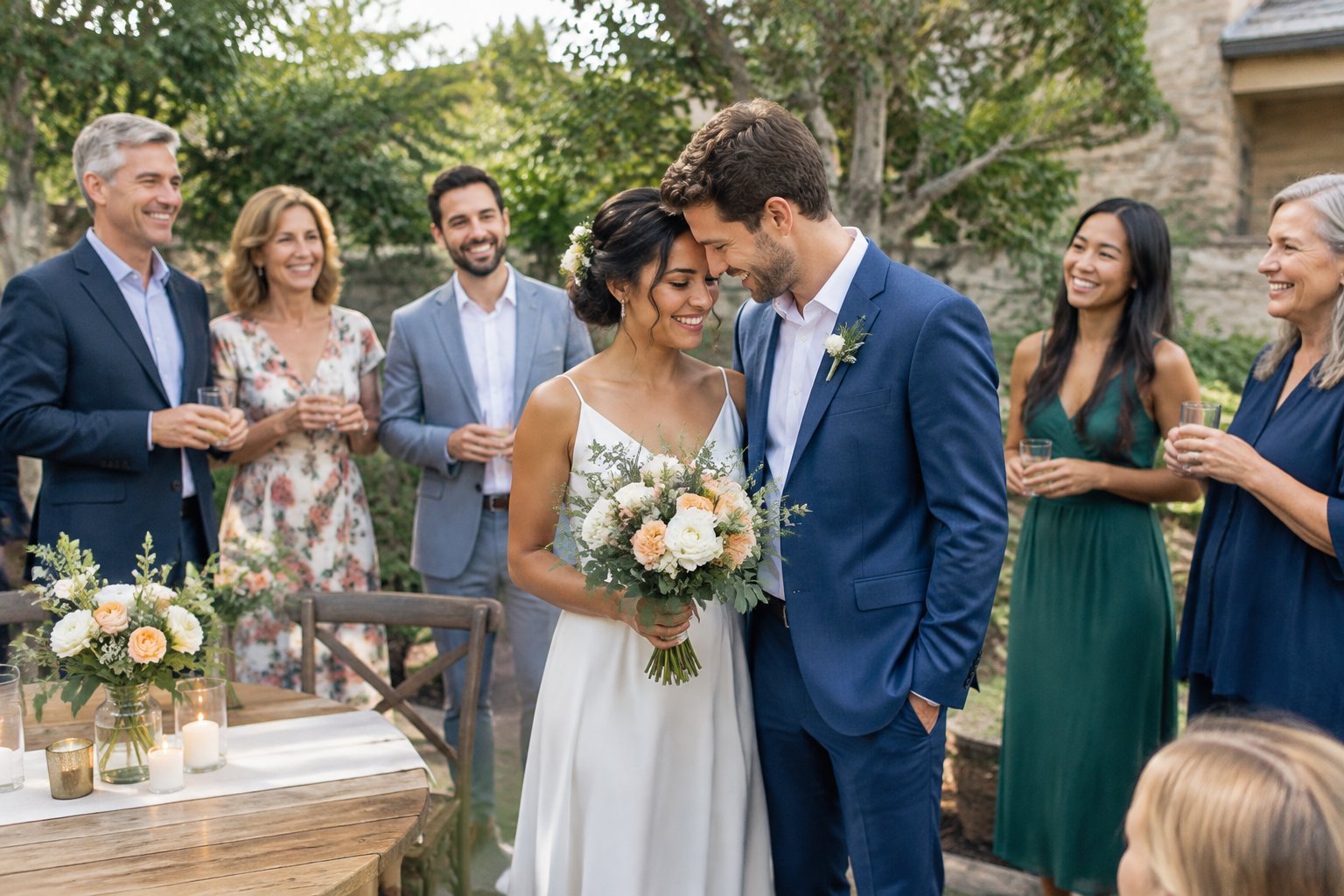
Choose a guest count that suits your budget, then check dates with venues and vendors before settling on a day. A flexible schedule gives you more choices when you compare prices.
How Does a Small Guest List Affect the Total?
Each guest adds costs for food, drinks, seating, and sometimes rentals or favors. A small wedding can also give you more time to talk with each person and help you choose a less costly venue. Set a guest-list rule together, such as inviting immediate family and close friends, and apply it consistently. These tips for creating a small wedding guest list can help you make clear choices.
If you need to reduce the list, begin with broad groups such as distant relatives, coworkers, or people you have not seen in years. Share that you are planning a small celebration with a limited guest count. A kind, direct explanation can make the decision easier to understand.
Can a Weekday Wedding Lower Your Costs?
A weekday wedding can lower venue and vendor costs because Saturdays draw more demand. Ask about weekday and off-season rates, then compare the full price, including setup time, staffing, and any required rentals. This guide to getting married on a weekday can help you weigh the schedule against potential savings.
Think about how the date affects your guests’ travel and work plans. An afternoon ceremony followed by an early meal may suit a weekday better than a late-night reception. Confirm that key guests can attend before you pay a deposit.
Where Can You Host an Affordable Celebration?
An affordable wedding venue can be a backyard, public park, community hall, or restaurant with a private room. Check the rules, included services, and extra fees before you decide.
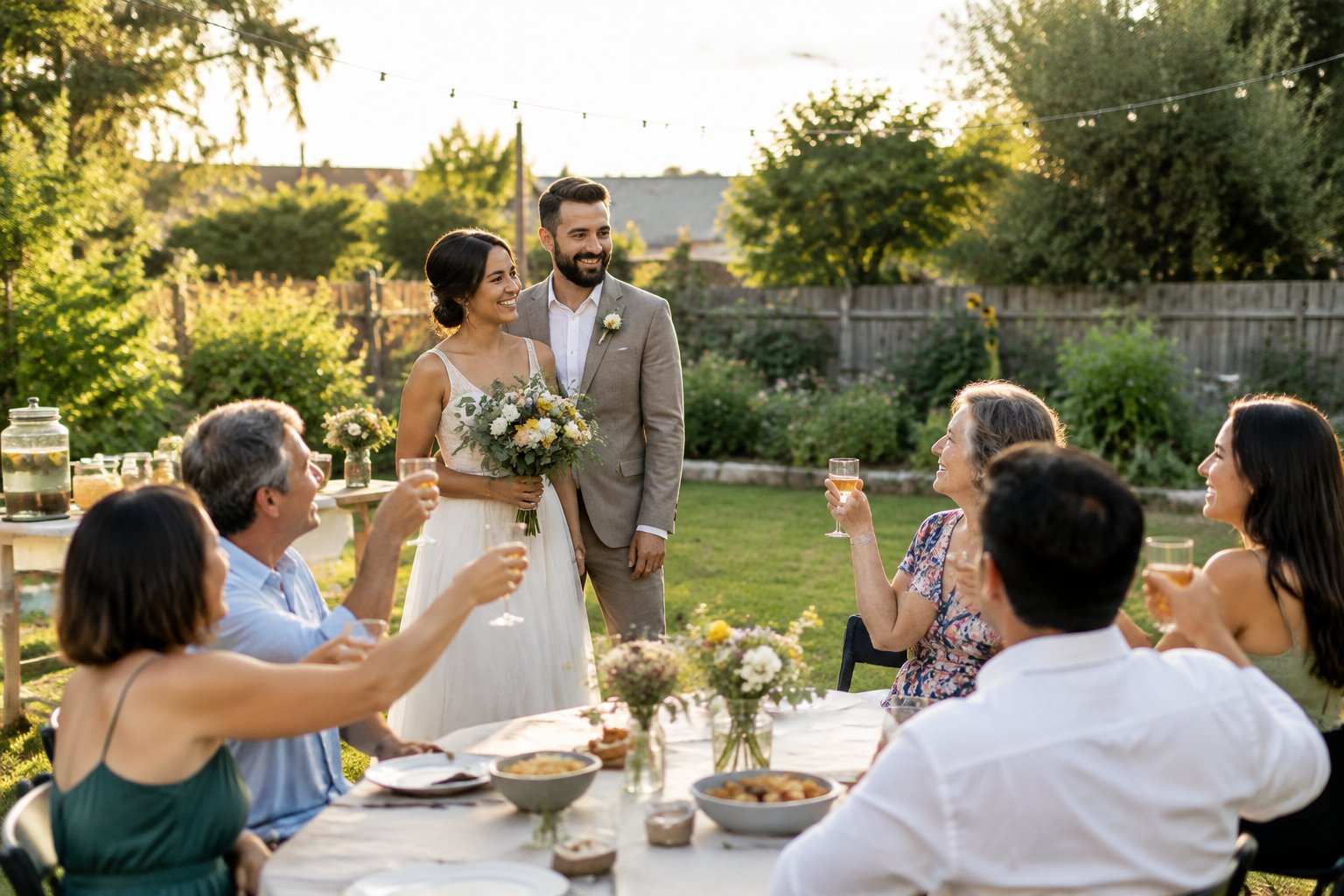
The lowest rental price does not always mean the lowest total cost. Compare what each space provides and what you will need to bring in.
Consider a Backyard, Park, or Community Space
A backyard wedding can save on a venue rental, especially when you have access to enough seating and a suitable indoor space nearby. Account for tables, chairs, bathrooms, lighting, cleanup, and a rain plan. Ask the property owner and local officials about noise rules, parking, and any permits.
Parks and community spaces can offer a simple setting at a lower price than a traditional event venue. Check whether you need a permit, insurance, or a reservation, and find out how long you can use the space. Browse affordable wedding venues to compare different types of locations.
Compare What Each Venue Includes Before You Book
Ask for a written list of what the rental fee covers. Tables, chairs, kitchen access, linens, setup, cleanup, and sound equipment can change the total cost. A low-cost hall that requires you to rent everything may cost more than a space with a higher fee and useful basics included.
Check catering rules before you commit. Some venues require you to use their caterer, while others allow outside food or a restaurant delivery order. Ask about deposits, cancellation terms, overtime charges, and weather backup plans, then compare the full cost of each option.
Save on Food, Flowers, and Attire Without Losing Meaning
Simple food, seasonal wedding flowers, and lower-cost attire can make your celebration feel thoughtful while keeping spending in check. Focus your budget on the parts of the day you and your guests will value most.
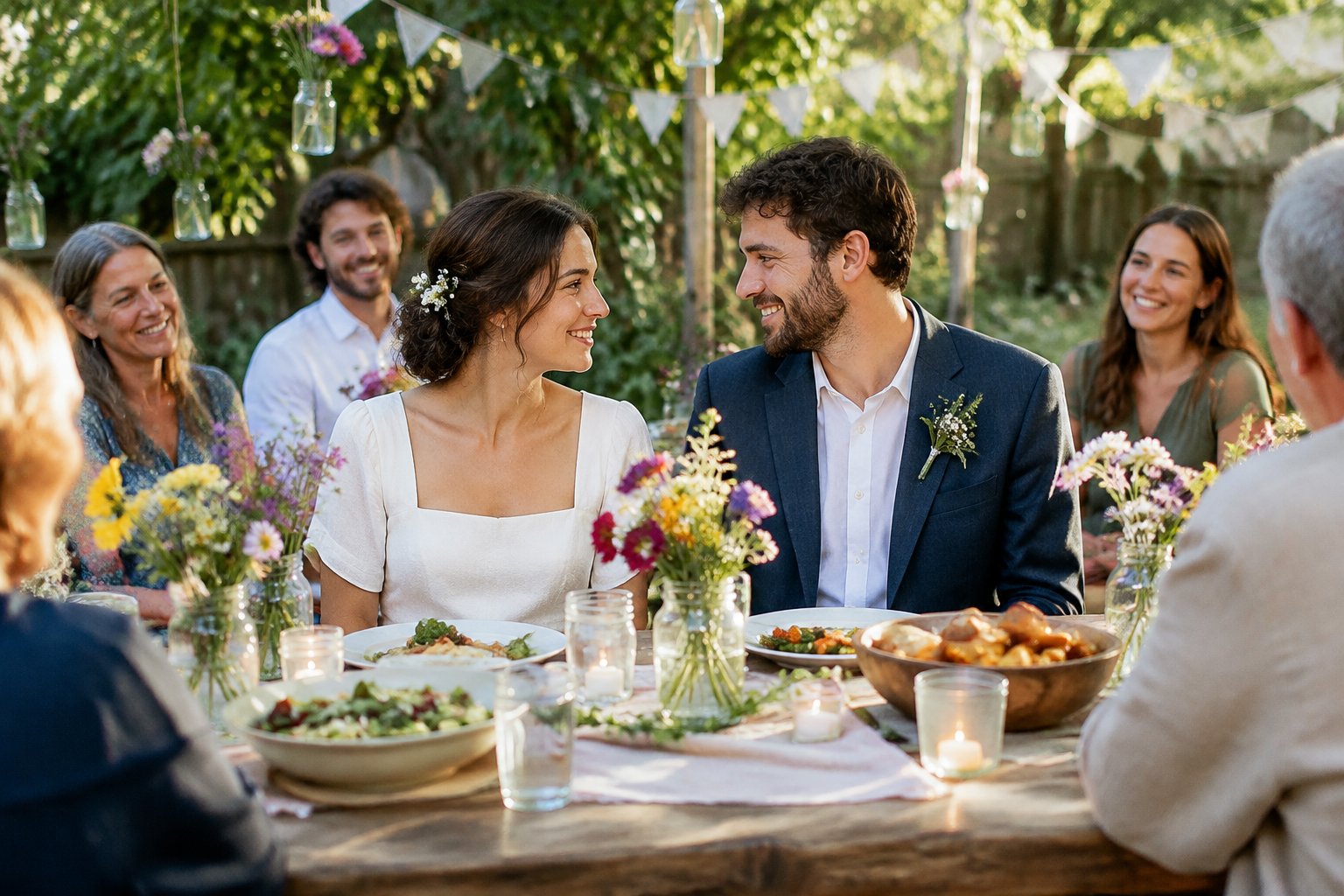
Ask for quotes that show all fees and portions, then compare them with your guest count. Small choices, such as a shorter menu or fewer floral arrangements, can add up to meaningful savings.
Choose a Simple Meal or Brunch Reception
A brunch, lunch, or dessert reception can cost less than a full evening meal. Choose a short menu that suits the time of day, and ask a local restaurant or caterer for a per-person price that includes delivery, serving supplies, and staff. These ideas for keeping wedding food costs low can help you compare meal styles.
Plan enough food for the time and length of the event. A brief cake-and-coffee gathering has different needs from a reception that lasts several hours. Confirm what the venue allows, and include drinks, serving items, and cleanup in your food estimate.
Use Seasonal Blooms and Minimal Decorations
Seasonal flowers are easier to source when they are in bloom locally, and a few arrangements can make a space feel special. Ask a florist which flowers fit your date and budget. Greenery, potted plants, candles, or a single statement arrangement can fill the space with less floral expense.
Reuse ceremony flowers at the reception when timing and setup allow. Choose decorations that work in more than one location, and check whether the venue provides items you can use. For more affordable wedding ideas, start with pieces that serve a clear purpose.
Find Lower-Cost Attire and Thoughtful Favors
Look at sample sales, pre-owned outfits, off-the-rack styles, and rental options for wedding attire. Include alterations, shoes, and accessories in your estimate. A well-fitting outfit you feel comfortable in can suit the day at a range of price points.
Favors are optional. If you want to give guests something, choose a small edible treat or a useful item that fits your budget. A personal note at each place setting can also add warmth without creating a large expense.
Which DIY Projects and Planning Tools Are Worth It?
DIY projects save money when materials and time cost less than hiring a vendor. Digital details and borrowed or rented decor can also help you keep the celebration organized and within budget.
Keep each project simple, and price materials before you start. Pick tasks you can finish well before the wedding so they do not become a last-minute expense or source of stress.
Make Invitations and Favors Only If They Truly Save Money
Compare the full cost of DIY wedding invitations with printed options, including paper, ink, envelopes, postage, and mistakes. Digital invitations can reduce printing and mailing costs. If you enjoy crafting, set a time limit and choose a design you can repeat without special tools.
DIY wedding favors work best when you can make them in batches with affordable supplies. Price the materials for the full guest count, including extras, before buying. A project that uses costly packaging or takes many hours may not be a good fit for your budget.
Use a Wedding Website for Digital Details
A wedding website gives guests one place to find the schedule, travel details, dress guidance, and updates. Share the link on your invitations or save-the-dates to reduce the need for extra printed inserts. Keep the information clear and update it when plans change.
Check that guests can find the details they need without creating an account or downloading an app. You can still print a small number of invitations for relatives who prefer paper.
Borrow, Rent, or Thrift Decorations
Borrowing or renting decor can save storage space and reduce the cost of buying items for one day. Look for vases, table runners, candle holders, and signs from friends, family, or local rental shops. Confirm pickup, return, and cleaning rules before you agree.
Thrift stores can offer frames, glassware, and simple decorative pieces at low prices. Choose items that suit the same color palette so the room feels coordinated. Track what you borrow, and assign someone to return it after the celebration.
When Should You Hire Help—or Choose a Simpler Celebration?
A wedding planner or day-of coordinator can help when your plans involve many vendors or a complex schedule, while an elopement can suit you if you want a brief, private ceremony. Choose the level of help and celebration that fits your budget and energy.
Think about the time you have, the number of people attending, and how much coordination you want to manage. A smaller plan may need less outside support.
How Can a Wedding Planner Help Protect Your Budget?
A planner can organize quotes, manage vendor communication, and help you track payments. Ask what the fee includes, whether the planner works within your spending limit, and how they handle changes. A partial-planning or day-of service may fit your needs better than full planning.
If you enjoy organizing details, you can plan your own wedding with a clear checklist and reliable support from friends or family. Assign specific tasks, such as greeting vendors or keeping the schedule, so the people helping you can enjoy the day too.
Is an Elopement or Micro-Wedding a Better Fit?
An elopement or micro-wedding can reduce spending on venue space, meals, rentals, and invitations by keeping the guest count very small. You might hold a brief ceremony at a courthouse, a park, or a meaningful location, then share a meal with a few loved ones.
Check local marriage license rules, officiant requirements, and any location permits before setting the date. If you want to celebrate with more people later, plan a casual gathering when your budget allows. A short guest list and a clear spending cap give you a practical starting point.